SENARA: The Sacrament turns a massive cult ship into a fantastic survival horror setting, even if its action-heavy second half loses much of the tension
The demo for SENARA: The Sacrament immediately grabbed me. Wandering through the abandoned cabins and narrow corridors of a huge ship, reading documents about the cultists who once occupied it and listening to the metal groan around me created exactly the kind of atmosphere I want from survival horror. It had that familiar Resident Evil rhythm of searching rooms, collecting clues, counting bullets and slowly understanding the horrible place I had entered.
The full game wastes even less time making the ship feel dangerous. In the demo, I could freely explore those early hallways and soak in the atmosphere. Here, I was almost immediately being hunted by a dead-eyed man carrying a kitchen knife while I had nothing with which to defend myself. Some puzzle solutions and codes had also changed, so my memories from the demo did not offer an easy route through the opening.
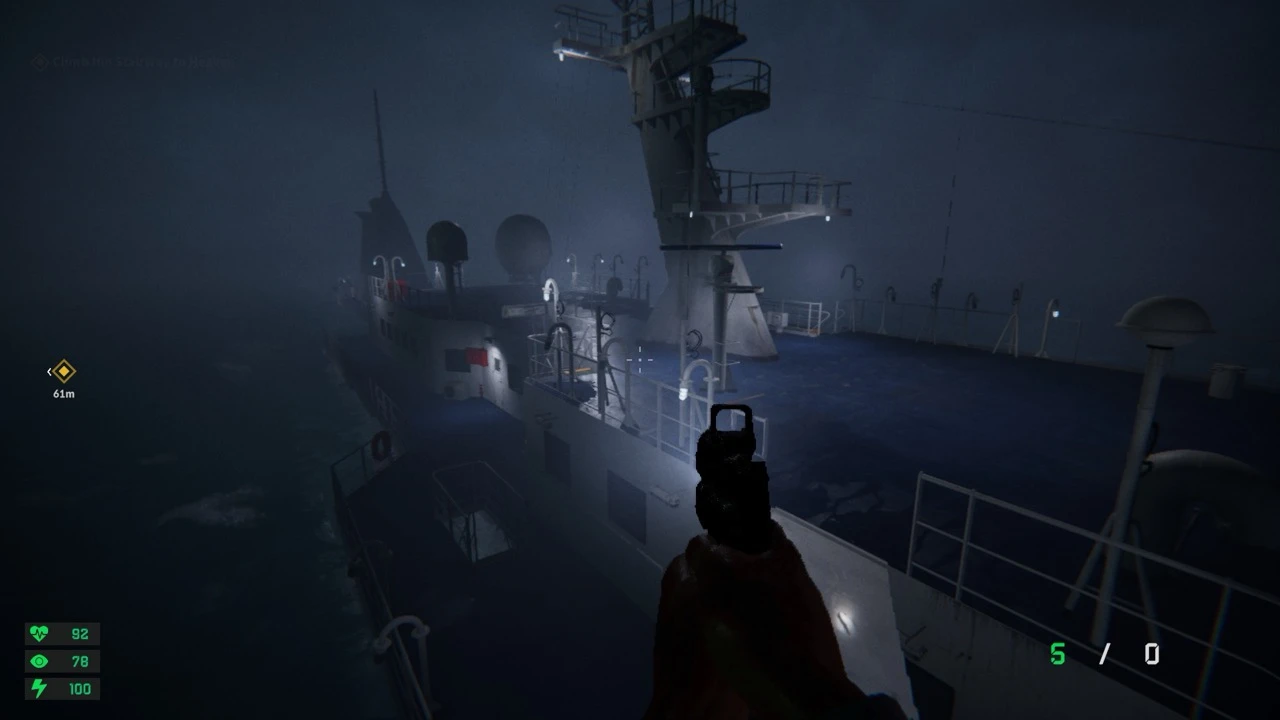
That early sequence is SENARA at its best. I found a knife, carefully sneaked around my pursuer, met the Captain and started following the clues scattered through the ship. Eventually I reached a pistol and could deal with the threat, but those first encounters made every corner feel unsafe. The stalker was not especially sophisticated, yet being trapped in cramped corridors without a weapon made his footsteps enough to keep me moving.
The goal is simple: escape the doomed ship. Getting there is anything but simple. The SENARA is filled with locked doors, blocked routes, hidden passages and areas that only become accessible after finding the right code, key or piece of equipment. You are constantly making small loops through familiar spaces, opening another path and pushing farther into the vessel. The structure gives the adventure a satisfying sense of progression while making the ship itself feel increasingly connected.
Along the way, documents, objects and conversations gradually explain the cult, its beliefs and what its members hoped to achieve aboard the ship. I enjoyed piecing that story together because the game does not dump everything into one giant explanation. The multiple endings also give your decisions some weight. Even after the horror started losing its grip on me, the mystery and the possible fate of the SENARA kept me invested.
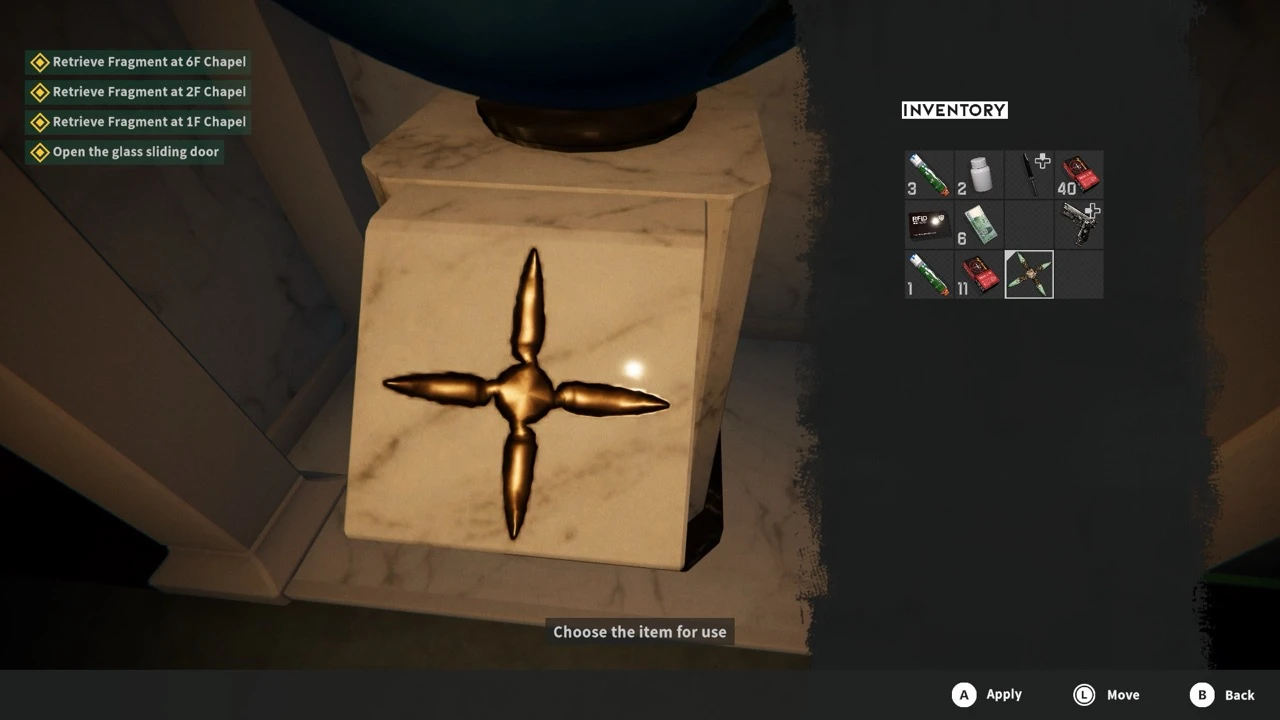
The ship is easily the star of the game. Its interior is based on a real, massive 6,000-ton vessel, and that authenticity comes through in almost every space. Cabins, stairwells, engine rooms, maintenance nooks and tight service corridors feel functional. It is easy to believe people once lived and worked here, which makes discovering what happened to them much more unsettling.
The presentation supports that setting wonderfully. Low-lit corridors stretch just far enough beyond your vision, metallic hums fill the silence and the ship creaks as though it is straining against the sea. Many spaces are cramped enough that simply turning around can feel uncomfortable. When ammunition is limited and an enemy is somewhere nearby, the combination of sound, darkness and claustrophobia works extremely well.
Unfortunately, SENARA does not preserve that survival horror balance throughout the whole experience. Eventually, you find a vending machine that sells ammunition, grenades and health syringes. Because cash is scattered generously around the ship, I rarely felt starved for supplies after that point. Resource management stops being a source of anxiety when the answer to running low is usually another shopping trip.
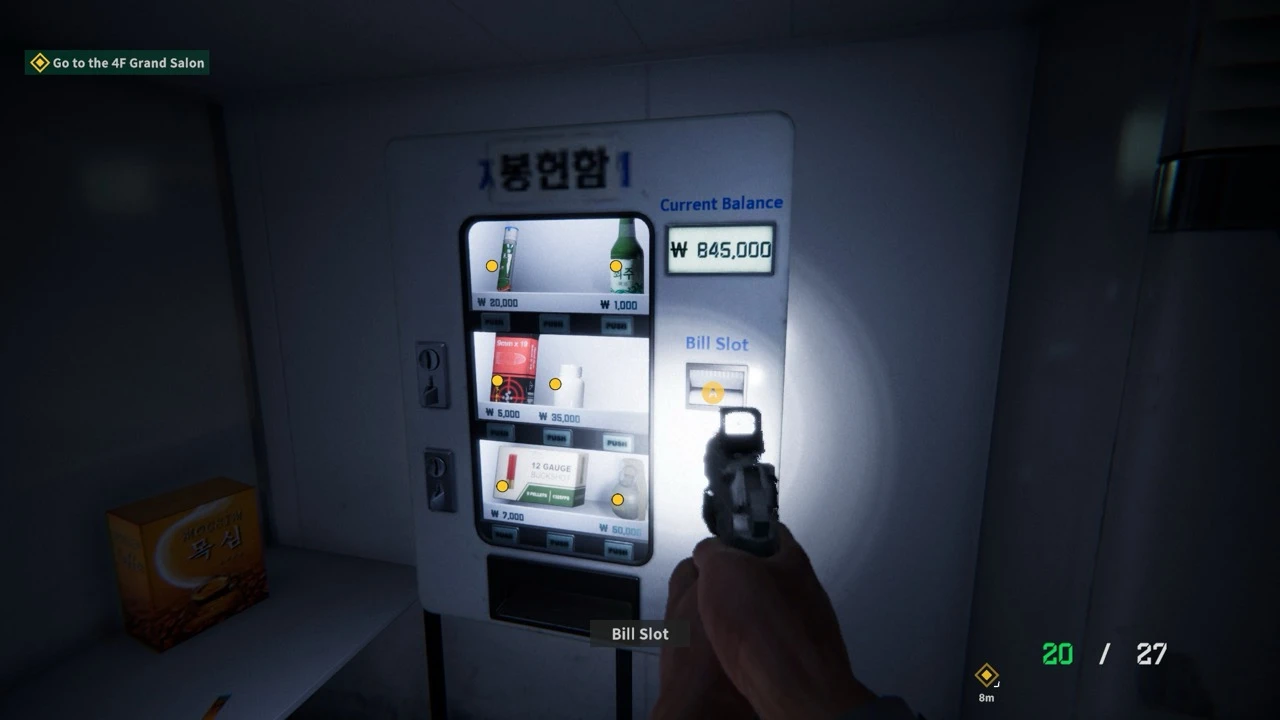
The enemy design creates a bigger problem. Beyond the creepy human cultists, the game introduces more monstrous creatures, including a recurring fish-like enemy. Killing one means shooting it down and then using a grenade to burn the body. That can be tense the first few times, especially when deciding whether the encounter is worth spending those resources. The game then spawns the same creature so frequently that the routine becomes exhausting rather than frightening.
This changes the entire feel of the second half. Instead of cautiously exploring and making every bullet count, I was increasingly running through areas, shooting whatever blocked the route and burning bodies because the game required it. The gunplay is serviceable, but it is not strong enough to carry SENARA as an action game. Combat works best as a dangerous interruption to exploration, not as the main event, and the repeated enemies steadily drain the ship of its fear.
That shift is particularly frustrating because the opening proves how effective the game can be when it trusts its setting. A restrained enemy count, scarcer money and fewer chances to restock would have kept every hallway meaningful. Instead, the later hours trade dread for repetition. The ship remains visually oppressive, but once I knew I could buy more bullets and grenades, I stopped feeling like vulnerable prey. There's also a sanity like mechanic that honestly doesn't seem to have any real effect on gameplay. There are some floating anomalies in the ship and if they are near you, it will lower your sanity and if that hits zero you can't use your weapons. But that is rarely a problem cause if you shoot them once, they disappear. Even if you lose the sanity, you quickly get some of it back after a couple of seconds so you are good to go.
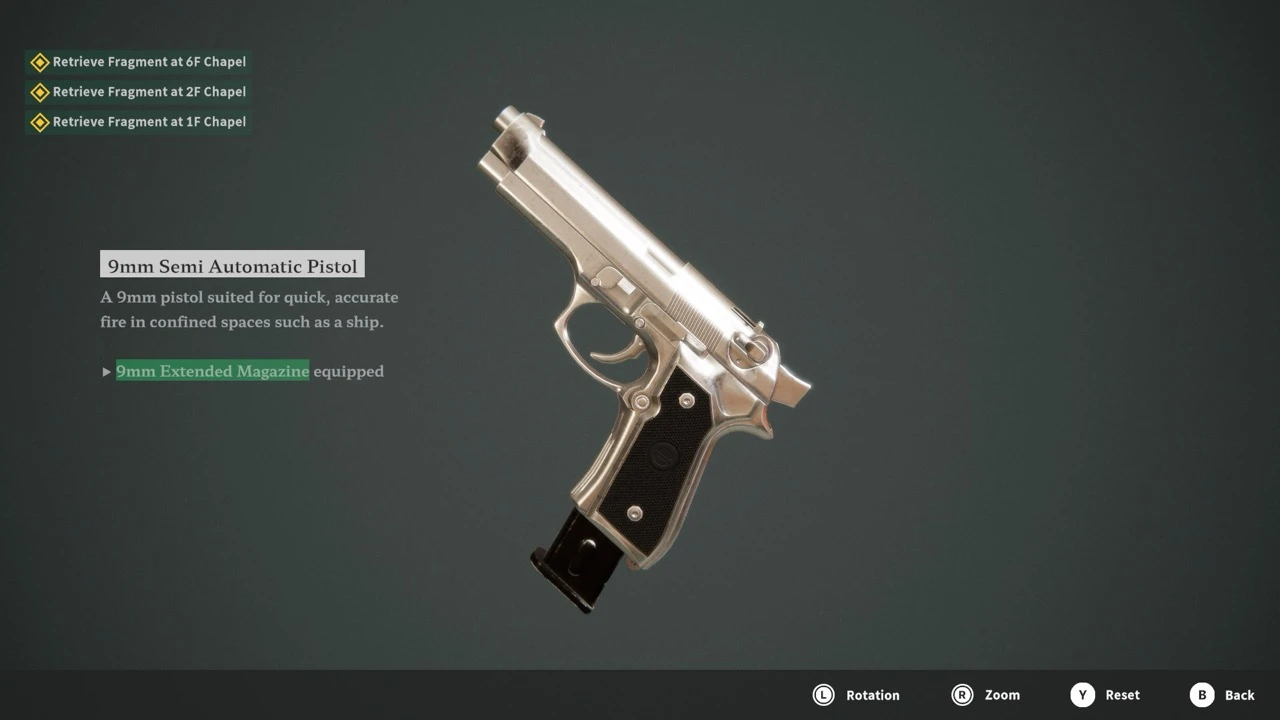
On the ROG Xbox Ally X, SENARA ran smoothly after a couple of tweaks. With FSR enabled, performance remained stable enough for an enjoyable handheld experience and the game still looked great on the smaller display. The dark corridors, dense machinery and moody lighting all held up well, while the controller layout felt natural for exploring, aiming and managing items.
SENARA: The Sacrament is at its strongest when it lets you feel lost inside a real ship with something terrible moving through the next corridor. The setting is distinctive, the cult mystery is compelling and opening more of the vessel creates a steady pull forward. Its later reliance on plentiful supplies and endlessly recycled monsters weakens the survival side of its horror, but the ship and the secrets buried inside it are still worth exploring. Thanks for reading!