Fear The Timeloop is exactly the kind of ambitious budget survival horror game I love, using one clever mechanic to make a familiar formula feel fresh
I love survival horror games, but you know what I love even more? Budget survival horror games that punch above their weight with an interesting idea or unexpected production value. The Black Ice recently scratched that itch, but Fear The Timeloop is a stronger example of why I keep giving smaller horror games a chance.
You can see where the budget ran out. The voice acting ranges from flat to overdone, conversations do not always sound natural, and character animations look stiff. Get past those rough edges, though, and everything that matters works. The environments and lighting build a thick atmosphere, the puzzles satisfy, and the combat gives dangerous rooms some real bite.
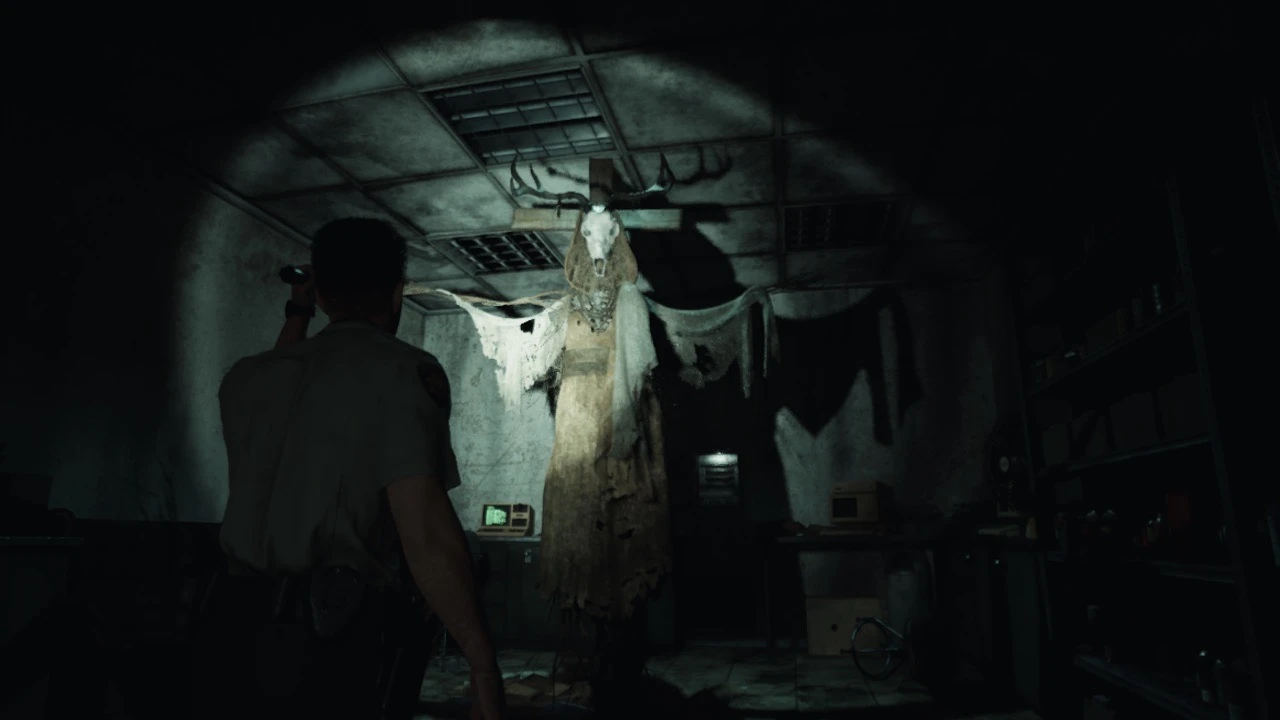
You play as Sheriff James Cooper, who wakes up badly wounded in a rundown hospital while pursuing a serial killer. He has only 15 minutes to live. When time runs out, he dies and wakes up in the same bed, trapped in a loop. It is a fantastic setup that gives an otherwise familiar hospital constant pressure.
Death does not erase everything. James keeps the knowledge he gathered, including text and audio notes, so every run teaches you something useful. A code discovered during one loop may open a faster route during the next. Instead of making death feel like lost time, the game turns information into progression.
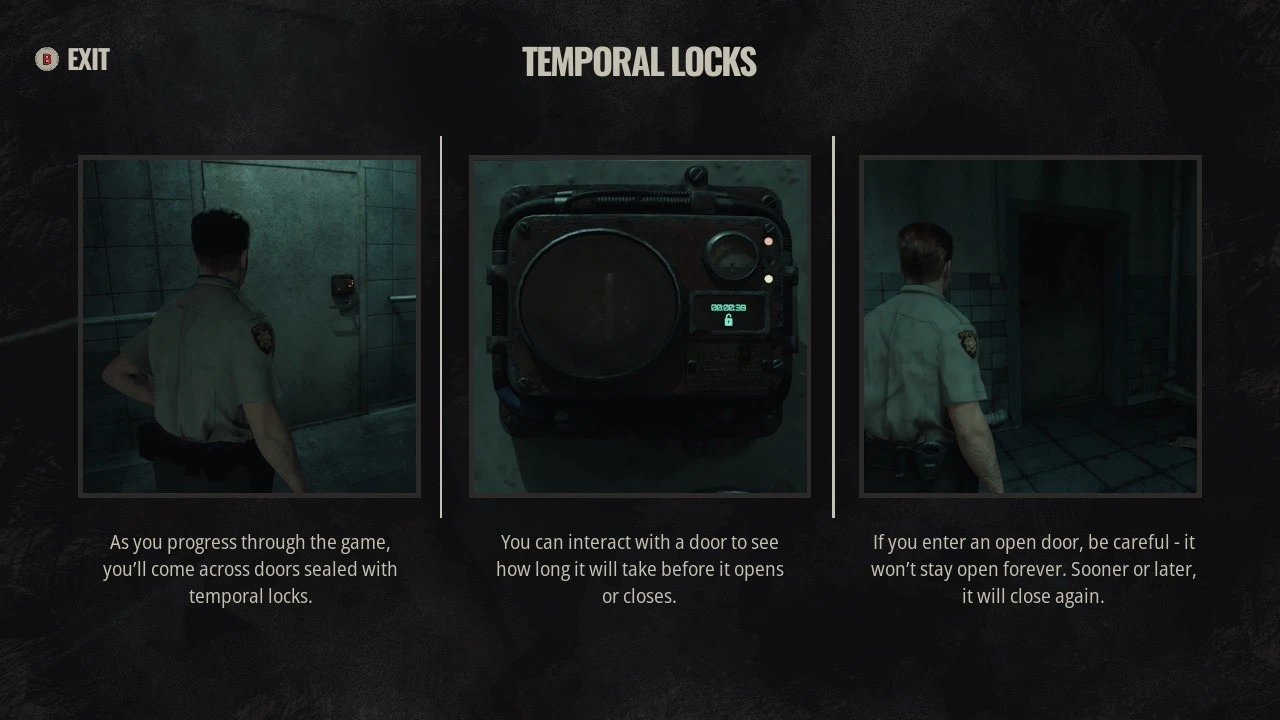
The smartest expression of that idea comes from sets of locked doors. During a run, you may only open one while losing access to the other until the loop resets. One choice might reward you with a gun that makes the next stretch easier. The other could hold a key, supplies, or a hint toward another path. That uncertainty makes the decision matter without overcomplicating the survival horror structure.
The 15-minute limit is not as strict as the premise makes it sound. The timer is also your health bar, so taking a hit removes precious minutes. Medkits add time back, while completing a chapter refreshes the clock. Play carefully and the countdown becomes manageable. I suspect it may even be possible to finish without engaging deeply with the loop, although I did not test that theory.
Outside that hook, Fear The Timeloop settles into classic survival horror. There are locked doors, keys, codes, fuses, notes, blocked routes, and environmental puzzles. Its map speaks the same clear language as the Resident Evil 2 remake, marking rooms that are locked, blocked, or fully explored. It keeps backtracking readable and lets tension come from what is around the next corner, not wondering where the hell you left an unfinished room.
Combat is good for the most part. Guns sound and feel satisfying, while ammunition matters enough to discourage firing blindly. Running dry does not leave you helpless because James carries a police baton. Bonking enemies with it is surprisingly effective, and it comes in clutch when I want to conserve bullets or finish something already weakened.
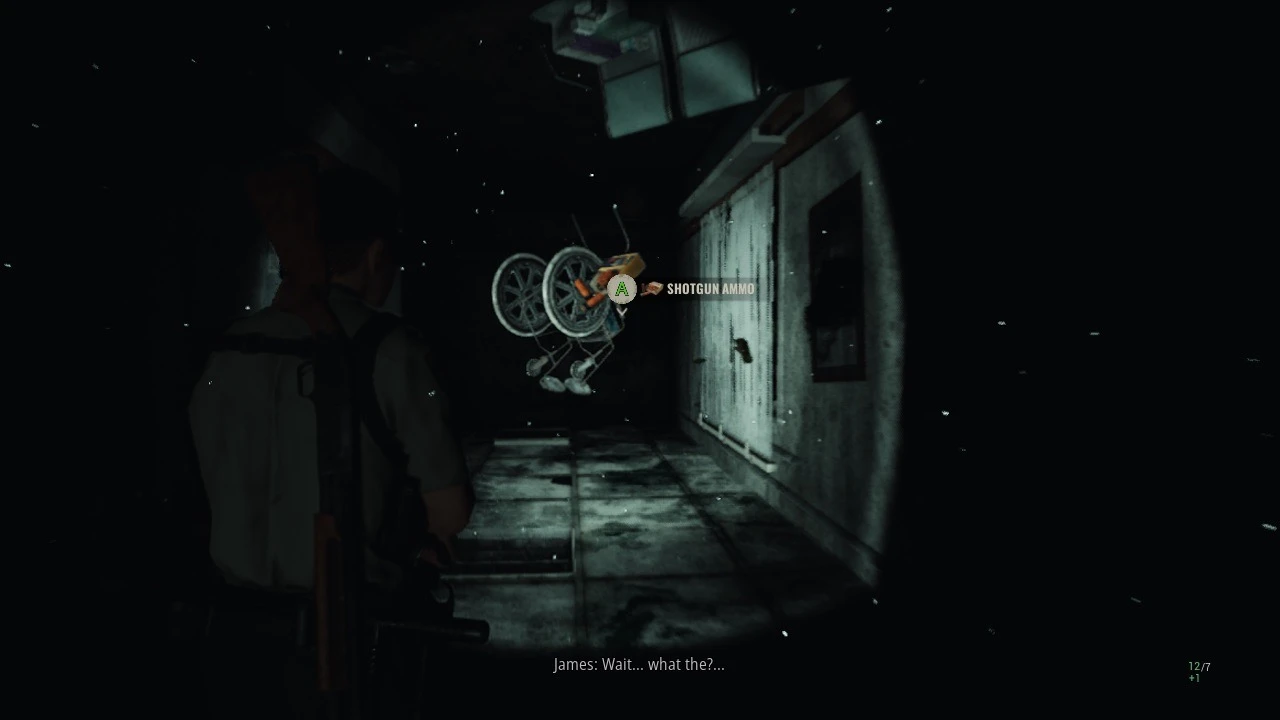
It is not perfectly smooth. Some combat animations lack immediacy, enemies behave awkwardly, and the limited production values show whenever a dramatic scene asks the characters to carry it. Strong performances do a lot for horror, so a voice sounding disconnected from the nightmare can instantly deflate the tension.
Thankfully, the world itself brings the tension back. Saint Heritage Hospital is grimy, dark, and packed with the sort of spaces I cannot resist poking through. Lighting does a lot of the heavy lifting, turning ordinary corridors and cluttered rooms into places where I never quite feel safe. Like Hollowbody, this is a smaller production that understands how much atmosphere can compensate for technical and presentational limitations.
Fear The Timeloop also knows how to pace its scares. It is not constantly screaming in your face or filling every room with monsters. Exploration, puzzles, combat, and the clock feed into one another. Even after learning the layout, a different door choice can change what I have available and how confidently I push forward.
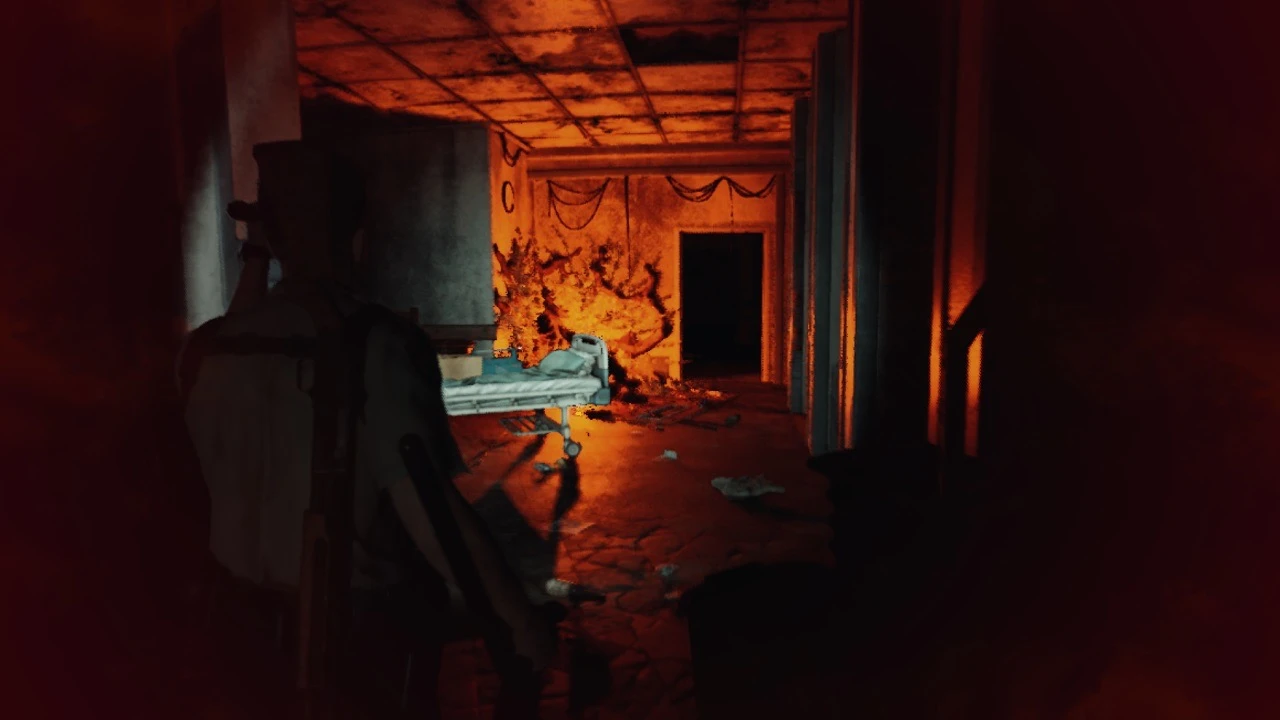
On the ROG Xbox Ally X, the game is a good fit once the settings are adjusted. I had to tweak a few options instead of expecting everything to run flat out, but after doing so I could play at 60fps and enjoy the experience without performance becoming the real horror. The handheld screen also suits the dense interiors and moody lighting surprisingly well, making this an easy game to pick up for one more loop.
That loop elevates Fear The Timeloop above another Resident Evil-inspired indie. The countdown, health system, retained knowledge, and mutually exclusive doors give familiar ideas a distinct rhythm. Death often left me thinking about what I could do differently instead of reaching for the quit button.
Fear The Timeloop is rough, ambitious, and easy to like. Better voice acting and smoother character animation would have made its story far more convincing, and the central mechanic could matter more for careful players. Still, the atmosphere, lighting, puzzles, map design, and satisfying combat deliver the survival horror experience I wanted. This is exactly the sort of budget game I love discovering: familiar at first glance, but confident enough to bring one genuinely smart idea of its own. Thanks for reading!