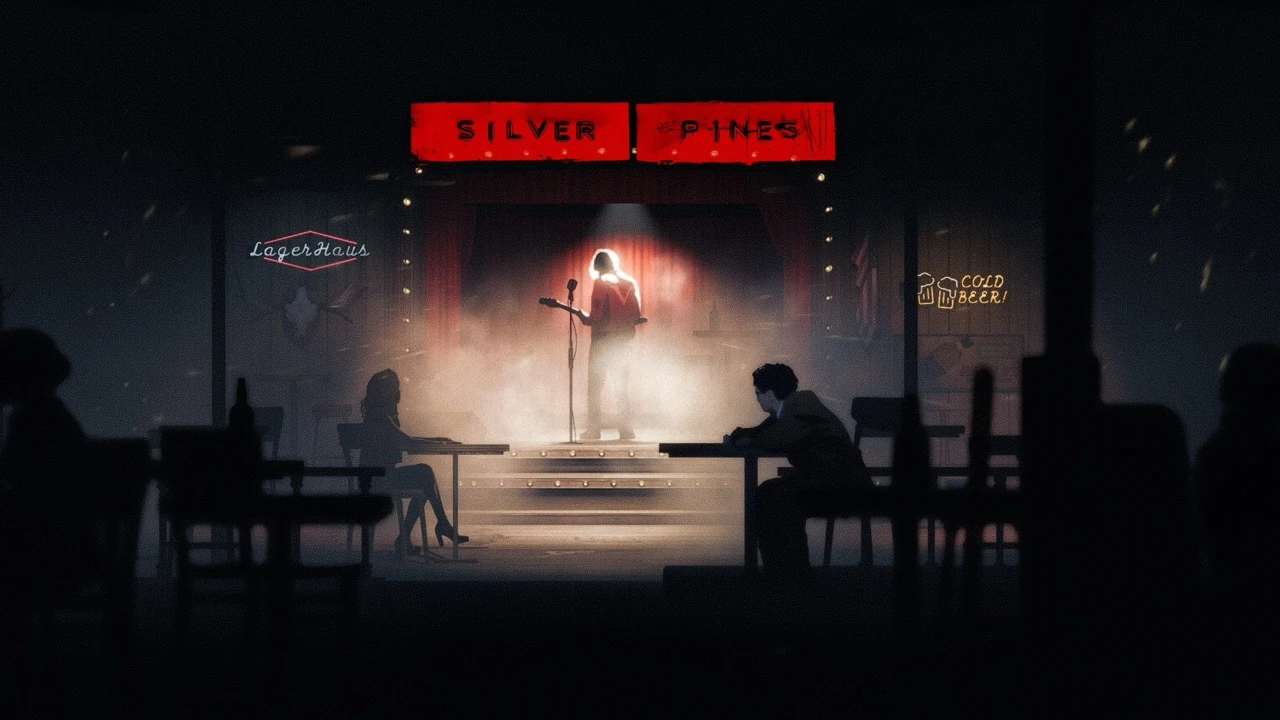
Silver Pines is a gorgeous, unsettling survival horror game whose interconnected world makes every new tool feel like a revelation
I adore Silver Pines. It takes the resource management and dread of survival horror, puts them in a sprawling 2D town, and gives me a mystery I wanted to pull apart at every opportunity. Its hand-drawn look is immediately striking, but the real achievement is how confidently the story, combat, and exploration fit together.
You play as Red Walker, a private investigator who wakes in an abandoned diner with little memory of how he got there. A call on the payphone gives him a job: find Eddie Velvet, a missing musician with a troubling connection to the town. That setup quickly becomes something much stranger. Silver Pines has the small-town unease of Twin Peaks and the supernatural mystery of Alan Wake 2, but it has enough personality to stand on its own.
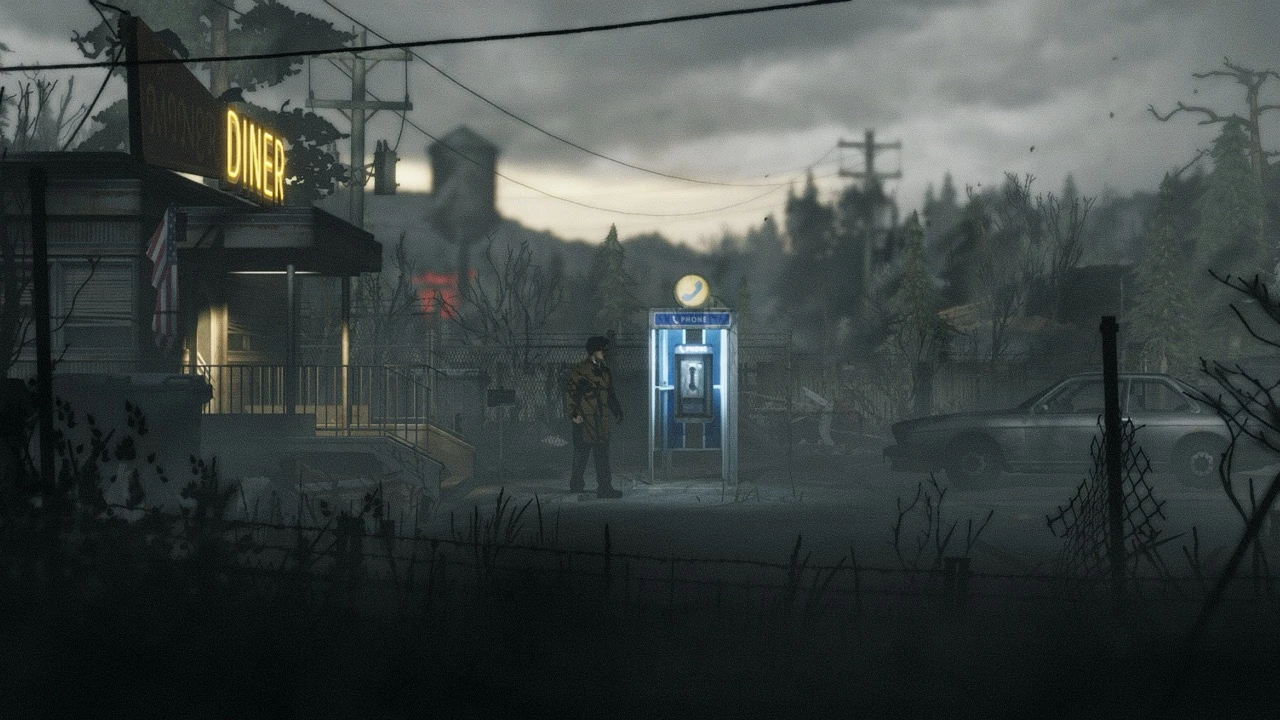
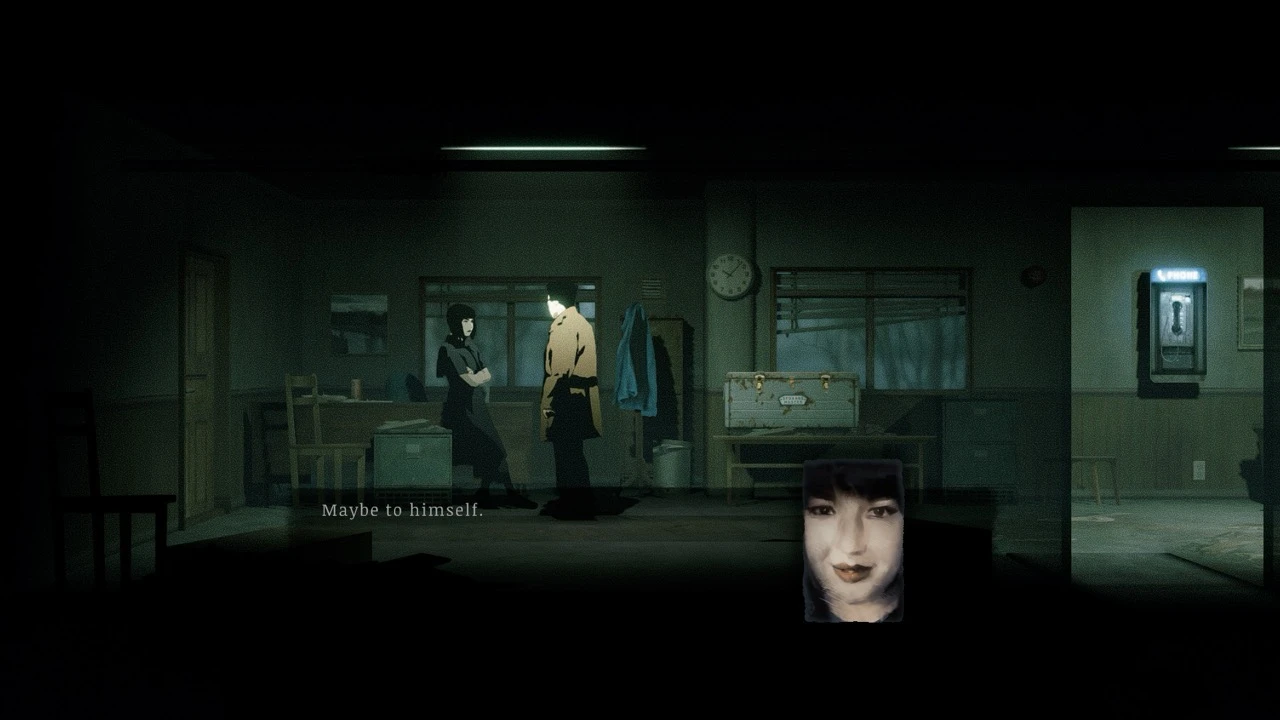
The story kept me asking what the hell was going on, in the best possible way. The people Red meets can be helpful, evasive, or simply too odd to trust. Excellent voice acting gives those encounters weight, whether someone is offering a clue or making me question why Red is here at all. I do not want to unpack the twists, because piecing together what happened is a huge part of the pleasure.
Survival horror already shares a lot of DNA with metroidvanias. Both genres love a locked route, a missing tool, and the promise that you will eventually return with a new way through. Silver Pines leans into that overlap more fully than most. The town is one interconnected space that invites you to explore and backtrack at your own pace. Some paths need a crowbar; others hold firm until you find a sledgehammer. Returning equipped to break through is consistently satisfying.
That freedom changes how I think about the map. In a game like the Resident Evil 2 remake, I am usually working through a substantial location before the story carries me onward. Here, the town remains a web of possibilities. I could follow the next lead, revisit a suspicious dead end, or hunt for supplies. New tools open several options at once, and the pacing of those discoveries is excellent.
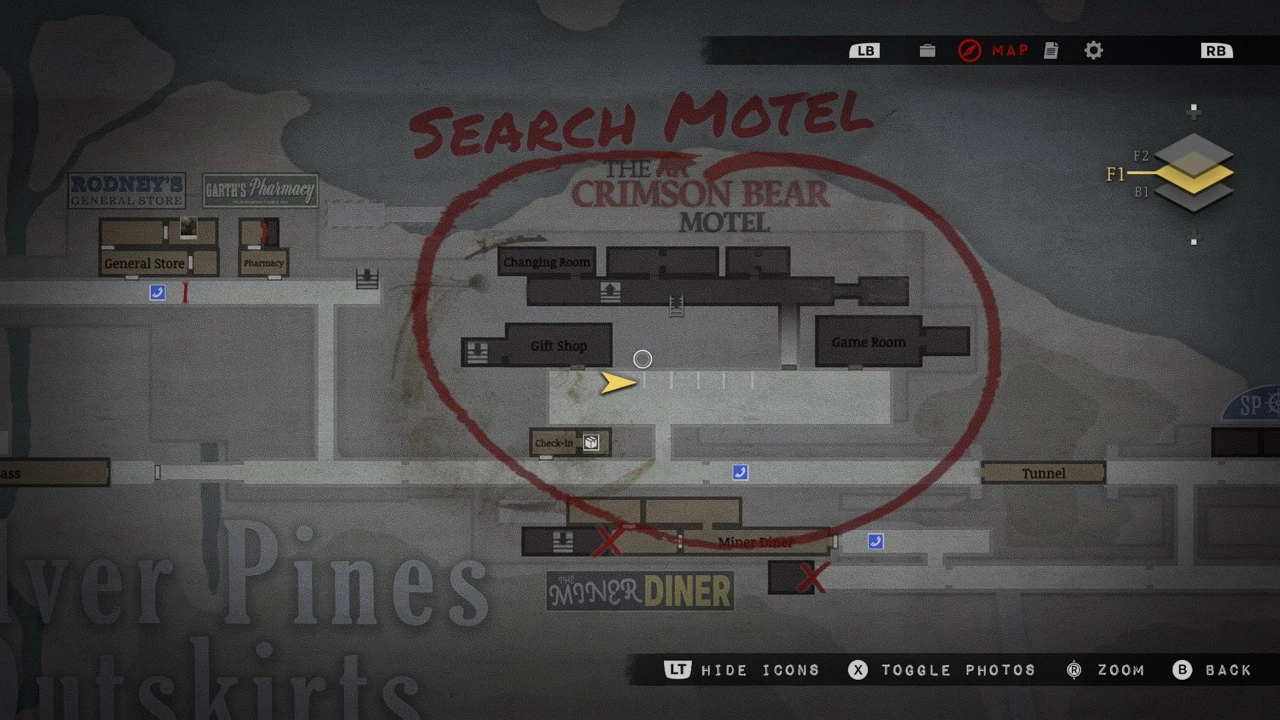
The map has one of my favorite navigation ideas in the game: Red's camera. Sure the map marks blocked routes for you, but you can photograph an obstacle and have that image appear on the map. Later, instead of trying to remember whether a red mark meant a locked door or a wall I could smash, I could look at the picture. The camera also captures clues, including writing on walls that may matter when a puzzle appears later. It turns backtracking into recognition rather than guesswork.
Silver Pines borrows the interconnected structure of a metroidvania without turning Red into an acrobat. He does not gain a double jump or an air dash. Progress mostly comes from equipment and a better understanding of the town. Equippable trinkets provide useful buffs, while one that extends how long Red can swim opens a few additional routes. I appreciate that restraint. The game gets the pleasure of revisiting old spaces without losing its survival horror identity.
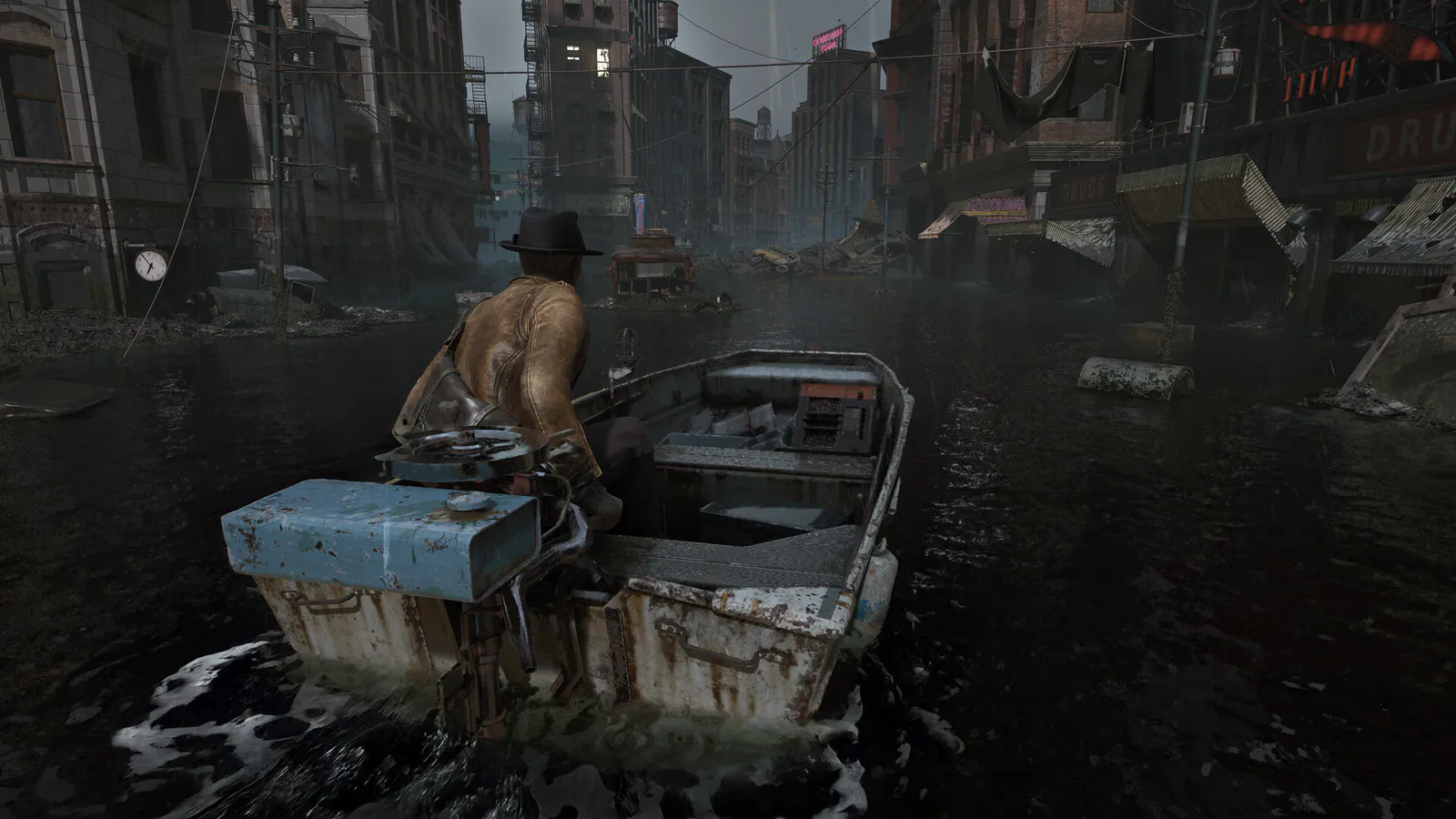
Every detour can pay off in a more immediate way, too. Inventory expansions are tucked away in places you might miss, and each one makes a real difference when weapons, ammunition, healing supplies, crafting materials, and key items all compete for room. The limited space forced me to think about what I carried, but finding an upgrade made exploration feel worthwhile. The Sinking City 2 gave me a similar urge to clear every corner for attachments and extra capacity. Silver Pines builds that urge into a town I can keep circling back through.
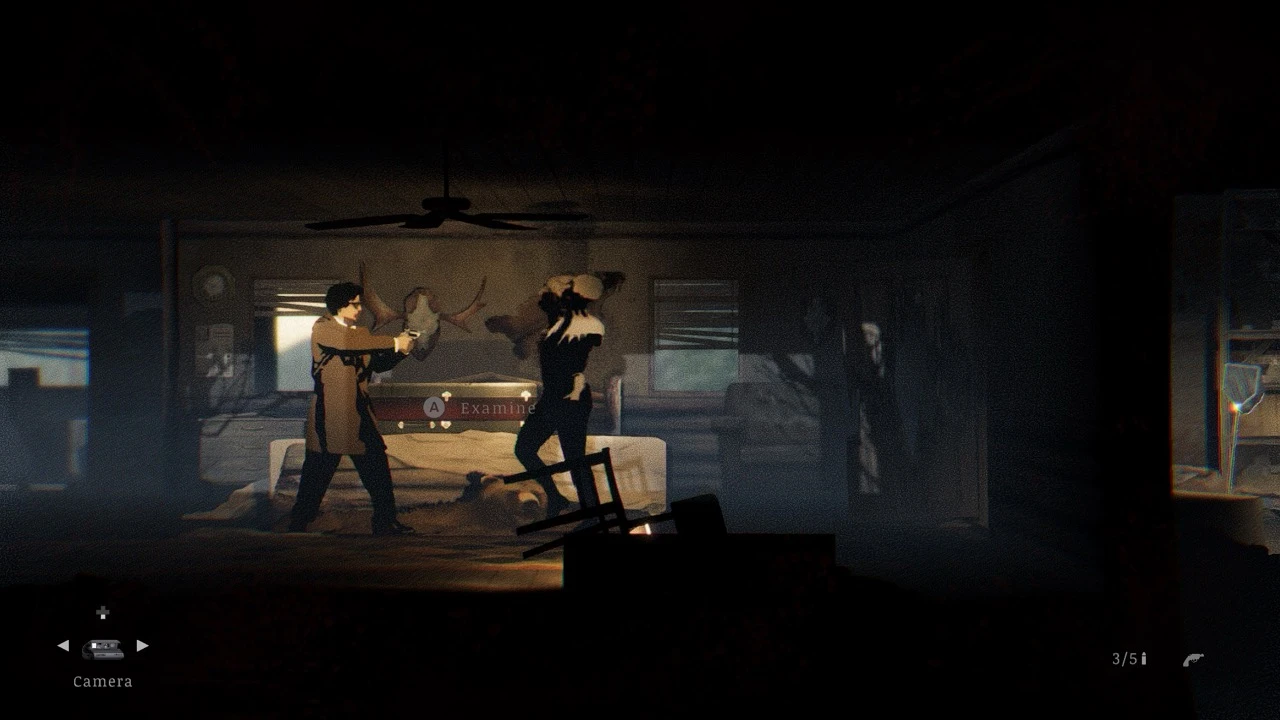
Combat has the crunch to support all that wandering. Red plants his feet when firing, then aims up or down to line up a shot. Headshots matter, and the guns have terrific sound and impact when they connect. There are plenty of firearms to find, but getting a new one is only part of the fun. Hidden attachments let you improve them, such as a laser sight for the 1911. Weapon kits can reshape a gun entirely. Converting a double-barrel shotgun into a sawn-off version, for example, cuts the inventory space it needs in half. That is a clever upgrade when every slot counts.
Melee gives you another option, albeit there's a stamina bar, when you want to save bullets, and the dodge lets you slip past an enemy instead of committing to a fight. Melee weapons wear down, so duct tape and repair kits have a genuine purpose. Crafting adds another layer to the decision of what is worth picking up and carrying. These systems could have felt like a pile of genre checkboxes, yet they reinforce one another. I was always balancing the appeal of a stronger loadout against the space needed to bring it along.
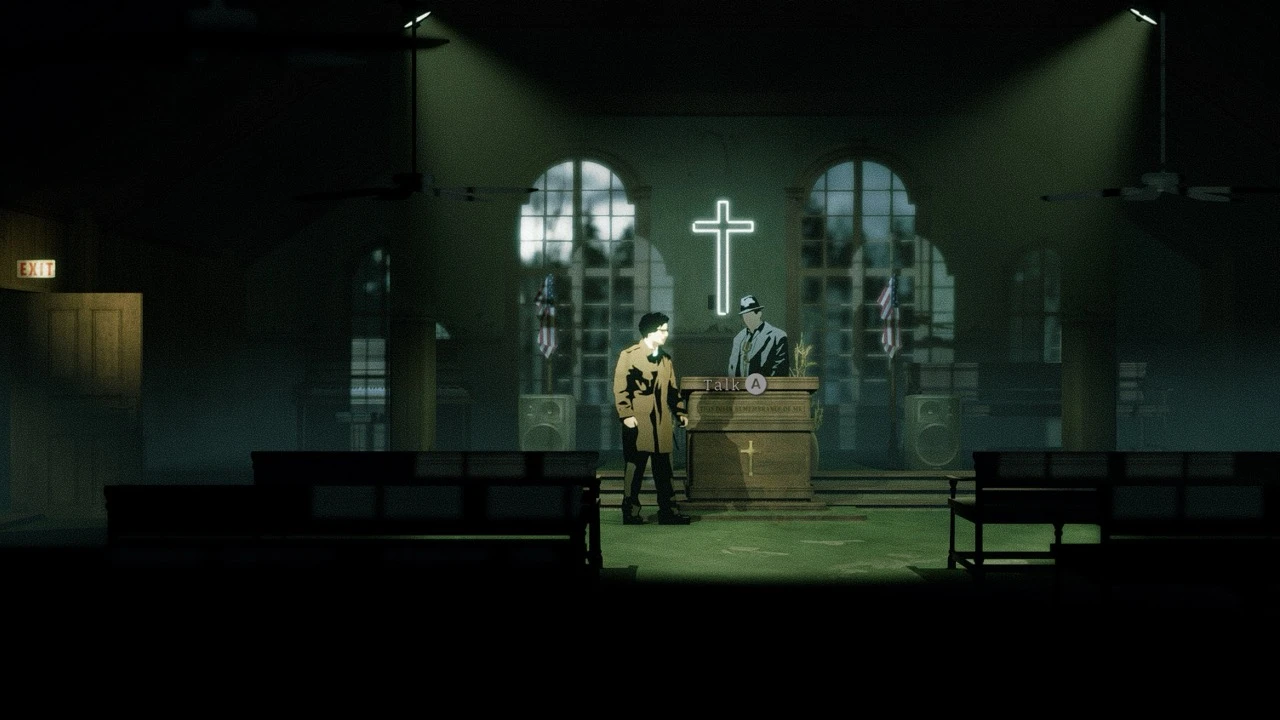
The one part I would tune is the boss fights. Some attack so relentlessly that a dodge needs to be almost perfectly timed to avoid damage. That can feel harsher than the otherwise measured combat, especially when resources are tight. It never spoiled the game for me, but a little more breathing room would make those encounters fit the surrounding experience better.
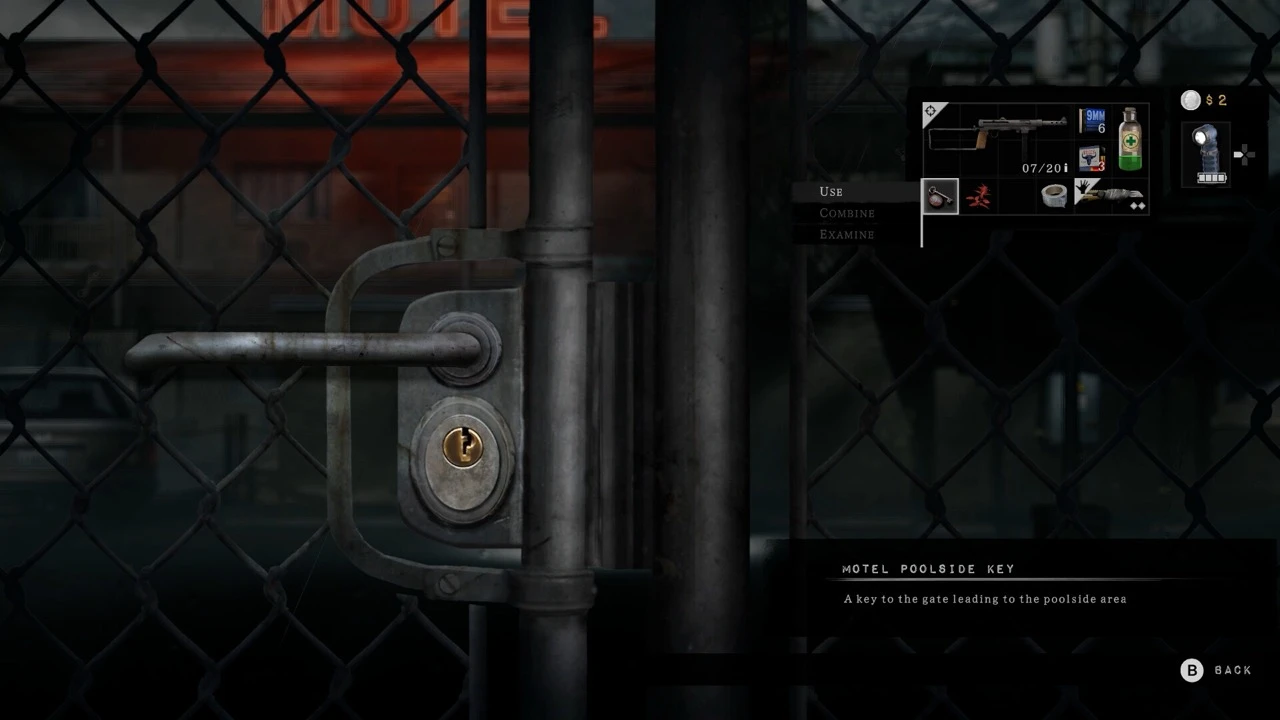
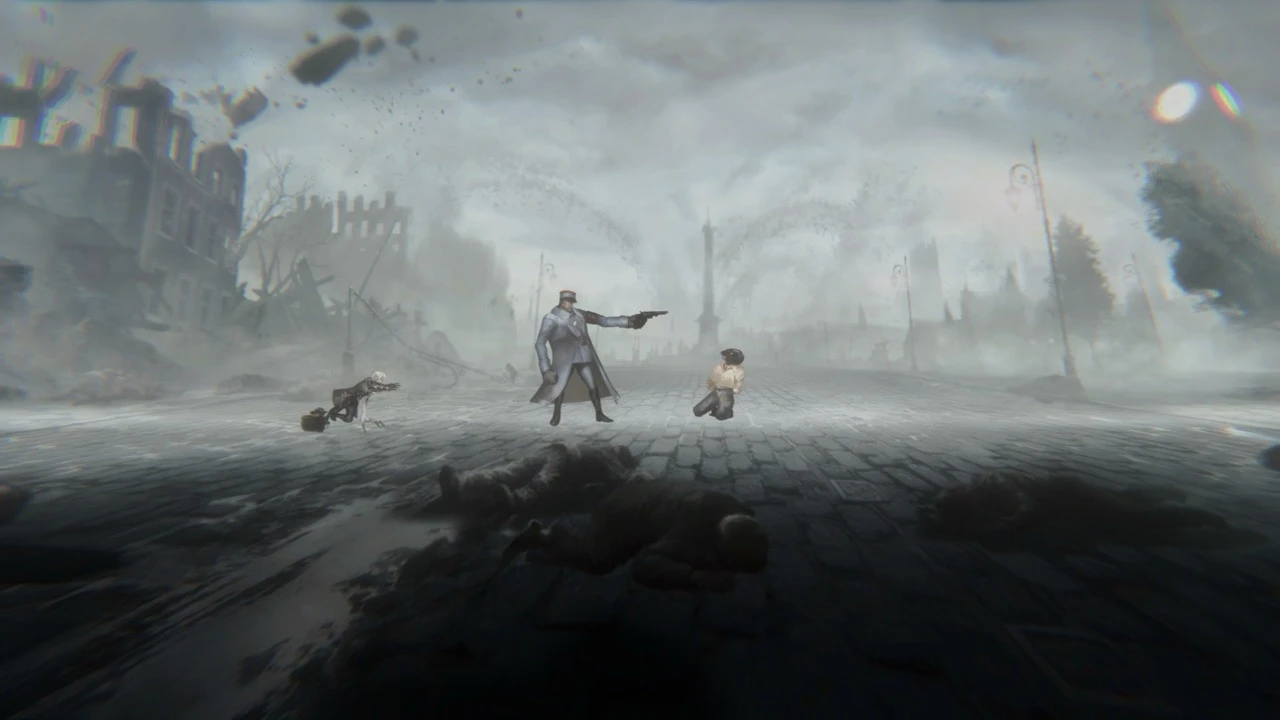
Visually, Silver Pines is stunning. Rotoscoped animation gives Red and the creatures an uncanny, almost human movement that suits the story's off-kilter tone. The backgrounds are just as important. Rooms, streets, and abandoned corners are full of details that suggest what happened here without stopping to explain everything. I often slowed down simply to look around, even when I knew the next objective was somewhere else.
I played the PC version on a ROG Xbox Ally X. Performance was good in handheld mode and better while connected to power. I did spot occasional frame drops with the device's performance overlay running, although they rarely interrupted normal play. The deliberate pace and 2D presentation made those dips much easier to live with than they would be in a fast shooter. I could settle into the atmosphere and keep exploring without the hardware drawing much attention to itself. Plus I am sure I could get more performance if I take the graphics down to medium so there's always that.
What stays with me most is how naturally Silver Pines ties its ideas together. A new tool changes the map. The map reminds me of a photographed obstacle. Returning to that spot leads to an inventory upgrade, an unsettling conversation, or another clue about Eddie. The town keeps rewarding curiosity, while its horror gives every return trip a little tension. Even the familiar survival horror routines feel fresh within that loop.
I went in hoping for a clever blend of two genres and came away with one of my favorite games of the year. The bosses can be punishing, and the Ally X has occasional dips, but neither issue took much away from the mystery, the remarkable art, or the simple joy of finding a new way through Silver Pines. I loved nearly every minute of it of the 14 hours it took me to complete. An essential game. Thanks for reading!
PS: I got two endings. I wonder if there are more...