The Sinking City 2 is a phenomenal Lovecraftian survival horror game that understands exactly what makes exploring a doomed city so difficult to put down
I never played the original The Sinking City, so I went into this sequel without any attachment to its world or expectations about what Frogwares should keep or change. I knew a little about the publishing dispute surrounding the original game, and I knew the Ukrainian studio had been developing this one while war continued around it. Even with that context, I was not prepared for how polished, confident, and downright excellent The Sinking City 2 would be.
This is a standalone story with a new protagonist, so missing the first game does not matter. You play as Calvin Rafferty, an occult adventurer who arrives in the flooded city of Arkham searching for a way to save Faye Bennett. A ritual has trapped her soul in the Dreamlands, while something far worse has happened to her body. Cal is willing to go through literal hell to get her back, and that simple, deeply relatable motivation gives the cosmic horror a surprisingly human heart.
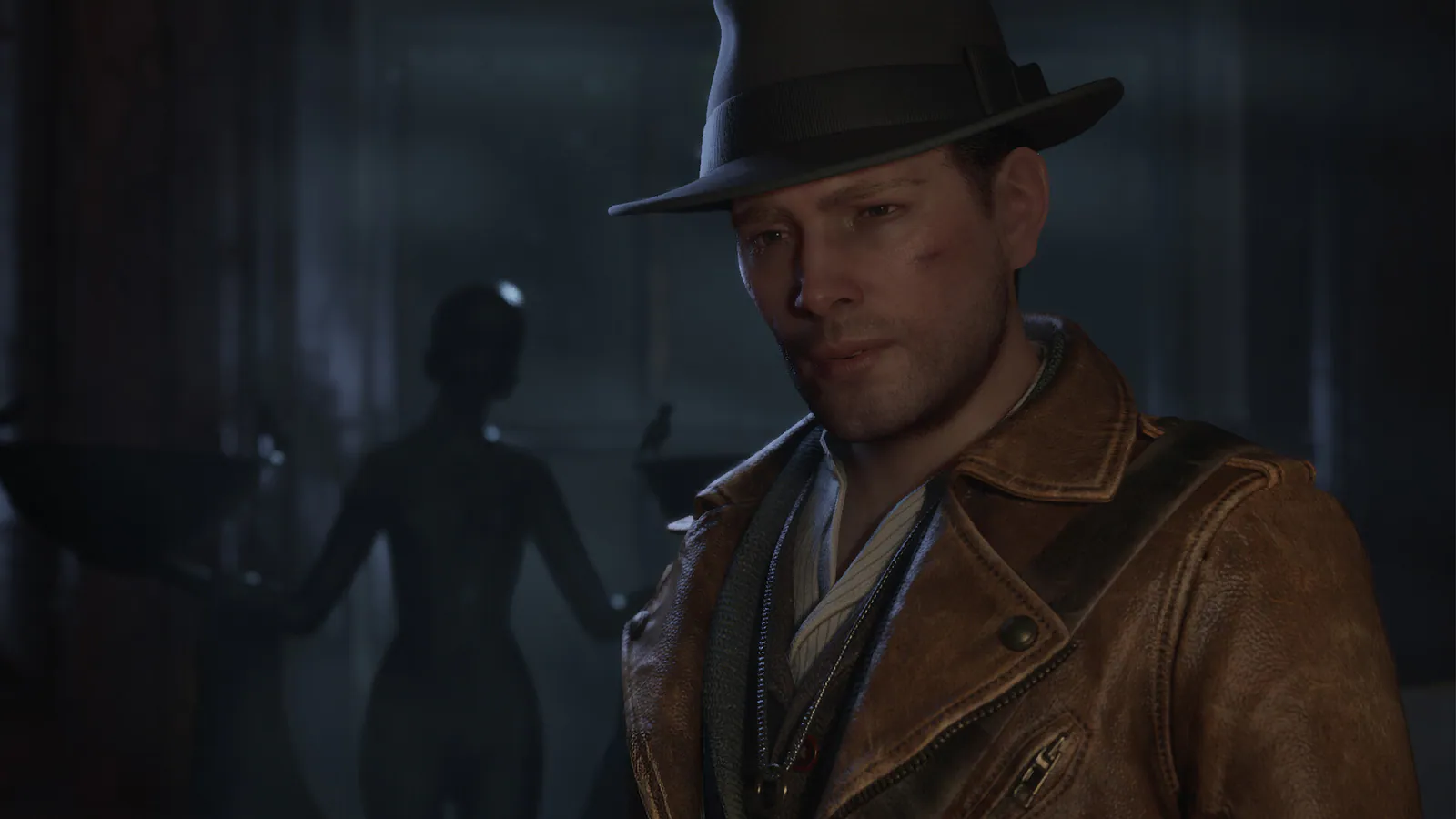
The relationship between Cal and Faye is easily one of my favorite parts of the game. Between all the monsters, rituals, flooded streets, and impossible horrors, there are quiet moments where the two simply talk. The dialogue is very well written, their connection feels real, and Cal is not afraid to crack a joke when the moment allows it. Those lighter lines never destroy the mood. They make him feel like a person trying to hold himself together while the world becomes increasingly unrecognizable.
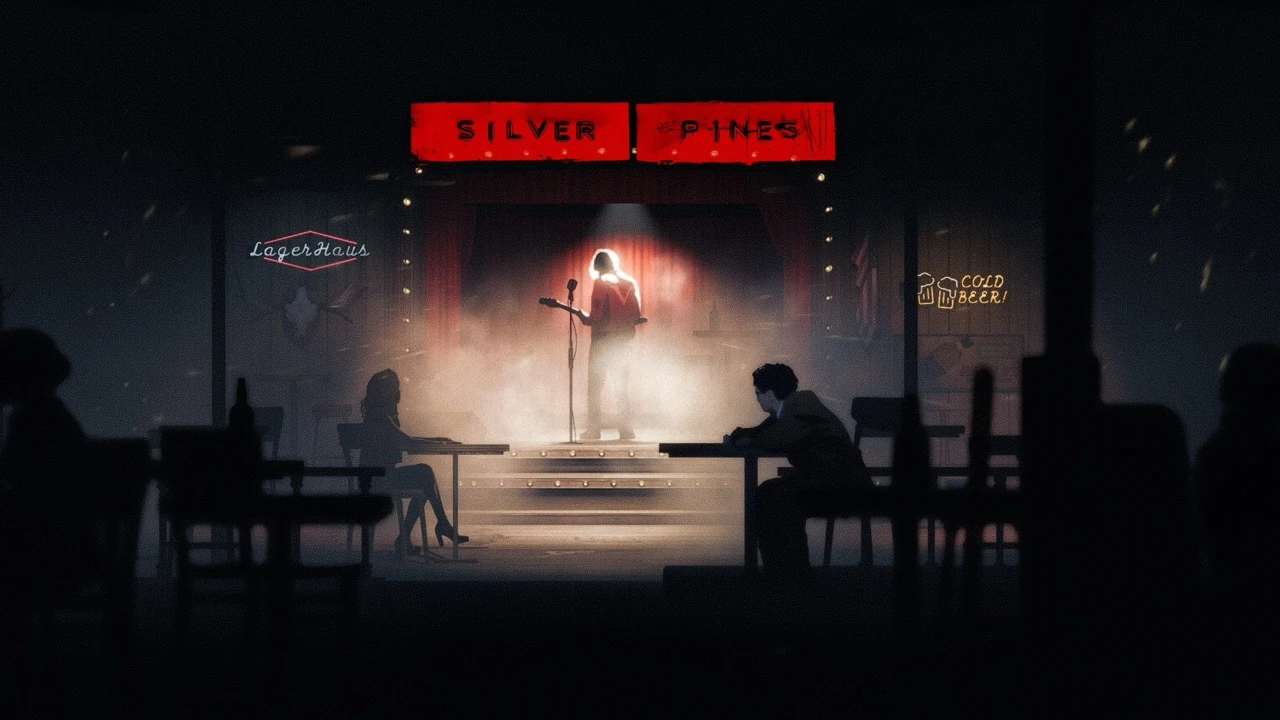
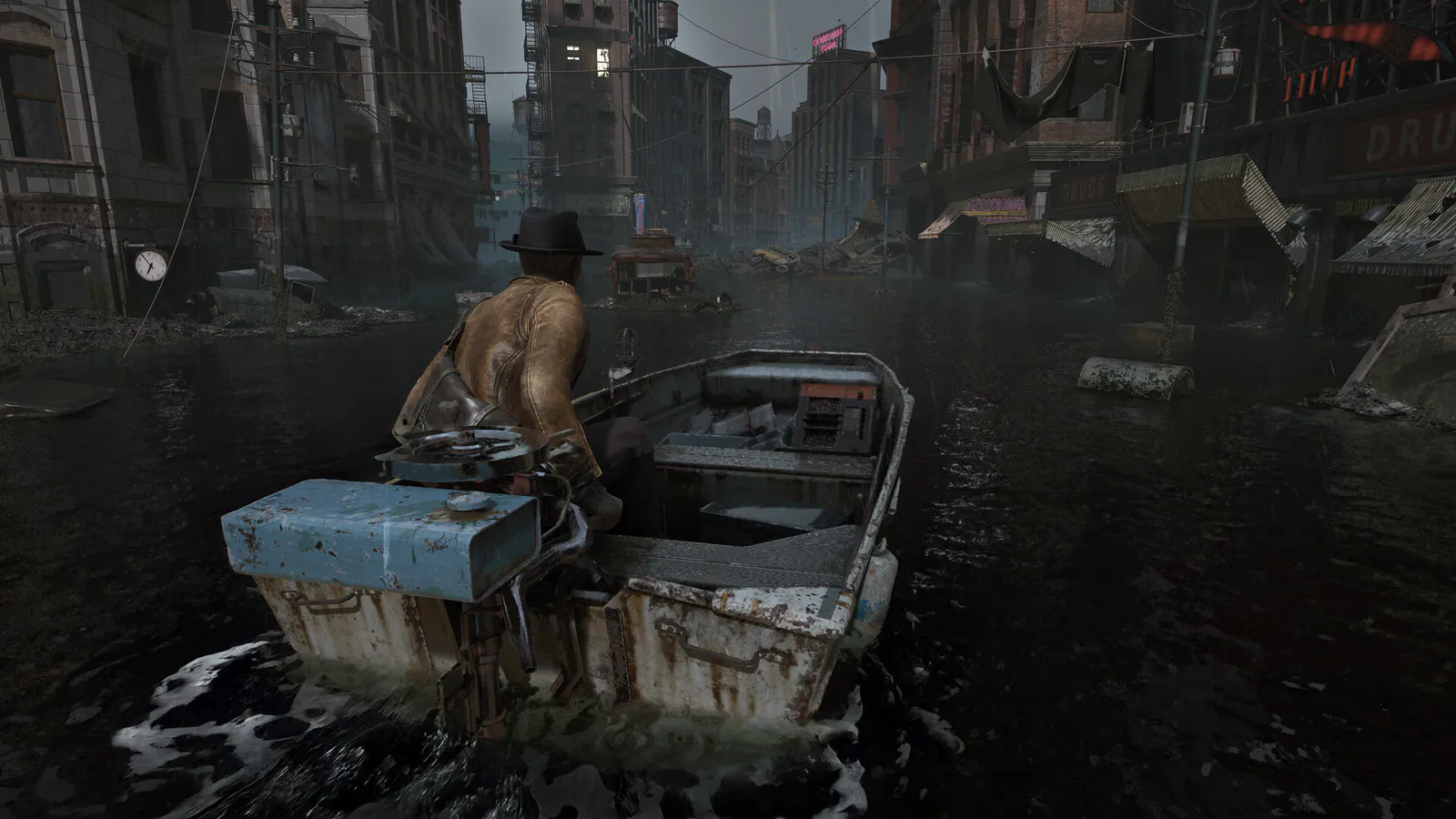
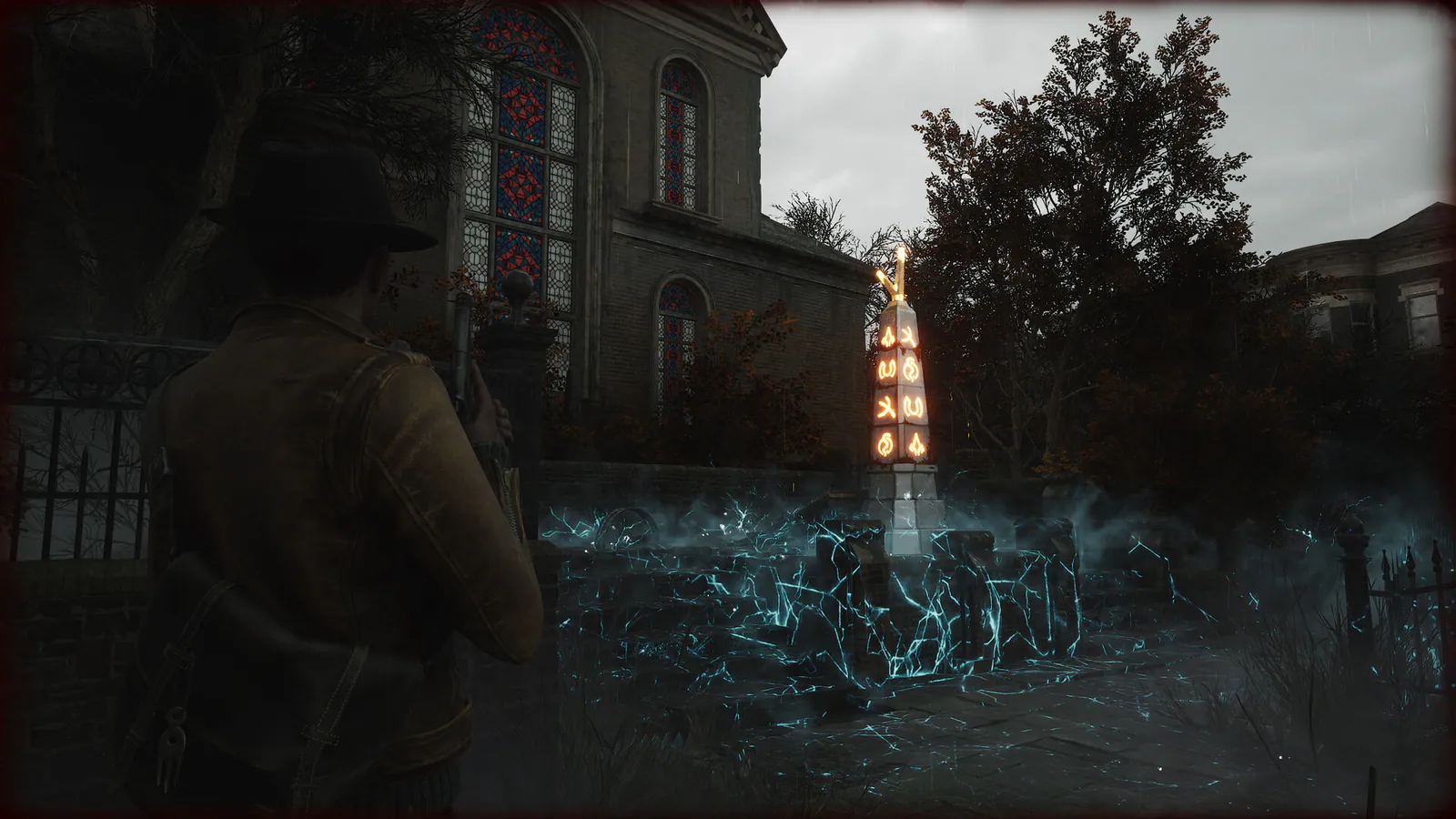
Arkham itself is incredible. The city is decrepit, waterlogged, and slowly disappearing beneath a supernatural flood. Streets have become canals, buildings are rotting from the inside, and signs of ordinary life sit beside evidence that something unspeakable has moved in. Twisted humans, reanimated corpses, strange sea creatures, and larger cosmic horrors roam its abandoned rooms. The visual design makes every new location worth seeing, but the layout is what made me want to search every corner.
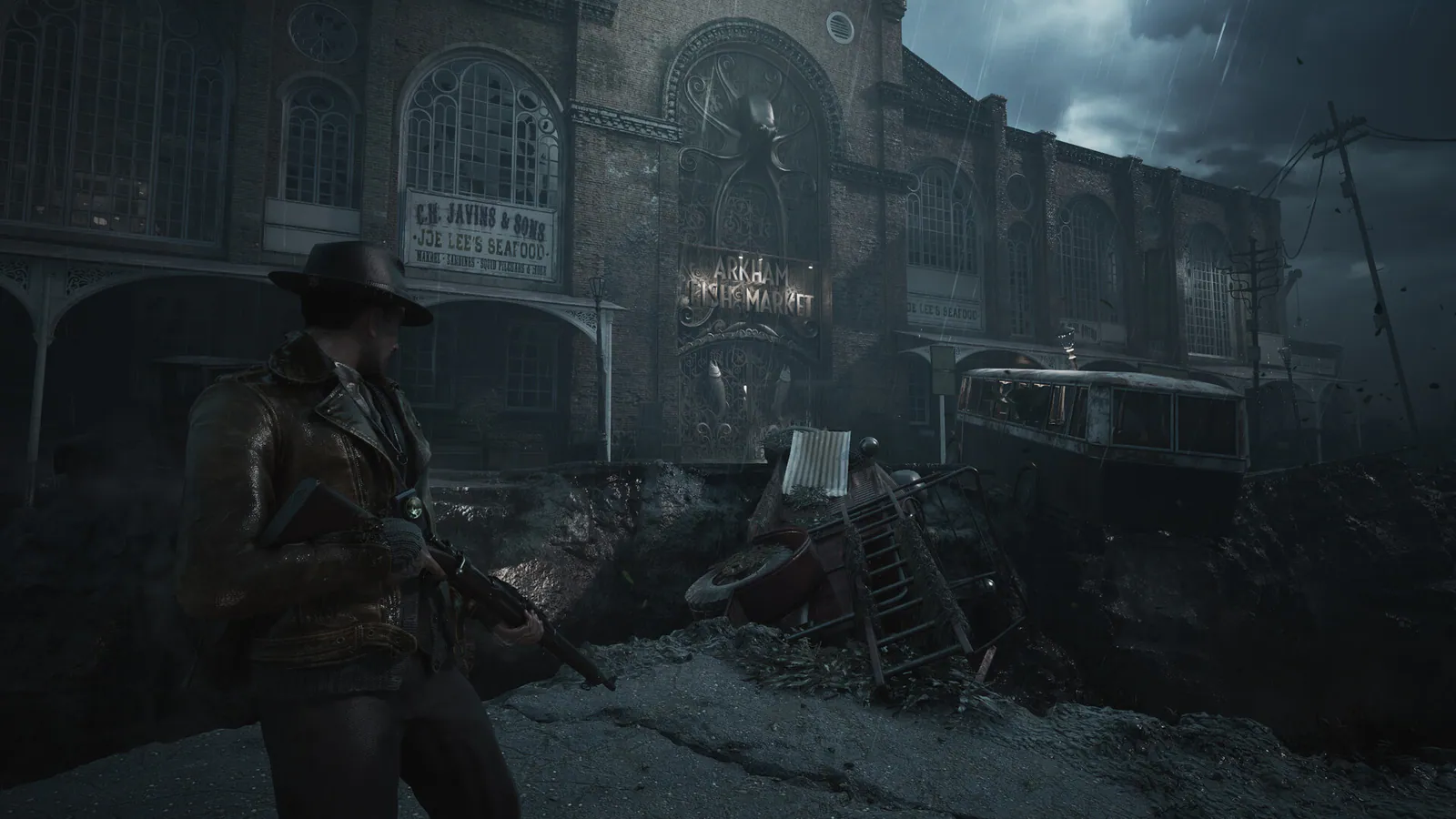
The easiest comparison is the Resident Evil 2 remake, and The Sinking City 2 earns it in almost every part of its design. Cal has that deliberate survival horror movement. He pushes doors open carefully, runs with just enough weight, dodges lunging monsters, and handles weapons in a way that makes every encounter feel dangerous. Rooms wrap around one another, locked paths eventually become shortcuts, and the map turns blue after you have collected everything in an area. There is even an obligatory bolt cutters section. Frogwares clearly studied the formula, but it understands why these ideas work instead of simply copying the surface details.
Exploration is constantly rewarded. I wanted to open every container, find every weapon attachment, and clear every room even when doing so meant risking precious ammunition. Inventory space is extremely limited, especially early on, so deciding what to carry becomes part of the tension. Weapons, healing items, crafting materials, ammunition, and key objects all compete for the same few slots. Inventory expansions help, but finding one feels like a major victory rather than a routine upgrade.
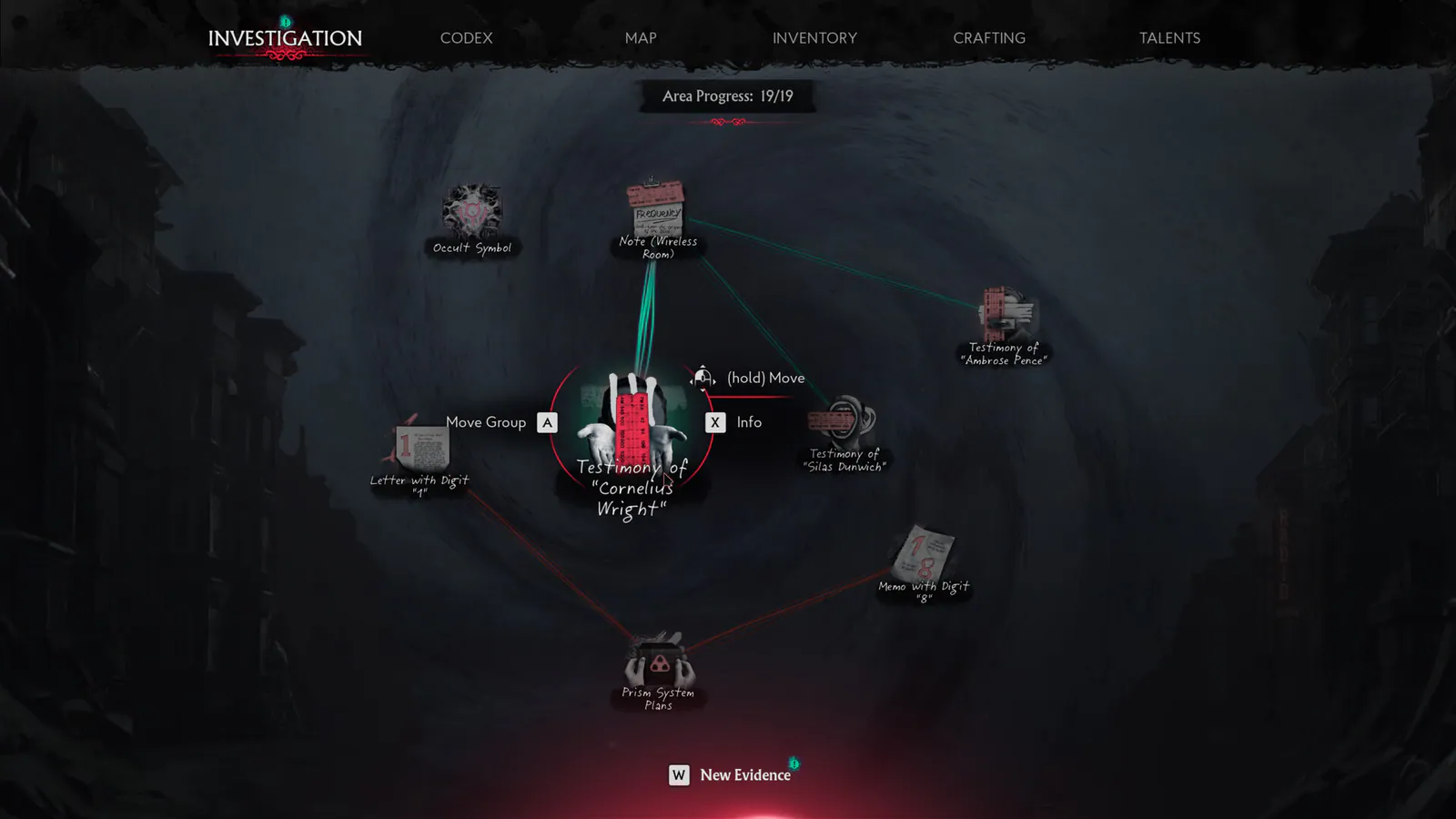
The investigations are another highlight. Frogwares has reduced the detective focus compared with the first game, but the studio's experience still comes through in the way clues and puzzles fit together. You might find a safe note explaining that its code is the year a church bell was installed. Another document tells you when the church was built, which looks like the answer until the code fails. Explore further and you discover that the bell took another half decade to complete. Now you have the real code. The game repeatedly asks you to connect information like this, and I loved every one of those little deductions.
Combat also feels good, with pistols, shotguns, and heavier weapons that have real weight. Glowing weak points give you obvious targets, bosses make strong use of those vulnerabilities, and attachments offer worthwhile reasons to explore away from the main path. The problem is that many enemies are extremely fast. Some absorb far too many bullets, and bullets are exactly what you rarely have. Trying to track a creature charging across the screen is already difficult, and doing it at 30fps on a handheld makes it worse.
Melee combat does not provide a particularly satisfying backup plan either. It works when you need to save a round or finish something already weakened, but I never trusted it enough to build an encounter around it. Luckily, survival horror taught us the perfect answer decades ago: run away. Dodging an attack, squeezing past the monster, and escaping through the nearest door often works wonders. Not every creature needs to die, and learning when to fight is just as important as learning how.
There is also a perk system built around a mask. Dream Essence unlocks talents that can then be equipped, creating the suggestion that Cal's build will meaningfully evolve. In practice, I rarely felt a clear difference. The system is there, and there are not enough resources to unlock everything in a single playthrough, but most upgrades lack the immediate impact of a larger inventory or a new weapon attachment. It is one of the few parts of the game that feels underdeveloped.
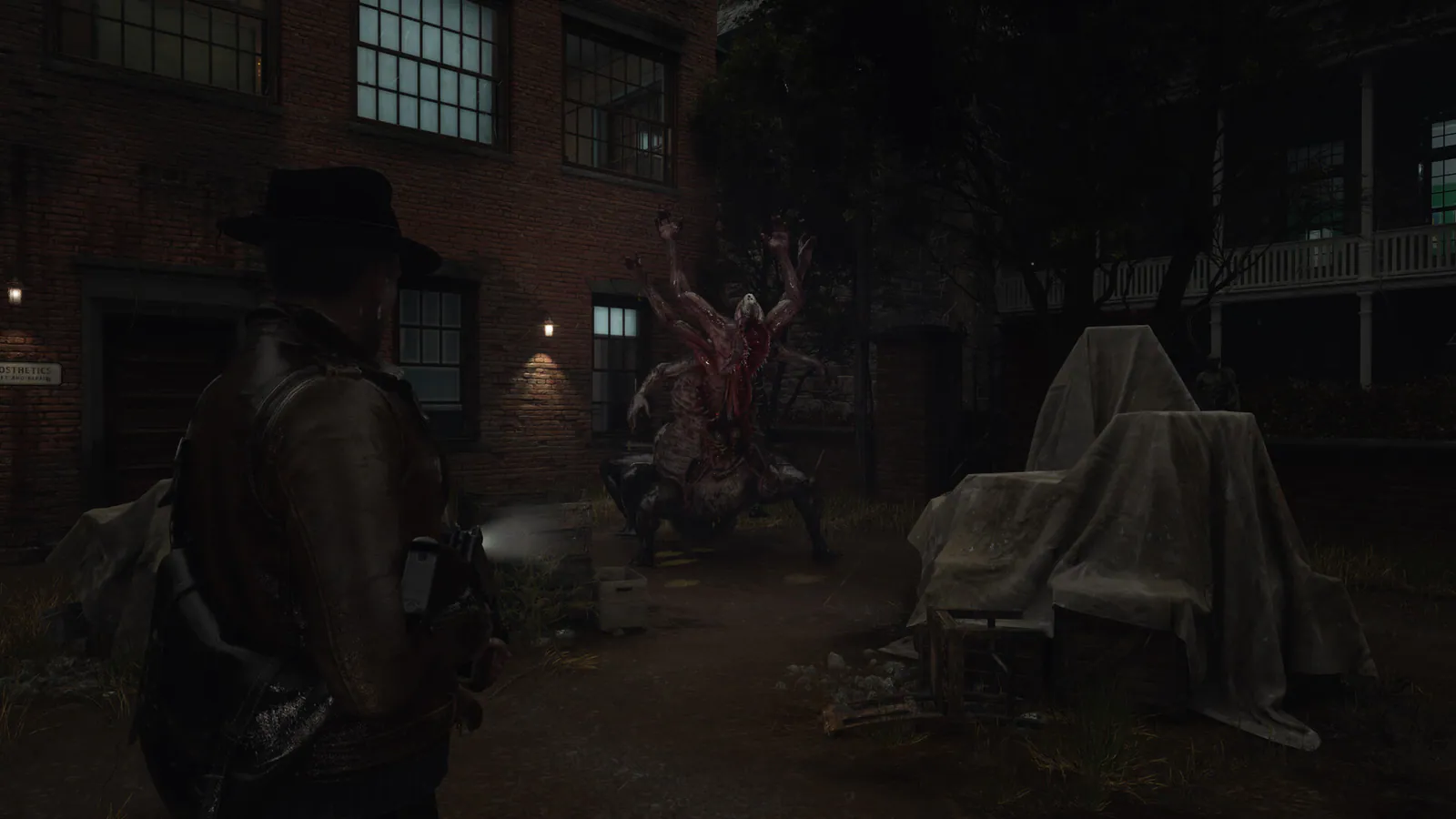
Unfortunately, the ROG Xbox Ally X is where the other major compromise appears. The Sinking City 2 runs on the handheld, but it does not run particularly well. Left unlocked at 720p, medium settings, and with resolution scaling in the mix, performance generally hovered above 40fps. The image could look grainy, and hitches or drops were common enough to notice. Locking the game to 30fps creates a more consistent experience, but then you are playing a modern third-person shooter at 30fps, which simply does not feel good.
One important note is that the screenshots throughout this review are official PC screenshots, not captures taken on the Ally X. Trying to represent a 720p game running at 30fps with still images does it no favors. Captures look much rougher than the game feels while you are actually playing it. On the smaller handheld display, with everything moving, I did not notice the softness or every little drop nearly as much. The environments, lighting, wet surfaces, and disgusting creature designs still looked fantastic in my hands.
Even so, the Ally X is clearly not the ideal way to experience such a demanding modern game. If you have the choice, play The Sinking City 2 on PS5, Xbox Series X|S, or a beefier PC. It is playable and surprisingly enjoyable on the handheld, but better hardware will give this stunning world the image quality and smoother performance it deserves. I was able to overlook those compromises because I needed to see the next part of Arkham and find out whether Cal could save Faye.
My final game summary claimed I finished in under eight hours, although my real playtime was closer to 13. Whatever the internal timer counts, this is a focused adventure with enough optional exploration to make its runtime vary considerably. I spent much of that extra time clearing maps, hunting attachments, managing my tiny inventory, and solving investigations that could have been skipped. Very little of it felt wasted.
If the performance were better on the ROG Xbox Ally X, I would have started New Game Plus immediately, exactly as I have done with the Resident Evil games. The fact that I wanted to return despite already exploring so thoroughly says everything. The enemies can be too fast, melee is weak, the perk system barely registers, and 30fps is not how I want to play it. None of that changes how completely this game pulled me into its sinking city.
The Sinking City 2 is one of the biggest surprises I have played in a long time. It takes the familiar structure of modern Resident Evil, fills it with a fascinating Lovecraftian world, and gives the nightmare a sincere love story worth fighting through. Frogwares has created a phenomenal survival horror game, and I absolutely adored it. Thanks for reading!