Dominus Gladiatus makes running a gladiator school interesting, but its routine loses its edge after the first few hours
For the first hour or two, Dominus Gladiatus had me pretty interested. I was buying gladiators, figuring out how to keep them in fighting shape, and watching them swing swords at other tiny dudes in the arena. There is a lot to manage in this little Roman school of violence. The trouble is that, after a while, I felt like I had seen most of what I was going to be doing.
You play as a dominus in charge of a ludus, recruiting and preparing gladiators to fight the champions of rival schools. Your choice of dominus gives you a persistent bonus, and from there it is up to you to build a roster, train your fighters, buy their equipment, and keep the whole operation afloat. The campaign is built around a tournament, so your attention is on preparing for the next contest rather than following a big story.
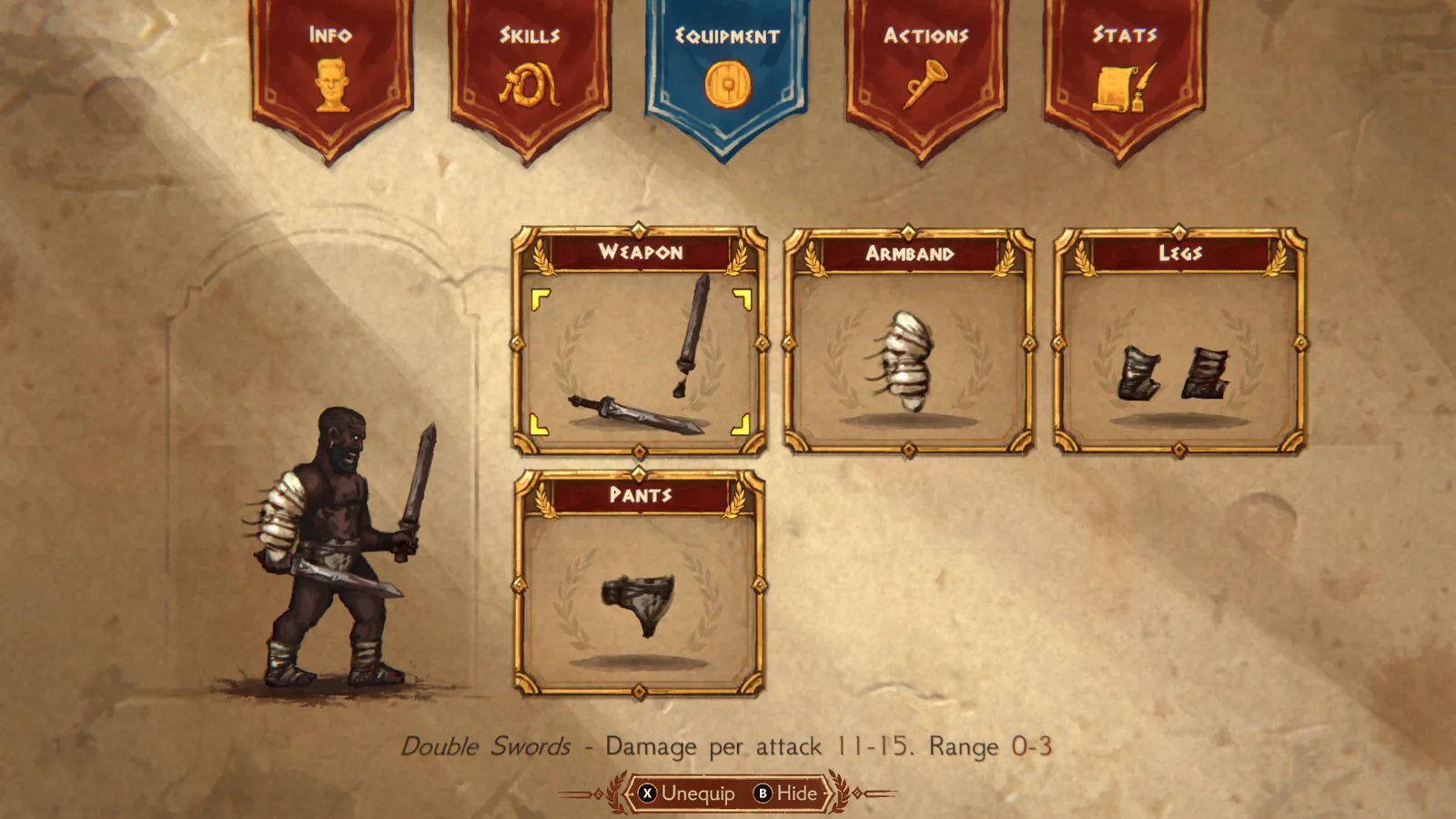
The management side has more going on than simply making your gladiators hit harder. You can hire recruits from the slave market and put them to work training, but they are not machines. Training, fighting, and other jobs wear down their morale. Let it drop too low and they might stop training or refuse to fight altogether, which is a bit of a problem when fighting is the whole reason you bought them.
To keep them happy and healthy, you can build facilities where they rest, recover from injuries, or spend some quality time with the ladies. It is a constant balancing act: a fighter who needs a break is not improving, but pushing him too hard can leave you without a willing participant when the arena comes calling.
All of this costs money, naturally, and the financial side can be unforgiving. Spend too freely on buildings, equipment, or staff and you can find yourself in the red. Stay in debt for three days and it is game over. I liked having to think about whether an upgrade was worth buying now or whether I should save those coins for a more immediate need.
You can also hire people to help your school in different ways. A dottore gets gladiators training faster with a few whips and kicks, while agents can sneak into the crowd and turn its favor toward you. Promoters can organize events on ordinary days to bring in extra money. These are cool systems to explore, and figuring out how they fit into your budget gives the early game a nice sense of discovery.
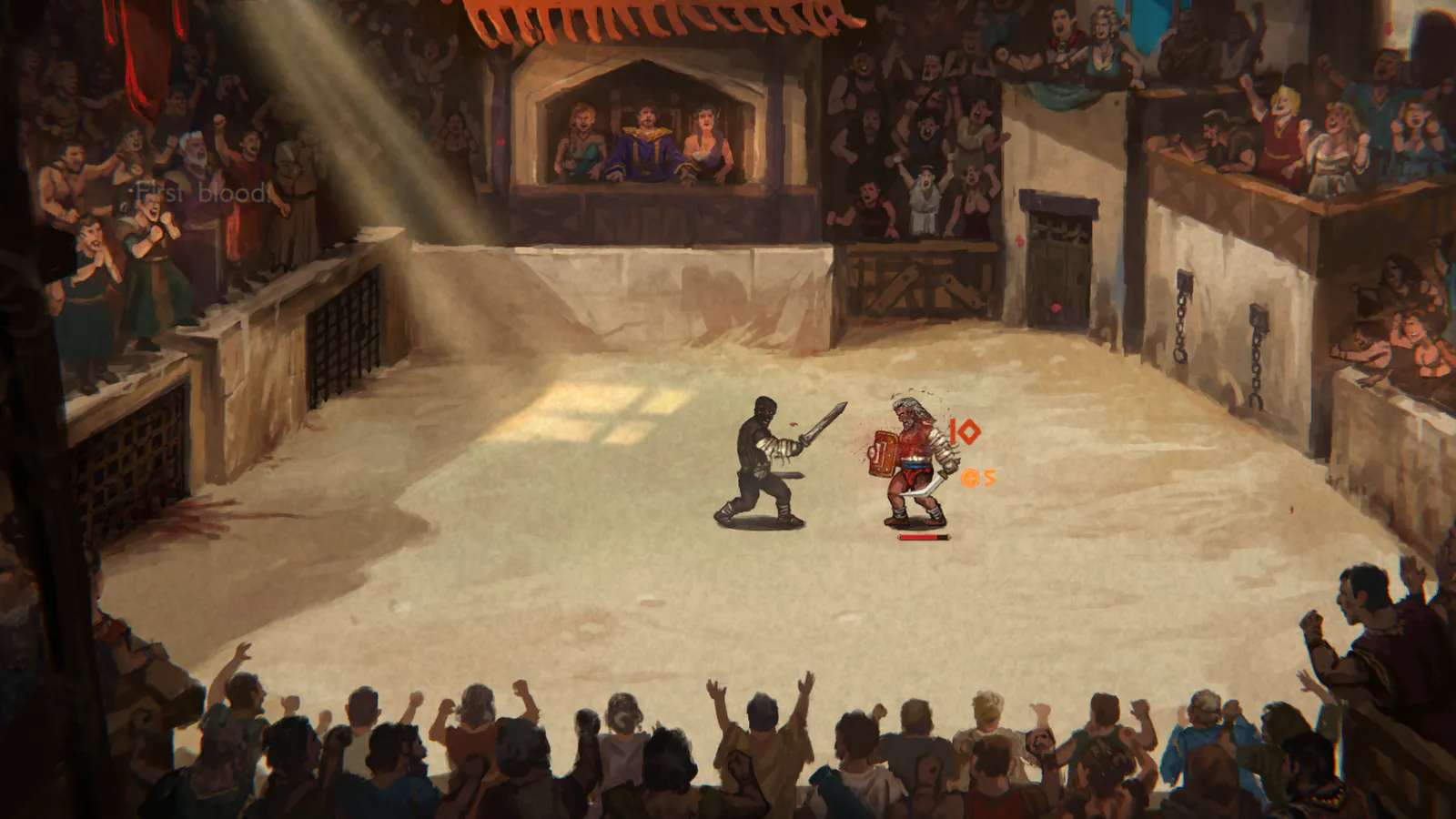
Every couple of days, though, it is time to leave the ludus and watch your preparations play out in the arena. Your gladiators face fighters from other schools, as well as opponents like lions and war elephants. Battles are hands-off: you prepare your team, send them in, and hope their skills, equipment, and a bit of luck are enough to see them through.
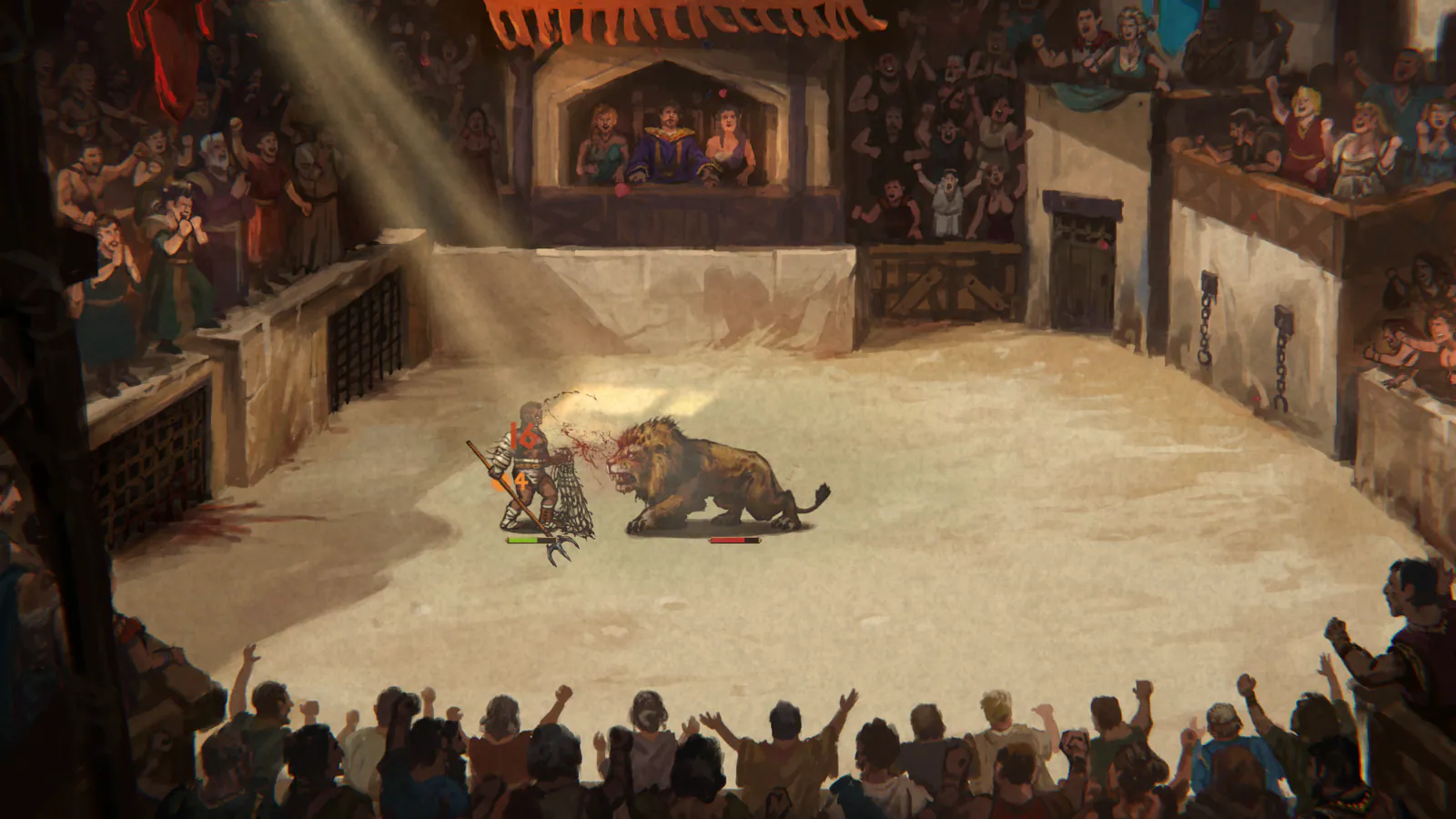
There is charm in watching these little fighters go at each other with swords and lances, especially when someone you have trained manages to pull off a win. But the lack of direct control also means you are mostly a spectator once the fighting starts. A good part of it felt like RNG to me, and after enough bouts the novelty of watching them scrap began to fade.
That same feeling eventually crept into the management too. There are plenty of moving parts, but the rhythm of training, tending to morale, watching the budget, and sending fighters into battle started to feel very familiar. The Last Gas Station also has a routine built around managing money and upgrades, but its daily jobs held my attention longer. Here, I found myself going through the motions sooner than I wanted to.
Outside the campaign, a simulation mode lets you set up fights between gladiators or against animals. It is a fun way to watch some more arena action, but I did not find enough there to keep me coming back for long either.
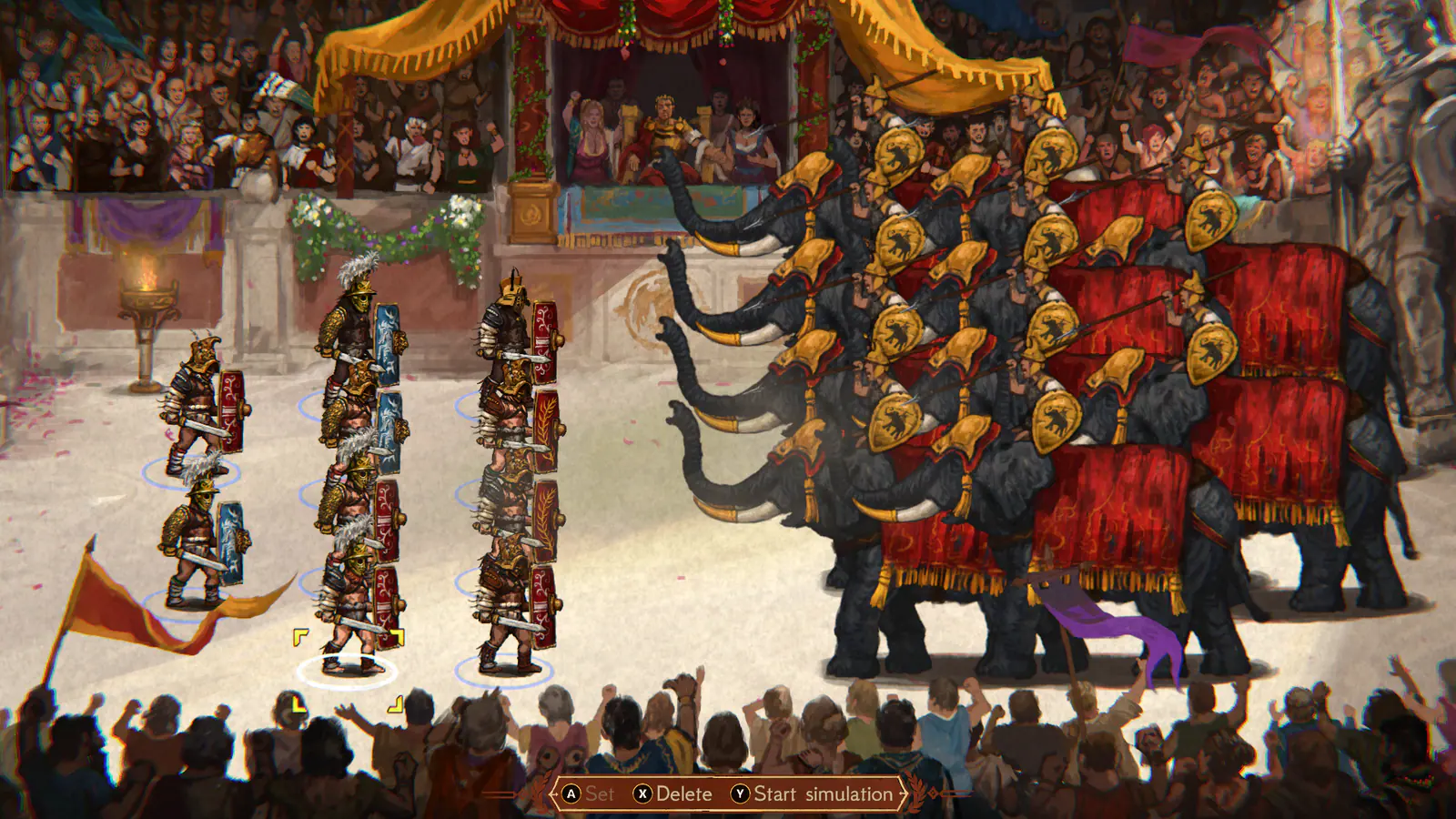
I do like how Dominus Gladiatus looks. Its little gladiators have a lot of charm, and their animations, whether they are training in the ludus or fighting in the arena, are fun to watch. I played on PC via a ROG Xbox Ally X, and the presentation gives the game a personality that suits its combination of management and spectacle.
Maybe I am just not the target audience for this particular loop. There are interesting systems here, and if balancing a gladiator school's finances and watching its fighters battle sounds like your kind of thing, you might get more out of it than I did. Give the demo a spin: if you enjoy what it offers, expect more of the same in the full game.
Thanks for reading!