Lunarium has the art, combat, progression, and story of a great action RPG, but sudden and frustrating difficulty spikes keep it from getting there
Look, I really like Lunarium, and I would love to say that I love it. It has nearly everything a great action RPG needs. The world looks absolutely stunning, its two leads make a strong first impression, combat feels slick, and the progression systems give you meaningful ways to shape how you play. For long stretches, I was completely drawn into it.
Then Lunarium would put a wall in front of me.
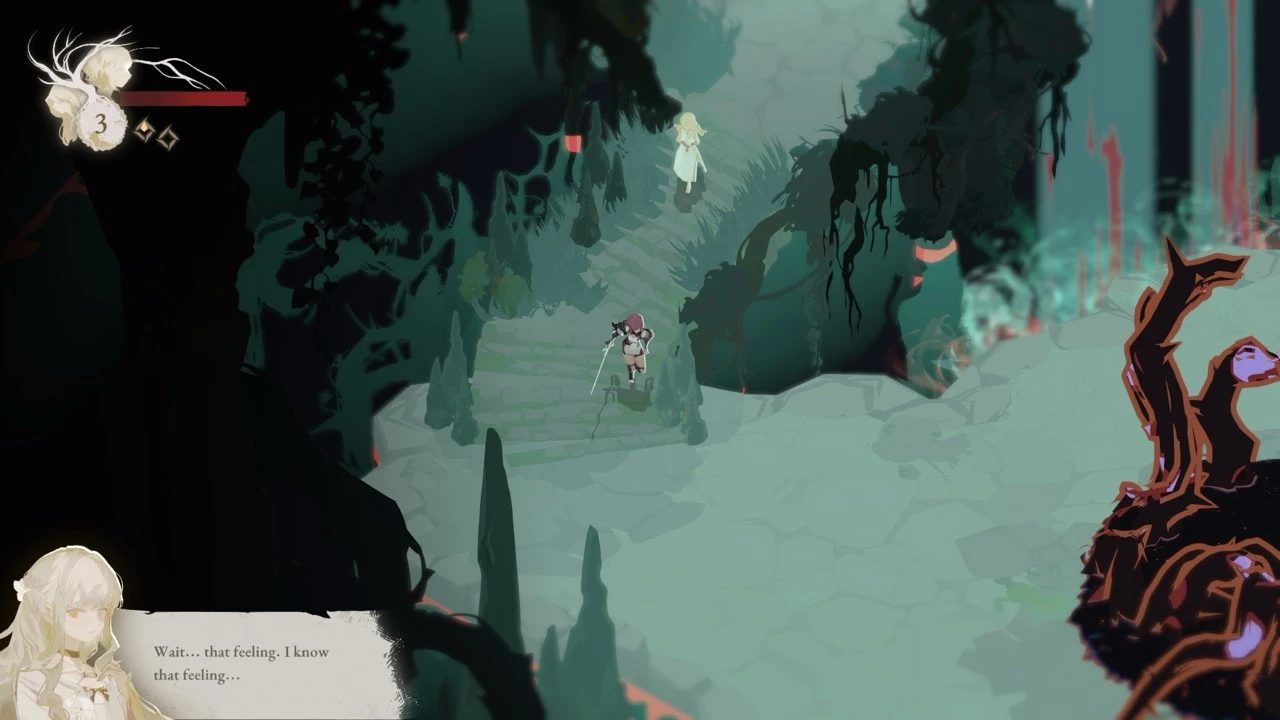
You play as Ave, a light-armored knight who fights up close with a sword. She is joined by Lune, a mysterious girl who follows her through a dying world filled with forgotten places and cosmic secrets. Lune acts as your ranged attack, supports Ave during combat, and helps solve environmental puzzles.
The relationship between the two makes it feel like something much larger is unfolding beneath the surface. Lunarium explores memory, identity, and the histories Ave and Lune carry with them. I wanted to keep moving because I wanted to understand them and see where their journey was going.
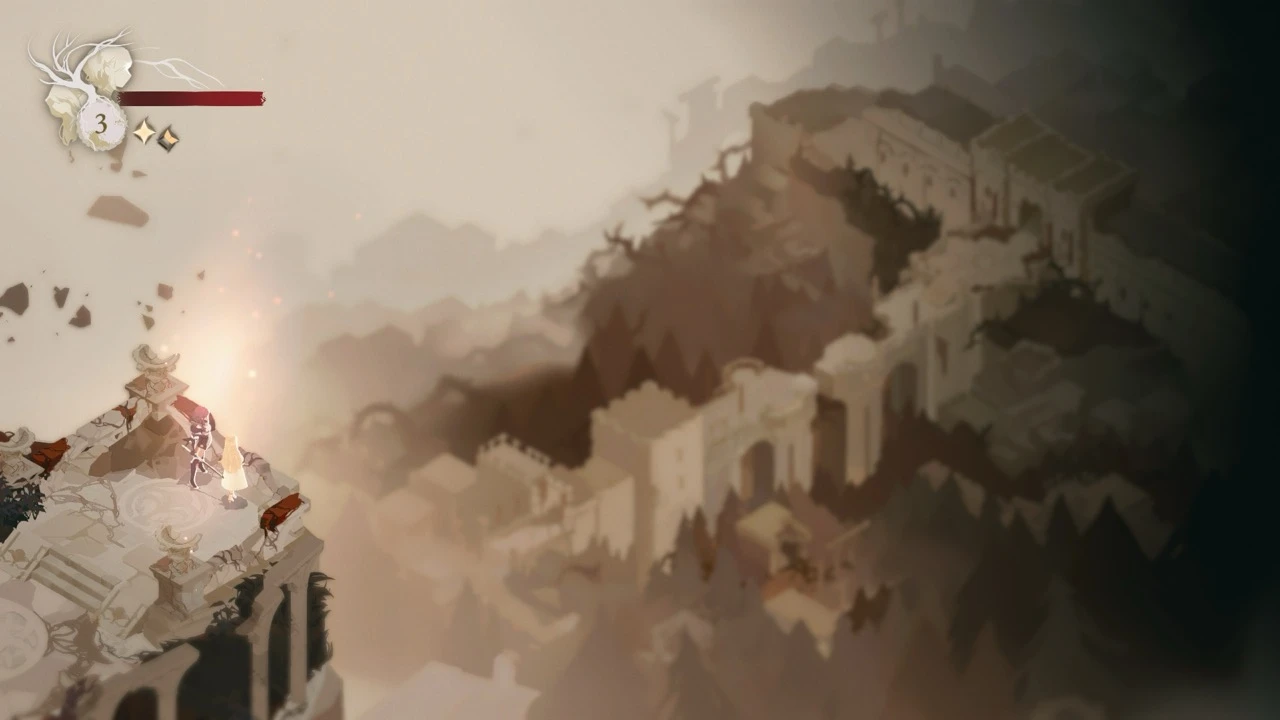
The isometric presentation makes that journey beautiful. The hand-drawn backgrounds are drop-dead gorgeous, packed with color, atmosphere, and small environmental details. Character models sit naturally against that artwork, and their fluid animations give every movement and attack a polished look.
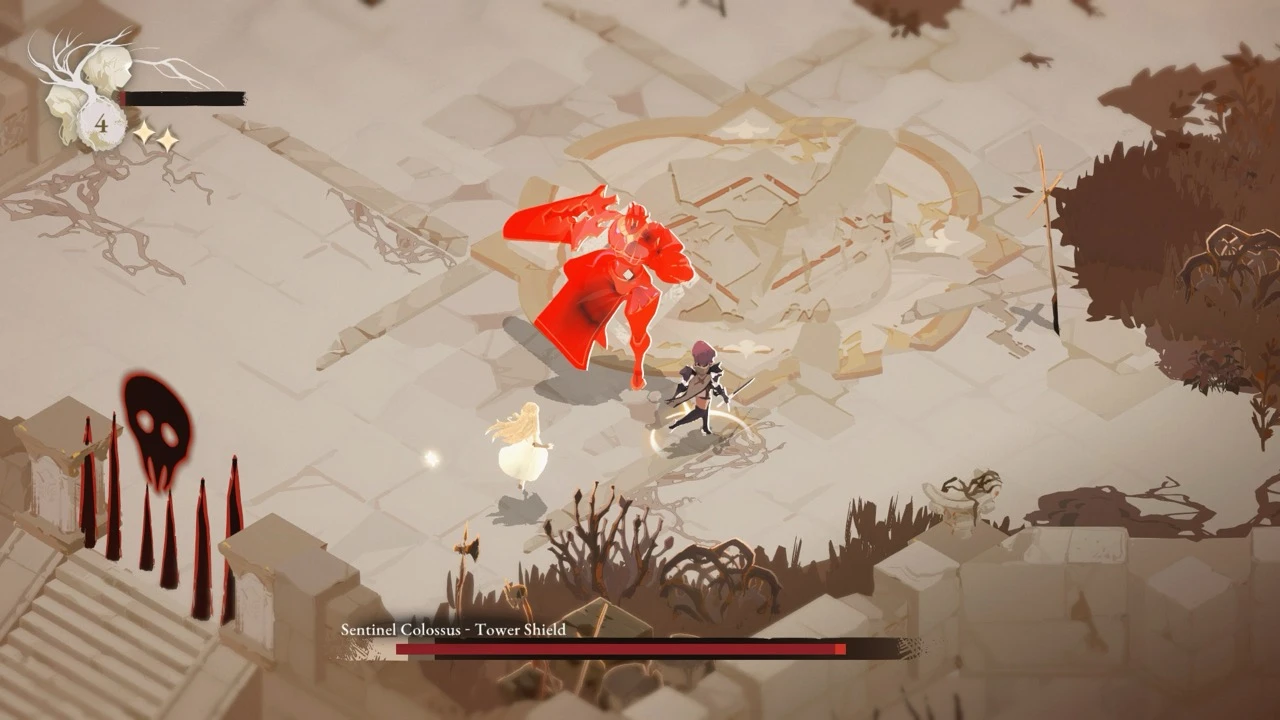
Combat feels great when everything is working as intended. Ave can string together sword attacks, dodge, parry, and call on Lune to strike from range. The two characters feel connected instead of operating like separate tools. Lune can weaken enemies, strengthen Ave's offense, and create openings while Ave handles the dangerous close-range work.
There is enough weight behind the sword to make basic encounters satisfying, and tougher enemies ask you to watch their movements instead of attacking blindly. Successful dodges and counters feel sharp, while switching between Ave's blade and Lune's magic gives fights a nice rhythm.
The RPG progression is another highlight. Leveling up and expanding the skill trees provide the expected improvements, but the cloak system adds a more interesting layer. You unlock different cloaks, each with its own visual identity and effects, then attach Embroideries that work like patches or charms. These provide passive buffs and let you shape Ave around your preferred combat style.
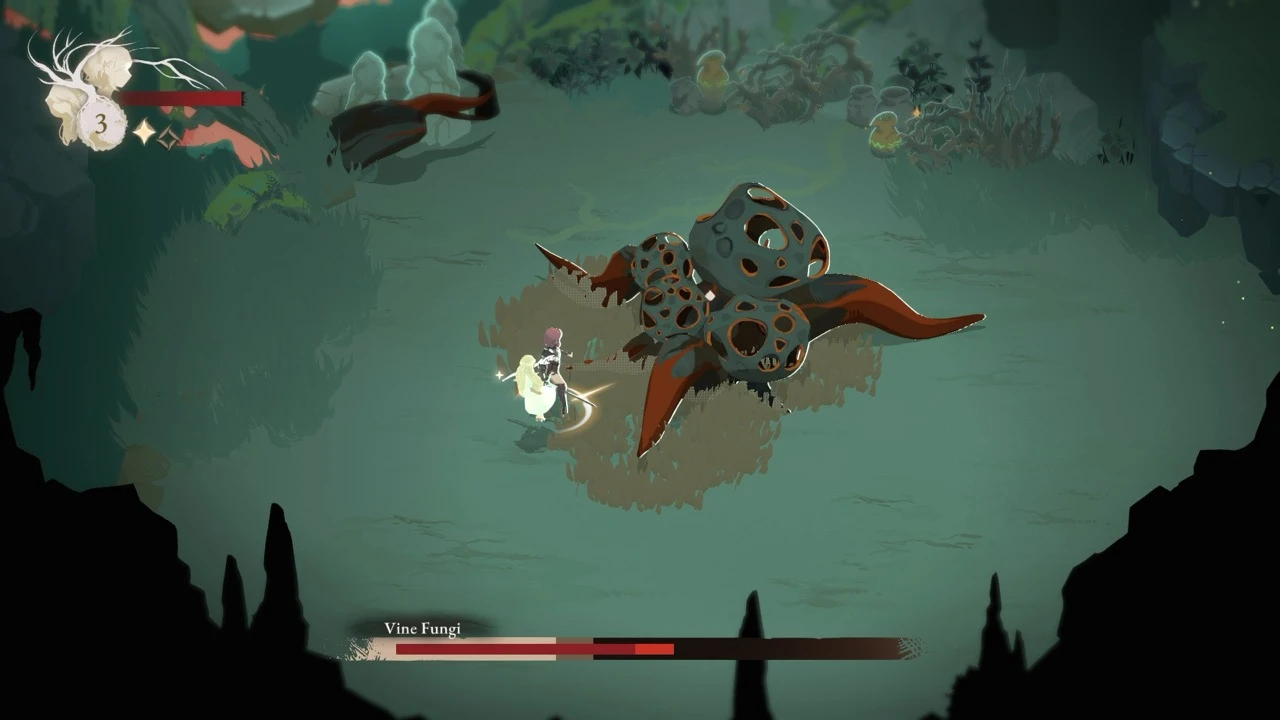
It is a genuinely good system. Finding a new cloak or patch feels worthwhile because it can change more than a number buried in a menu. Experimenting with combinations gives you real reasons to engage with progression instead of automatically equipping whatever has the highest level.
Unfortunately, no build solves the game's biggest problem. Lunarium is incredibly challenging, and its difficulty can spike without warning. I enjoy learning attack patterns and improving my timing, but some encounters stop feeling like a test of skill and start feeling improperly balanced.
The worst examples are arena-style gauntlets where you must defeat large groups of knights before continuing. One felt borderline impossible. Lunarium is supposed to last around eight hours, yet I spent roughly two hours stuck on this single fight. There is no selectable difficulty, so your only option is to keep trying until something works.
During that struggle, the damage started feeling inconsistent. Sometimes Ave's basic combo removed a large chunk of a knight's health. Other times, the same combo barely did anything. Enemy hit registration could feel equally unreliable. I would dodge an attack, believe I had cleared it, and still take the hit. The damage those attacks dealt also seemed to vary.
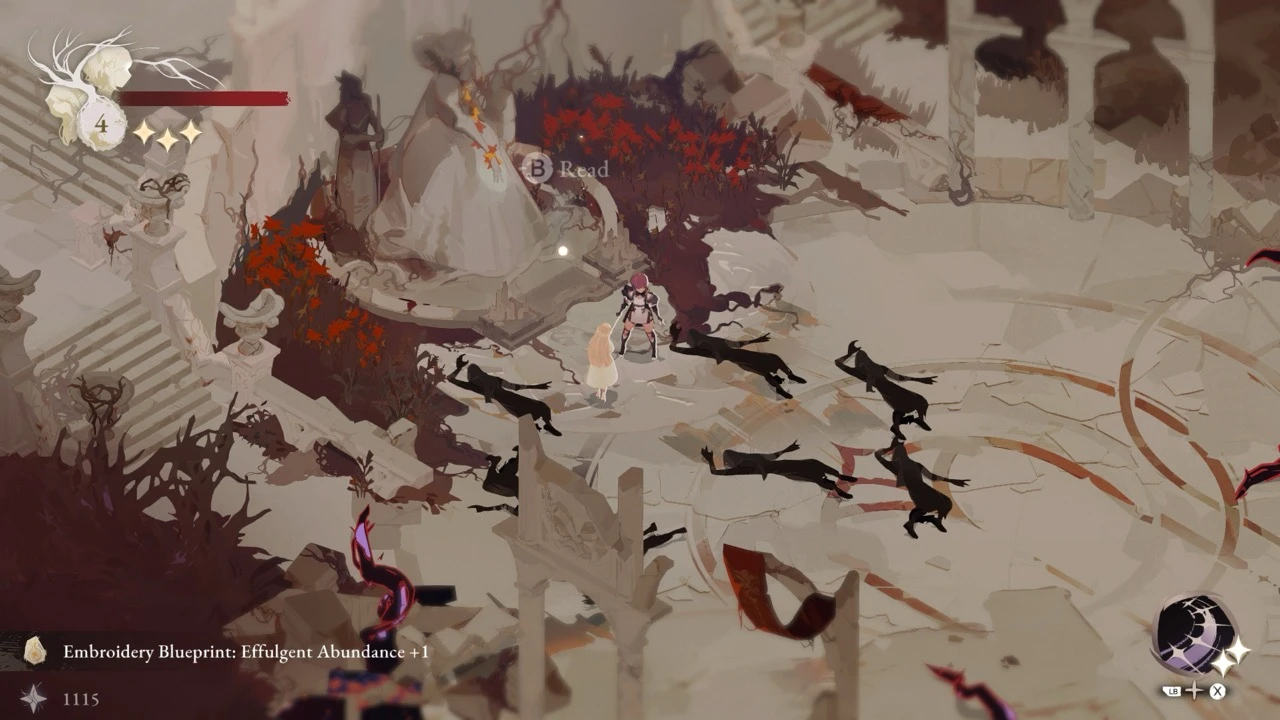
That uncertainty hurts a combat system built around precision. In a hard game, I need to understand why I failed. If I mistime a dodge or get greedy with a combo, that is on me. When identical attacks produce different outcomes, frustration replaces the desire to improve. Maybe I need to git gud, but too many moments felt inconsistent for that to be the entire explanation.
The lack of difficulty options makes this worse. An assist mode or adjustable enemy damage would let more people continue enjoying the story and beautiful world. Instead, one overtuned encounter can stop the adventure and drain the fun from everything Lunarium does well.
I also noticed a few minor localization gaps, with occasional text that had not been fully translated or polished. These imperfections should be straightforward to patch and never bothered me nearly as much as the combat balance.
Performance on the ROG Xbox Ally X was excellent. Lunarium hovered above 60fps in handheld and more in docked play, and I did not encounter any major technical issues that spoiled the presentation. The controls fit the Ally X naturally, the detailed artwork looks wonderful on its screen, and the smooth frame rate helps the fast combat feel responsive when the hit detection behaves.
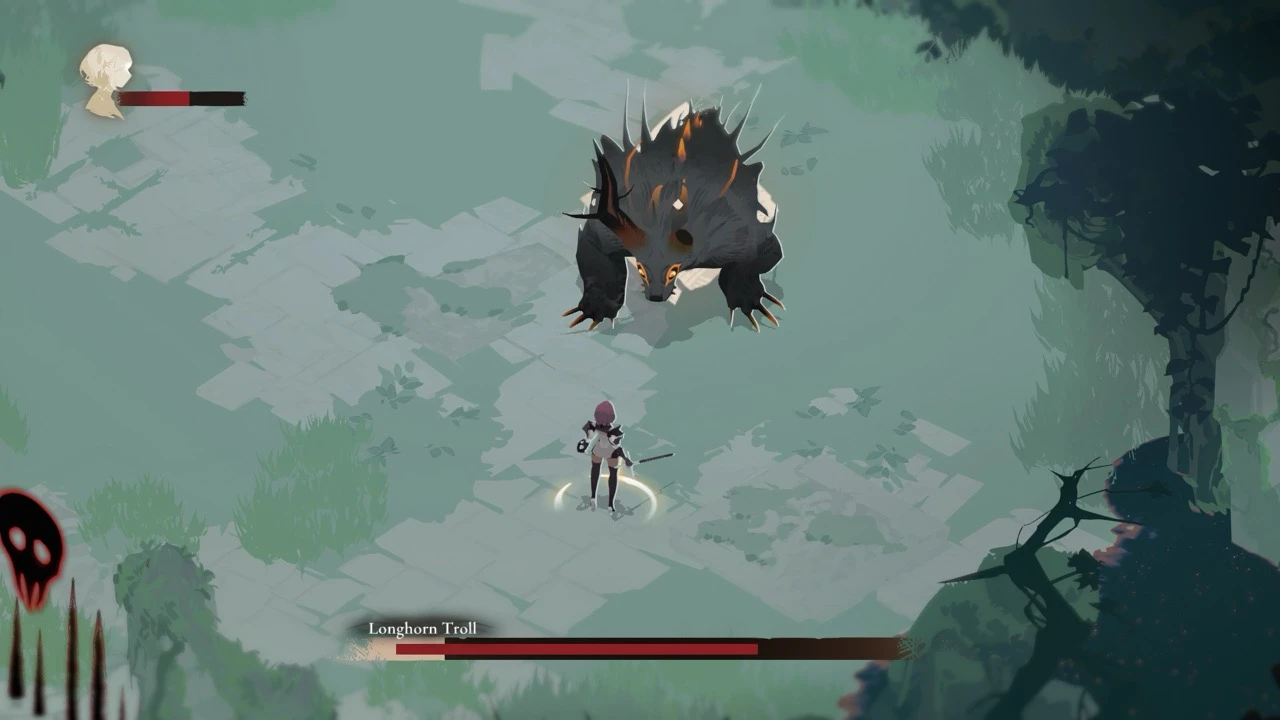
Lunarium is a great game held back by some stupid difficulty. I love its hand-drawn world, the interplay between Ave and Lune, the satisfying sword combat, and the flexibility of its cloaks and Embroideries. I also desperately hope its most severe difficulty spikes and combat inconsistencies are improved after launch. The foundation is too good to let a handful of frustrating encounters undermine the entire experience. Thanks for reading!