Turnip Mountain is a wonderfully weird climbing game that turns awkward movement into a genuine test of coordination, patience, and skill
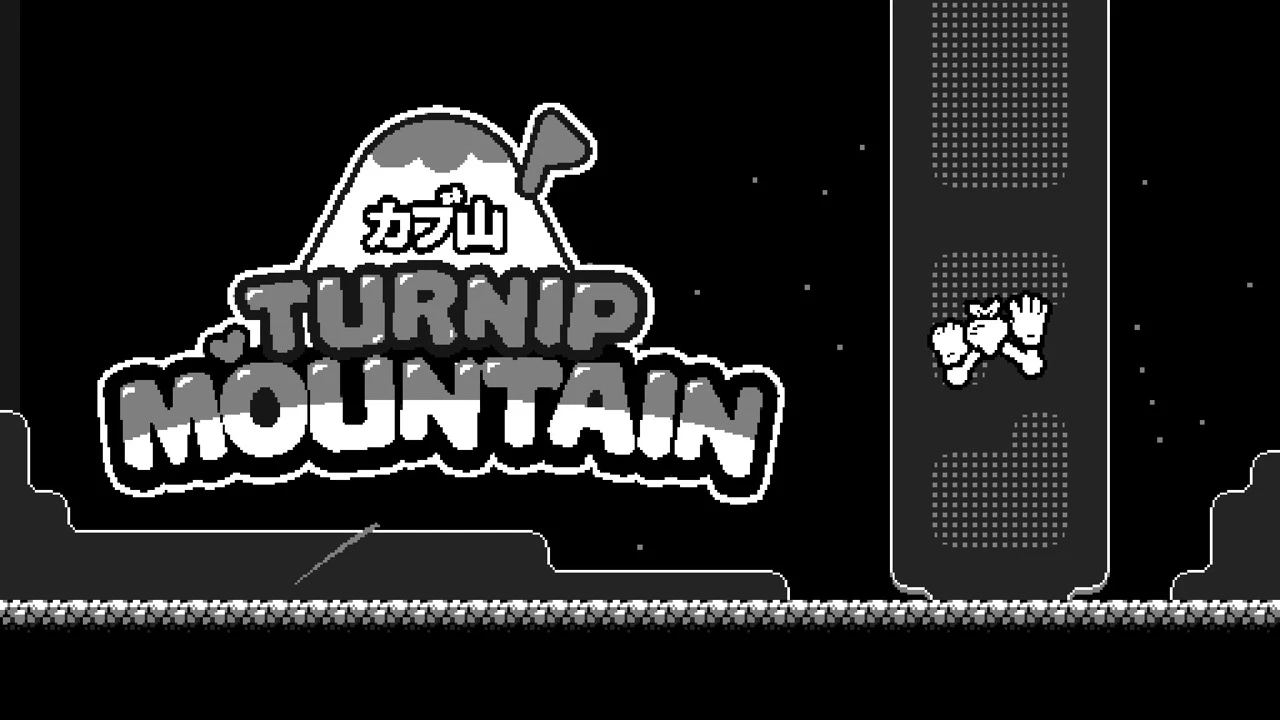
Turnip Mountain has a beautifully silly setup. You play as a turnip that falls from the top of a mountain, sprouts two articulated arms, and decides to climb all the way back up. That is basically the entire excuse needed to send you into a compact physics-based platforming adventure that starts strange, keeps getting harder, and becomes incredibly satisfying once its controls click.
Each arm is controlled independently. You can use two mice, with one assigned to each hand, or a controller where the analog sticks move the arms separately. There is also local co-op, letting two players control one arm each, which sounds like the perfect recipe for friendship-ending chaos. I played solo on the ROG Xbox Ally X, and the controller setup felt like the most natural fit for handheld play.
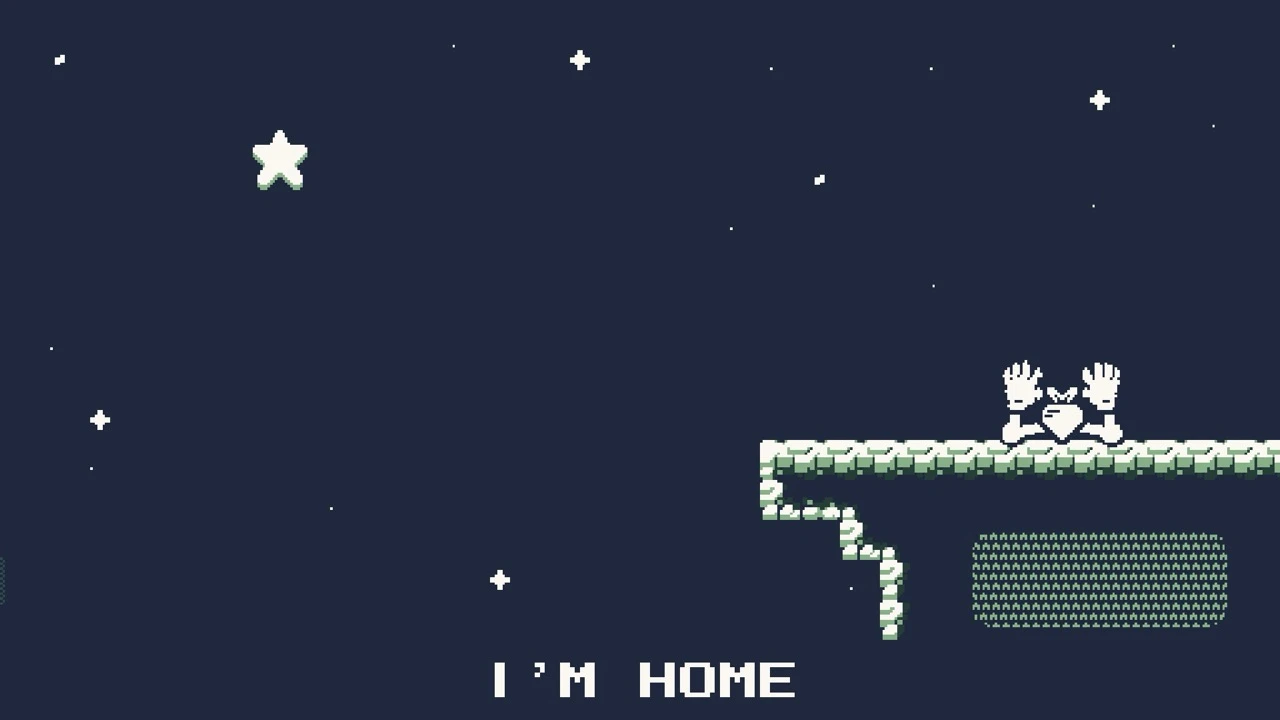
Natural does not mean easy. Turnip Mountain feels deliberately weird at first because it asks your brain to track two limbs at once. You extend one arm, grab a surface, flex it to pull the turnip closer, then reach with the other arm and repeat. The opening levels keep things simple, giving you space to learn that rhythm without immediately punishing every mistake.
It occupies some of the same wonderfully awkward territory as QWOP, although it is nowhere near as brutal or deliberately antagonistic. The controls are unusual, but they are consistent. Early failures usually came from my own coordination rather than the game behaving unpredictably. Before long, movements that initially required real concentration started becoming automatic.
The clever part is how Turnip Mountain builds on that foundation. Jumping requires flicking the sticks away from the direction you want to travel. A quick movement with one arm creates a small hop, while using both can launch the turnip across a much larger gap. Learning how to build momentum, release at the correct moment, and grab the next surface turns climbing into something much faster and more expressive.
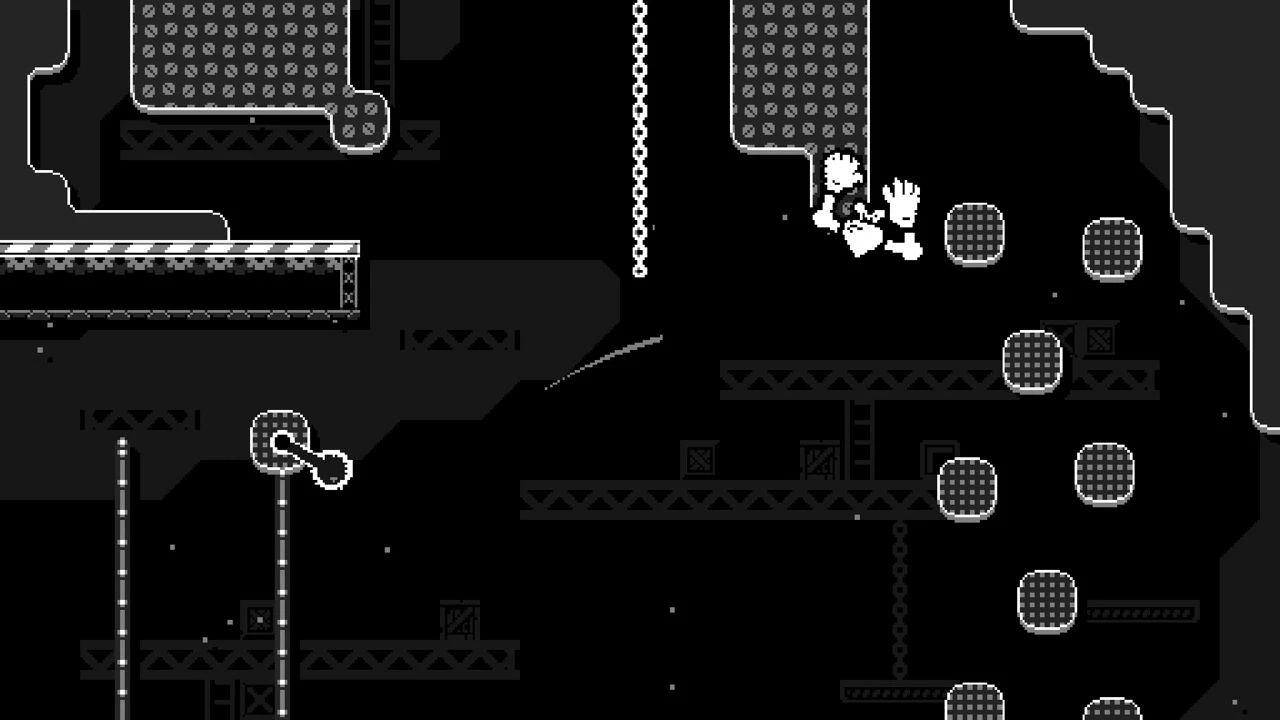
Every new area introduces another complication. Waterfalls make you slide while holding on, forcing you to move quickly instead of carefully planning each reach. Moving handholds test your timing. Ice removes the security of a stable grip. Disappearing platforms, lasers, spikes, and other hazards keep changing what a successful climb looks like.
The difficulty rises neatly because each obstacle asks you to apply familiar controls in a different way. Most sections are challenging without feeling unfair, and falling rarely made me want to blame the game. I could usually see the mistake, adjust my timing, and make a little more progress on the next attempt.
There are exceptions. Each main level is split into smaller sublevels, and one or two feel designed specifically to make people rage quit. The worst one for me asked me to leap between tiny platforms while water periodically rises beneath you. It nearly broke me. The required grabs were precise, the pressure left little room to recover, and repeated failures became exhausting.
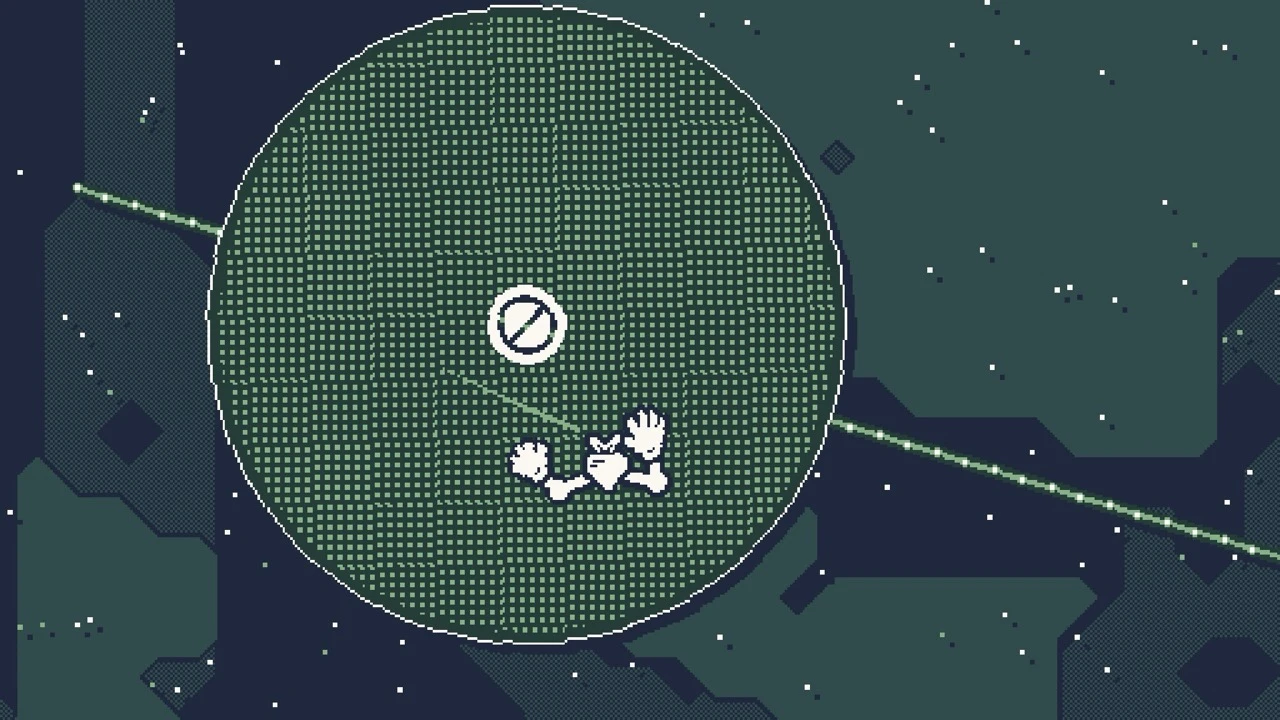
Persistence paid off, though. I eventually reached the top of the mountain and then kept going. That sense of improvement is the heart of the game. Turnip Mountain does not hand out traditional upgrades that make climbing easier. Your reward is realizing that your hands now understand movements that seemed impossible an hour earlier.
There are collectibles along the way too. Coins can be spent in a gacha machine to unlock new looks for the turnip, while hidden color palettes transform the appearance of the entire game. These rewards are purely cosmetic, but they give curious players a reason to explore alternate routes, attempt risky jumps, and look beyond the most obvious path upward.
The limited-color pixel art gives Turnip Mountain a charming identity, and the unlockable palettes make its small world feel surprisingly fresh. The soundtrack matches that playful mood without distracting from the concentration climbing demands. On the ROG Xbox Ally X, it ran perfectly and looked crisp on the handheld display. More importantly, the analog sticks and triggers made the unusual control scheme feel precise.
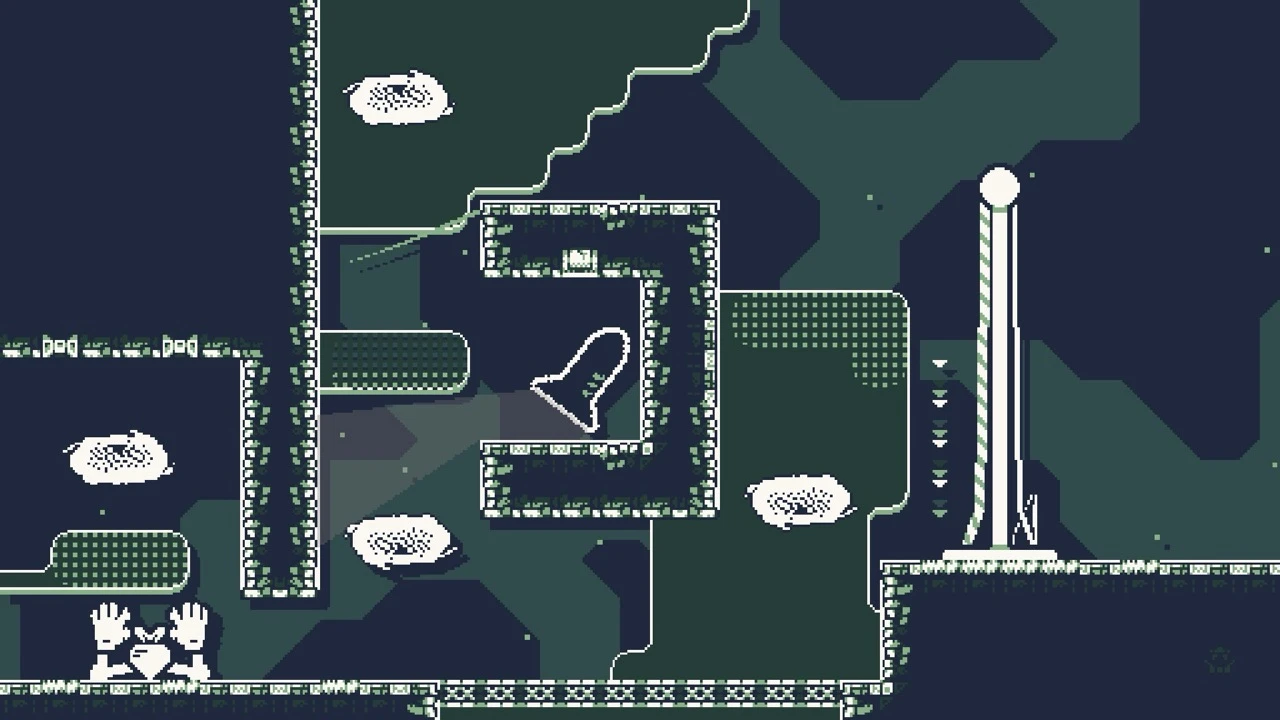
Turnip Mountain is fantastic. It takes a funny premise and an intentionally awkward control scheme, then builds a smart, steadily evolving platformer around them. A few difficulty spikes may test your patience, but the overwhelming majority of the climb feels demanding, fair, and rewarding. Reaching the summit left me wanting more levels, and I genuinely hope future DLC gives this strange little vegetable another mountain to conquer. Thanks for reading!