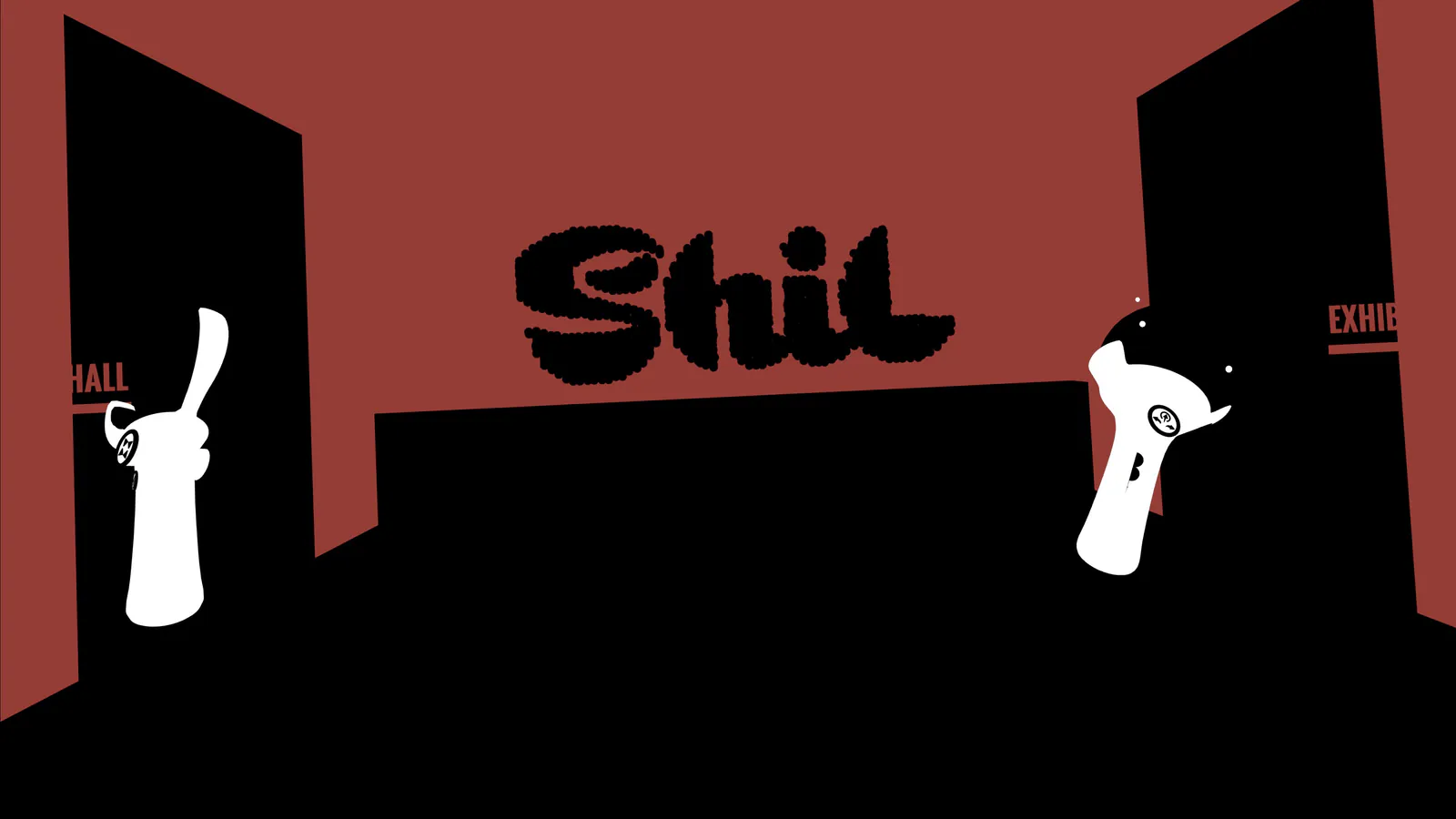
Shil is one of the most creative VR games I have played in recent memory, even when explaining it makes no sense
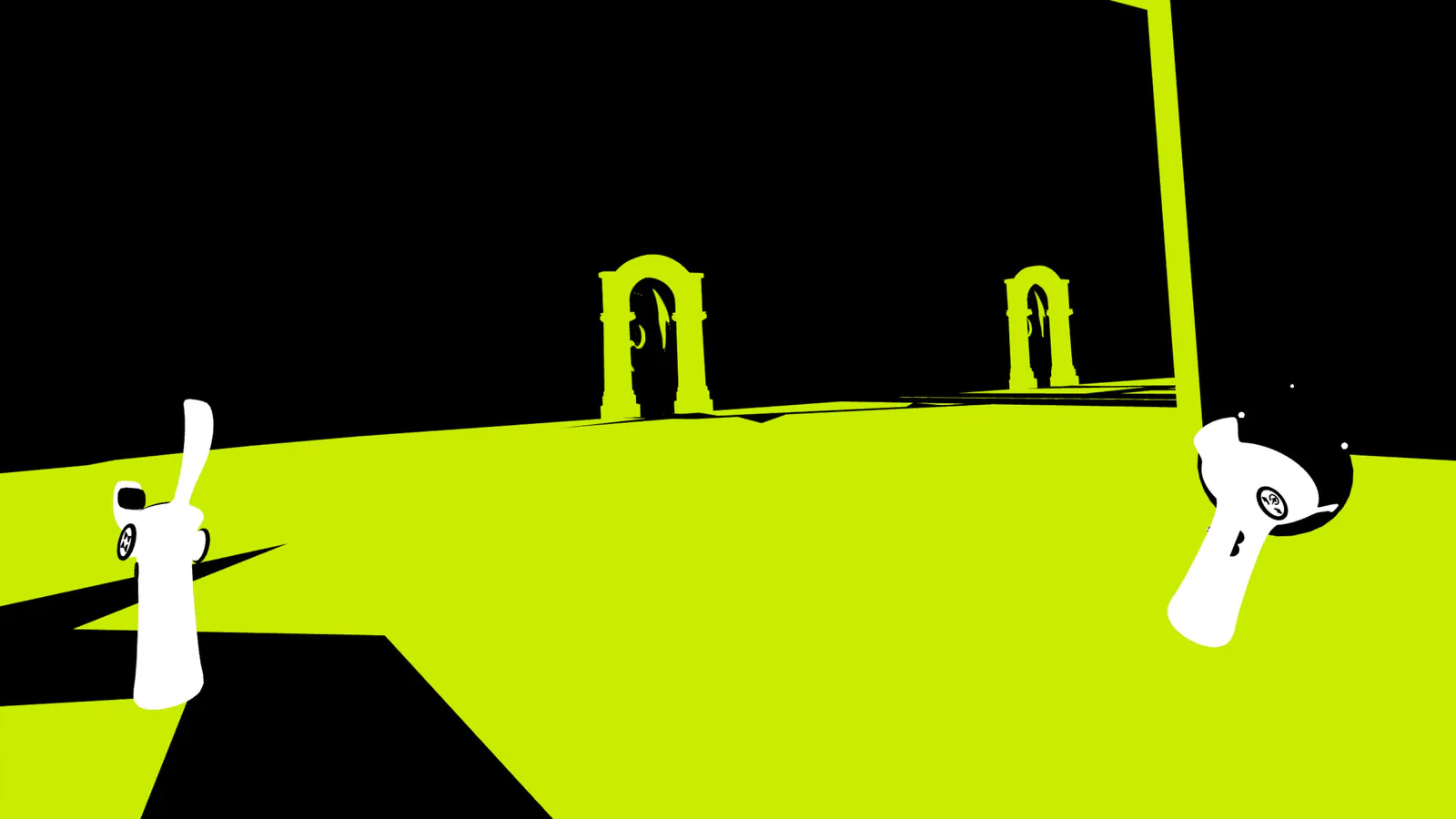
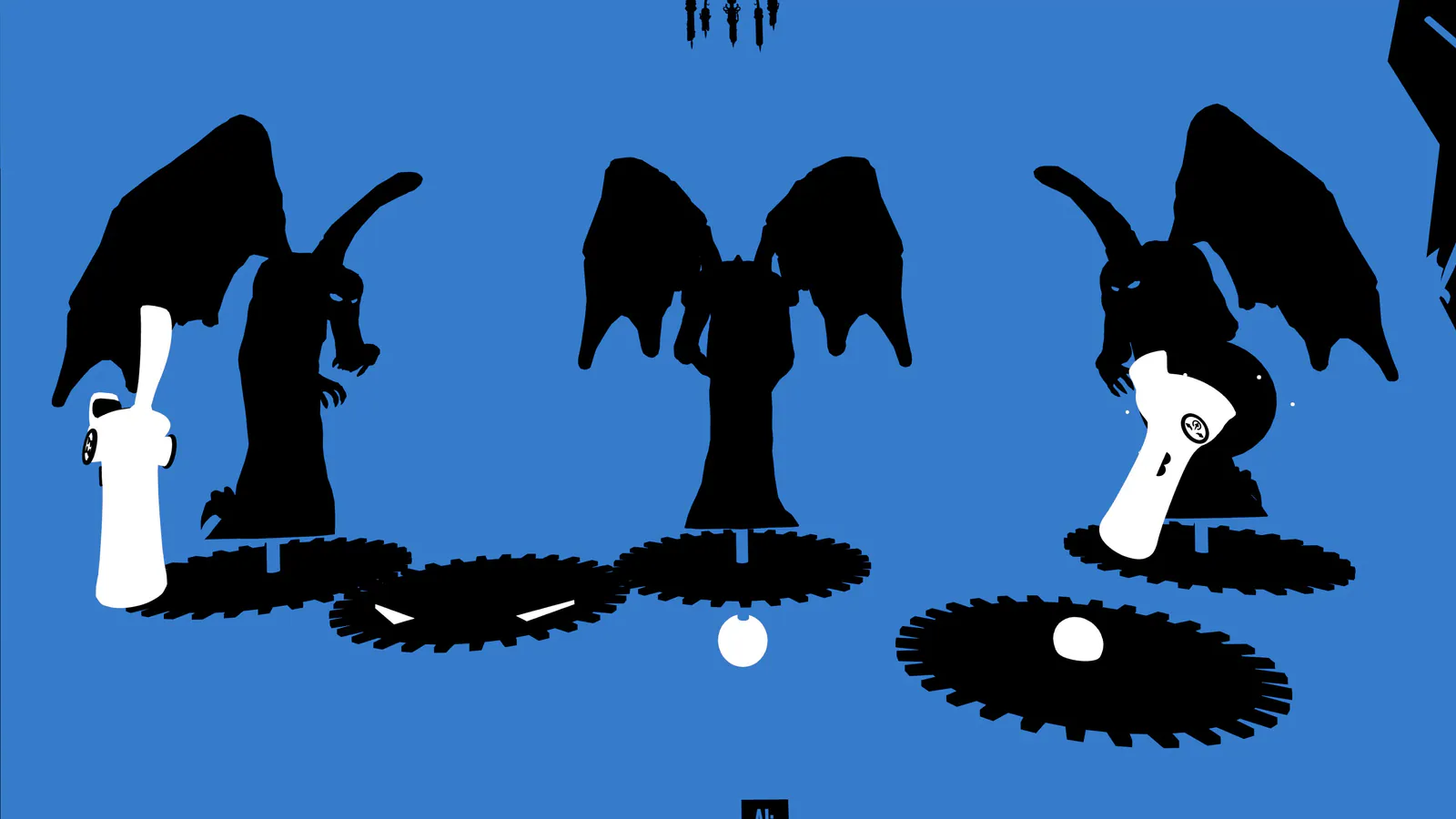
Look, whatever I write here probably will not do Shil justice. I can describe the puzzles, explain the tools and point at screenshots, but this is one of those games you need to experience inside a headset. At a glance, it looks almost suspiciously basic. Each level is mostly black and one vibrant color, with white picking out interactive elements. That is pretty much the entire palette. Somehow, those restrictions produce one of the coolest and strangest VR adventures I have played recently.
I was also surprised by how deep the blacks looked on Meta Quest 3. The contrast gave me an almost OLED-like impression, which is quite something on this headset. More importantly, the missing detail makes you question what you are seeing. A flat patch of color might conceal a platform, a creature or an entire section of the environment. The geometry can be surprisingly elaborate. You just cannot immediately read it.
The story starts with a similarly straightforward premise. You seem to be trapped inside your own mind, working through shattered memories with an AI helping you along. Floating memories play like audio notes, gradually filling in what happened. There are interesting twists here, and explaining them would spoil a big part of the appeal. Suffice to say, the setup gives you a reason to keep investigating beyond simply wanting to solve the next puzzle.
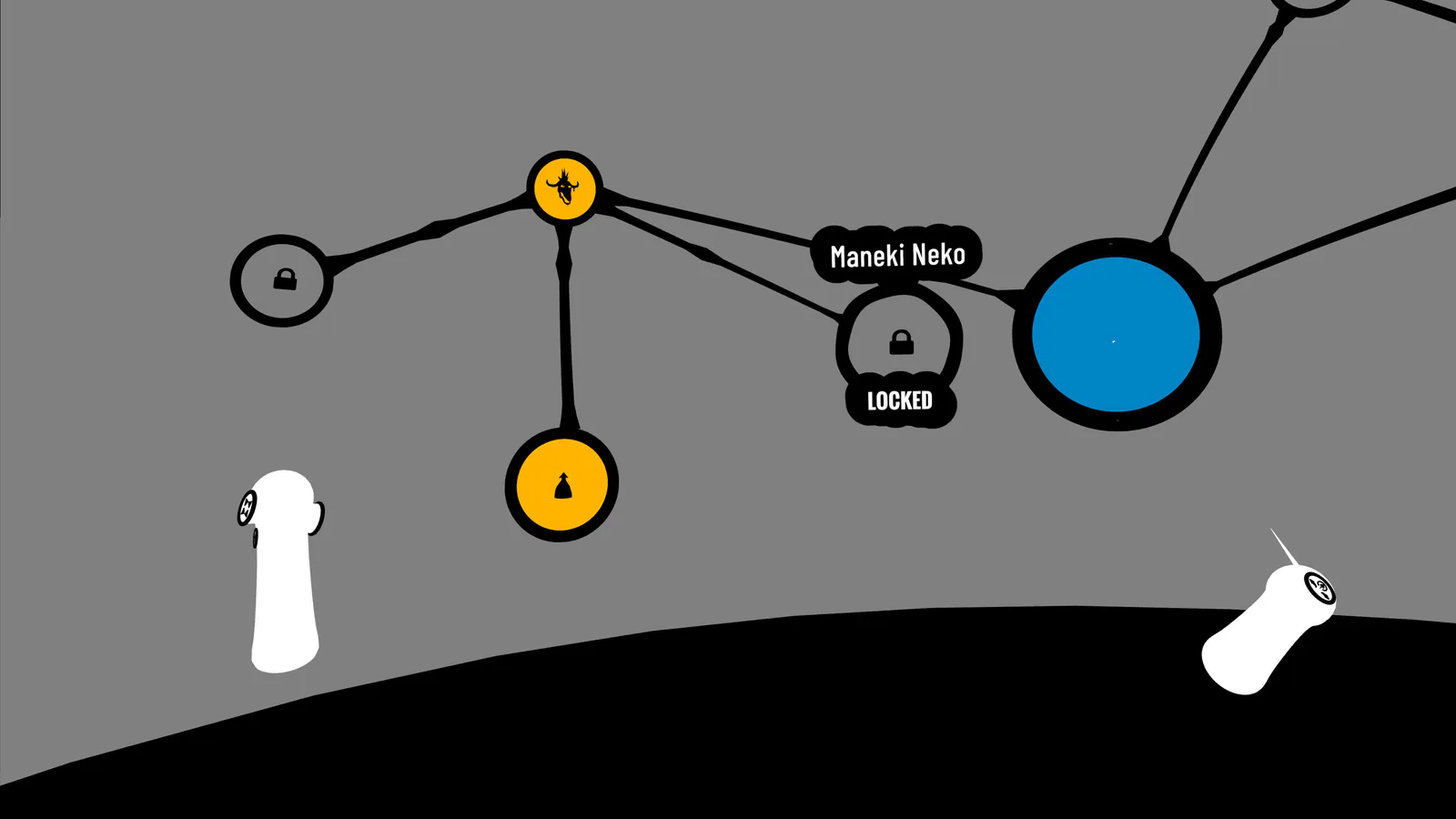
There are seven endings, but do not expect a sequence of dialogue choices steering you toward different conclusions. Progression works through a branching collection of levels. Find an exit portal and you unlock another stage in the hub; find a different exit and another route opens. Replaying levels is part of uncovering those branches, with an ending waiting at the final stage of a particular route. Side note, the hub has this strong World of Goo energy that I really liked.
Actually describing the gameplay is where things get weird. Shil builds puzzles around silhouettes, perspective and the ambiguity between a shape and its background. Think of the Rubin vase illusion, where the same image can look like a vase or two faces looking at each other. That uncertainty becomes a space you physically occupy. It scratches a similar itch to Superliminal, where understanding what you are looking at is often the first challenge, but being surrounded by it in VR adds another dimension.
Your most basic tool flings balls that turn parts of the environment black. Walk up to an edge and all you might see ahead is solid purple. Throw a ball into it and a platform becomes black, giving you somewhere to walk. Written down, that sounds like painting the floor. Inside the headset, you are probing something your eyes cannot properly separate from its surroundings, then watching a usable route emerge. It makes sense almost immediately once you try it, even if describing it sounds ridiculous.

A slingshot expands what you can do. It activates buttons and switches, shifts pieces of the level and deals with enemies, including flying demon heads and T-rexes. Later, a magnet gun lets you pull switches and platforms toward you, stun enemies and experiment with other objects. Those tools might sound like a random collection of ideas, but the developers keep finding clever reasons to use them. A familiar action can serve a completely different purpose in the next room.
The variety is fantastic. One level puts you in a black-and-teal underwater scene with sea creatures drifting around. You reach a telephone, then discover that finding the number means hitting whales with a black ball to reveal digits on their bodies. Elsewhere, the ground disappears after you step on it, bringing that Fall Guys level to mind. Another stage turns into an arcade encounter with pixelated Space Invaders-style ships. There are casino-themed challenges, too. Shil rarely seems content to repeat a puzzle idea without doing something different with it.
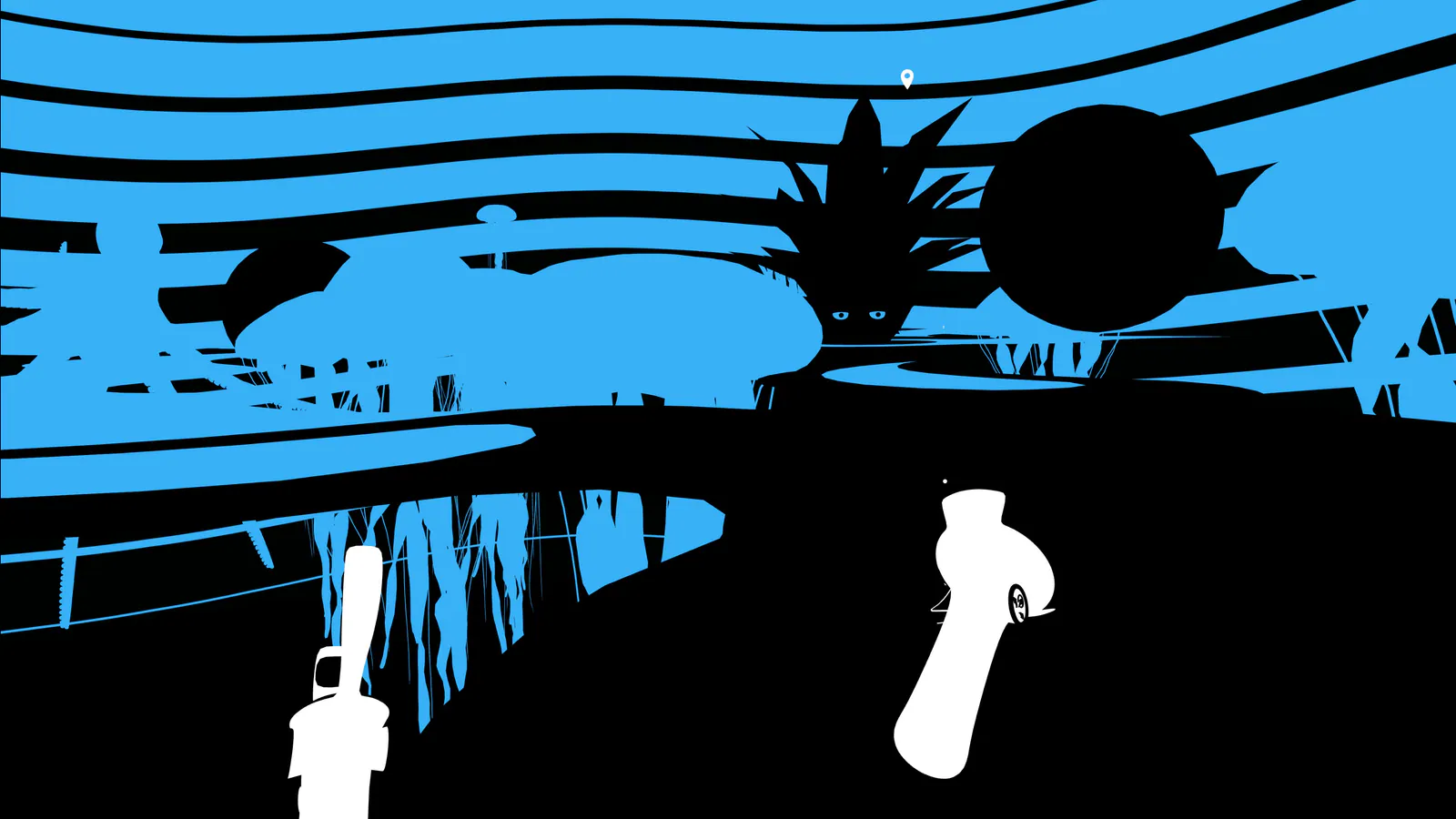
One of my favorite examples uses bells and echolocation to help you find a path. It changes how you approach the space with a wonderfully simple idea. That willingness to keep surprising me recalls Viewfinder, another puzzle game where explaining a solution can sound absurd until you see it happen. Here, much of the satisfaction comes from trying something out, watching the world react and suddenly understanding what the room wants from you. Those little discoveries kept me eager to open another level.
There are exceptions. A dice puzzle frustrated me because I struggled to distinguish the relevant face from the corresponding dots on the ground. At that point, experimentation became trial and error rather than a satisfying deduction. The visual ambiguity is usually the whole attraction, but occasionally it obscures information I need to make a sensible decision. Those moments interrupted the flow, particularly when I understood the general idea but could not clearly read its pieces.
Shil will not be for everyone. You need some patience for its visual tricks and willingness to poke around without immediately understanding everything. For me, the occasional frustration was easily outweighed by the sheer imagination on display. It takes two colors, a handful of tools and a fractured mind, then finds an impressive number of ways to surprise you. If a weird, inventive VR puzzle adventure sounds appealing, put this on your list. Thanks for reading!