Spymaster has a brilliant solo co-op spy puzzle concept and some very satisfying mission setups, but its Early Access build is still too janky and limited to fully deliver on that promise
Spymaster is built around a phrase that sounds wrong at first: solo co-op. You are playing alone, but you are also coordinating multiple agents across the same mission, using time manipulation to make them help each other. It is the kind of VR idea that immediately makes sense once you see it working. If you have played something like UnLoop or We Are One, you already know the satisfaction of staging a tiny chain reaction, rewinding, then becoming the other half of your own plan.
Here, that idea is wrapped in a quirky spy adventure from InnerspaceVR, the studio behind A Fisherman's Tale and Maskmaker. You work for NODE, take on missions against a clearly evil agency doing clearly evil spy stuff, and use a wrist device called the C.A.S.S.E.T.T.E. to rewind time and switch between agents. The tone is light, goofy, and very Saturday morning secret agent, with enough charm to keep the setup fun even when the plot itself is not doing anything too surprising.
The best example of Spymaster's design is one of its party missions. One agent starts outside a highrise with a poison vial. You climb pipes, slip into the building, and leave the vial on a counter. Then you rewind, switch to the other agent, who is undercover as a waiter or bartender, steal a keycard from the target, grab the poison, maybe high five your other self for an optional objective, and serve the poisoned drink. Meanwhile, the first agent uses the keycard to reach an office, disable a camera with a taser, open a safe, photograph some plans, steal a minidisc, crawl through a vent, cross shutters the other agent lowered earlier, and jump into a passing helicopter.
That mission flow is cool. It makes you feel like a spy team without needing another person in the headset. You are not just solving abstract puzzles, you are physically staging moments for your future self. Leaving an object somewhere, throwing an item across a room, pressing a button so another agent can pass later, or lining up a handoff feels naturally VR.
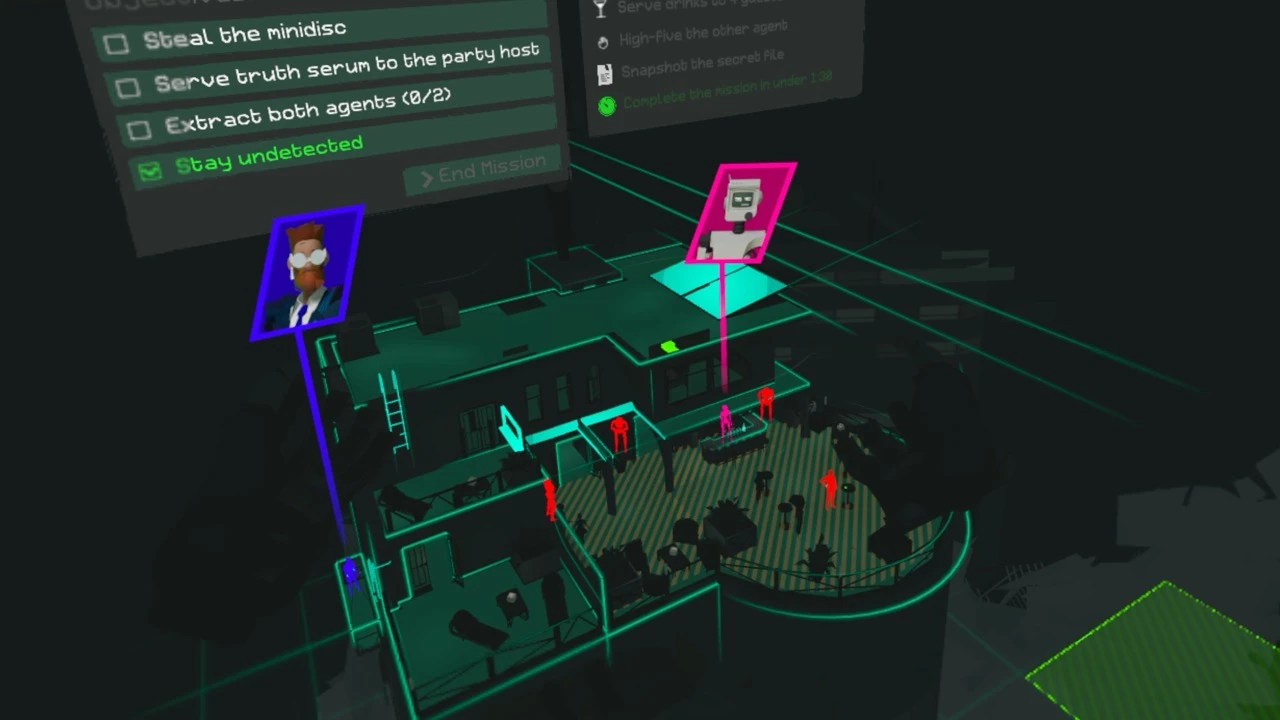
Most missions follow that same basic rhythm. Use one character up to a certain point, set something up, rewind, switch, use the other agent's tools, shoot a robot, knock out a camera, steal an object, pass it along, then return to the first agent and finish the route. When the pieces click, it is genuinely satisfying, and chasing optional objectives gives each mission a nice extra layer.
The issue is that Spymaster rarely feels open ended. The missions look like playful spy sandboxes, but the solutions often feel very authored. There is usually one clear path, one obvious sequence, and one correct chain of interactions. Figuring that out is enjoyable, not going to lie, but once you solve it there is not much reason to go back and experiment. You can sometimes cheat your way through certain barriers or clip past bits of geometry, but that is not the same as meaningful player freedom.
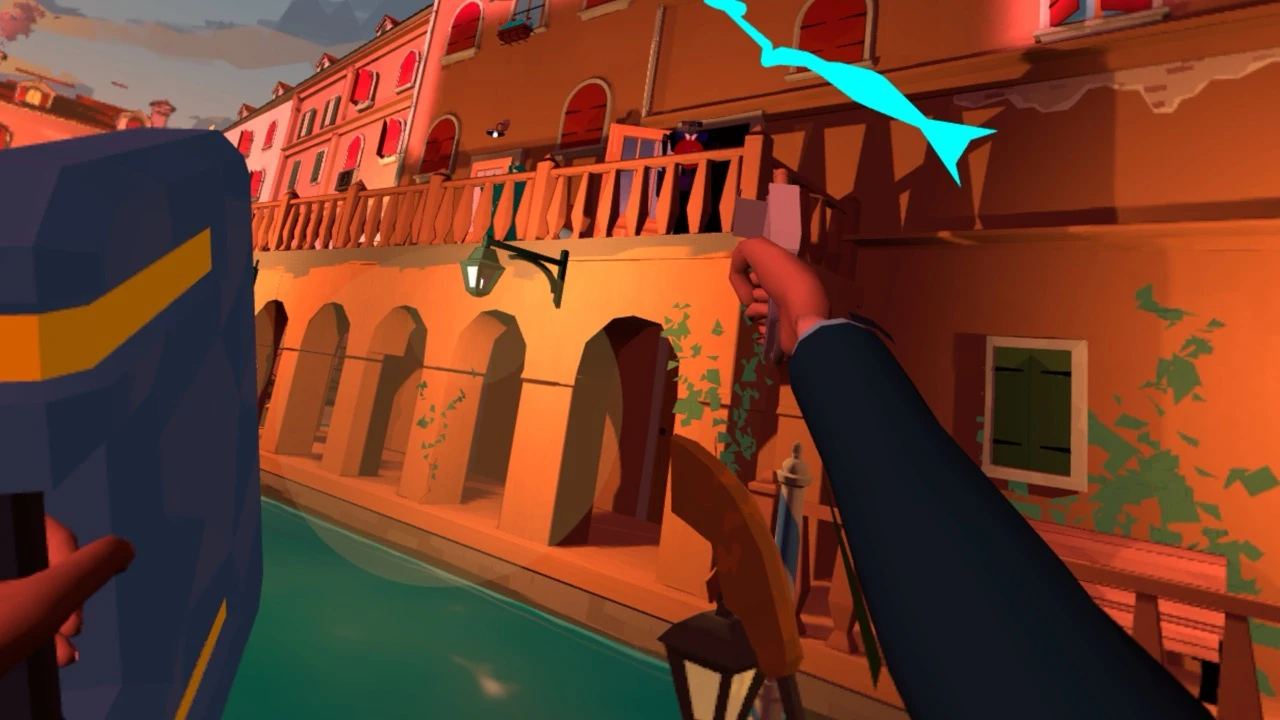
That lack of experimentation matters because the concept screams for improvisation. A spy puzzle game with time rewinding, multiple agents, gadgets, optional objectives, and physical handoffs should make you wonder if your messy plan might actually work. Spymaster is more about discovering the intended solution and performing it cleanly. That is still fun, but it keeps the game from becoming the brilliant VR puzzle playground it could be.
It also does not help that the Early Access build is very janky. Throwing objects is unreliable, which is a problem in a game where passing items between agents can be important. Interacting with small world elements, like computer buttons, can feel fragile. One time, the minidisc got stuck in the computer and I had to restart the whole level to fix it. There are clipping issues all over the place, and some can break the intended flow.
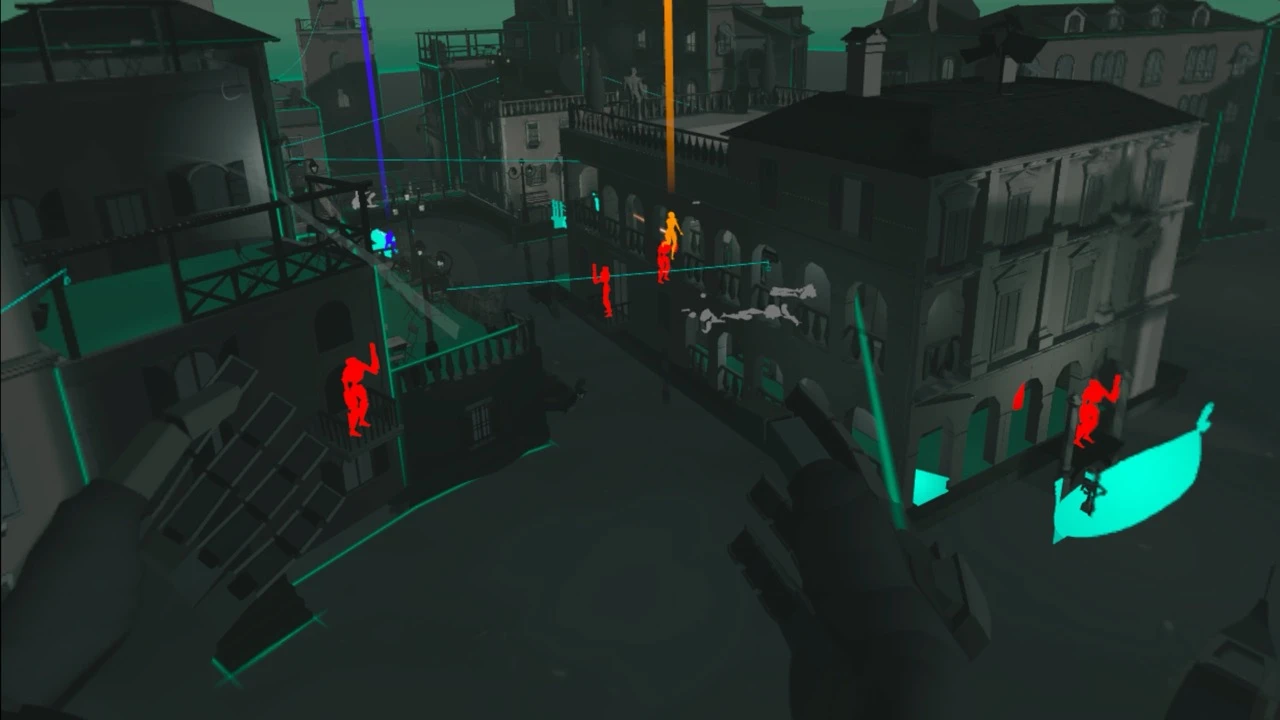
The movement assistance is another rough spot. There is an auto crouch system that looks and feels awkward, and the auto jump on ramps feels off too. I understand the goal, especially in a game with climbing, parkour, vents, shutters, and rooftop escapes, but these assists often make the body feel less connected to the world.
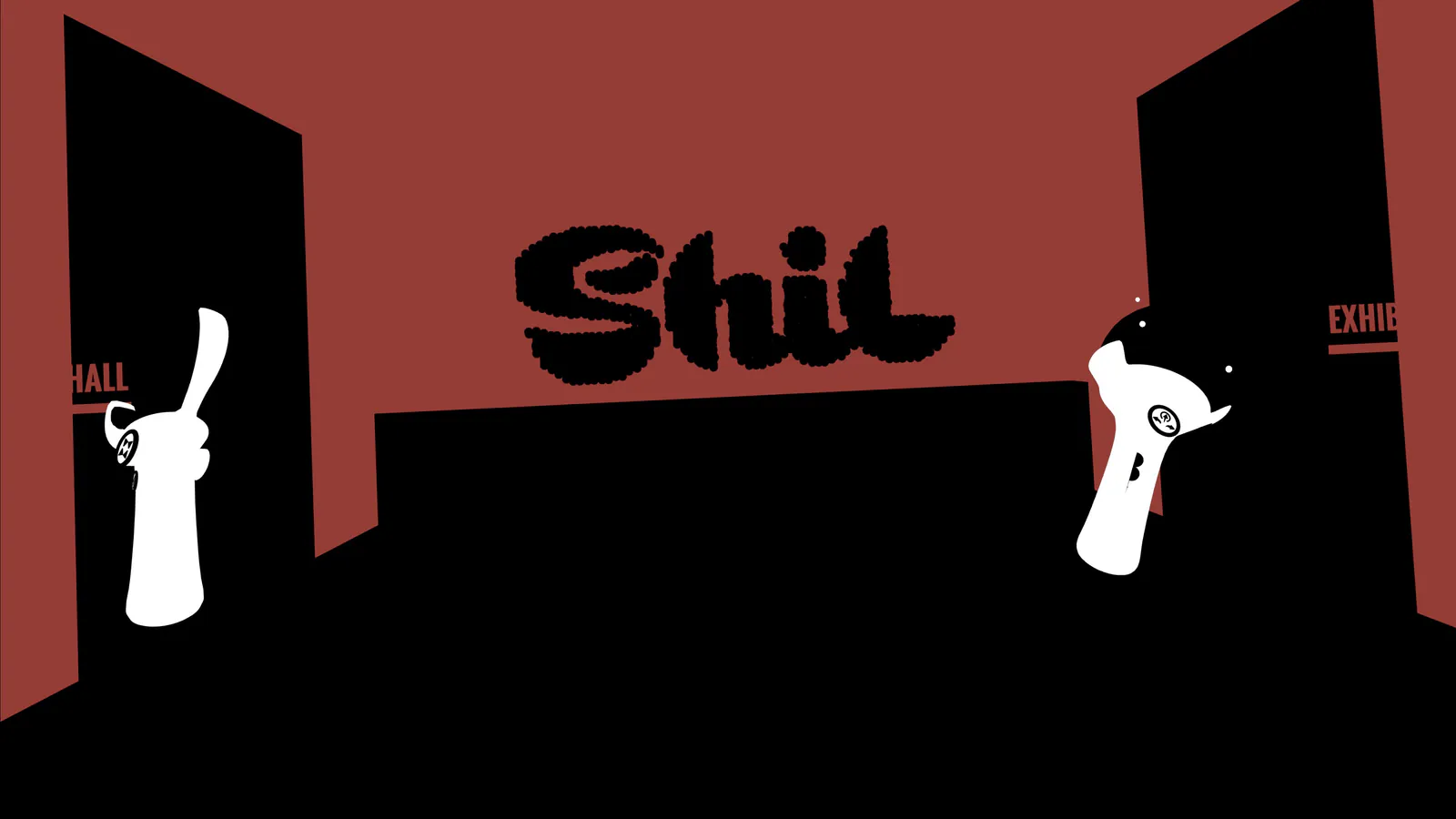
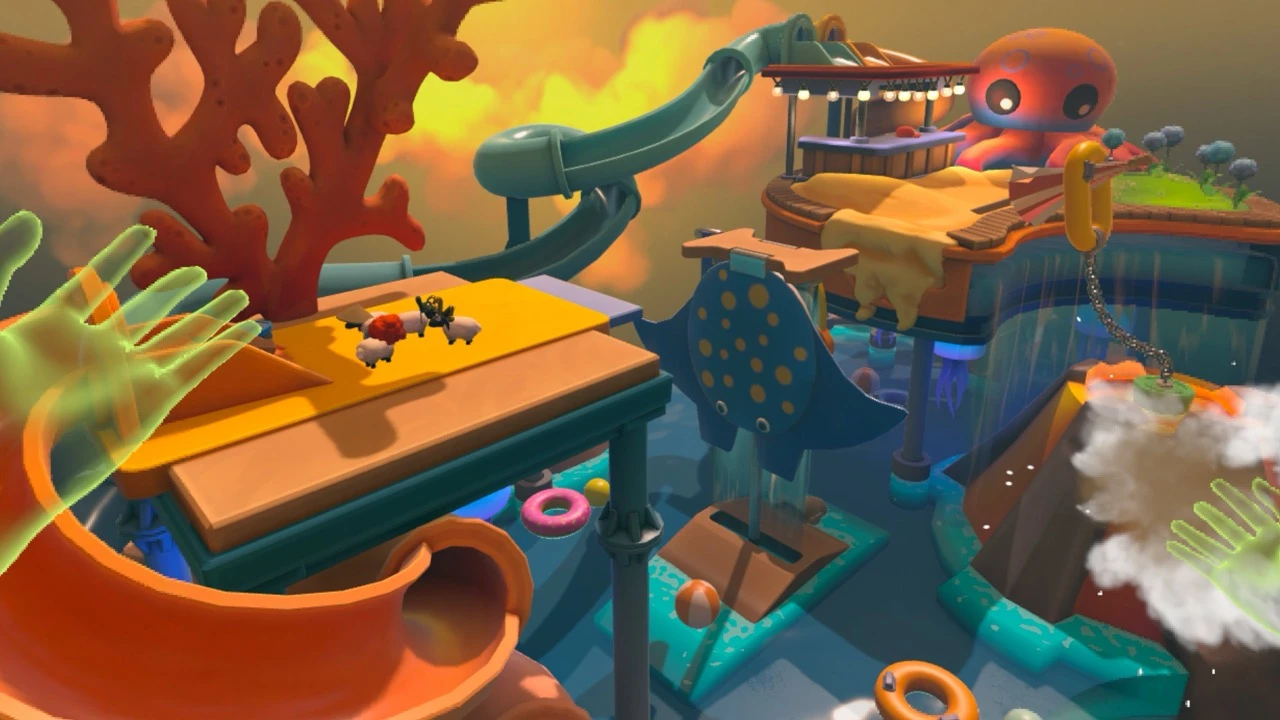
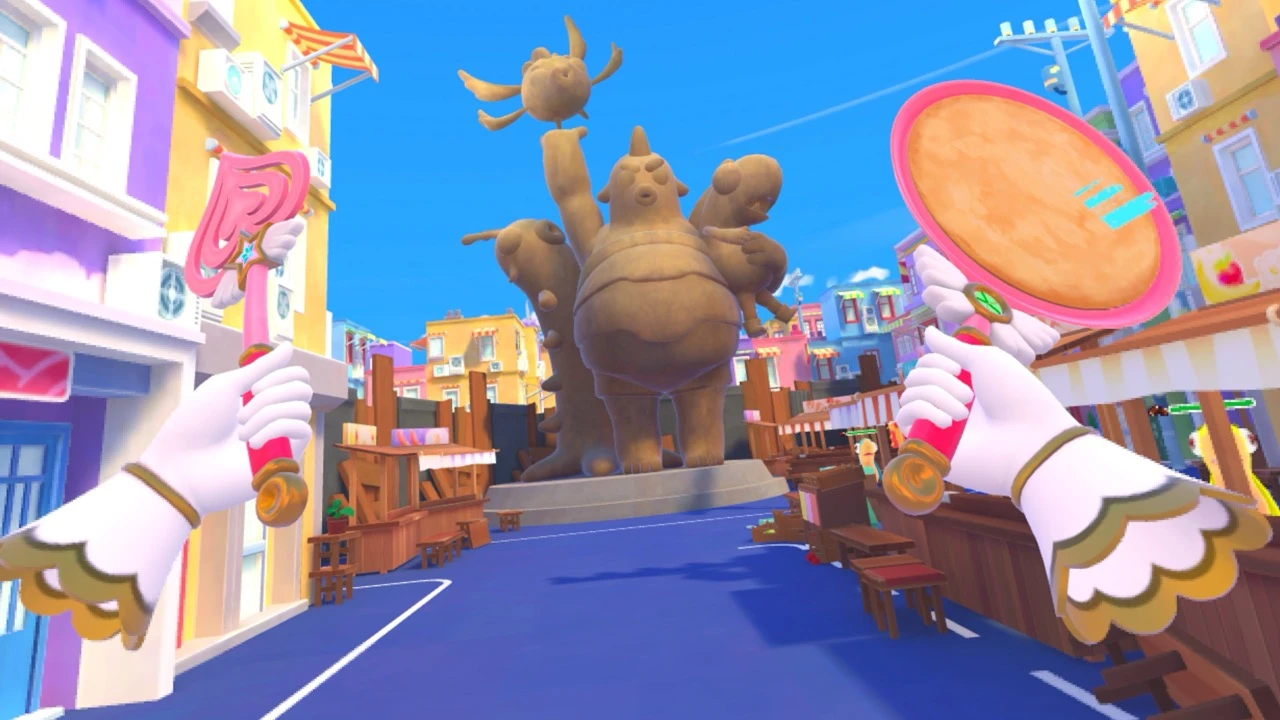
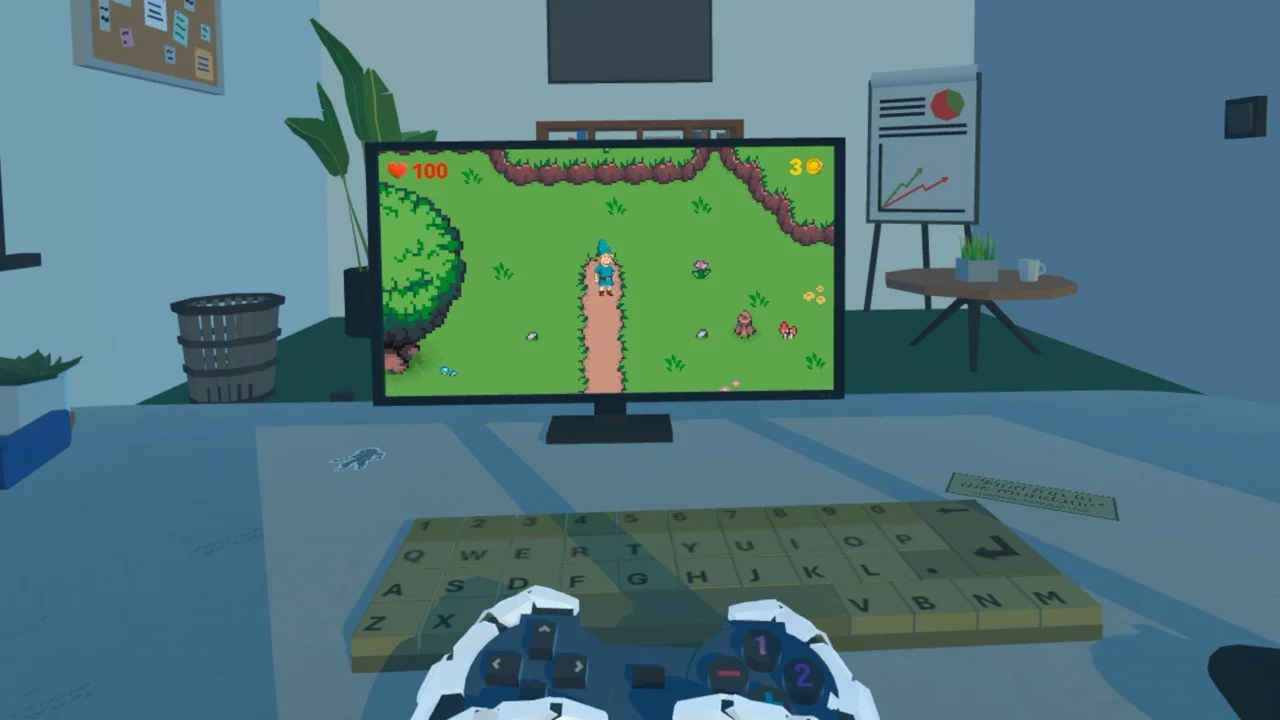
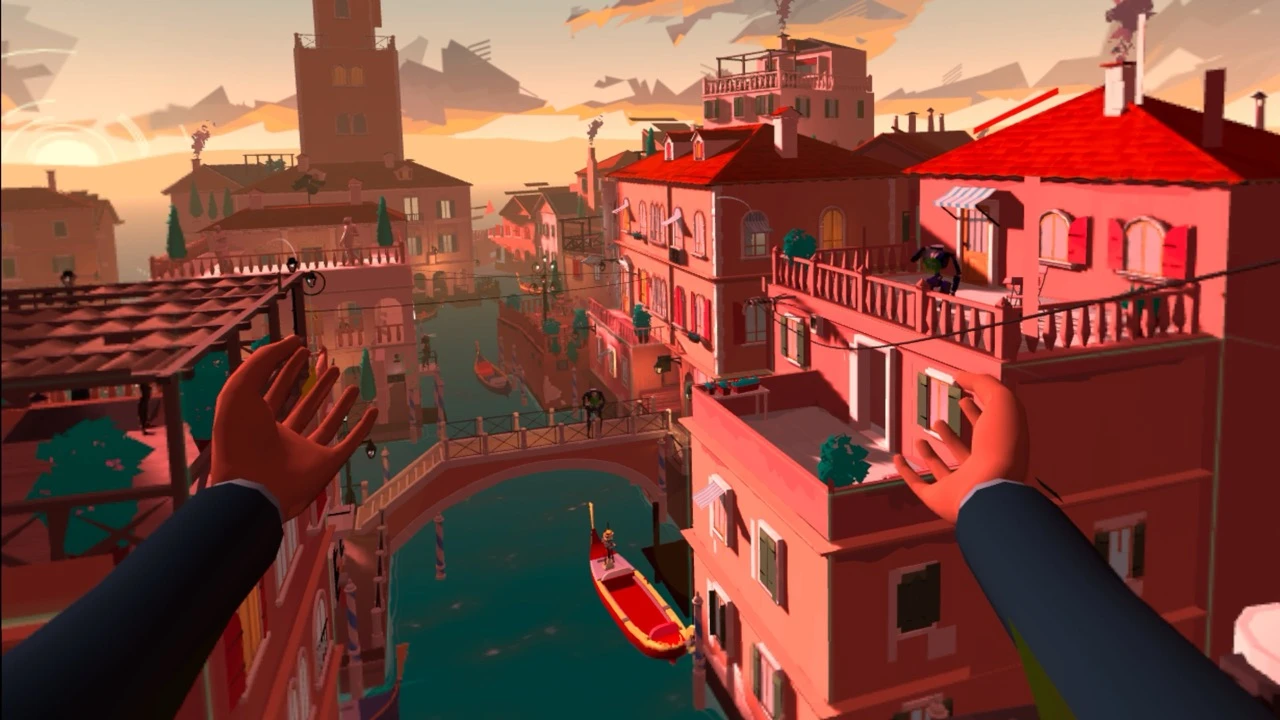
Visually though, Spymaster has a neat identity. It is colorful, vibrant, and playful without looking generic. The character models have these floating polygonal PNG-like pieces around them, which gives everyone a strange, stylish cutout look. It fits the spy-cartoon tone nicely and helps the game stand out.
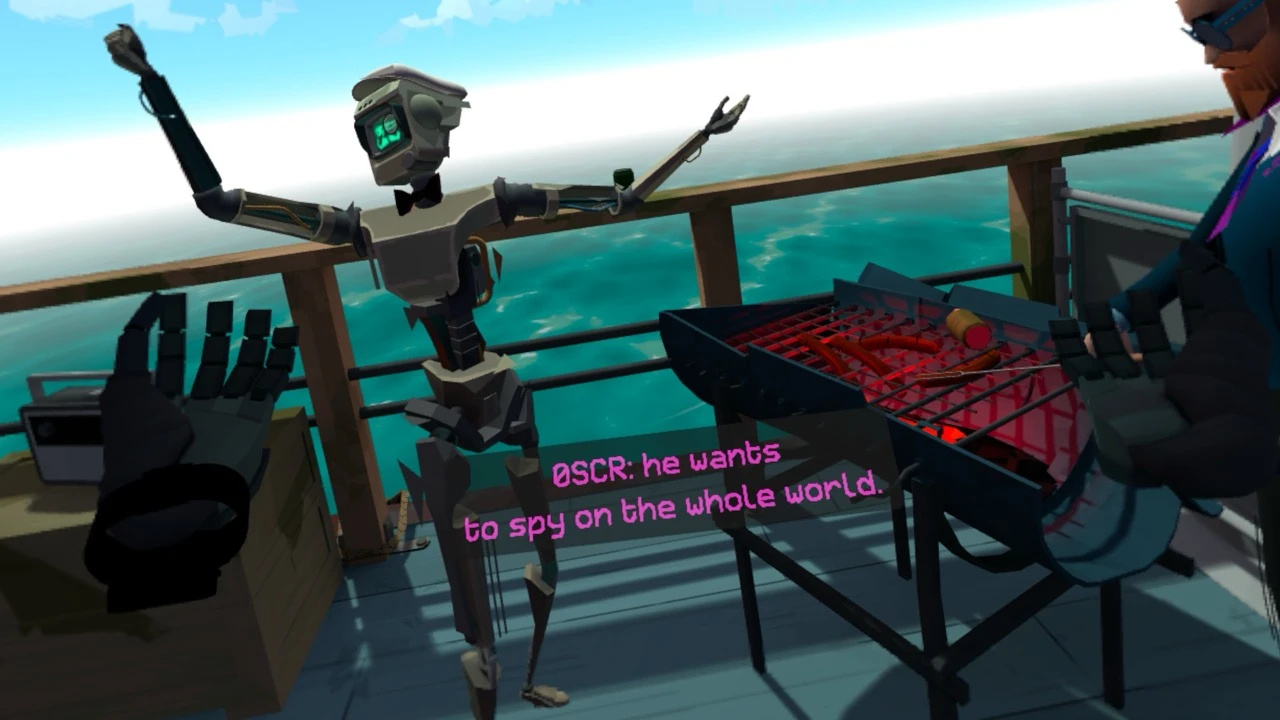
There are also VR challenge missions alongside the main story missions, and those are cool additions, but the current package still feels thin. That is the Early Access reality here. Spymaster is out on Meta Quest and PC VR, but it is not finished yet. There is no real ending in this build, and more content is planned for the near future.
I like Spymaster a lot as a concept. The solo co-op structure works, the best missions make you feel clever, and the spy fantasy is charming enough to carry the rough edges for a while. But the rough edges are very real, and the puzzles do not yet leave enough room for creative problem solving or replayability. It is a cool Early Access game with a strong central idea and a lot of polish still needed. Thanks for reading!
If you enjoyed this one, read our VAIL review and Galaxy Kart VR review next.