Skytail starts simple, then quietly turns into one of those VR games you keep playing longer than planned
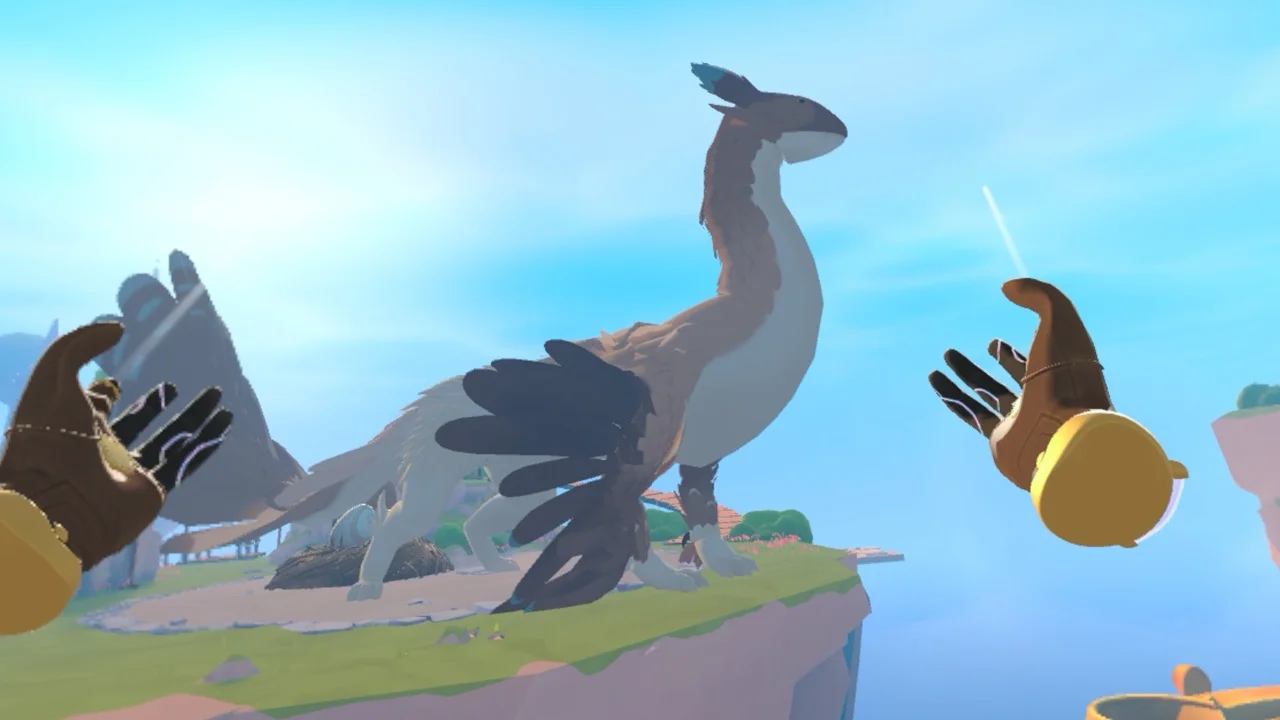
Skytail puts you in a bright fantasy world above the clouds, riding a massive birdlike companion while hunting down the creatures that stole its offspring. The setup is straightforward, your peaceful life gets wrecked, the rescue mission begins, and suddenly you are gliding through sky lanes full of corrupted enemies that want to stop you. It is not trying to be a heavy narrative epic, but the emotional hook works, and the quieter island breaks between levels help that bond land.
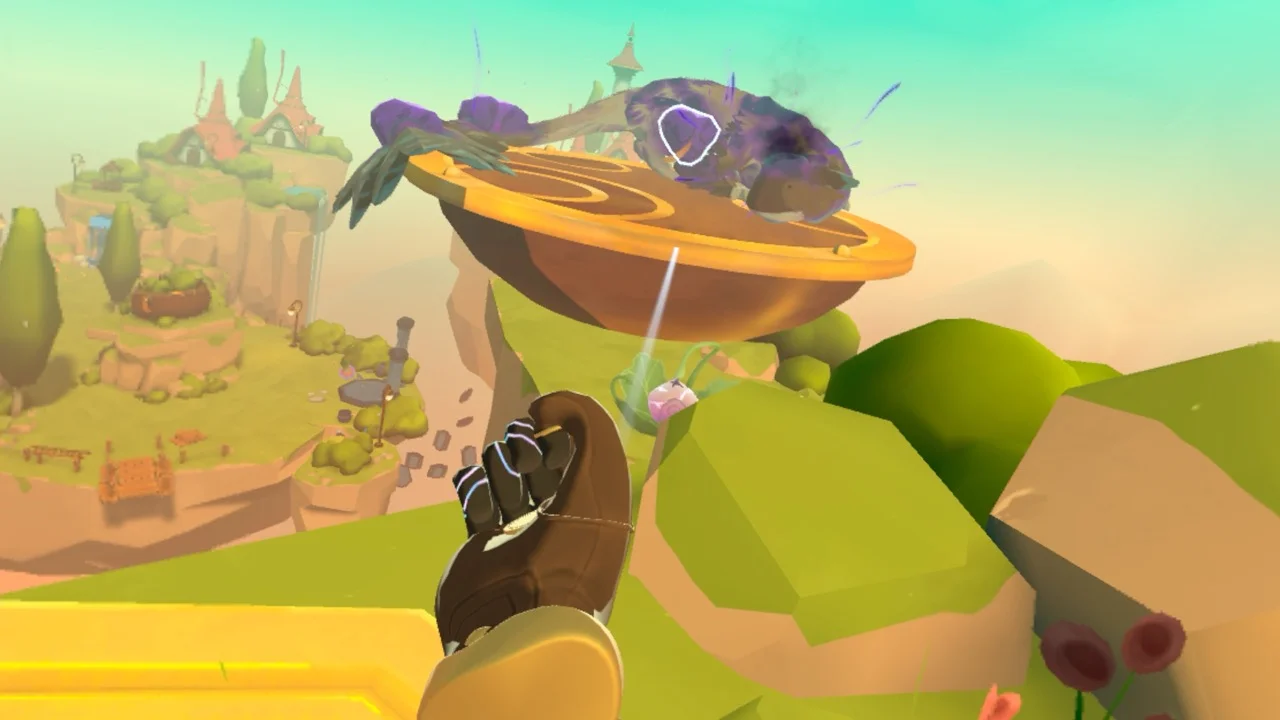
If you look at Skytail from a distance, it might seem like a rail shooter with a different skin. In practice, it feels more like an on-rails telekinetic action game where your reaction speed matter more than aim. You are not firing guns, you are grabbing enemies and objects out of the air, reshaping the fight in real time, and creating your own chain reactions. It is a smart twist on a familiar structure.
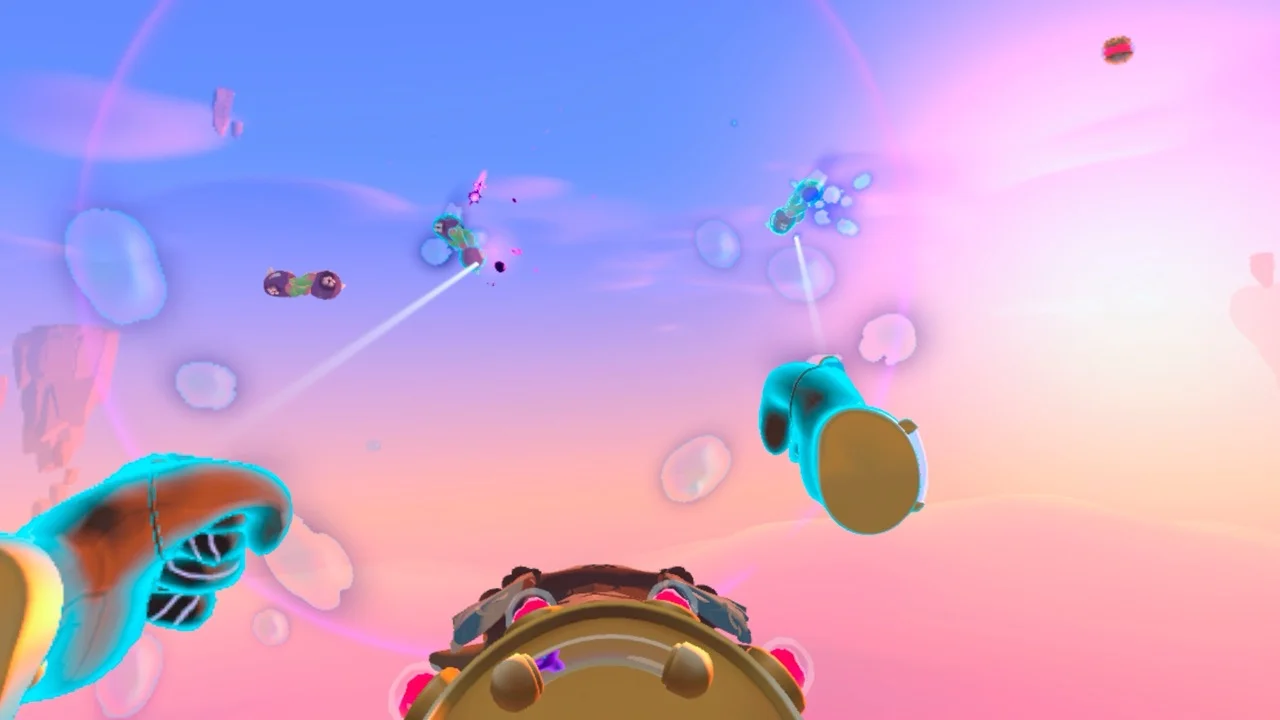
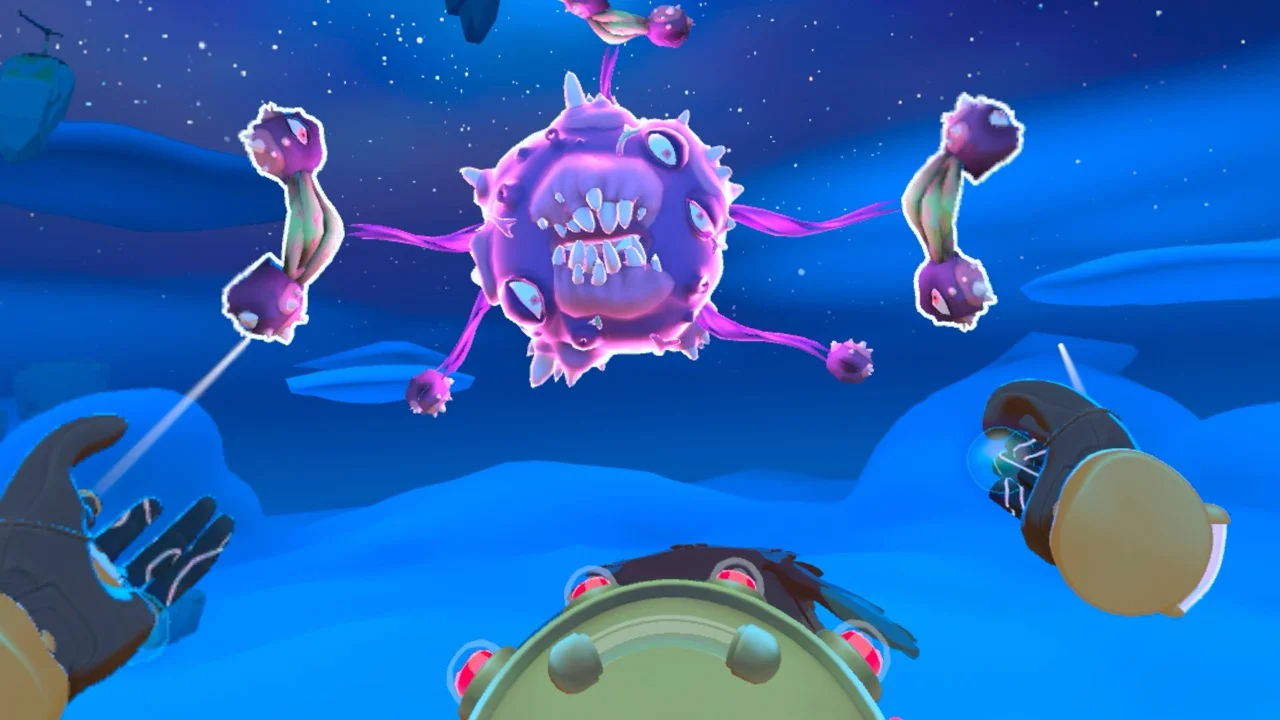
The core loop is easy to understand. You catch an enemy, drag it, slam it into another enemy, or crush it if that target type allows it. Some enemies need specific handling, some need to be held in place first, some need to be hit with another object or creature. You can also pull in incoming projectiles, supercharge them by moving your hands, then crush them for a large explosion damage. There is a good rhythm to it when everything clicks. Grab, read, react, throw, block, repeat.
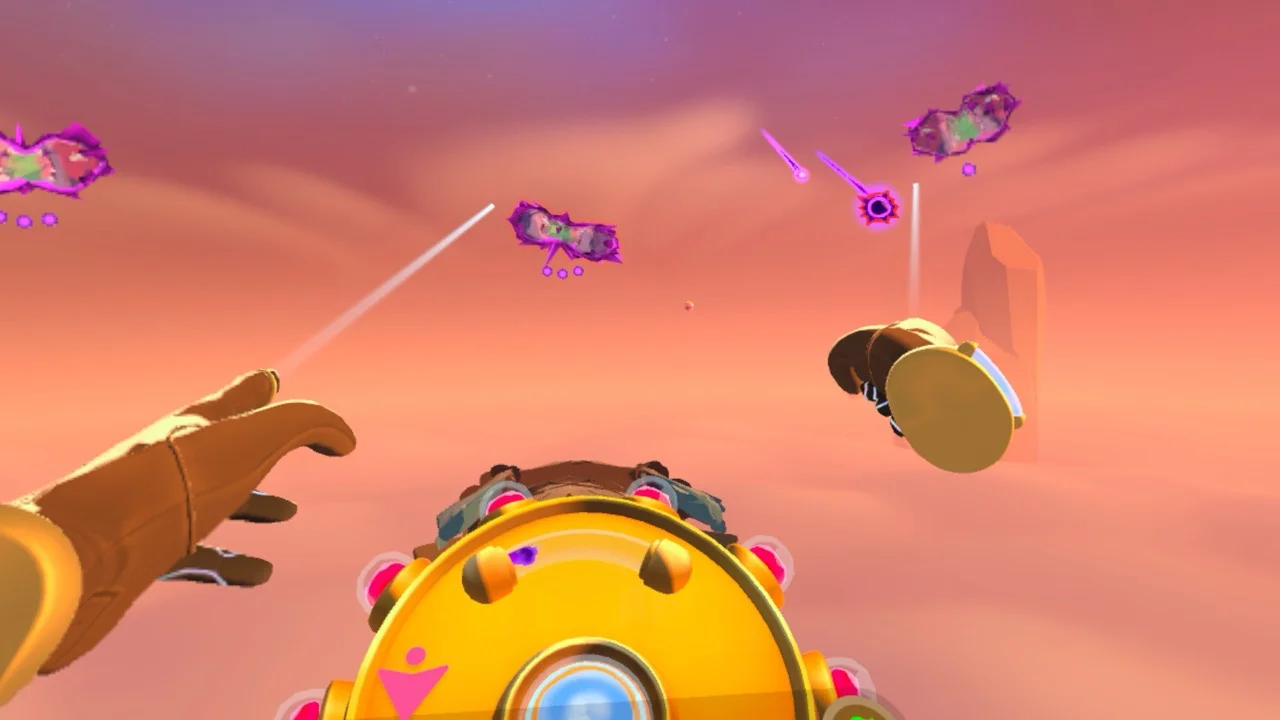
The gesture controls are where Skytail either wins you over or loses you, and for me they absolutely worked. Telekinesis feels responsive and physical enough to stay fun through long sessions. When you block incoming projectiles with your shields and send them right back, it creates that satisfying VR moment where your body and the system are fully synced. You are not pressing a counter button, you are actually performing the counter.
What I liked most is how the game expands your move set at a steady pace. Early on, it can feel almost too simple, especially if you are expecting deep systems from minute one. But then new enemy behaviors, more demanding encounter layouts, and additional power interactions start stacking up. A few levels later, the same mechanics that felt basic now demand faster prioritization and cleaner execution. You end up sweating, not because the game becomes unfair, but because it asks you to process more things at once.
That progression curve is probably Skytail's strongest design choice. It teaches through repetition, then tests through pressure. You begin by learning what each power does in isolation, then later levels force you to combine them without hesitation. Should you crush this enemy now, hold that one to stop movement, parry the projectile, or supercharge an object for a blast that clears the lane? The best moments come when you make those decisions instinctively and feel the payoff immediately.
I also appreciate that combat is not only about offense. Defensive play matters, and the shield mechanics are not just a backup option. Reading projectile patterns, timing the block, then returning that same energy to the source feels great. It creates short bursts of tactical clarity inside all the chaos.
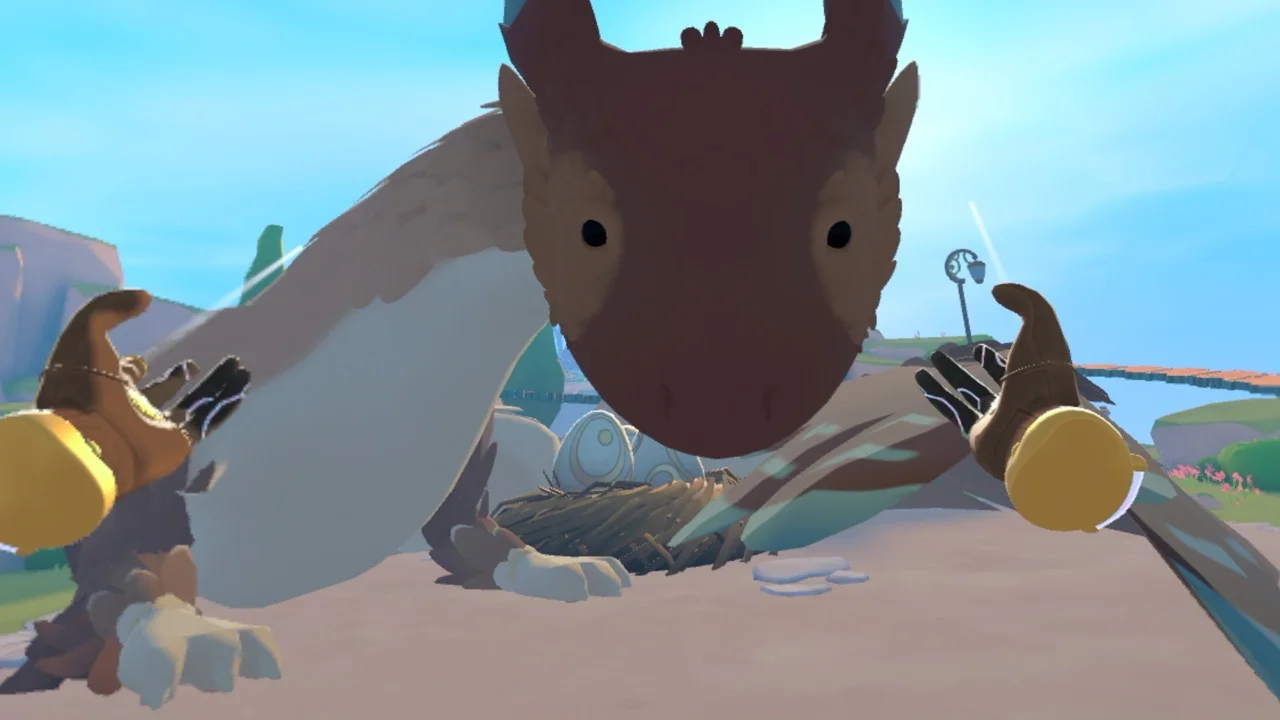
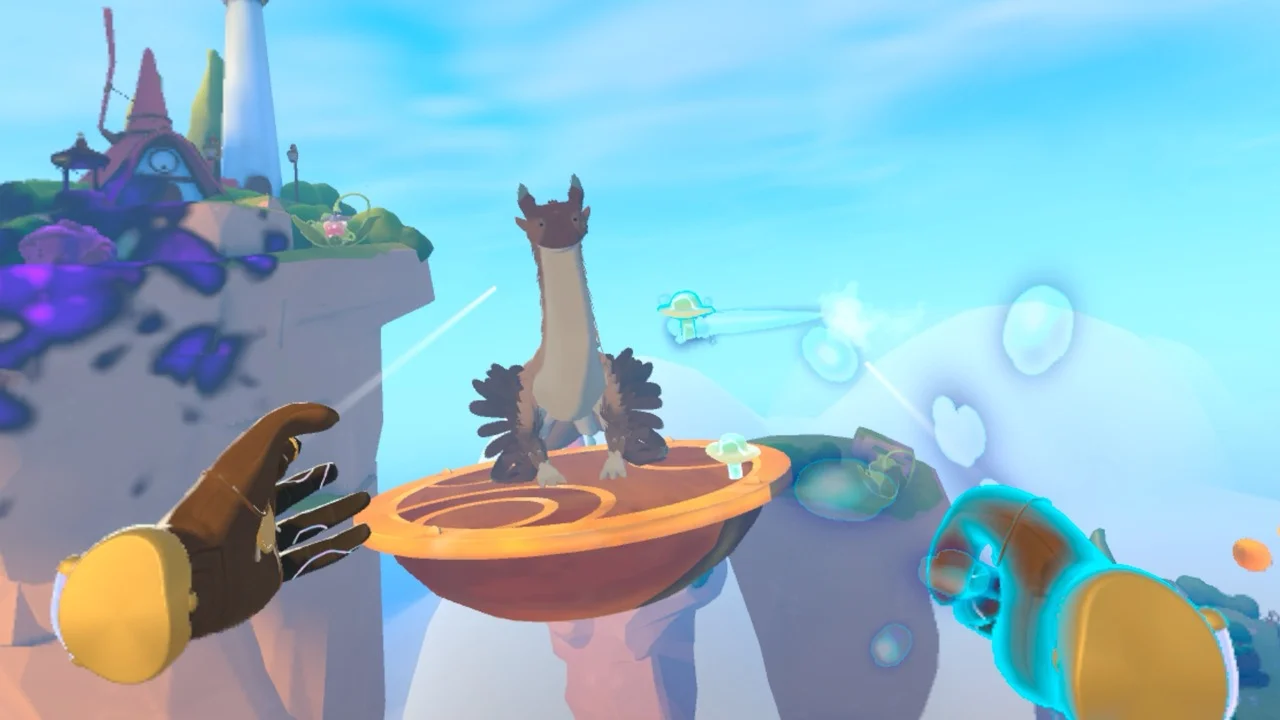
Outside combat, the island hubs are a nice decompression space, though this is one area where I wanted more. Petting and feeding your Skytail companion is charming, and it adds warmth to the world, but interactions feel limited compared to how central that relationship is in the story. I kept expecting more activities, more playful systems, or even small bonding mechanics that evolve over time. What is there is good, it just feels like the beginning of something richer.
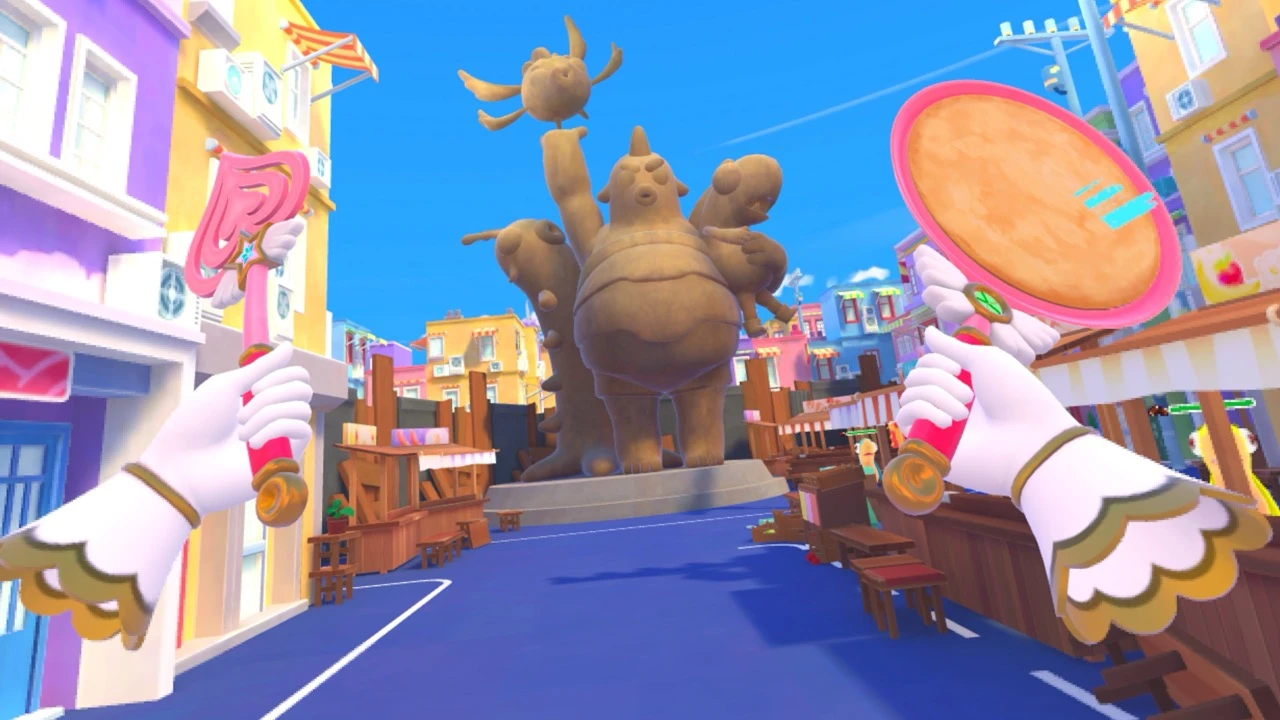
Presentation is another clear win, especially on Meta Quest 3. The game has strong color work and a vibrant skybound aesthetic that makes every run pleasant to look at. Environments are readable during fast action, enemies are distinct enough to parse quickly, and effects communicate your powers well without cluttering the scene. It is the kind of art direction that supports gameplay instead of fighting it.
Audio gives enough punch to telekinetic impacts, and music supports the adventurous tone without becoming noisy. Performance on Meta Quest 3 stayed stable in my sessions, which is crucial for a game built around constant movement and hand-driven combat.
What surprised me most is how sticky the game is once it gets going. I expected a short test run because the early structure looked simple, but I stayed in for around three hours. The loop keeps handing you just enough pressure and just enough variety to keep pushing forward.
The game is not flawless. It could use deeper companion interaction between missions, and a few more environmental systems in the hub areas would help the world feel less static. But its main promise, flying through the clouds with telekinetic powers and surviving escalating encounters, is delivered well. The action feels good in your hands, the pacing improves as you progress, and the whole package has a clear identity.
Skytail is an easy recommendation for Meta Quest 3 players who want action that feels physical without becoming overcomplicated. It starts off light, then builds into something demanding and kinda hard to put down.
If you like VR games where your hands do the real work, Skytail is worth your time. It does not reinvent the medium, but it knows what makes this platform fun and leans into it. I had a great time with it, and I recommend it.