Electrician Simulator VR is an easy to enjoy, hands-on VR simulator that turns everyday electrical jobs into something surprisingly relaxing and addictive on Quest 3
Electrician Simulator VR is one of those games that quietly sneaks up on you. At first glance, it looks like another straightforward job simulator, the kind where you follow instructions, fix a thing, get paid, move on. But once you put on the headset and start working with your hands, it becomes clear that this one understands why VR simulators can be so satisfying when they get the basics right.
I have played a lot of VR simulators over the years, from farming to car repair to power washing, and I genuinely enjoy most of them. Electrician Simulator VR comfortably sits among the better ones. It is easy to pick up, very accessible, and consistently fun to play. More importantly, it nails that simple pleasure of doing practical tasks in VR, where every small action feels tactile and deliberate.
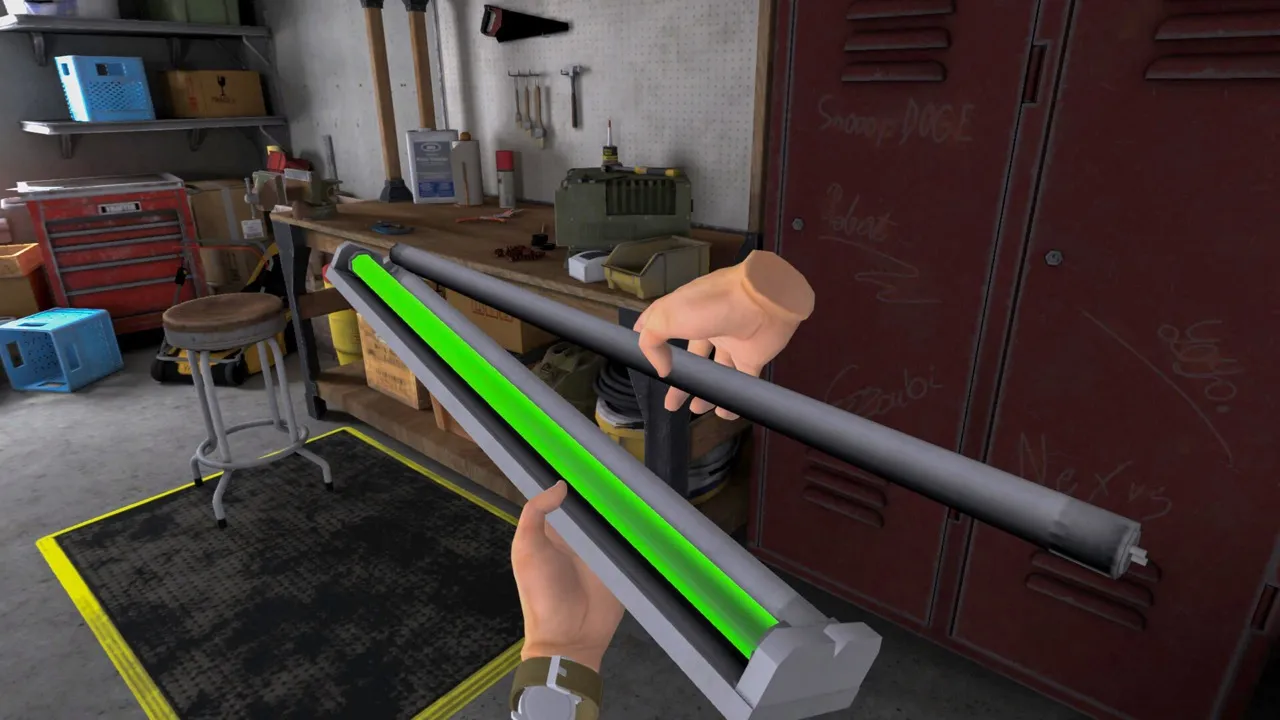
The game puts you in the role of an electrician building their business from the ground up. There is no deep narrative or dramatic twists here, but that is not a problem. Instead, the game uses a light framework of jobs, customers, and progression to give you a sense of purpose. You start with small, basic tasks like changing lightbulbs or fixing outlets, then gradually move on to more involved jobs that require proper diagnosis and repair.
This structure works well for VR. Each job feels like a self contained little puzzle, and the progression is steady without ever feeling overwhelming. You earn money, unlock better tools, and take on more complex tasks. It feels natural and grounded, like you are slowly gaining confidence and experience rather than being thrown into advanced systems too quickly.
What I appreciated most is that the game never pretends to be something it is not. It does not try to tell a big story or overcomplicate things. The focus is always on the work itself, and that is exactly where a game like this should shine.
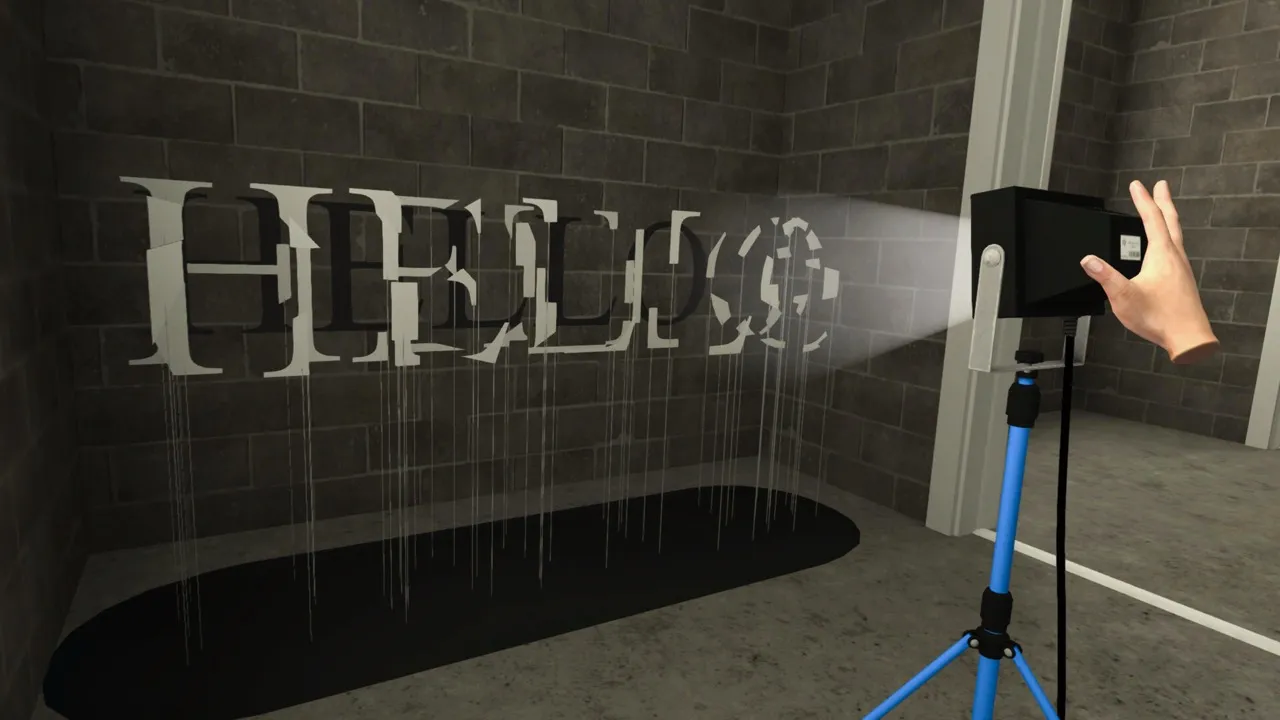
The core gameplay loop is simple but effective. You arrive at a job, assess the problem, gather the right tools, and fix what needs fixing. In practice, this means changing lightbulbs, checking how wires are linked, pulling plugs, replacing broken components, and making sure everything is connected correctly before restoring power.
A lot of the fun comes from how hands on everything feels. You physically grab objects, pull cables, unscrew panels, and plug things back in. Tearing down old controllers and consoles, soldering components, and screwing everything back together is surprisingly addictive. These are not flashy actions, but in VR they become engaging in a way flat screen games simply cannot replicate.
The game does a good job of teaching you its systems without heavy tutorials. Visual cues, clear objectives, and logical interactions guide you through each task. Even if you know nothing about electrical work, it is easy to understand what the game expects from you. That accessibility is one of its biggest strengths.
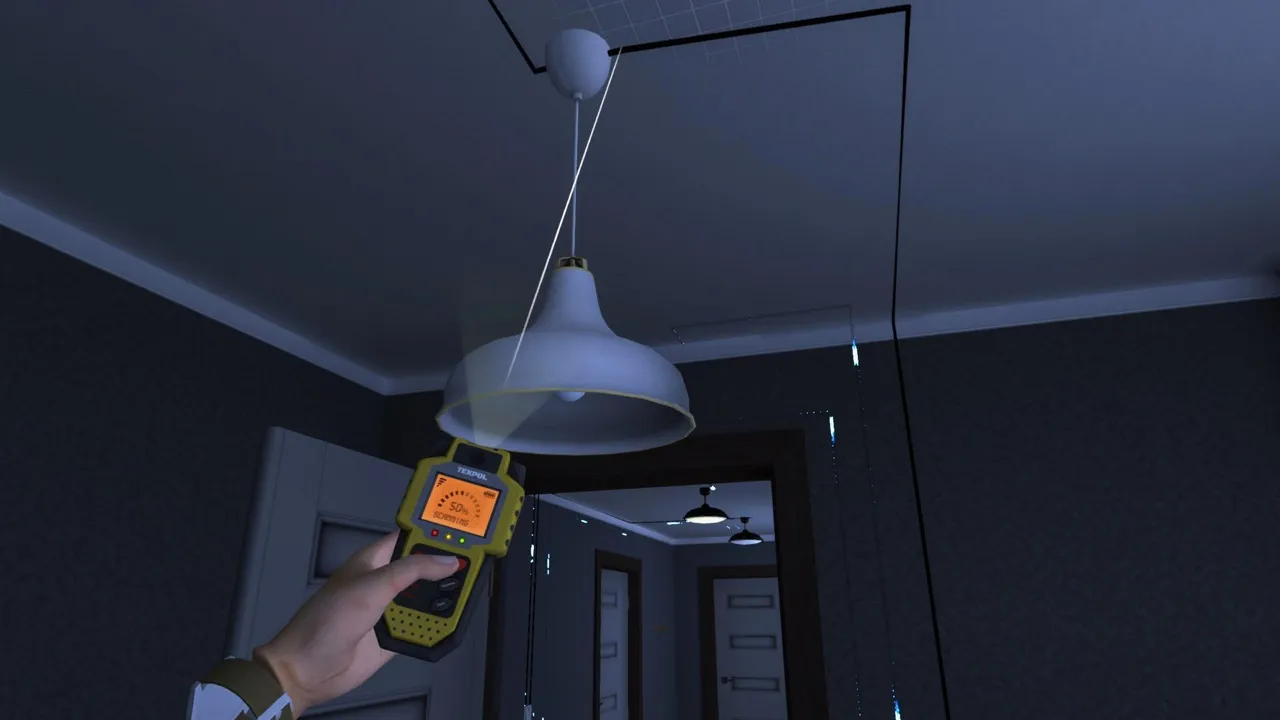
There is also a nice sense of freedom in how you approach jobs. You can pick up and move a lot of objects in the environment, not just the ones directly related to the task. Throwing tools on the floor, placing components on nearby surfaces, or just experimenting with how things connect makes the space feel more like a real workspace than a rigid puzzle room.
Mistakes are handled in a forgiving way. If something does not work, you can usually trace the problem back and fix it without frustration. This keeps the pace relaxed and enjoyable, which fits the overall tone of the game very well.
This is where Electrician Simulator VR really shines. The physicality of the interactions feels good on Quest 3. Grabbing objects is responsive, tools behave in predictable ways, and most actions feel natural after just a short time. There is a rhythm to the work that becomes almost meditative once you settle into it.
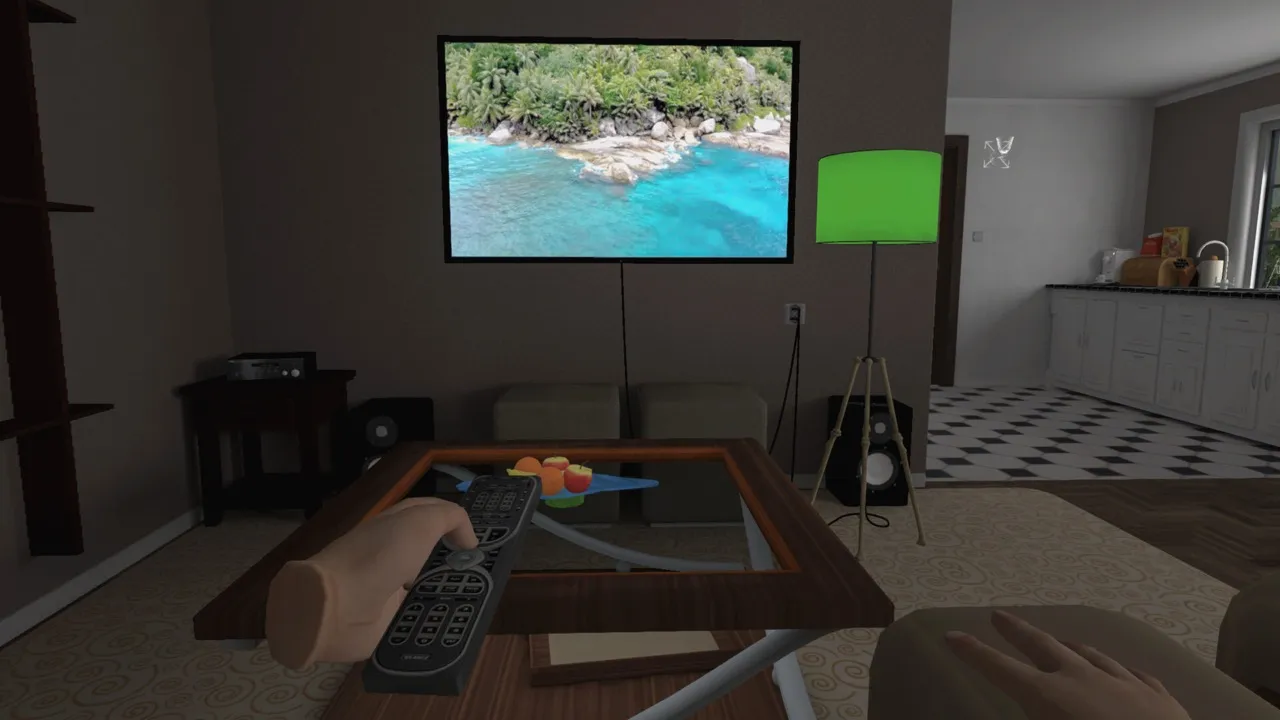
Changing a lightbulb might sound boring on paper, but in VR it becomes a small, satisfying task. The same goes for checking wiring, pulling out faulty plugs, or carefully soldering components. These moments add up, and before you know it, you have spent a solid chunk of time happily fixing virtual electrical problems.
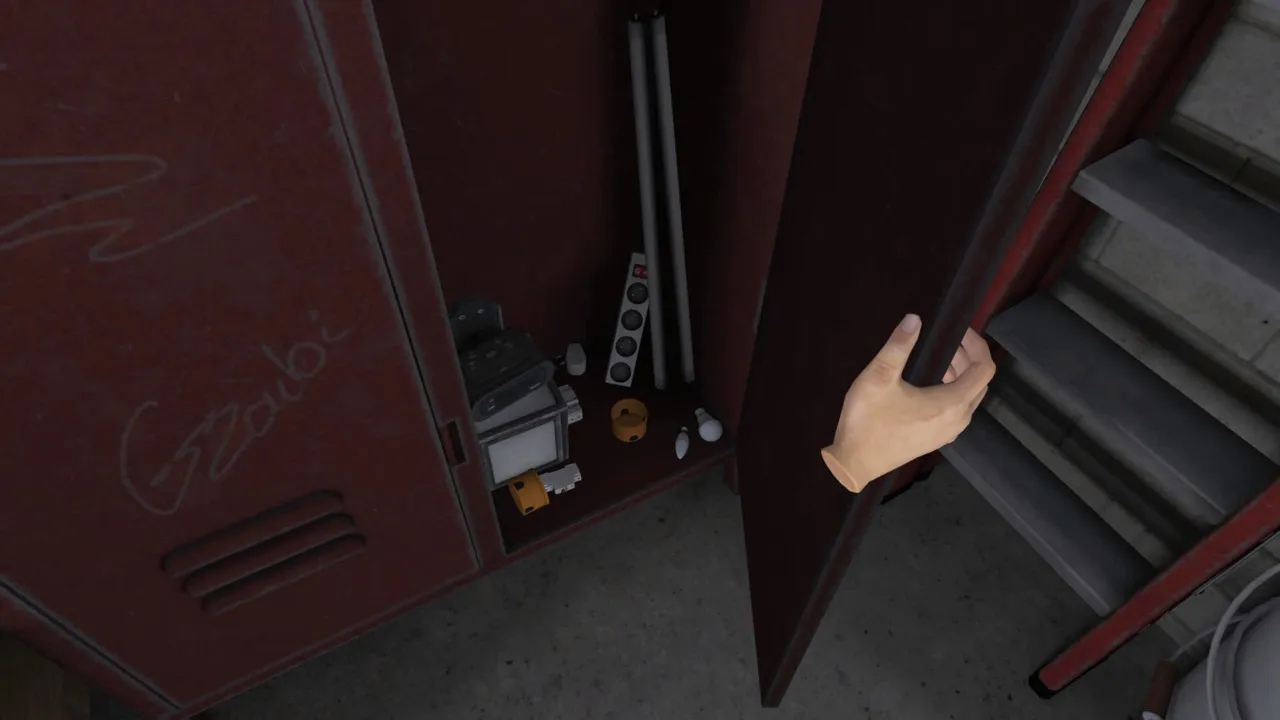
The game also does a good job of avoiding unnecessary complexity. It respects your time and your comfort, which is important in VR. Sessions can be short or long depending on how you feel, and the game never pressures you to rush through tasks.
Visually, Electrician Simulator VR looks clean and pleasant on Quest 3. It is not trying to push realism to extremes, but the environments are detailed enough to feel believable. Apartments, workshops, and job locations have a lived in feel, with plenty of objects you can interact with. I really like how the game looks overall. The lighting is clear, objects are easy to read, and important details stand out without breaking immersion. Performance is solid too, which helps maintain comfort during longer play sessions.

Electrician Simulator VR is not a game that tries to impress you with big ideas or dramatic moments. Instead, it focuses on doing one thing well, making everyday electrical work fun and satisfying in virtual reality. That focus pays off.
I genuinely enjoyed my time with it, and it is one of those games I can see myself coming back to just to relax and fix a few things. If you like hands on VR experiences where you can pick things up, pull them apart, and put them back together, Electrician Simulator VR is absolutely worth your time on Quest 3. Thanks for reading!