Crossings is a challenging VR action roguelite set in a Norse-inspired afterlife, with excellent melee combat, gesture-based magic, and strong replay value.
Crossings is a VR action roguelite set in a bleak, Norse-inspired afterlife, and it ends up being a lot more compelling than it might first appear. You play as a fallen warrior moving through hostile realms filled with goblins, draugr, and other mythic creatures, trying to push further with each run while slowly getting stronger. It is familiar in structure, but the way it handles combat and atmosphere makes it stand out on Meta Quest 3.
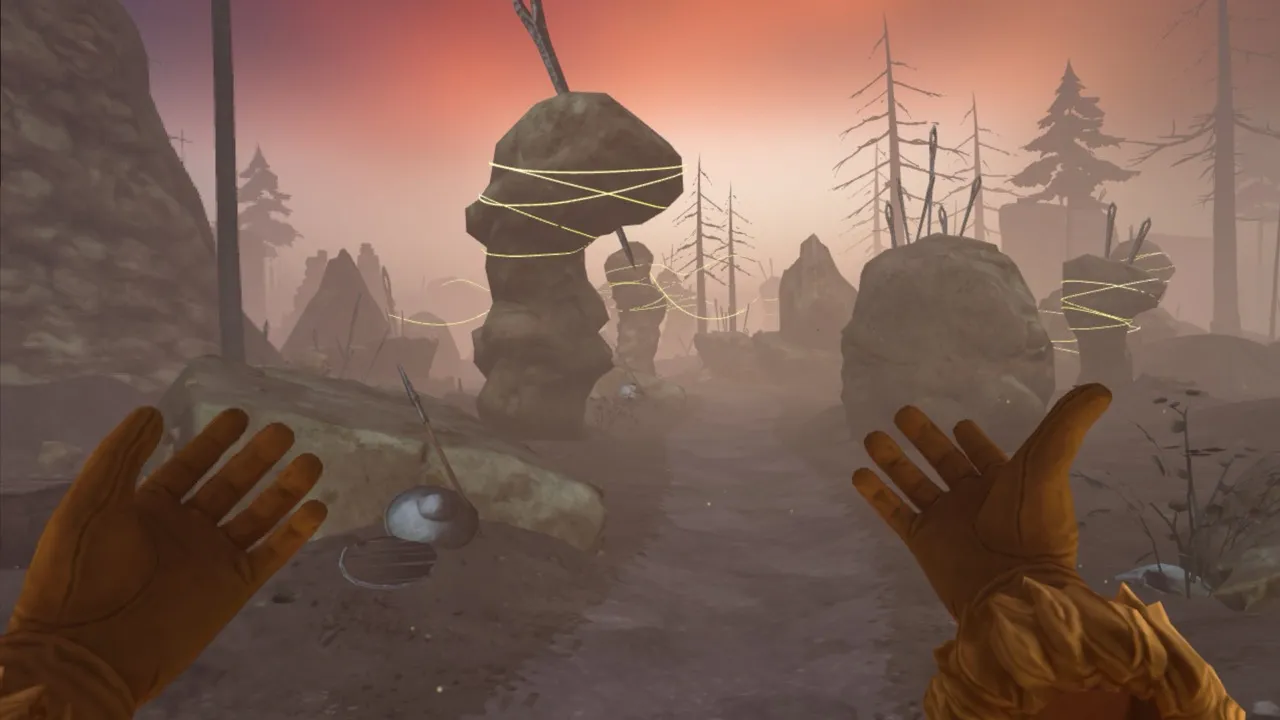
The story is light but effective. You are not here for long cutscenes or heavy exposition. Instead, the world itself does most of the storytelling. Each area feels like part of a broken afterlife, with ruined structures, foggy landscapes, and an ever-present sense that this place does not want you here. There is a clear theme of death, trial, and rebirth that fits the roguelite loop well. Every run feels like another attempt to earn your place, or at least survive long enough to understand what this world is.
Gameplay is where Crossings really shines. At its core, this is a combat-driven game, and the combat is excellent. You fight primarily with melee weapons like swords, axes, and clubs, combined with gesture-based magic that you cast by physically moving your arms. This blend works surprisingly well and feels built specifically for VR rather than adapted from a flat game.
Melee combat is deliberately challenging. Enemies are aggressive, they attack in patterns, and they punish mistakes hard. You cannot just flail your weapon and expect to survive. Blocking and parrying are essential, and positioning matters a lot. If you mistime a block or get surrounded, your health can disappear very quickly. This gives fights a tense, almost soulsborne-like rhythm, especially as you progress deeper into a run.
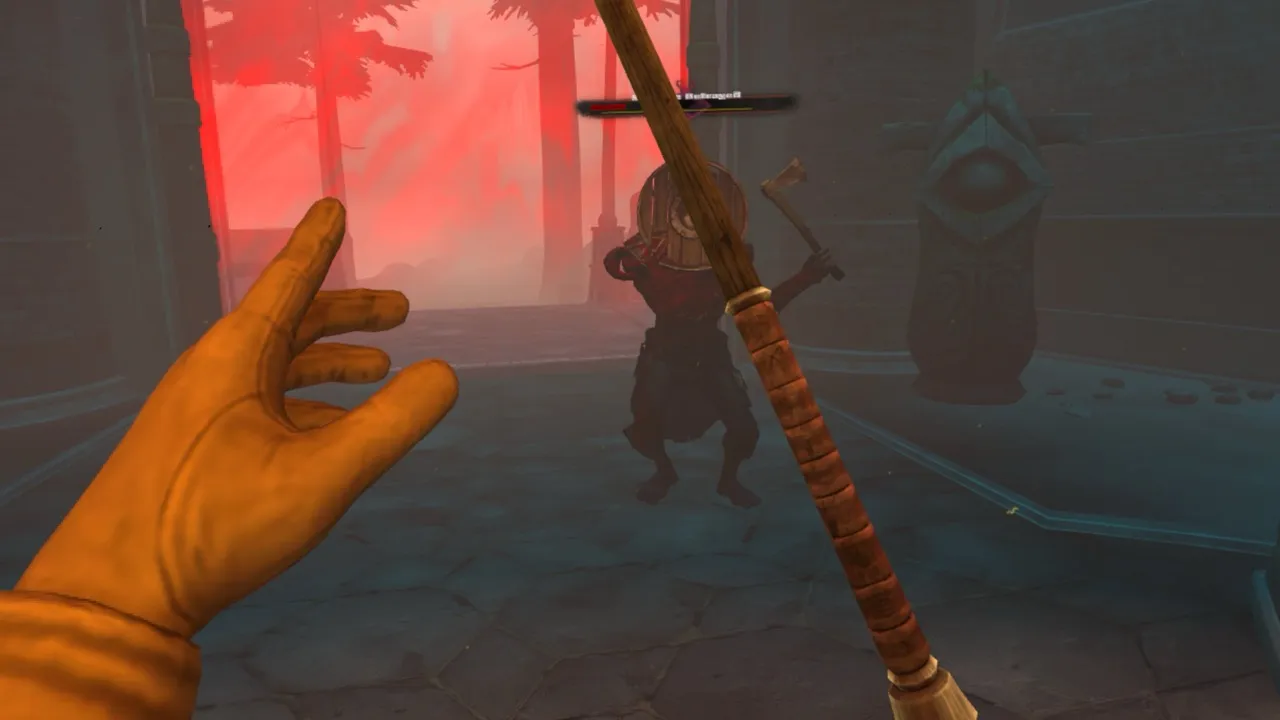
Weapons are handled in a proper roguelite fashion. Every run you pick up new gear, and each weapon can roll with different attributes and effects. What makes this interesting is that weapons are not just stat sticks. They have specific combo mechanics tied to how you swing them. Slashing in certain directions or chaining attacks correctly can trigger stuns, fire effects, or poison damage. It rewards learning how each weapon behaves and encourages experimentation instead of sticking to one safe option.
Magic is where the combat really comes alive. Spells are cast using gestures by performing movements with your arms. It sounds simple, but in practice it feels great. Casting a spell mid-fight, then following it up with a well-timed melee combo, creates some genuinely cool moments. There is a strong sense of flow when everything clicks, especially in longer encounters where you are switching constantly between steel and sorcery.
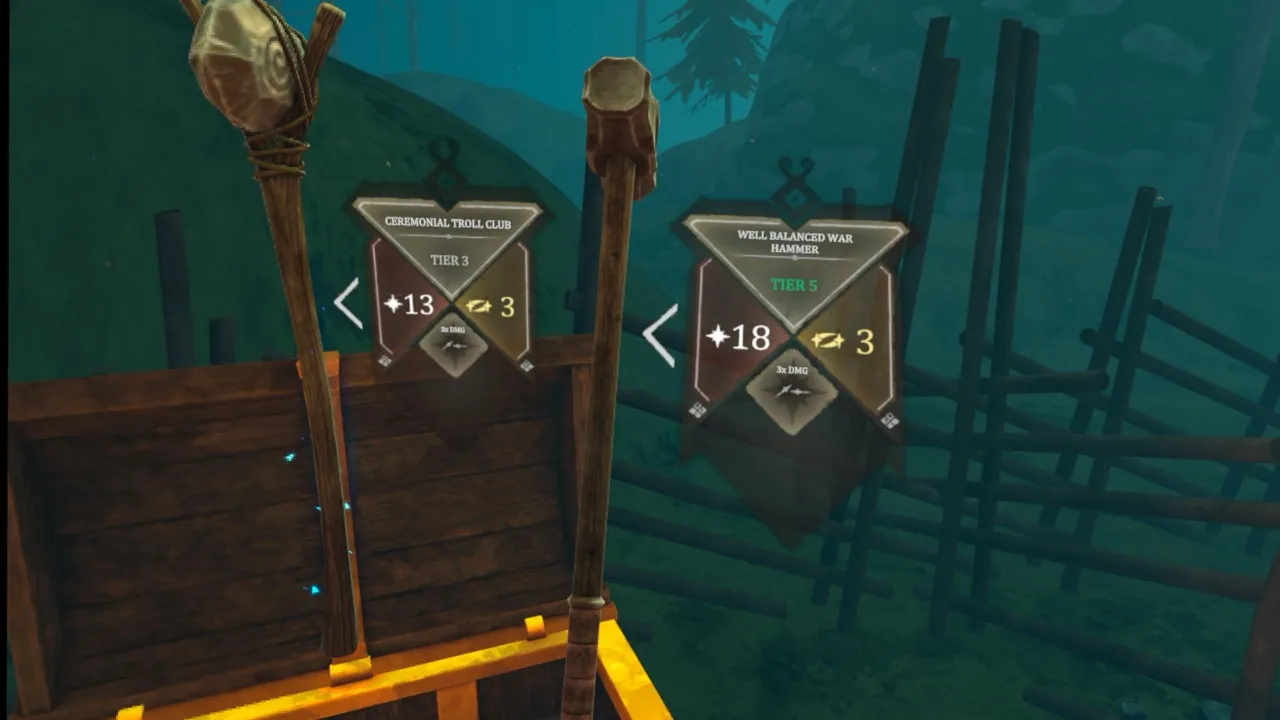
As you push further into a run, the difficulty ramps up fast. Enemies hit harder, encounters become more complex, and mistakes are punished even more severely. Boss fights are a big part of this. They are tough, they demand attention, and they will absolutely destroy you if you are underprepared. Picking up extra hearts to increase your health, or passive buffs that improve damage or defense, is often the difference between success and an abrupt end to the run.
That said, the game is not perfectly balanced. There is one very obvious trick that can trivialize a lot of the challenge, and that is using club-type weapons. Clubs can stun enemies extremely easily, and with a simple two-hit combo you can lock enemies in place and tear through them. This works not only on standard enemies but also on bosses, which makes the later parts of the game much easier than intended. It does not ruin the experience, but once you discover it, it is hard to ignore, and it does take some tension out of the fights.
Progression outside of individual runs is straightforward but satisfying. You unlock upgrades and improvements that make future attempts more manageable, without removing the challenge entirely. It keeps the game feeling fair, even when you fail repeatedly, because each run still contributes to your overall growth.
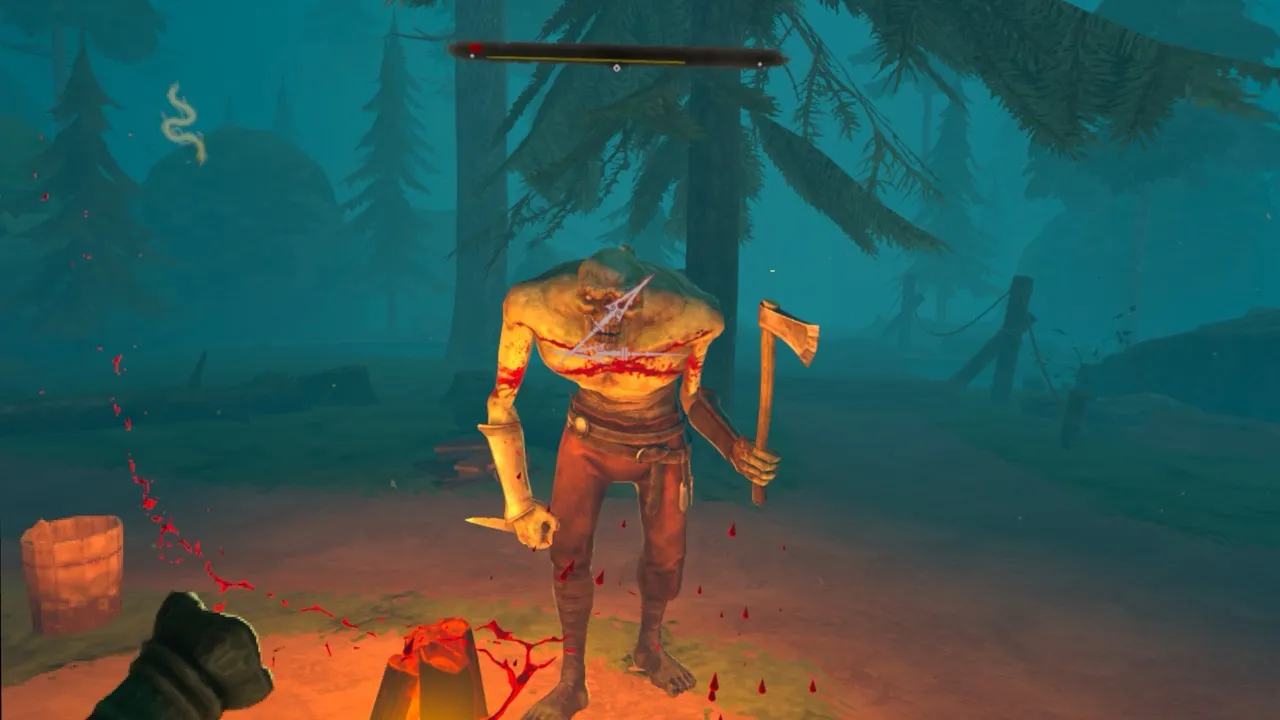
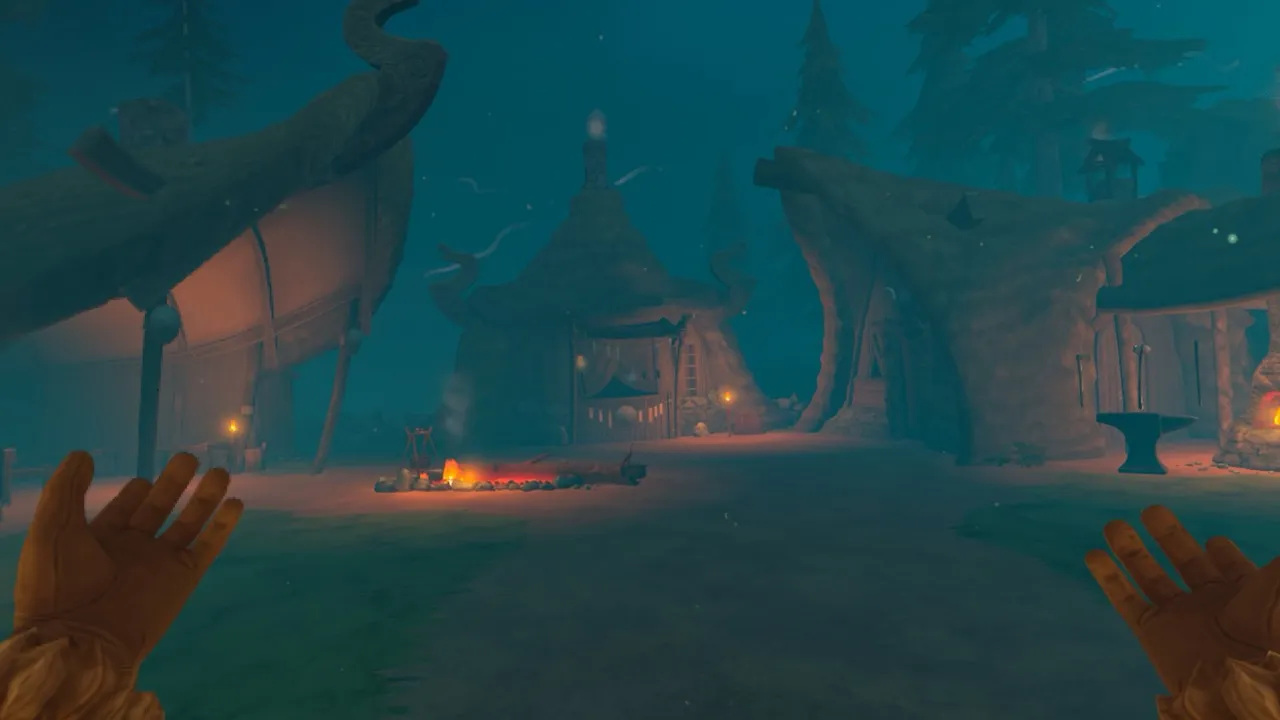
Presentation on Meta Quest 3 is solid and well suited to the hardware. The environments are moody and atmospheric, with a muted color palette that fits the Norse afterlife theme. Lighting is especially effective, with torches, fog, and magical effects giving spaces depth and presence. Enemy designs are clear and readable, which is important in a game that relies so heavily on timing and reaction.
Performance is smooth, and the game feels comfortable to play even during longer sessions. Movement and combat feel responsive, and nothing gets in the way of immersion. The audio design deserves a mention too. Weapon impacts feel heavy, enemy sounds are unsettling, and the music supports the tone without ever becoming distracting.
There is planned co-op multiplayer coming in the future, but even as a solo experience, Crossings feels complete. It is focused, confident in what it wants to be, and delivers on that vision.
For its asking price, Crossings is easy to recommend. The combat is deep and satisfying, the atmosphere is strong, and the roguelite structure gives it excellent replay value. It is not perfect, and the balance could use some tuning, but the core experience is so enjoyable that those issues are easy to overlook. If you enjoy challenging VR combat and like the idea of mixing physical melee with gesture-based magic, this is well worth your time on Meta Quest 3. Thanks for reading!