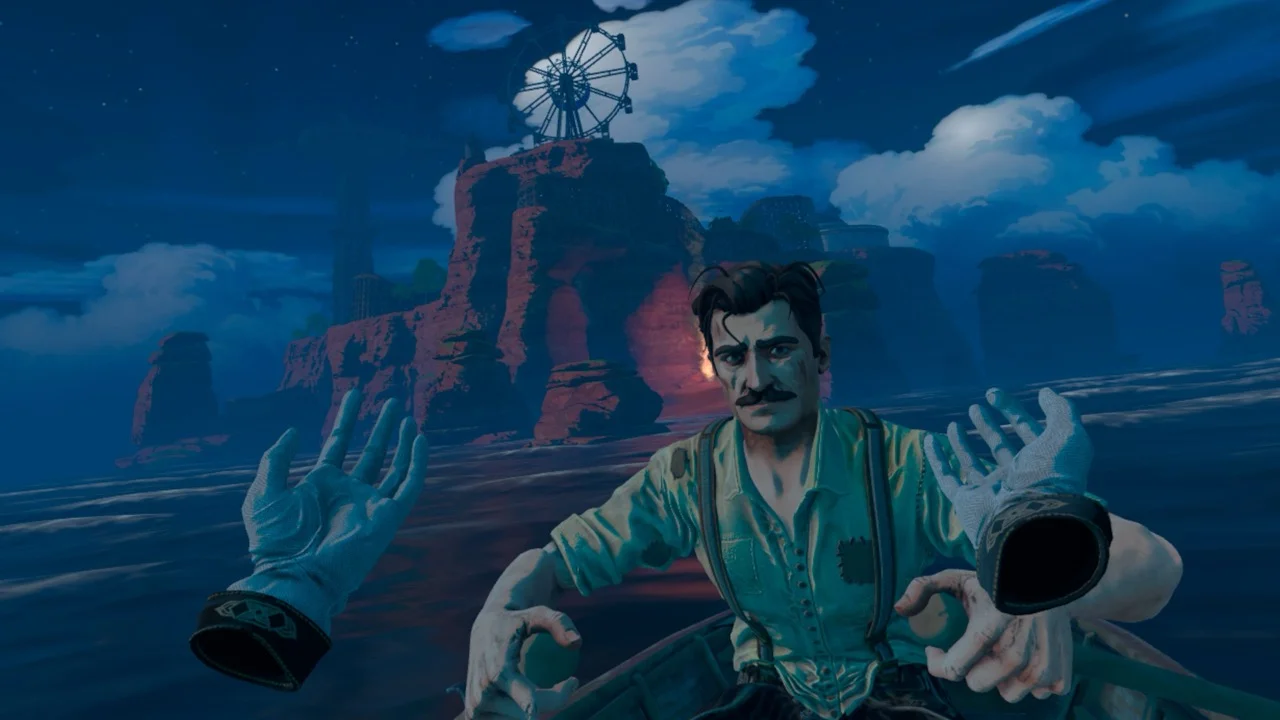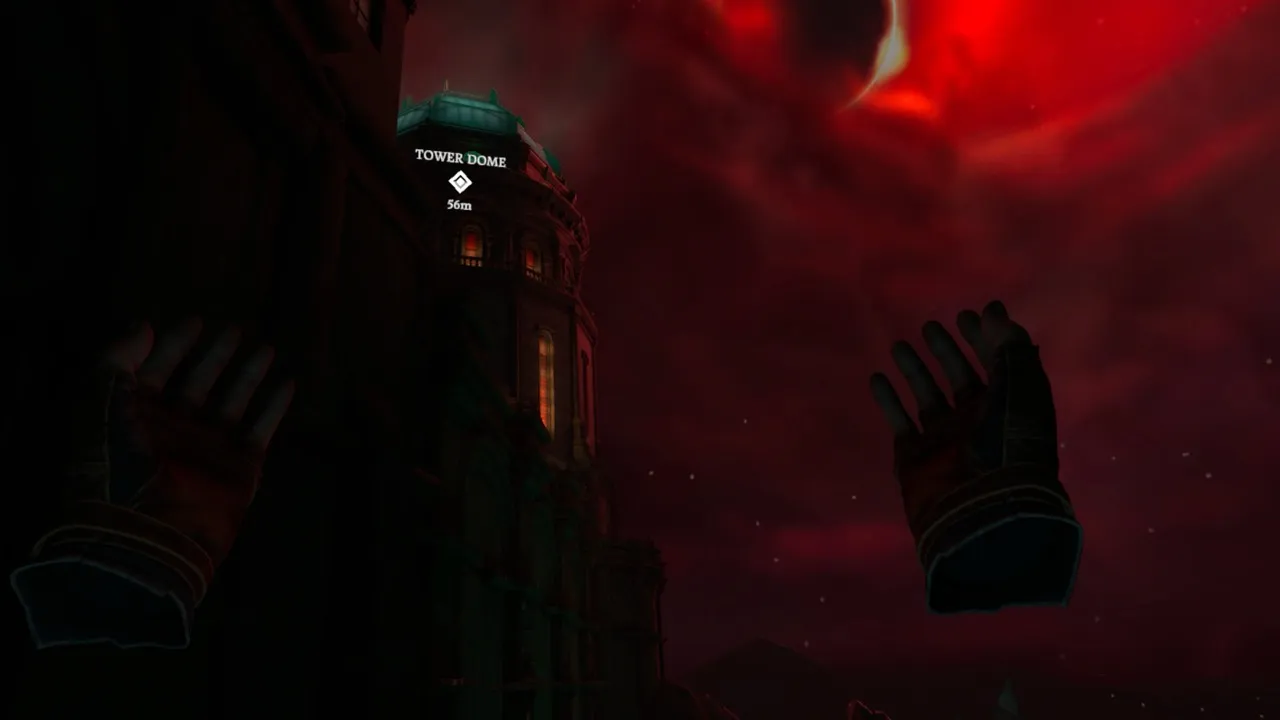
Thief VR: Legacy of Shadow is a grounded, atmospheric stealth adventure that delivers solid level design and cozy thievery, but never reaches the heights it could have
Thief VR: Legacy of Shadow is one of those games you look at and think, this could be something really special, and after finishing it, you go, yeah, it was fine. Not amazing, not terrible, just fine. There is a solid foundation here, a few genuinely cool ideas, and a nice sense of atmosphere, but nothing that pushes VR stealth forward in any meaningful way. If you come in expecting a grounded, comfy stealth adventure where you sneak around Victorian rooftops and lift every shiny object in reach, you will probably have a decent time. If you come in expecting the grand return of a legendary franchise in VR, you are going to feel that missing spark.
You play as Magpie, a new thief thrown into a story that mixes classic heist vibes with a light supernatural twist. The setup is simple. An evil Baron is collecting magical relics to gain ultimate power, because of course he is, and you end up caught in the middle of this mess while trying to rob half the city. Early on you acquire a special ability tied to an enchanted eye inhabited by Gareth, basically the soul of the series’ original master thief. You can activate it to highlight loot or reveal footprints and fingerprints tied to secrets, almost like a detective vision. It is a nice idea, although it never becomes anything more than a convenience tool. It never turns into a deeper system that changes how you play, it just makes looting slightly more efficient.
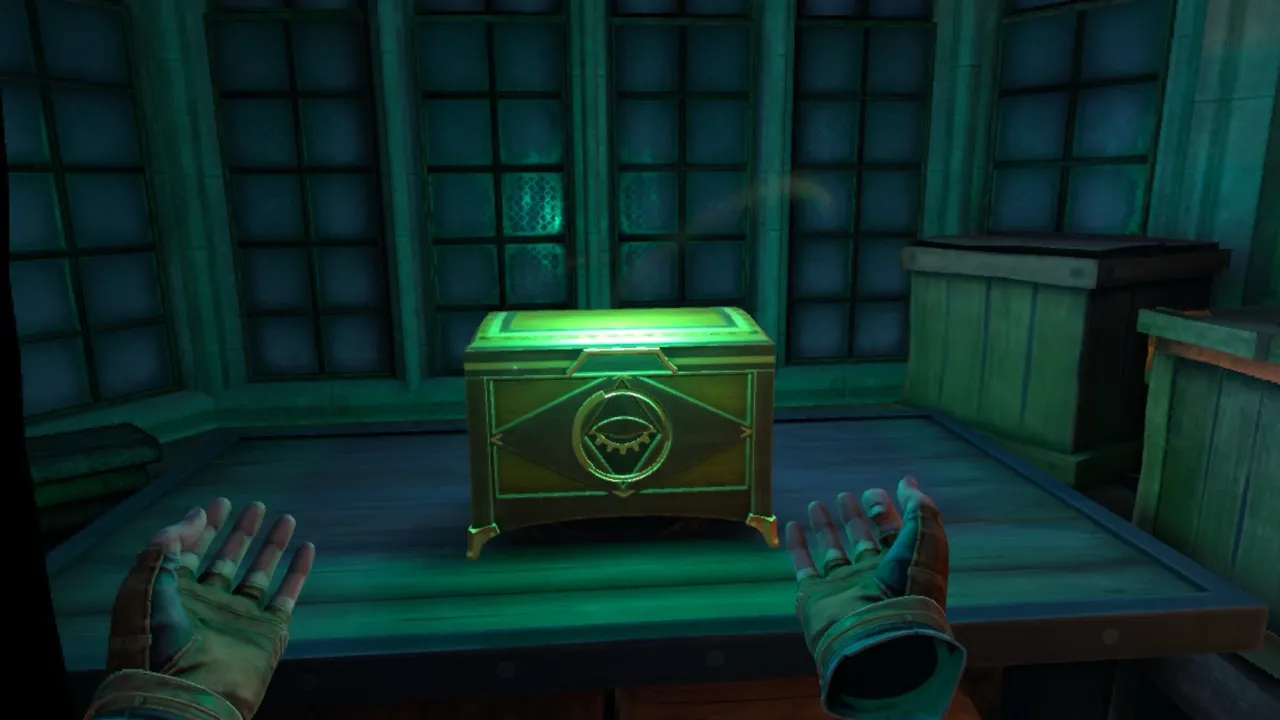
Despite that supernatural angle, most of the game is grounded. You sneak, climb, infiltrate and steal. This is where the game is at its best. Moving across rooftops, slipping through windows, crawling through sewers, navigating balconies and rafters, this is the fantasy Thief fans want and it is delivered with enough charm to keep you going. The level design in particular is genuinely impressive. Each map is larger than expected, full of branching paths, hidden pockets of loot, optional objectives and plenty of verticality. If you are the type of player who refuses to move on until you have checked every corner for treasure, this game treats you very well. I spent a good amount of time combing through nooks that ended up being completely optional, and I enjoyed that part a lot.
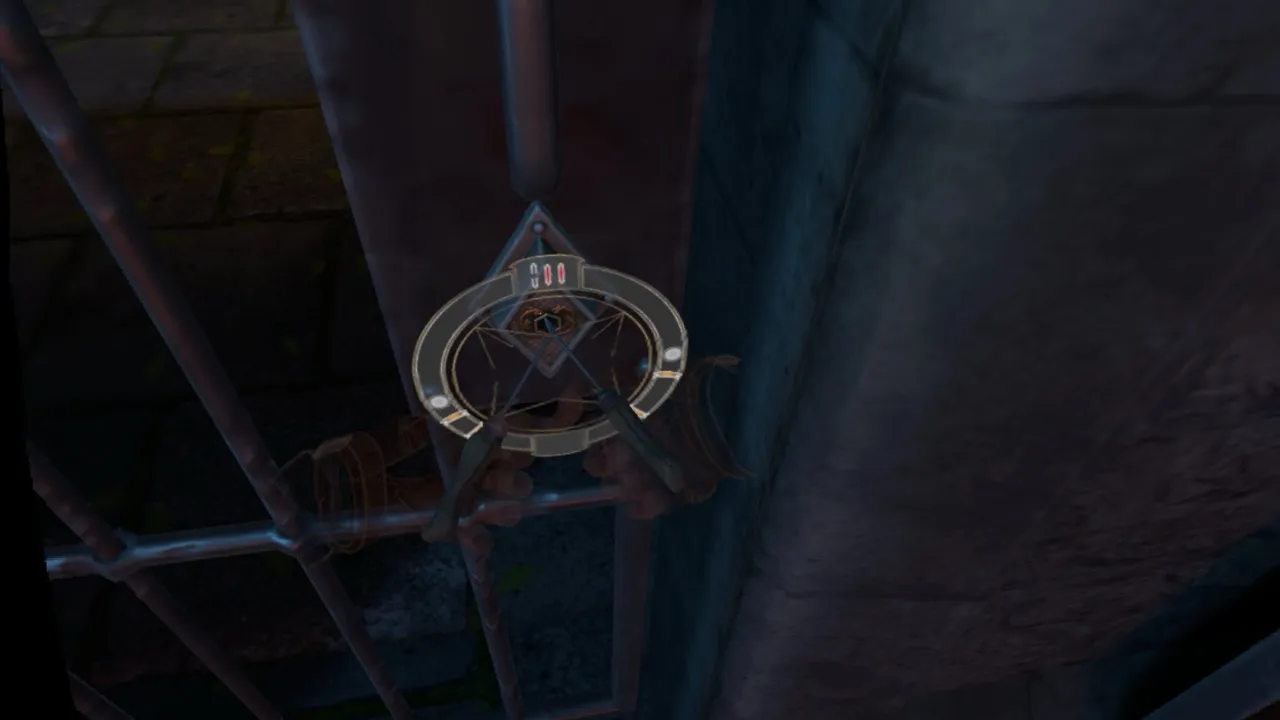
Some of the interaction systems also add to that sense of tactile thievery. Lockpicking is simple but oddly satisfying. You twist the pick, find the sweet spot, and push the lock open with a click that feels right in VR. It is not complicated, yet it fits the role perfectly. There are also hidden safes behind certain paintings. You slide the frame, feel around the edges for discreet buttons, press them in the right sequence and reveal a stash. It is one of the cooler interactions in the game, mainly because it leans into touch and discovery rather than just pointing your controller at a highlighted object.
The game also features a small perk system that unlocks as you collect loot or discover special lost relics. These perks carry over between missions and give you small advantages like starting a mission with more arrow types, moving more quietly, or seeing loot more easily. They are fun bonuses and offer a reason to replay levels, but they do not make a dramatic difference during your first run. Most of the game can be completed smoothly without ever thinking about them.
The atmosphere supports that exploration nicely. The Victorian inspired setting is carried with confidence. Foggy streets lit by warm lanterns, quiet gardens, creaky tower interiors, damp sewers, cluttered attics, it all feels natural and consistent. Nothing here is mind blowing visually, but it delivers the vibe cleanly and makes you want to keep sneaking just to see what the next area looks like. On Quest 3 the environments hold up, performance is mostly good, and lighting does a lot of heavy lifting. However, the game is dark and it doesn't really show up nicely on the screenshots I have captured and added to this review. There was one level that ran poorly for some reason, but when the game brought me back there hours later, it ran perfectly, so who knows.
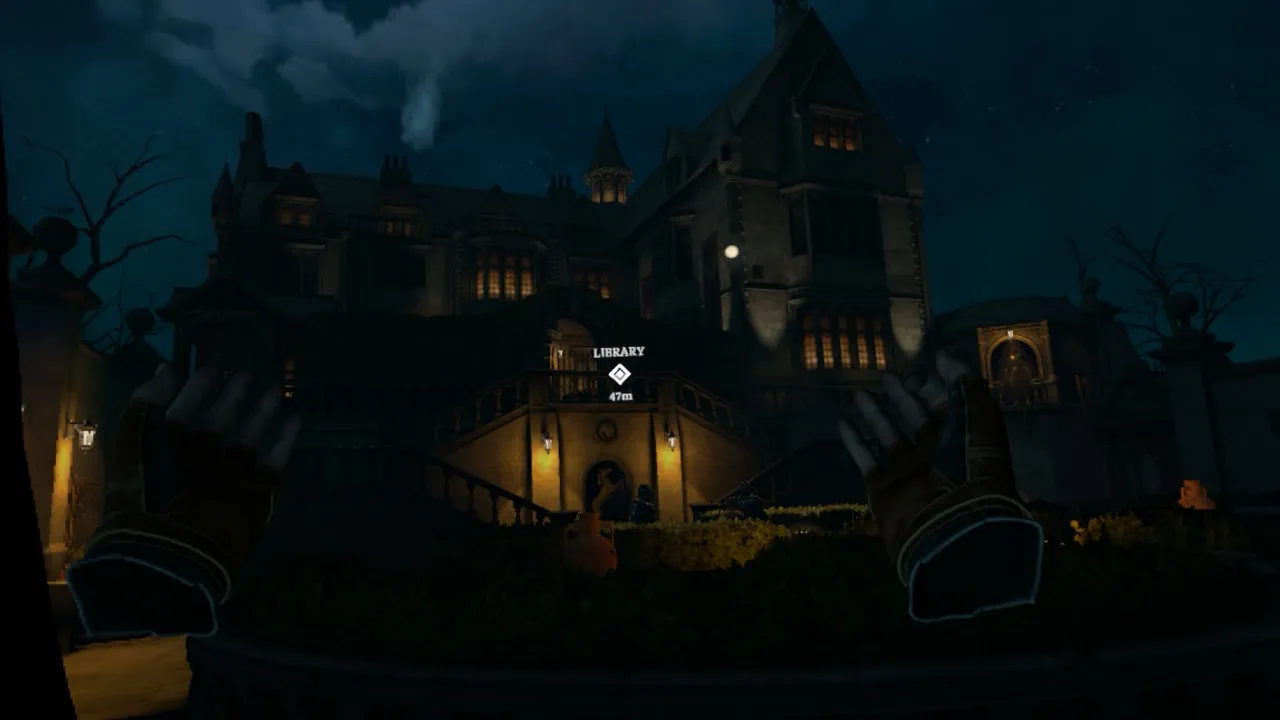
Where things start to wobble is the AI and the core stealth mechanics. The series’ classic light and shadow system is here, but it feels oddly blunt. You wear a crystal indicator on your right hand that glows when you are visible, but the rules behind it are loose. Guards often fail to see you even when you are standing right in front of them in bright moonlight, as long as that crystal is not lit. It feels more like a binary switch than a dynamic visibility model. This makes stealth extremely forgiving. You can walk circles around many guards, whistle at them in real life with the mic enabled to lure them over, then casually step behind them and bonk them with your blackjack. They go down instantly, no drama, no fuss, and rarely pose any real threat.
Heavy armored enemies show up later and you cannot knock them out with the blackjack, but even they struggle to create tension. If they spot you, just climb something and give it a couple seconds. They lose interest quickly. It all feels very static, like everyone is just politely waiting for you to finish the mission.
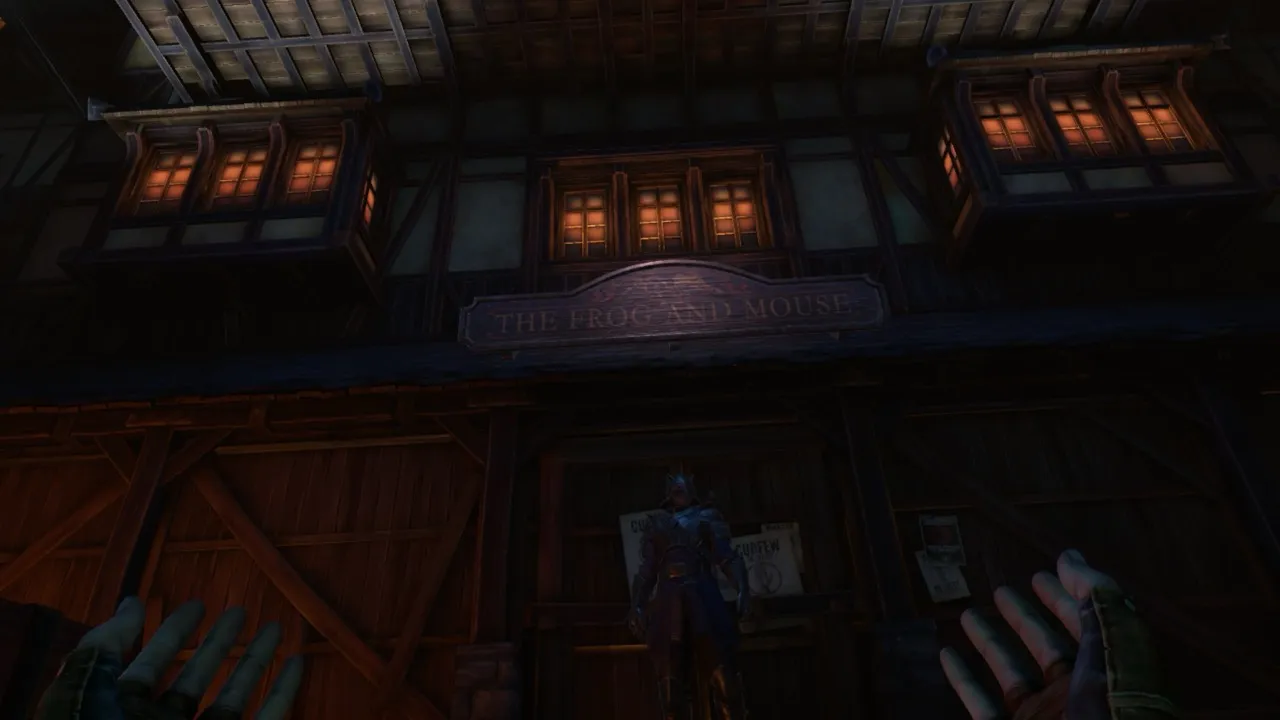
Combat is so simple that calling it combat feels charitable. You have a bow, and on paper it sounds great. Rope arrows for climbing, water arrows to extinguish torches, fire arrows to light things up, blunt arrows to knock out guards, plus regular arrows for whatever. In practice, you almost never need them. The levels have a few optional objectives that make use of the different arrow types, like burning banners or putting out chimneys to access loot, but you could skip all of that entirely. I finished several missions without firing the bow at all. When a game gives you a full stealth toolkit but rarely asks you to use it, something feels off.
The voice activated stealth mechanic is genuinely cool though. If you have your mic on, guards react to real sounds. You can cough or whistle to distract them, or simply slip up and alert them if you talk too loudly. It adds a surprising amount of immersion, even if the guards themselves are, to put it kindly, not the smartest. Still, it is a great idea and easily one of the features that makes the VR experience feel more alive.
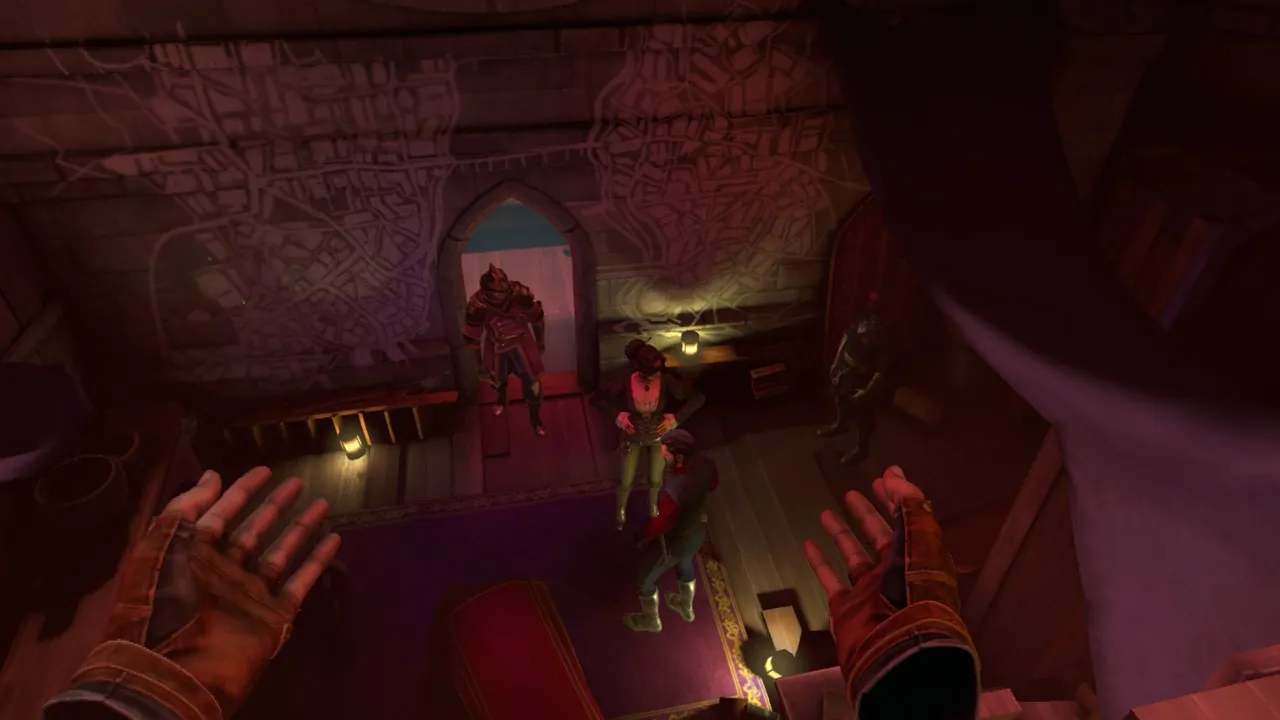
Unfortunately, the bugs take away some of that immersion. Climbing in and out of windows is inconsistent. Sometimes you grab loot and it simply drops to the floor because the game did not register the stash gesture at your hip. Once, I ended up in a ridiculous limbo where I had zero health but could not die, so I ran around the level freely looting everything while five guards chased behind me, slicing away in vain. It felt like a slapstick version of Thief and had me laughing more than it should have. There is also a bizarre exploit where holding the blackjack lets you phase your hand through doors and unlatch them from the inside. It probably will get patched soon, but it is hilarious while it lasts.
For all of its rough edges, the game does keep a steady pace. Missions follow a familiar rhythm: approach a large environment, explore multiple routes to your target, gather loot, maybe complete a side objective, then slip out into the night. That loop works, and if all you want is a bunch of cozy stealth sandboxes to sneak around in, the game delivers that consistently.

The story does not fare as well. It is serviceable, but it never builds to anything memorable. You chase the Baron, you deal with Gareth whispering in your ear through the magical eye, you uncover relics and unravel schemes, but it is all presented in a very flat way. Even the finale, which should feel climactic, is surprisingly abrupt and underwhelming. You expect a final heist with real stakes or at least a clever payoff, but it ends so quickly and quietly that it almost feels unfinished.
By the time the credits rolled, I felt satisfied enough with the time spent but also aware of how much potential was left untapped. The world is nice. The levels are great. Sneaking around is fun even with the janky AI. But the systems never go far enough, the story never pops, and some mechanics barely matter. If the game leaned harder into its supernatural twist or made the bow a real part of the core loop or gave guards a bit more awareness, this could have been a much stronger package.
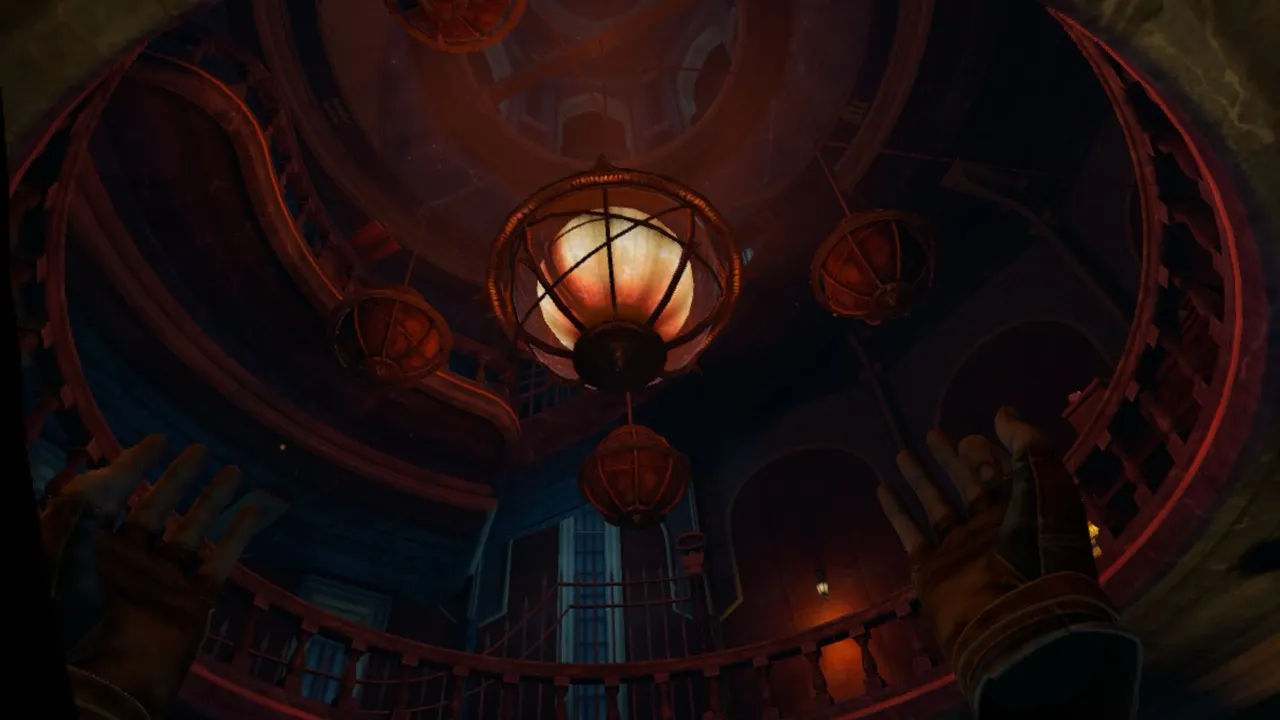
Thief VR: Legacy of Shadow is not a bad game. It is an enjoyable, lightweight stealth adventure with good vibes, fun levels, and a clear respect for what makes the Thief fantasy appealing. It is also not essential. It is the definition of a solid seven out of ten experience. Something you play, appreciate for what it is, shrug at the rough parts, and move on.
If you enjoy sneaking, grabbing everything shiny in sight, and exploring atmospheric rooftops and alleys from a first person VR perspective, you will probably have a fine time. Just temper your expectations. This is a comfortable, competent heist game, nothing more and nothing less.
The game was reviewed on a Quest 3 via a promo copy provided by PR. Thief VR: Legacy of Shadow is available PSVR2, PCVR and Meta Quest.