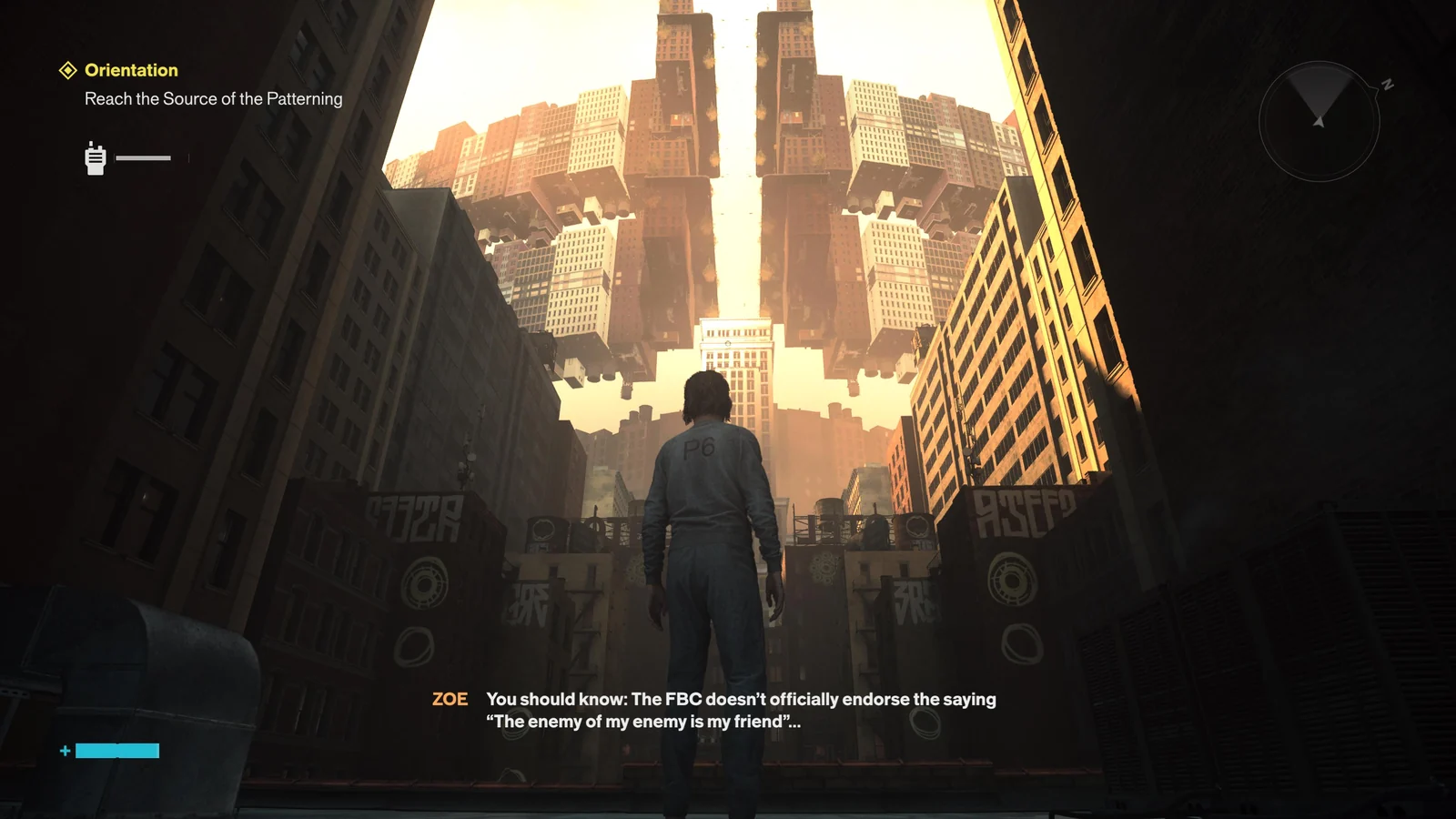
Control Resonant is Remedy at their absolute finest, turning a shifting New York into an astonishing, gravity-defying action brawler
These crazy Finns have done it again. Just when you think Remedy Entertainment has reached the ceiling of what their wild imaginations and proprietary Northlight engine can conjure, they turn around and outdo themselves in every conceivable direction. Control Resonant takes everything that made its predecessor special, blows the scope wide open, and plunges headfirst into an experience that is bigger, better, and way weirder than anything the studio has attempted before. It is an astonishing ride from start to finish.
When Control launched back in 2019, it was our Game of the Year. The Oldest House was a marvel to explore, with cold Brutalist architecture that made zero conventional sense and telekinetic combat that felt remarkably fresh. Then Alan Wake 2, set in the same shared universe, took our Game of the Year crown in 2023 with its unhinged atmosphere and narrative mastery. Yet somehow, Remedy managed to top all of that. Resonant arrives with audacious confidence, expanding that lore while venturing boldly onto new ground.
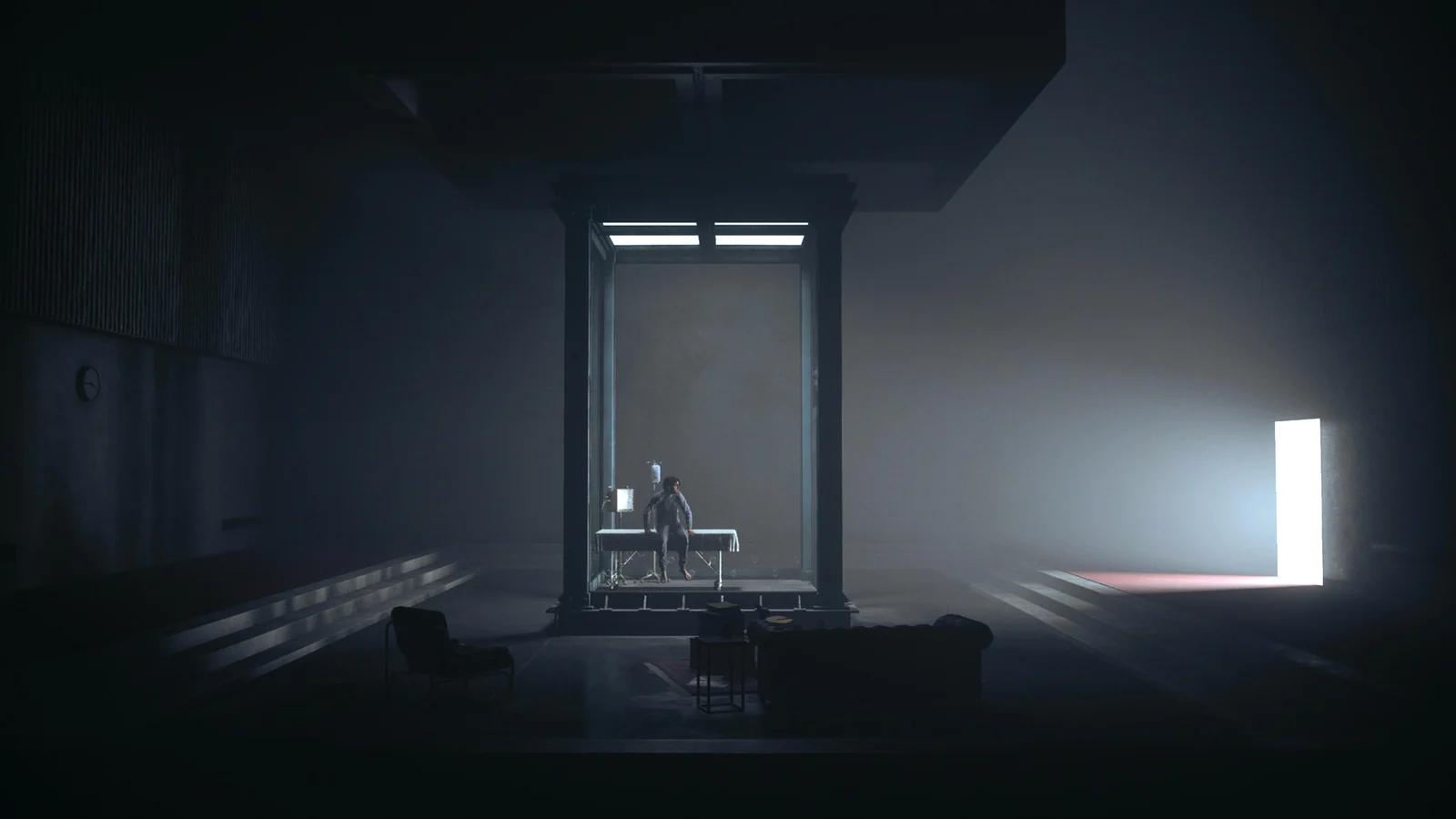
Resonant picks up seven years after the lockdown of the Oldest House. A terrifying new threat has emerged across New York, a cosmic presence even larger and more pervasive than the Hiss. With Director Jesse Faden mysteriously missing in action, the defense of the city falls onto her brother Dylan. Armed with an enigmatic parautilitarian weapon called The Aberrant, Dylan steps out into Manhattan to stop this crisis before it consumes our entire reality.
Dylan is a unique protagonist carrying tremendous psychological baggage. During the initial Hiss invasion, he was corrupted and murdered a lot of people. Coming out of that nightmare, he walks an agonizing path toward redemption, helping out however he can even though he remains convinced he does not deserve a second chance. That internal guilt defines nearly every interaction he has with surviving personnel.
In story cutscenes, Dylan often feels sad, timid, and weighed down by his past, which leaves his delivery sounding somewhat wooden and one-note. He tends to passively accept all the grief the other characters throw his way, even when he proves them wrong time and time again. Fortunately, his dynamic with Zoe, a sharp FBC agent he teams up with, adds brilliant energy to the story. The actress behind Zoe delivers a fantastic performance, bringing warmth and grounded charisma that balances Dylan's heavy melancholy.
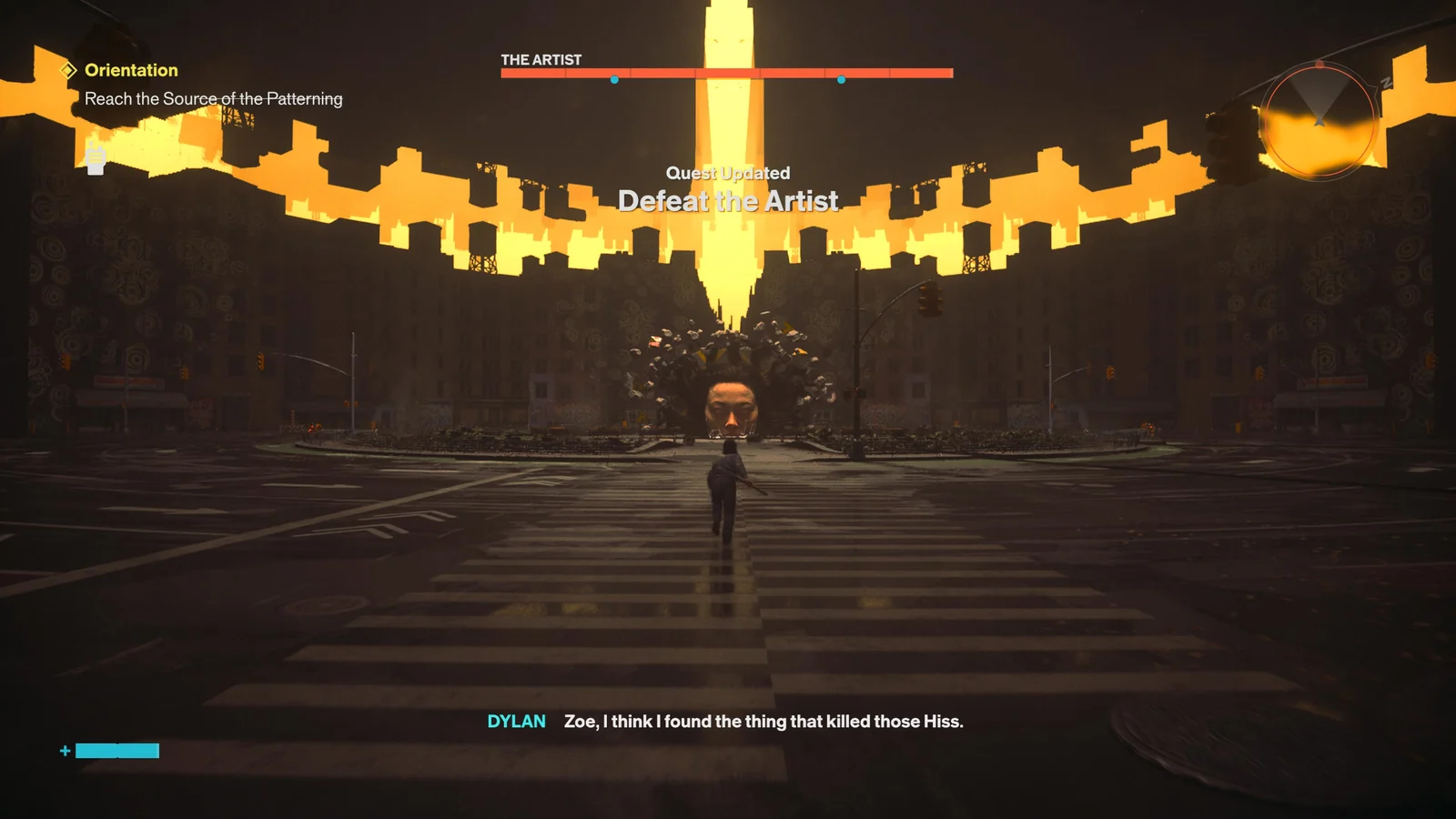
What makes Dylan compelling, however, is what happens when the game gives you control in dialogue choices. You get to see an entirely different side of his personality: angry, sarcastic, and playfully teasing. There is a whole dialogue chain where you can mess with Zoe in a charmingly childlike way about eating mold, ending with Dylan casually telling her he will just lick it then. Those moments feel wonderfully real. He does not need to crack endless quips, but those brief sparks of wit make him feel human.
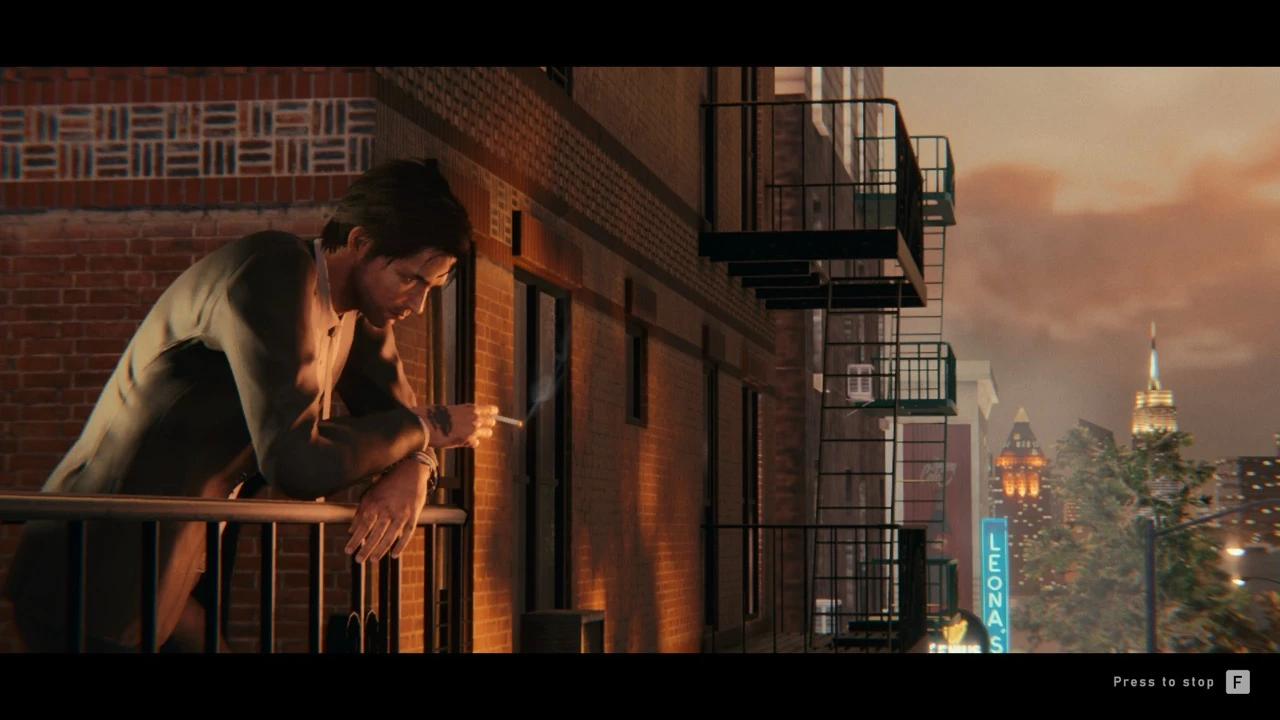
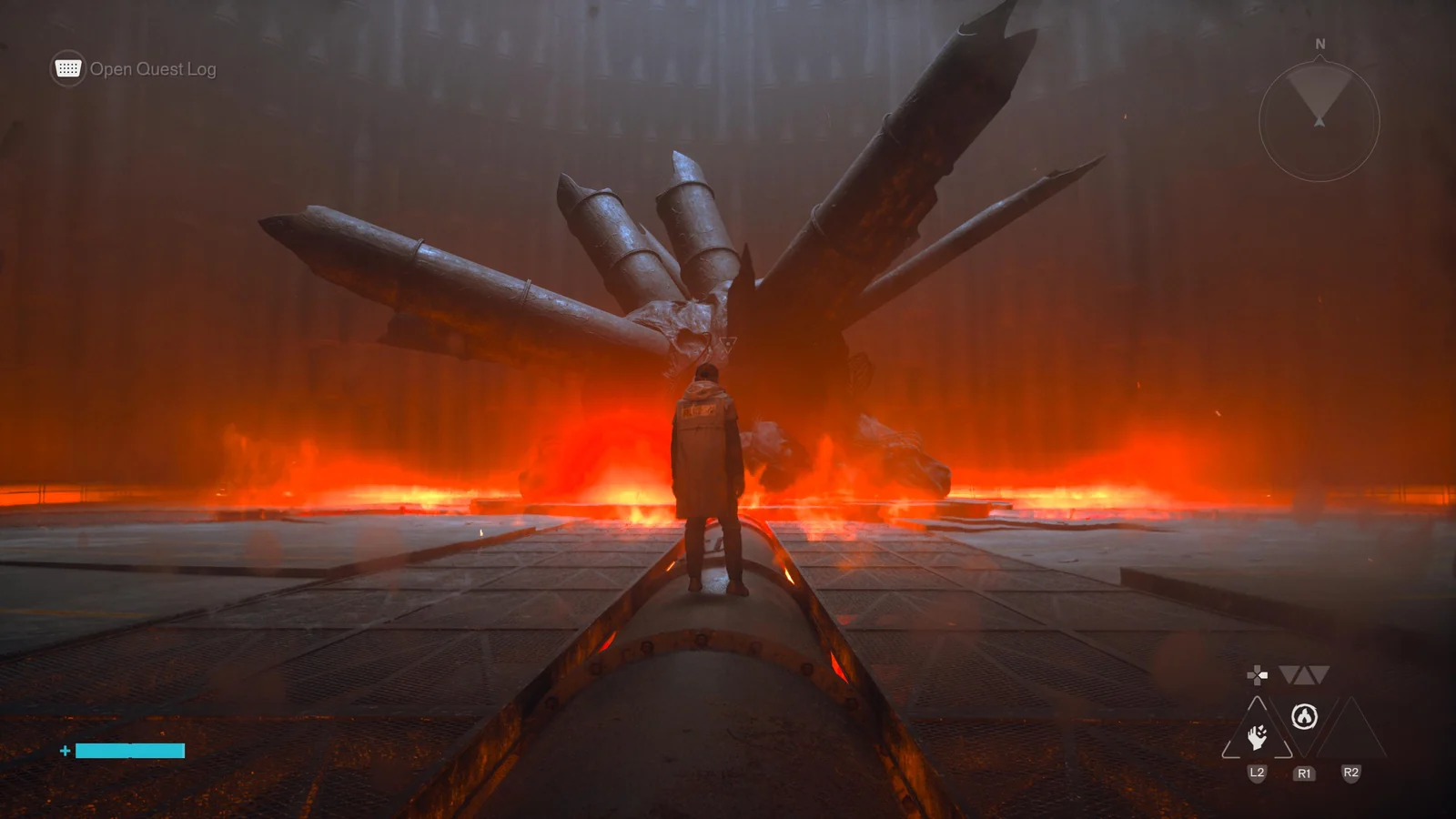
Taking the action outside the Oldest House and into the streets of New York City might have sounded risky to fans who loved the Bureau's eerie interiors. But if you worry that stepping outdoors dilutes that weirdness, prepare to have your jaw hit the floor. Control Resonant continuously stuns you with mind-bending spectacles. Just when you think you have seen every trick up Remedy's sleeve, they hit you with another visual marvel that blows your mind.
This new threat loves to pattern reality, and Remedy went nearly overboard with the concept. Manhattan has been dismantled into an architectural fever dream filled with never-ending sinkholes, endless repeating pillars, and entire neighborhoods that twist and loop back on themselves like an Escher painting. You will navigate parking structures that unfold like origami, massive ever-repeating underground spaces, and shifting infinity-castle like structures that defy every law of physics.
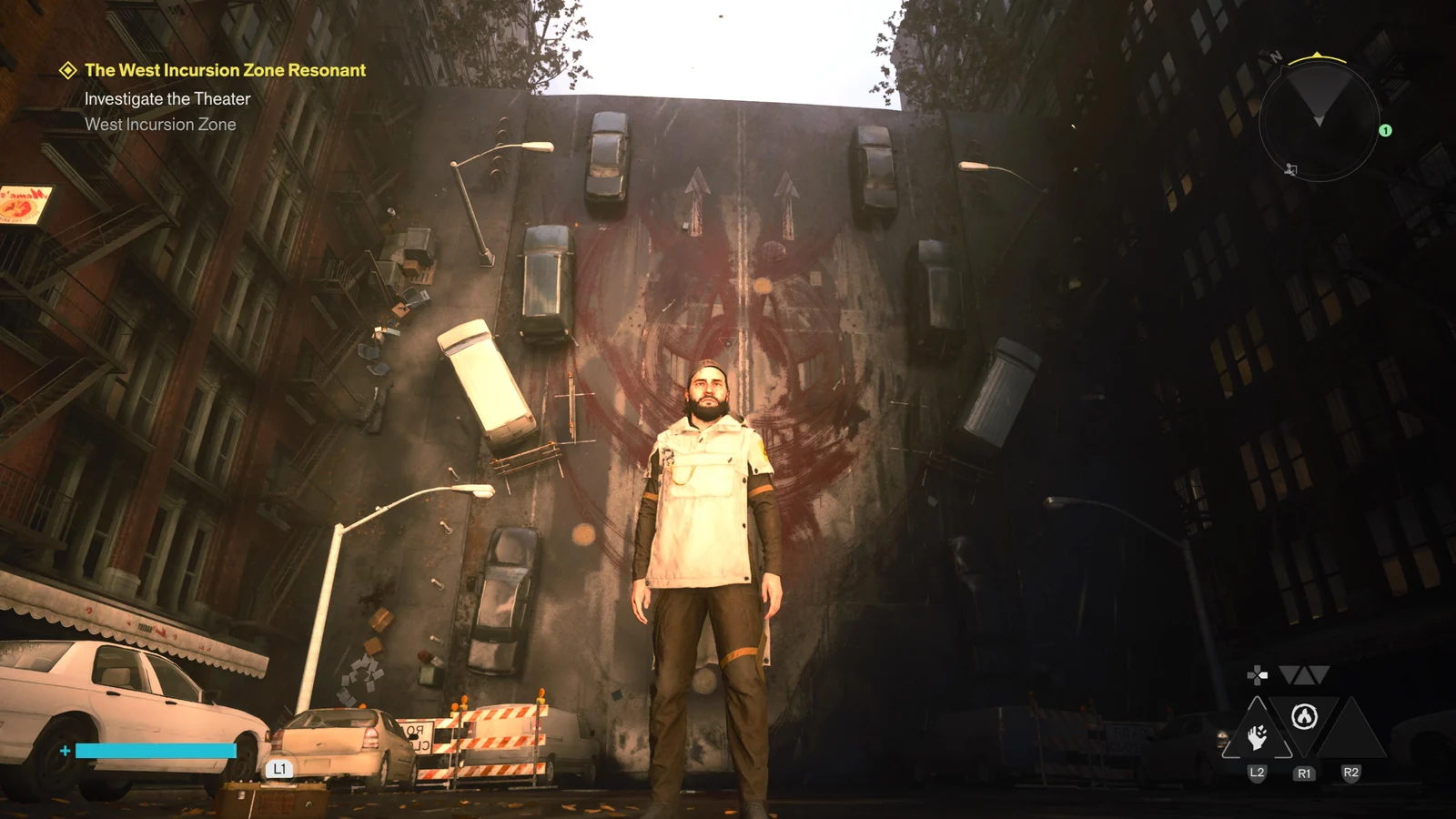
That impossible geometry is deeply tied to traversal. Dylan gains the ability to manipulate gravity and sprint across different planes, where up is down and right is left. You platform across dizzying chasms and float through disorienting spaces that feel familiar yet profoundly wrong. In one breathtaking sequence, you walk down a recognizable street only to watch the avenue make a clean 90-degree vertical bend straight up into the air, complete with a city bus wedged in the pavement and bent into a crisp L-shape. Designing that in your head is wild enough, but getting it to work seamlessly in a game is pure genius.
Hands down, the level design in Control Resonant is the best and most unique I have ever seen in a video game, and it is not even close. Huge credit goes to the level designers and the technical wizards behind the Northlight engine. What they have achieved here with spatial distortion and shifting geometry will be talked about by developers for years to come.
Traversing this massive, fractured metropolis is an absolute joy because Dylan is far more agile and faster than Jesse ever was. With double jumps, mid-air floating, double dashes, gravity switching, and gravity pulling, moving through New York feels incredible on the sticks. Exploring is an environmental puzzle in itself. Navigation follows a clever 3D metroidvania approach where direct paths are blocked until you acquire new powers, encouraging you to re-explore old sectors and uncover hidden pathways.
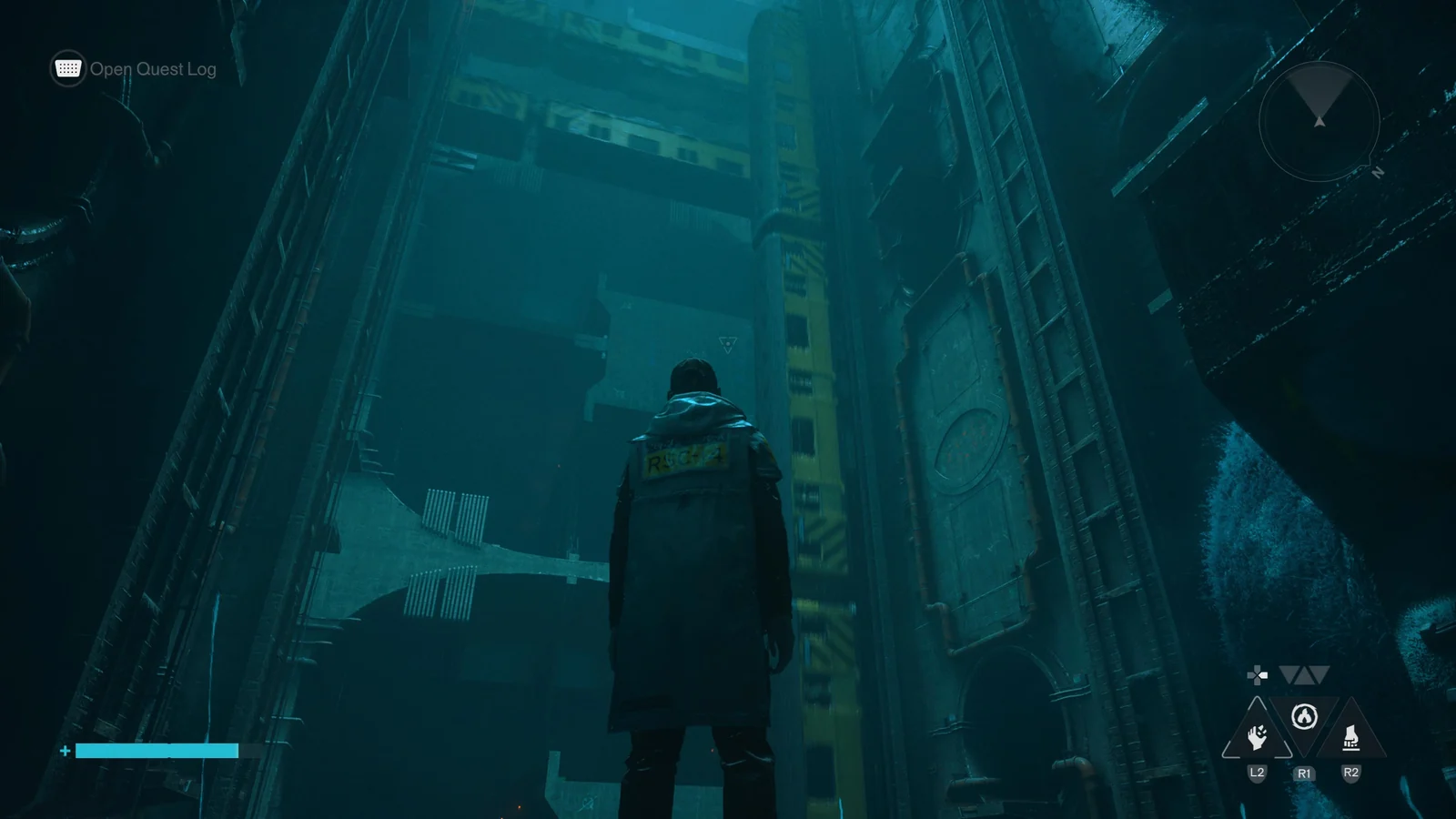
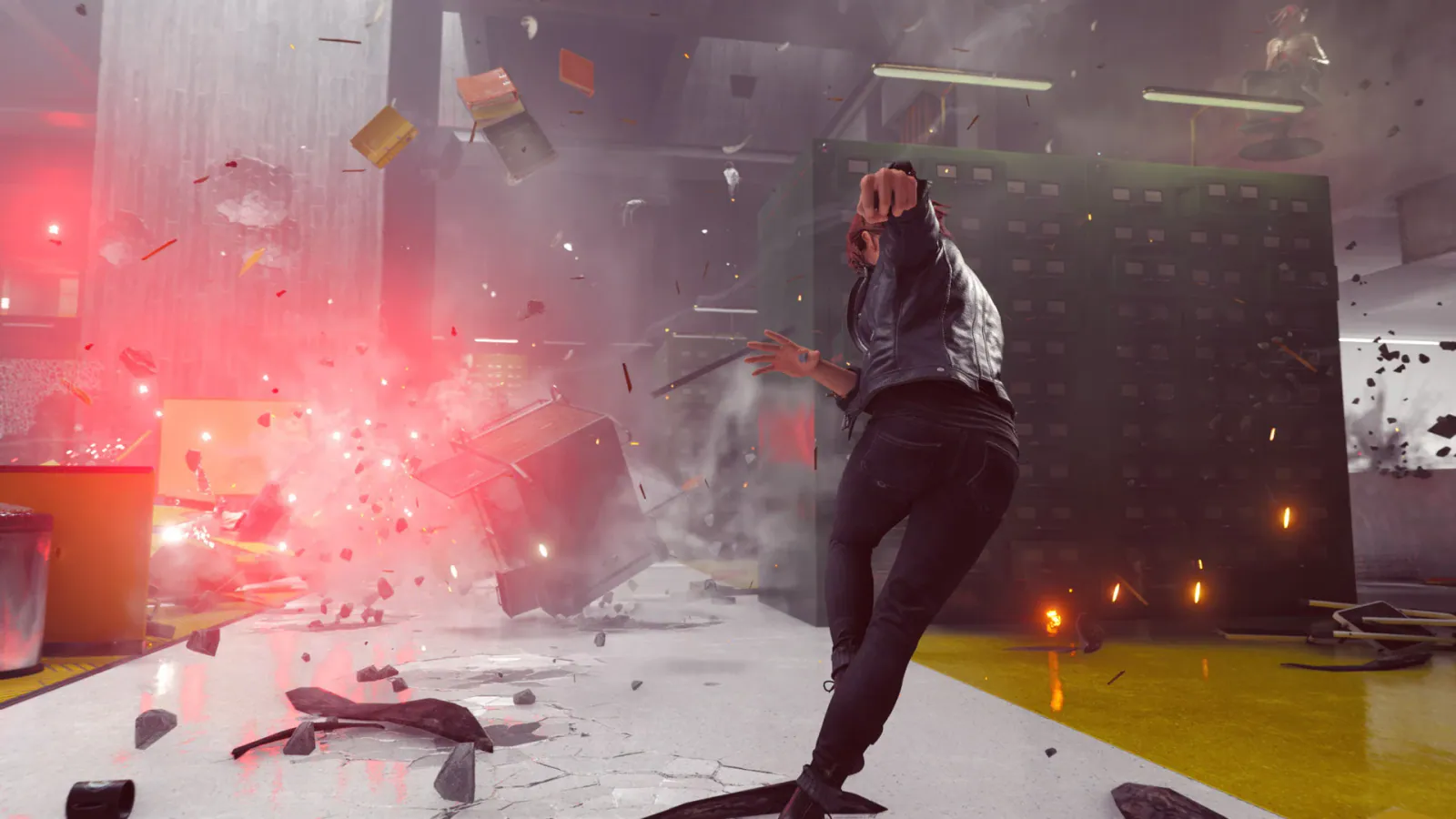
Gone is the third-person gunplay of the original. Dylan is a close-combat melee fighter first. His weapon is The Aberrant, an Object of Power that serves as the melee counterpart to the Service Weapon. Much like Jesse's firearm, The Aberrant dynamically shifts into various lethal forms to suit different playstyles.
For standard strikes, you have cleavers, rapid dual swords, and a sweeping scythe, while heavy attacks morph into warhammers, whips, and crushing tools. The dual swords offer blistering speed with high critical strike damage, while heavy variants shatter armored foes. For me, the scythe was the absolute highlight. Its long, sweeping arcs chew through crowds with devastating rhythm, feeling like the closest thing to a proper Dante's Inferno revival we have had in years.
Combos conclude with a secondary weapon form of your choice, letting you chain swift cuts directly into heavy armor-breakers. One piece of advice: do not cling exclusively to one weapon. Even if you fall in love with the scythe, you need to unlock and upgrade other variants to raise your overall level and damage output. Enemies are relentless, and keeping your broader toolkit leveled is essential for surviving later battles.
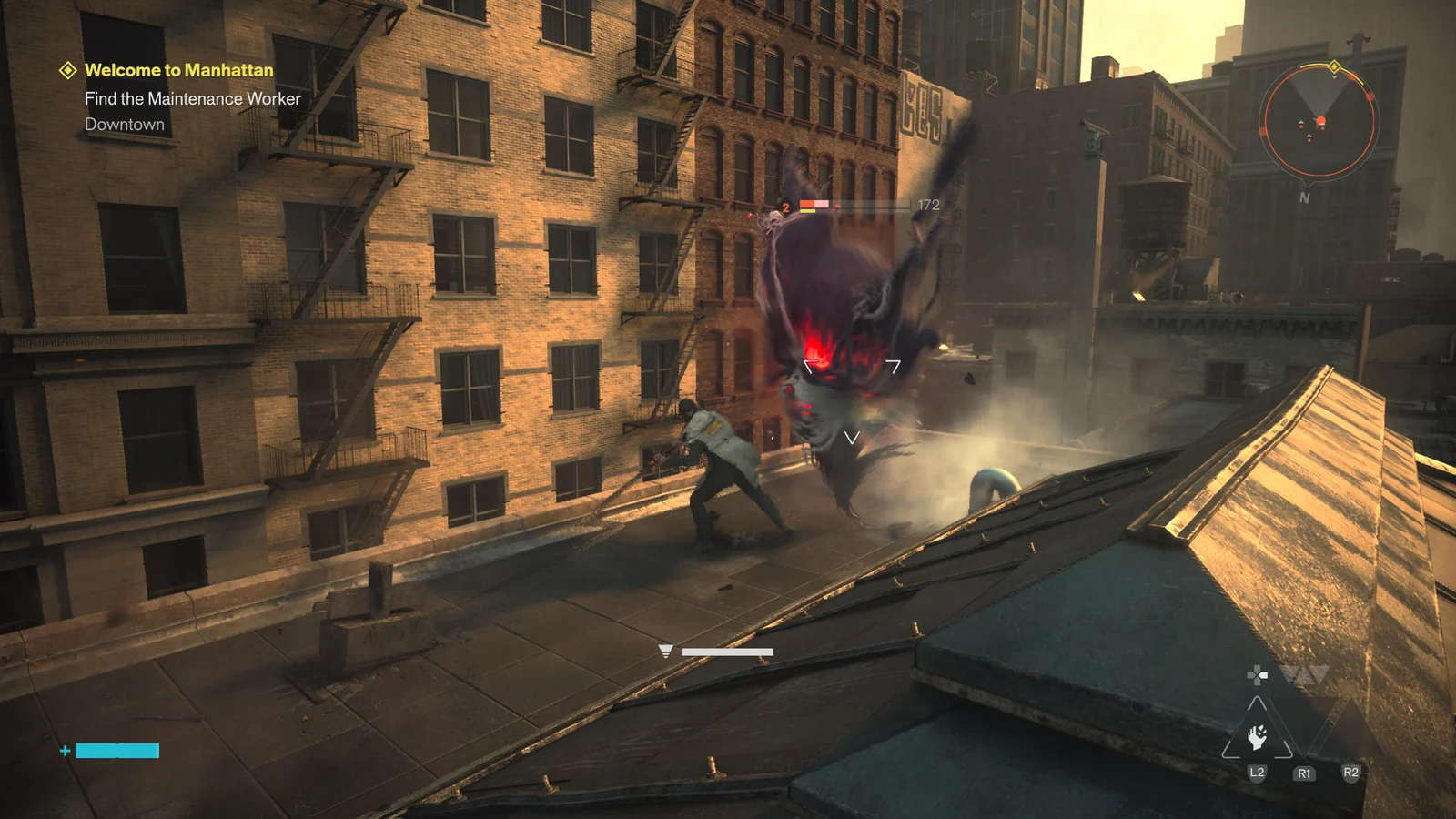
Backing up Dylan's blades is a vast assortment of paranatural abilities. You can rip slabs of concrete from the ground to hurl at foes, snap up a kinetic shield, ignite yourself in flames for contact burn damage, or summon fungal mold buddies that spray erratic barrages at incoming crowds. The sheer variety of offensive and defensive combinations lets you customize your build in delightfully wacky ways.
You can technically play this game wrong by just mashing Square for basic attacks and occasionally tapping Circle to dodge. You might scrape through early fights that way, but it is boring. To get the most out of combat, you want to blend aerial attacks, heavy strikes, and abilities to fill the enemy's Falter bar.
Filling that bar opens enemies up for brutal executions. Executing a foe grants a brief surge window where Dylan deals massive bonus damage, allowing you to tear through entire encounters in seconds. Every slash and blunt hit carries fantastic physical crunch and tactile feedback. This is Remedy's first true character action brawler, and they completely nailed the feel of it.
The enemy variety actively nudges you into using all your tools. Foes swarm you aggressively from every angle, rushing with blades, shooting lasers, and lobbing projectiles. You will battle flying skirmishers, hovering pufferfish-like creatures firing lethal beams, mutant slashers, lumbering mold brutes, and strange kinetic sculptures. In one wild encounter, a floating city bus cut cleanly in half hovers overhead, continuously vomiting waves of exploding minions. It forces you to stay mobile and adapt constantly.
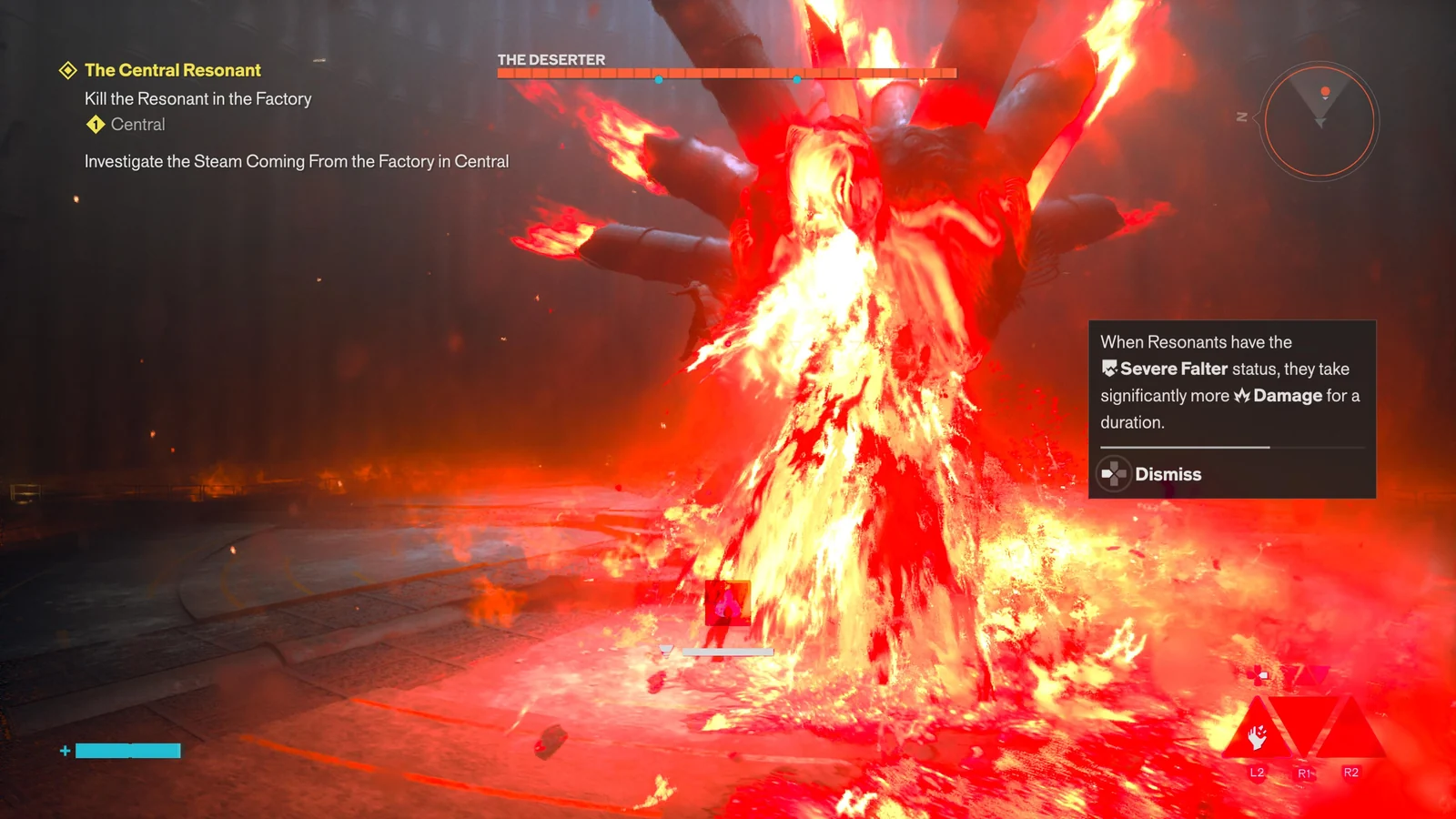
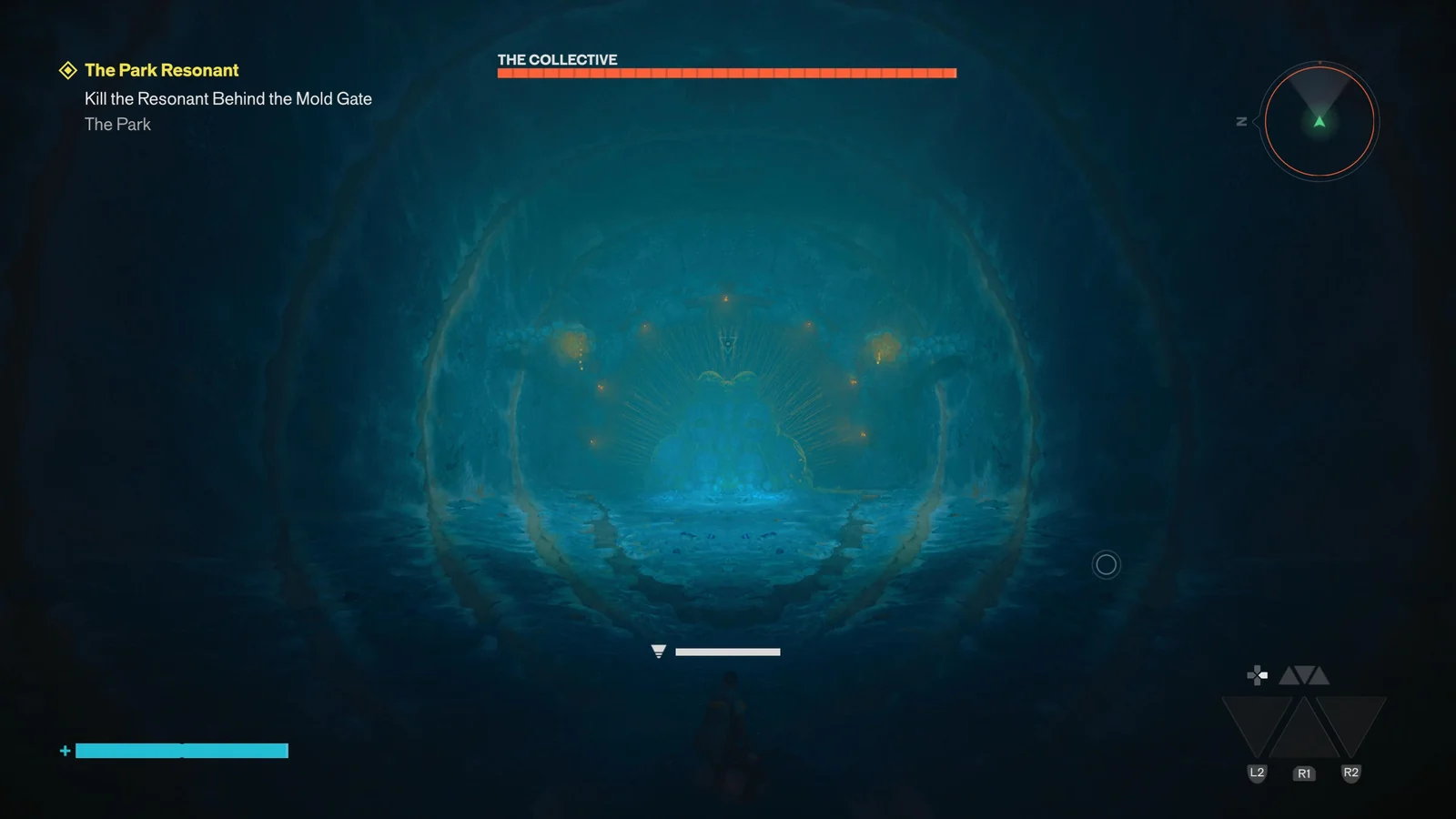
Defeating major Resonant bosses rewards you with brand-new abilities, giving progression a steady rhythm. The quality of these boss fights varies. Some encounters are unforgettable spectacles where Remedy fully exploits the shifting environments, such as a chaotic duel against a massive mold entity. Others, like The Dancer, are disappointing arena grinds where you are dumped into an enclosed room simply hacking at a bloated health bar for far too long without much spectacle, even if the visuals and music help carry the moment.
Music plays a thrilling role during dynamic escape sequences where the environment shifts around you to the beat of an energetic soundtrack. While these set-pieces do not quite surpass the iconic Ashtray Maze from the first game, they come remarkably close. The broader sound design is phenomenal too, with loud, otherworldly battle soundscapes that draw you deeper into this surreal world.
Another piece of advice: seek out and read every document and audio recording you can find. They enrich this insane universe, tease future lore, and often hide vital hints for upcoming challenges. The puzzles throughout Manhattan are plentiful, clever, and respect your intelligence. There is no patronizing handholding, and best of all, Dylan does not constantly narrate puzzle solutions to himself while you are trying to think.
Remedy keeps puzzle design fresh with inventive variations, like an eerie side-mission chain involving yellow taxi cabs. Entering a specific cab transports you to an alternate dimension featuring a single road, an alleyway, and a payphone. After taking the call, you must identify the correct taxi three times to escape. Each cycle alters the rules: one test involves checking which cab has its lights on, another requires assembling the car, and another asks you to spot oddities in the shadows. It is brilliantly conceived.
Visually, Control Resonant is an immaculate technical marvel powered by Northlight. However, performance on the base PS5 is somewhat erratic right now. Interestingly, chaotic battles with ten enemies, fire, sparks, and debris run as smooth as butter. Yet simpler moments, like the enclosed Dancer boss fight or just jogging down a quiet New York street, suffer noticeable hitches and frame drops that can throw off your dodge timings. Remedy will likely patch these quirks soon, but they are present at launch.
On a personal note, seeing the credits roll was an unforgettable experience. Having participated in an early playtest a few months back, I reported three nasty soft-locking bugs that were successfully fixed for the retail version. Seeing Krist Duro appear in the game's credits was a surreal, bucket-list moment that made this journey even more special.
Remedy Entertainment has created another absolute triumph with Control Resonant. By transporting their paranatural madness into a mind-bending, gravity-defying New York and delivering a razor-sharp brawler combat system, they have exceeded expectations on every front. Minor performance hiccups aside, this is an astonishing achievement and another definitive masterpiece from one of the most creative studios in gaming. Thanks for reading!