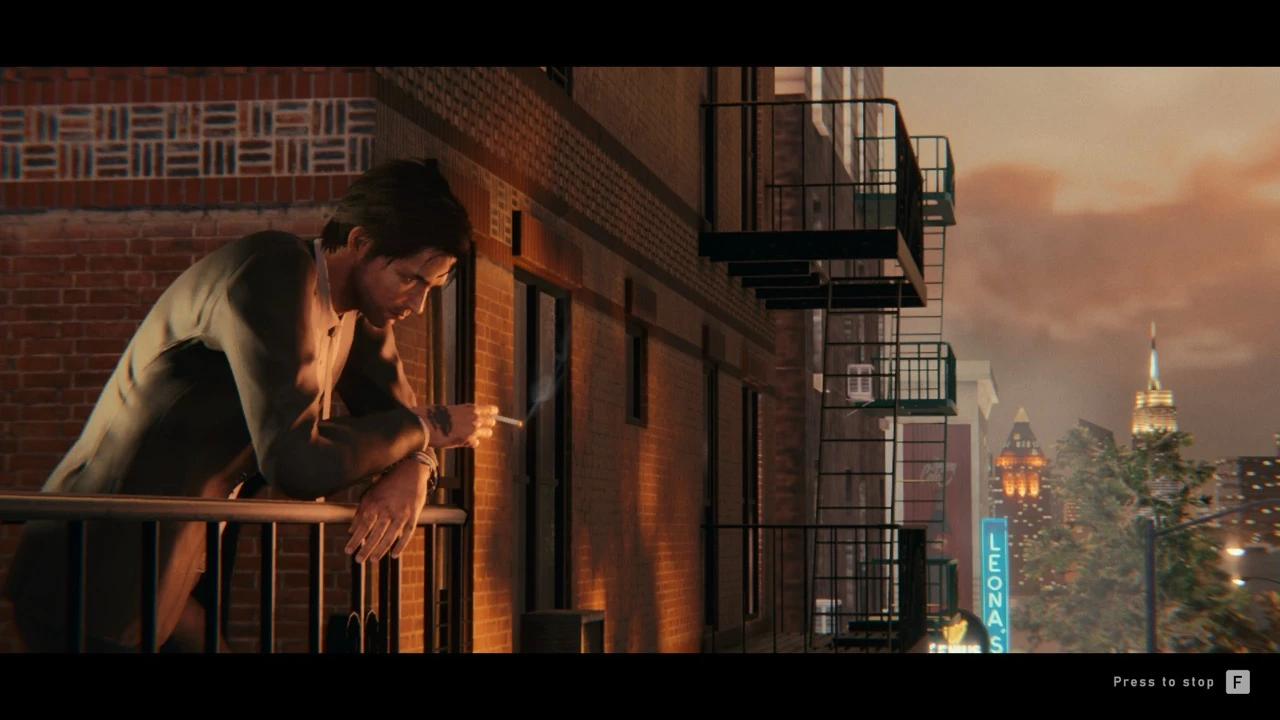
Blackwood shows flashes of John Wick-style gun-fu brilliance and incredible takedowns, but tedious retail chores, erratic camera angles, and thin Act 1 content make it tough to recommend right now
Ever since Keanu Reeves redefined cinematic action with tactical reloads, close-quarters gunplay, and center axis relock stances, developers have tried to bottle that lightning. While arcade titles like Vendetta Forever nailed that adrenaline in VR, traditional third-person shooters still struggle to blend martial arts with tight shooting. We know Saber Interactive is building an official John Wick game, and given their pedigree, it should be great. We also have Spine coming. Until those arrive, Blackwood tries to fill that void with a gritty, low-budget crime thriller.
Developed by Attrito and M7 Productions, Blackwood is a third-person shooter wearing its action-cinema influences proudly. I respect what the developers are aiming for here. When combat clicks, with debris flying and brutal takedowns chaining together, you can see the vision clearly. The issue is that ambition outpaces execution. Between a bizarre retail simulation loop that acts as unnecessary padding, an unruly camera, and a brief opening chapter that ends right when it starts moving, Blackwood still has a long way to go.
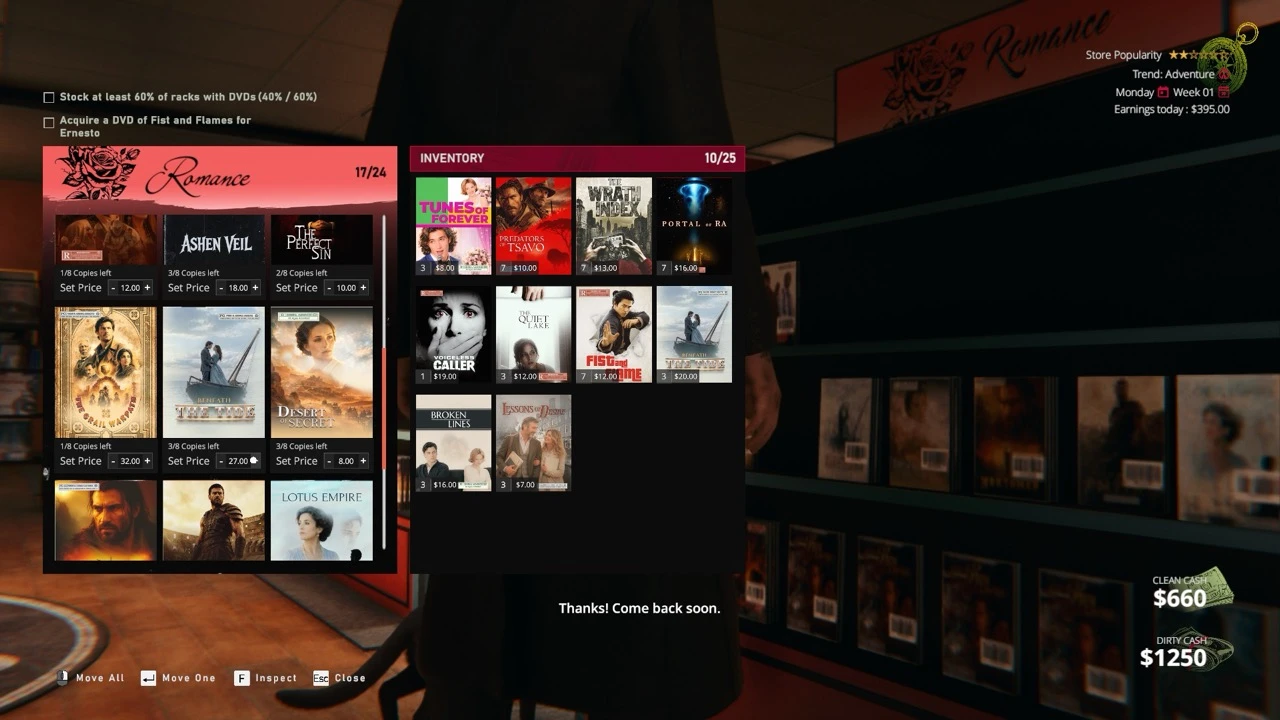
You play as Anton, a young guy living in Brooklyn in 2012. Anton lives an odd double life: by day he runs a neighborhood DVD rental shop, and by night he heads into a basement armory to take contract hits. I still do not know how I feel about managing a DVD store in a hitman game. It is weird, jarring, and ultimately feels like pointless filler placed between you and the action.
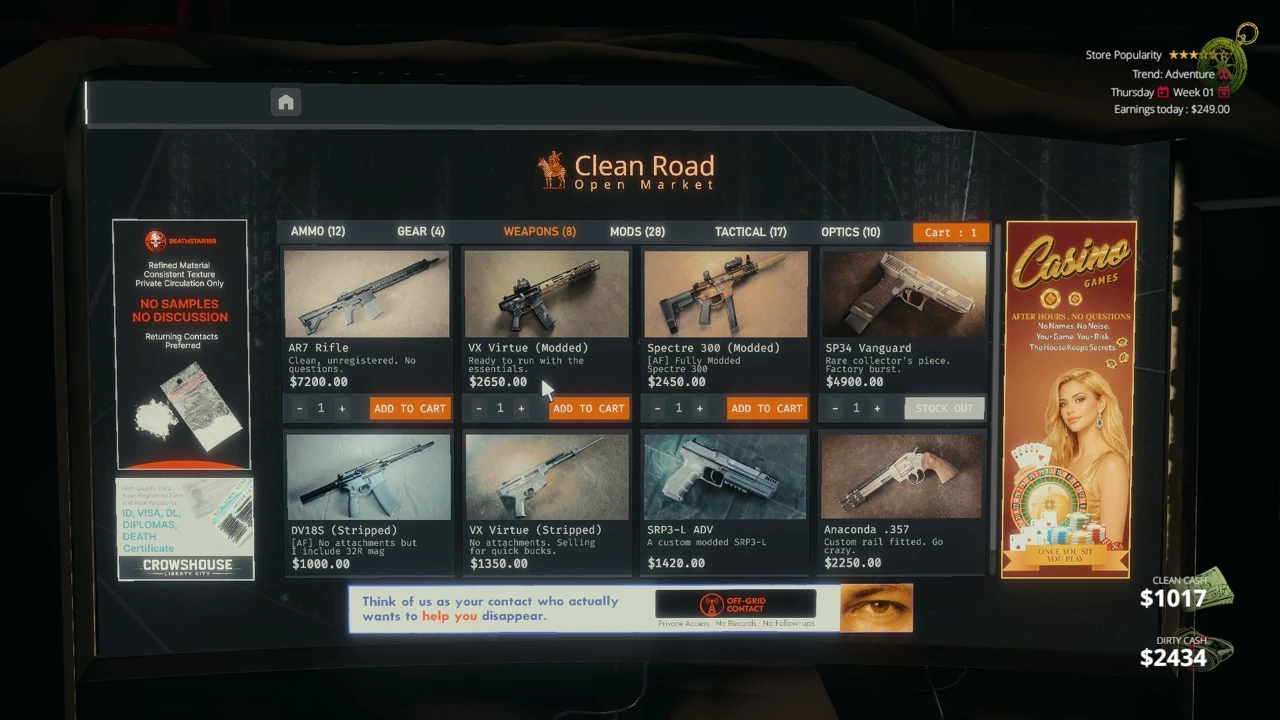
The game structures this routine around a day-and-night cycle. Much like the daily hustle in Samson: A Tyndalston Story, Anton needs clean money to maintain his cover. Legal cash pays for shop rent, utility bills, street clothes, and basic civilian firearms bought online. Dirty cash from contract hits is reserved for black-market guns, specialized attachments, and illegal modifications.
In practice, the daytime store management loop is as barebones and dull as it sounds. You mop dirt off the floor, wipe dust from shelves, tidy comic books, and log onto an old desktop PC to order stock. Once boxes arrive, you can place the DVDs on shelves so customers can buy them. You can also stand behind the counter, scanning discs and recommending movies based on a trending genre indicator. Yet the game never even tells you when closing time hits.
Thankfully, Anton has a female friend helping around the shop who can cover the counter. She seems primed as a romantic interest for upcoming acts, but her presence also exposes how pointless the chores are. You can skip the retail work completely, head straight to the basement, and take a contract. The shop passively generates around 500 dollars on its own, easily covering overhead. If you can ignore the management loop without consequence, why is it even there?
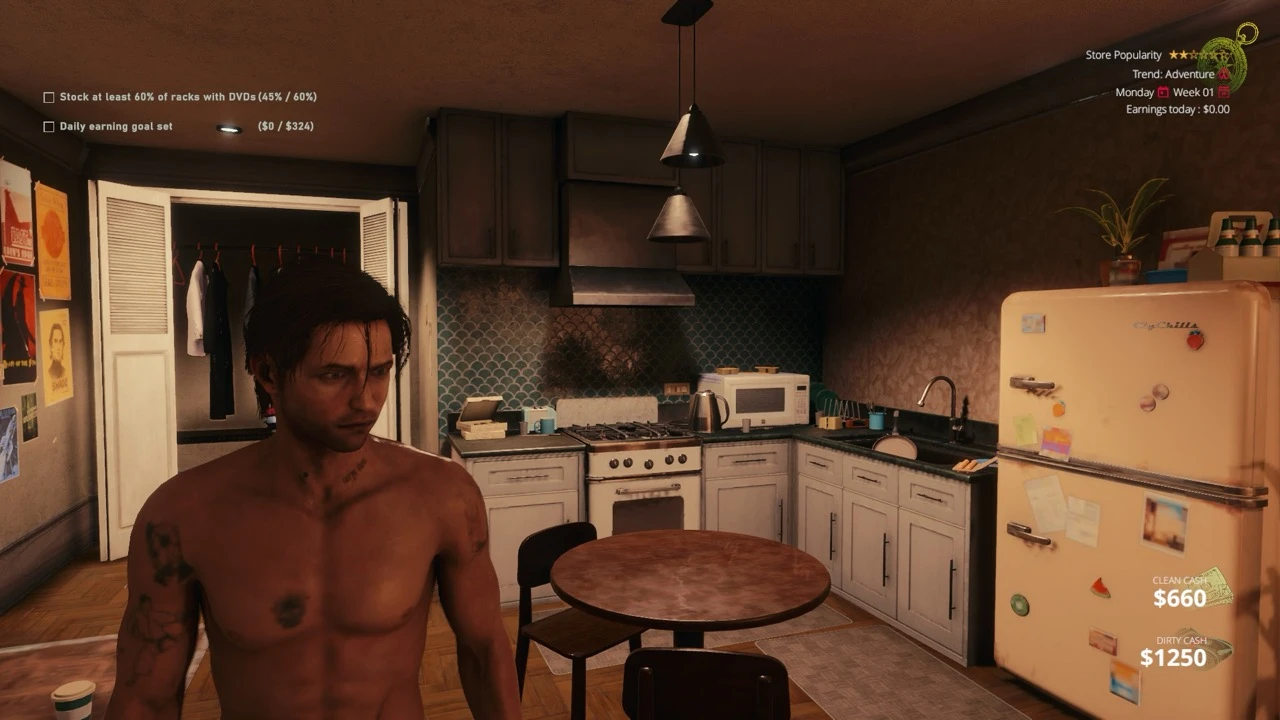
The daily routine also saddles you with tedious domestic logistics. After finishing a bloody contract, Anton returns to his apartment, runs up two flights of stairs, and must manually sleep in his bed to advance the calendar. You wake up, change clothes, and run down those same two flights of stairs to pick your next contract in the basement. Why an underground hitman cannot just keep a cot in his basement armory is beyond me.
Even so, that basement armory is easily one of the coolest spaces in the game. It feels like a proper covert safehouse. You have some cool automated gun racks to inspect your collection, admiring every pistol, shotgun, and rifle resting on its pegs. Before heading out on a contract, preparation actually matters: you have to load up on ammo so you don't run dry mid-mission. Modding your weapons is where the tactile immersion really peaks. In a presentation style heavily reminiscent of The Last of Us Part II, Anton works at a workbench, physically finagling with each firearm as he threads on suppressors, bolts on tactical rails, swaps grips, and mounts optics. Watching him strip parts and screw on accessories gives your arsenal a tangible, mechanical presence that makes gearing up feel genuinely satisfying.
When you finally step outside, Act 1 delivers four main missions and five side gigs, lasting around two to three hours. The story starts with a familiar action hook: Anton wakes up in a wet sewer pipe holding a mysterious USB stick, fights through goons on the streets of New York, gets to a getaway car, and returns home. The plot hints at a conspiracy involving his mother and past, but because this is only Act 1, the narrative cuts off before answering anything.
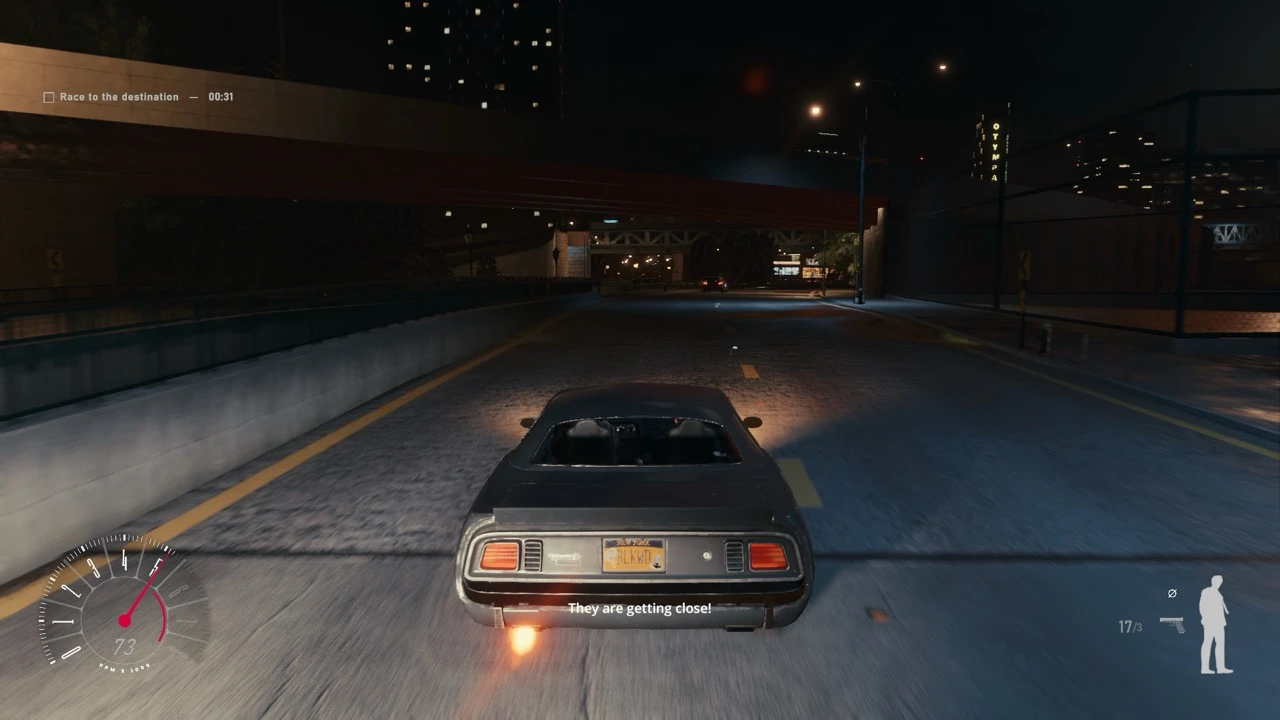
Mission design is wildly uneven. One main mission forces you into a driving sequence that showcases the game at its clunkiest. The vehicle controls feel abysmal, steering like a broken shopping cart on ice. If you crash, the entire sequence restarts. Fortunately, that miserable drive ends inside a multi-level parking garage with an intense shootout, immediately pulling the experience back to what it does best.
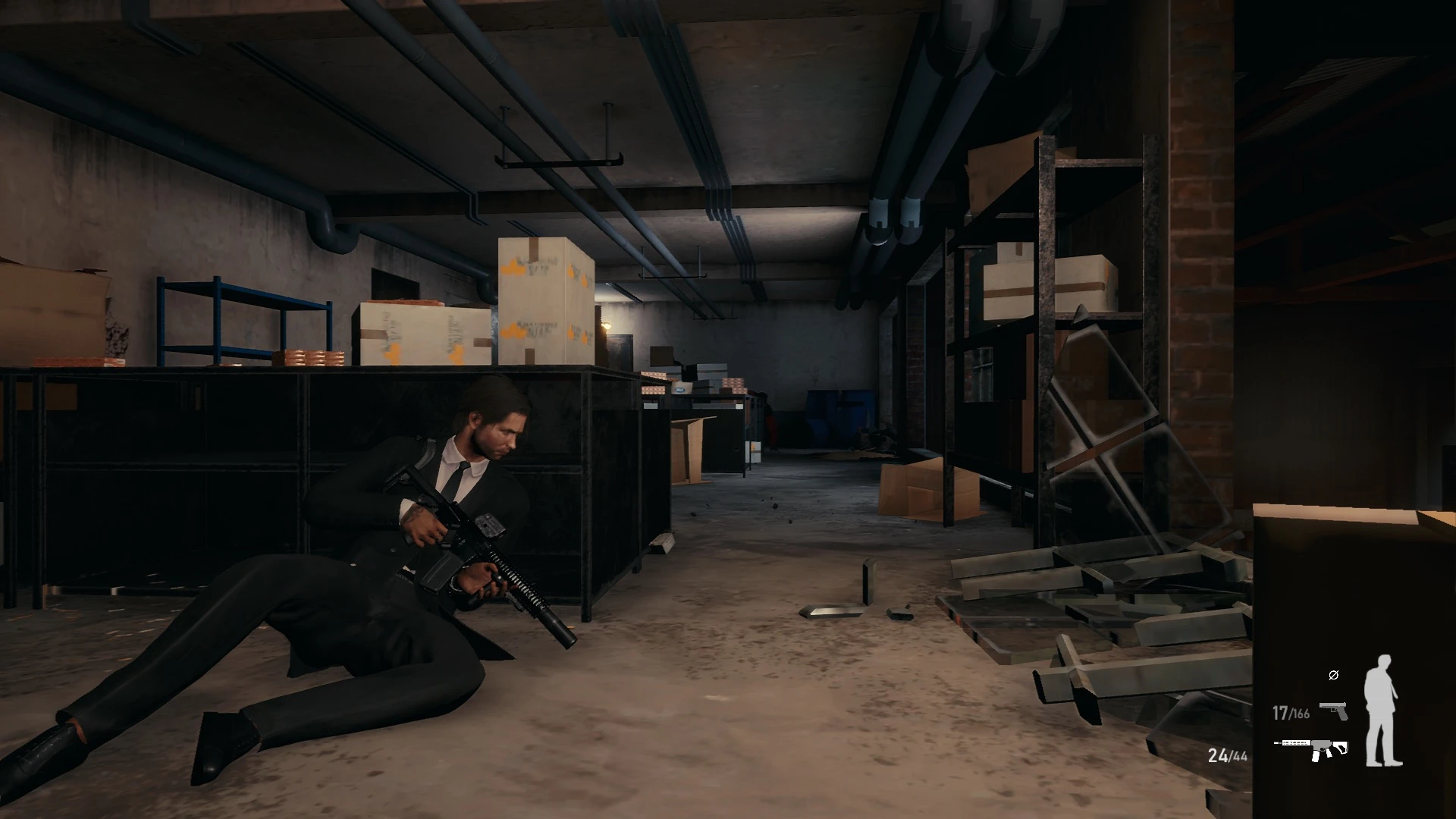
The gunplay is genuinely good once you turn off the aggressive auto-aim in the settings. Auto-aim snaps hard to enemy chests, ruining manual precision, but free aiming feels responsive. Enemy AI is relentless. Goons flank, rush your cover with shotguns, and lay down tons of suppressing fire. Encounter scripting can be sloppy, however, occasionally spawning enemies directly behind your back for cheap hits.
When a firefight clicks, the presentation delivers. Huddling behind cover as gunfire chews through concrete sends debris and dust flying across the screen. Anton can perform Max Payne-style dolphin dives, and aiming mid-air triggers a brief bullet-time effect. The issue is that the slow-motion window is far too short, barely giving you time to line up a single headshot before hitting the floor. Not having a bullet-time meter you can trigger at will feels like a missed opportunity.
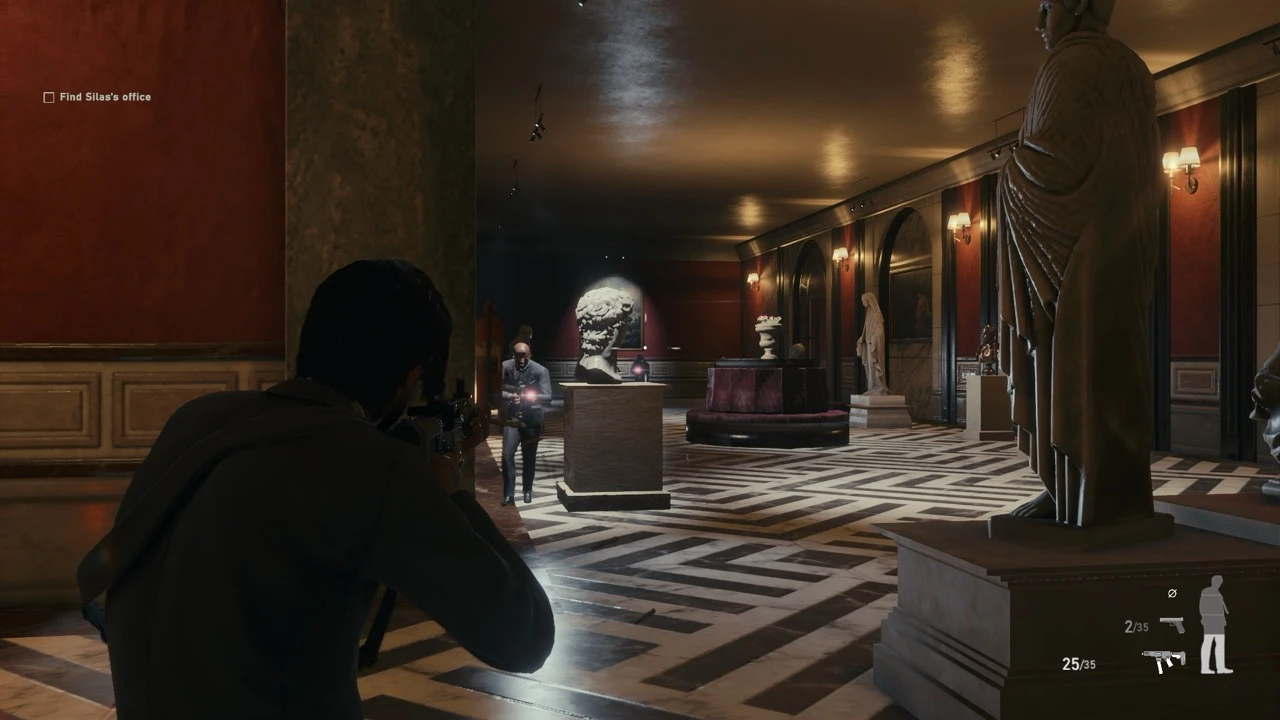
Unfortunately, the camera is your biggest enemy indoors. Whenever Anton takes cover against a wall, moves down a tight hallway, or fights inside small rooms, the third-person camera freaks out. It wildly snaps angles, obscuring your target completely. Since health does not regenerate automatically and enemies hit hard, losing visual tracking because the camera chose to study Anton's back often leads to instant death.
Ammunition is scarce, which forces you to push forward aggressively and take enemies down at close range. That risk-reward rhythm highlights the game's greatest strength: the takedown animations. Whoever animated these finishers deserves a massive raise. There are over seventy contextual takedowns across standard melee, firearms, and environmental kills. Anton throws attackers, drives MMA knees into skulls, slams heads into objects, stabs goons, and pulls off point-blank executions straight out of John Wick or Atomic Blonde. They look incredible, and each takedown restores precious health.
Smaller tactical touches during missions are equally cool. Anton inspects chambers, retains a bonus bullet during tactical reloads, and walks with a great tactical posture that fits the hitman aesthetic. Sprinting, however, looks stiff and awkward, with Anton jogging forward like an unweighted mannequin.
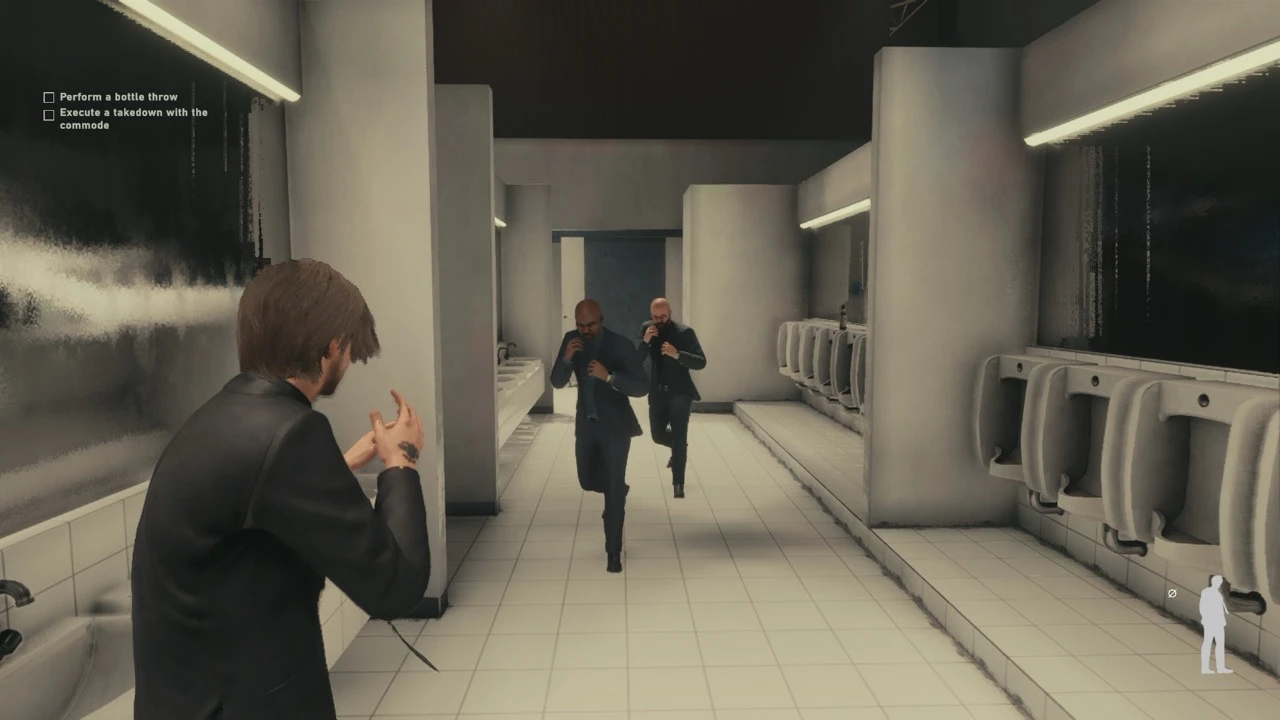
While contextual takedowns look fantastic, standard melee combat feels terrible. You have a punch button and a heavy kick mapped to a long press, but fighting multiple enemies quickly becomes a chaotic mess. Hitboxes feel floaty, and parry timing is inconsistent. There are two side missions where you fight with a katana, and that is easily one of the most frustrating, unresponsive parts of the game.
Stealth is also practically non-existent. The final main mission has you infiltrate a crowded nightclub with a silenced pistol, channeling the famous club scene from John Wick. You fight from the bathhouse to the dance floor and into an upper office for a fistfight with an older crime boss. The problem is that the clubgoers on the dance floor act like wooden trees. You cannot push through them, and firing a silenced pistol beside their heads produces close to no reaction at all.
Side missions are short, bite-sized tasks taking just a couple of minutes each. Some of the most enjoyable are stunt-double jobs where Anton works on a movie set, brawling with actors, which is a little weird too, but hey. One snippet even pays homage to the bathroom brawl in Mission: Impossible - Fallout, you know the one where Henry Cavill reloads his punches.
On the ROG Xbox Ally X, performance is playable but rough. Running at 1080p on medium settings with AMD FSR 2 set to Ultra Performance yields 40 to 60 FPS. However, the game hitches and stutters noticeably the second combat starts or new enemies spawn into a room. Gun audio is decent, but the technical hitches take a toll on the handheld experience.
At 24 dollars, Blackwood is tough to recommend right now. Buying the game now grants free access to Acts 2 and 3 when they arrive in 2027, but Act 1 only offers two to three hours of play. Mission replay exists, but it does not add much lasting appeal, plus some of the side missions like the stun work might not be there, you just have some frustrating melee arenas. I can see the vision, and the phenomenal takedowns prove the developers have talent. But until the camera is fixed, melee is tightened up, and the rest of the campaign arrives, Blackwood remains an unpolished prototype of the John Wick shooter we are all waiting for and it should have been labeled as Early Access. Thanks for reading!