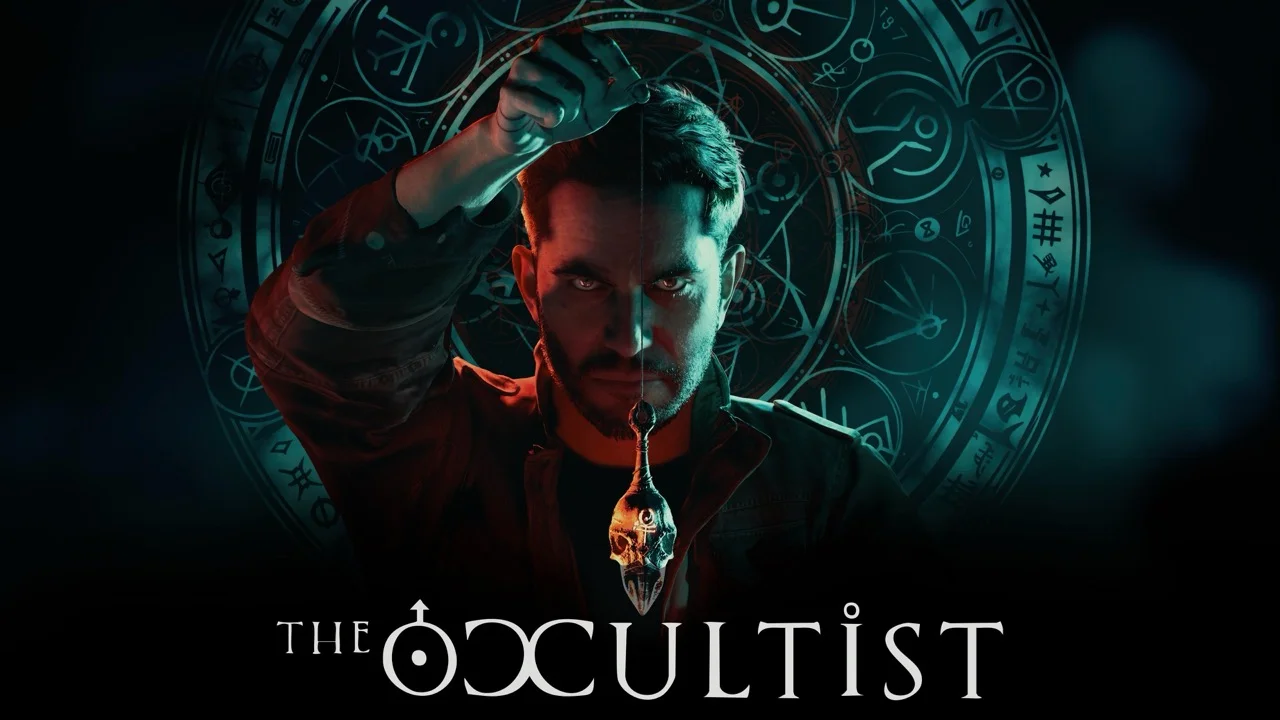
The Occultist is a tense, puzzle-heavy psychological thriller with a great mystery at its core, held back mostly by rough PS5 performance
The Occultist drops you into a classic setup, but it does enough with it to stay interesting from start to finish. You play as Alan Rebels, a paranormal investigator who travels to Godstone, a supposedly abandoned island, to find out what happened to his father. Very quickly it becomes obvious that Godstone is not empty at all. It is full of lingering presence, old rituals, and hostile energy that feels stitched into every wall and corridor.
What I liked most is how the story keeps feeding you answers in small chunks instead of dumping everything in long exposition scenes. Alan is trying to solve a personal mystery, but as you dig deeper you uncover the island’s history with occult experiments and the cult that shaped it. The game gives you enough detail to stay invested, but it avoids overexplaining every little thing. That balance works. It keeps the tone uncertain, and it keeps you moving forward because you genuinely want to know what happened.
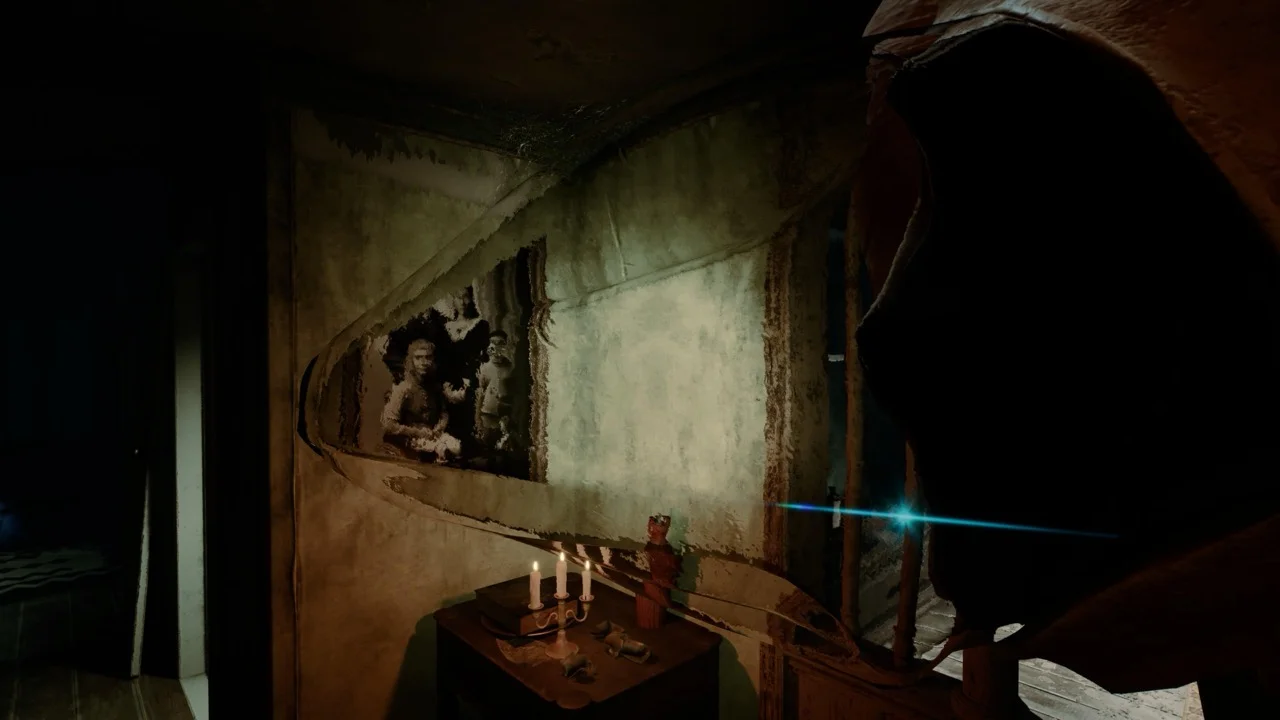
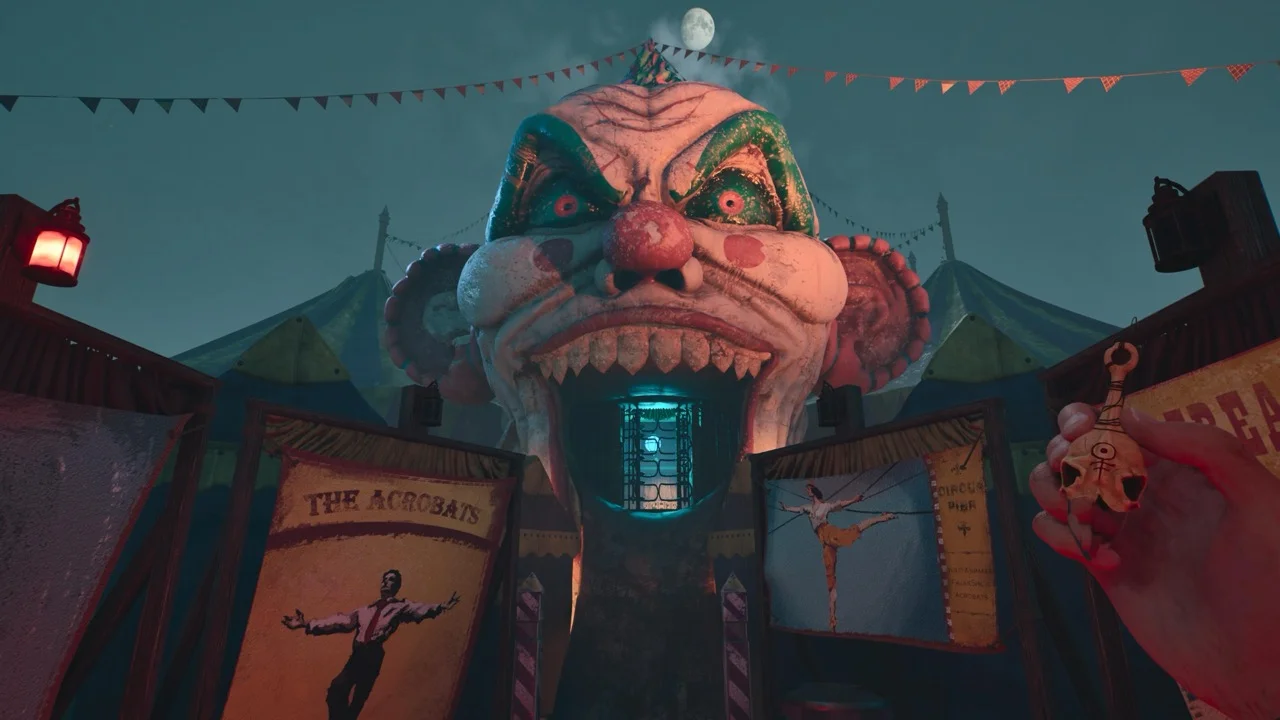
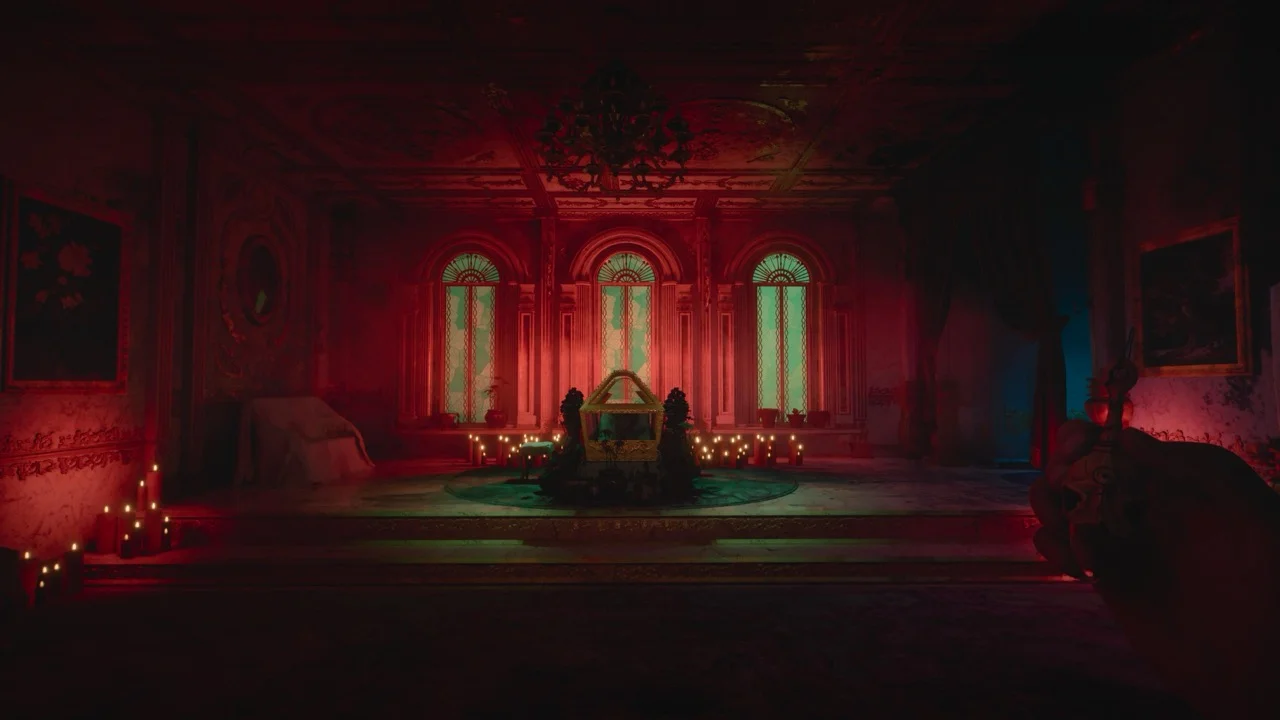
Godstone itself does a lot of heavy lifting for the narrative. You move through a creepy cottage, a decayed hospital and psych ward, a disturbing orphanage, a broken pier carnival, a graveyard, and a massive manor that looks both beautiful and threatening at the same time. These spaces are not just set dressing. They are where the story lives. Notes, clues, object placement, and environmental details all add context without shouting for attention.
The game also benefits from the fact that Alan is not a fighter. There is no combat system where you shoot monsters and move on. You survive by observing, hiding, and understanding what the game is asking from you. That design choice gives the entire experience a different rhythm. You are not playing for power fantasy. You are playing to investigate, interpret, and endure.
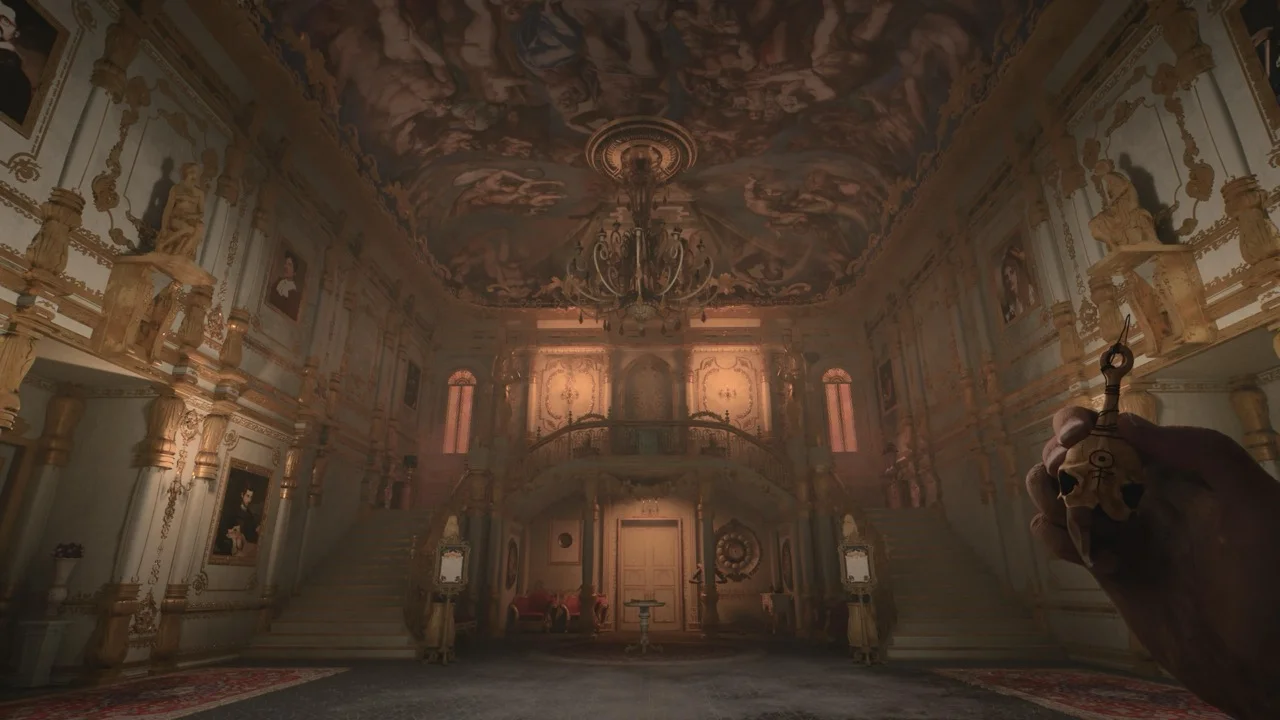
The core gameplay revolves around Alan’s mystical pendulum, and this is where The Occultist gets genuinely fun. Early on, you unlock a vision ability that reveals hidden objects, traces, and clues. It sounds simple, but it changes how you read each room. You start scanning spaces differently, almost like you are peeling a second layer off the world.
Later, the game keeps expanding your toolset in ways that feel meaningful. You get a time rewind ability used to restore objects or moments in the environment. You get a controllable crow that can reach places Alan cannot. And eventually you gain the power to command rats for specific puzzle and traversal interactions. These mechanics are not gimmicks. The game builds encounters around them and combines them in ways that make sense with the setting.
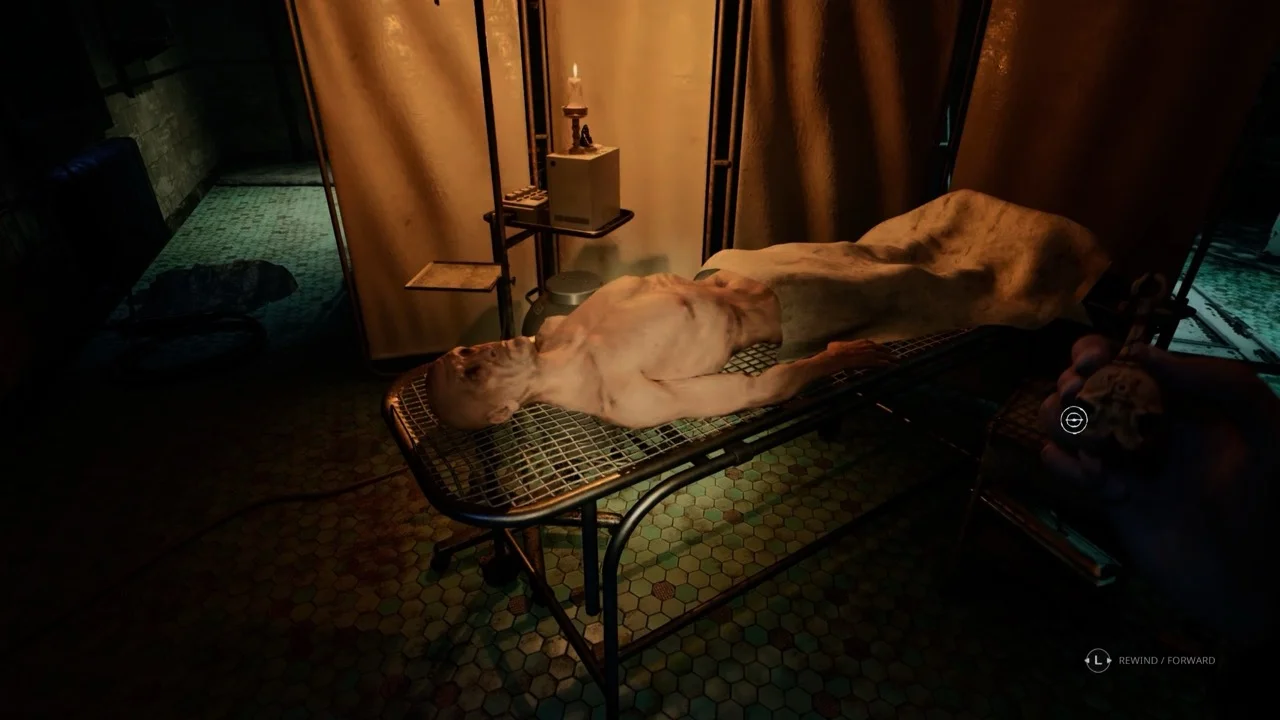
Puzzle design is one of the strongest parts of the whole game. There are many puzzles, and most of them are logical if you pay attention. You have a journal where Alan records clues, which helps a lot, but the game still expects you to do the final thinking yourself. There are no floating markers telling you exactly where to stand, no constant hints, no hand holding. For this kind of game, that is a big plus.
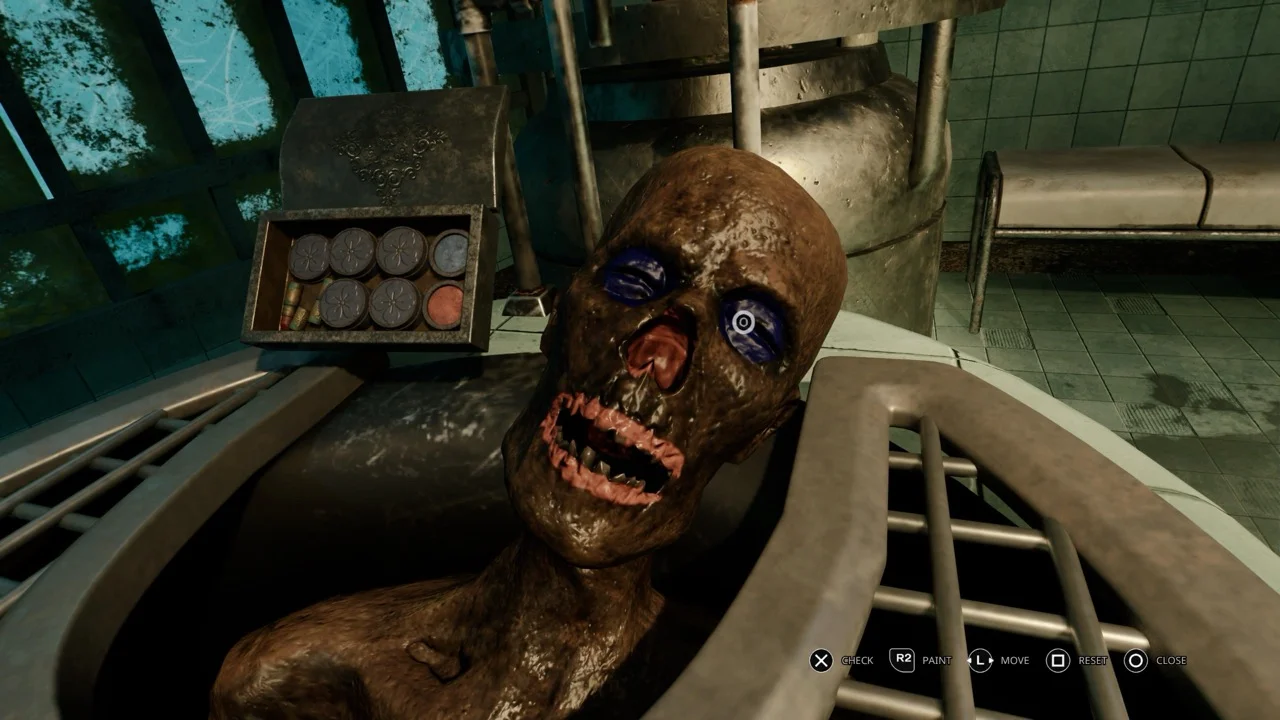
One example that stood out is in the hospital section, where you gather components and clues across multiple rooms to recreate a formula and trigger the next key event. You are not just solving a single lock, you are connecting observations from different spaces, reading context, and using your abilities at the right moment. It feels like actual detective work inside a horror game, not just puzzle theater.
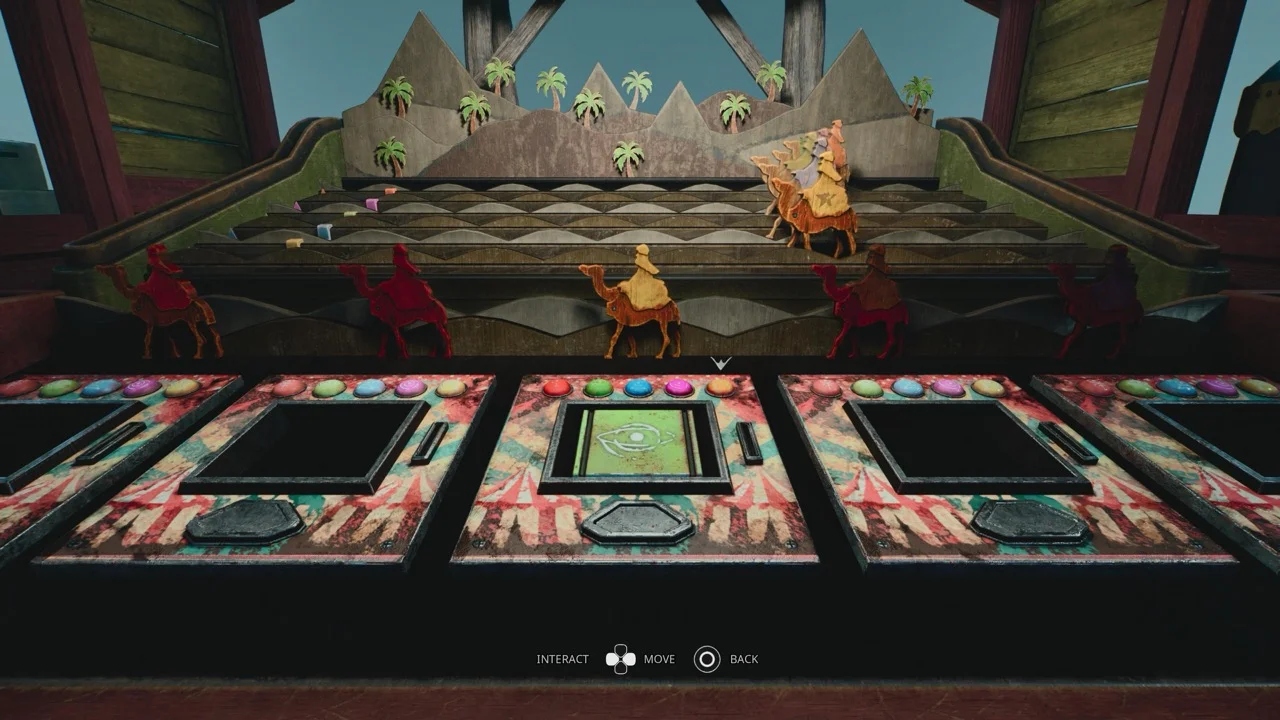
That said, there were moments where the line between challenging and frustrating got thin. The biggest one for me was in the amusement fair area. I got stuck for a long time because I could not find the token needed for the machine. Since the game does not point you directly to objectives, I searched basically every corner of that pier. Eventually I realized the token was placed high up and I needed to use the crow ability to grab it.
I do not mind getting stuck in puzzle games, that is part of the appeal, but this specific moment felt a bit too obscure. The solution makes sense after the fact, but in the moment it was easy to assume I had missed an entirely different progression path. Still, once I solved it, that same lack of hand holding felt rewarding again. The game trusts you, sometimes maybe too much, but mostly in a good way.
Stealth and tension sections are another key part of the experience. Certain enemies are not meant to be fought, so your options are movement, hiding, timing, and reading behavior. These moments usually work because the atmosphere is strong and the threat feels immediate. You are often moving through narrow spaces with limited visibility, and that keeps pressure high.
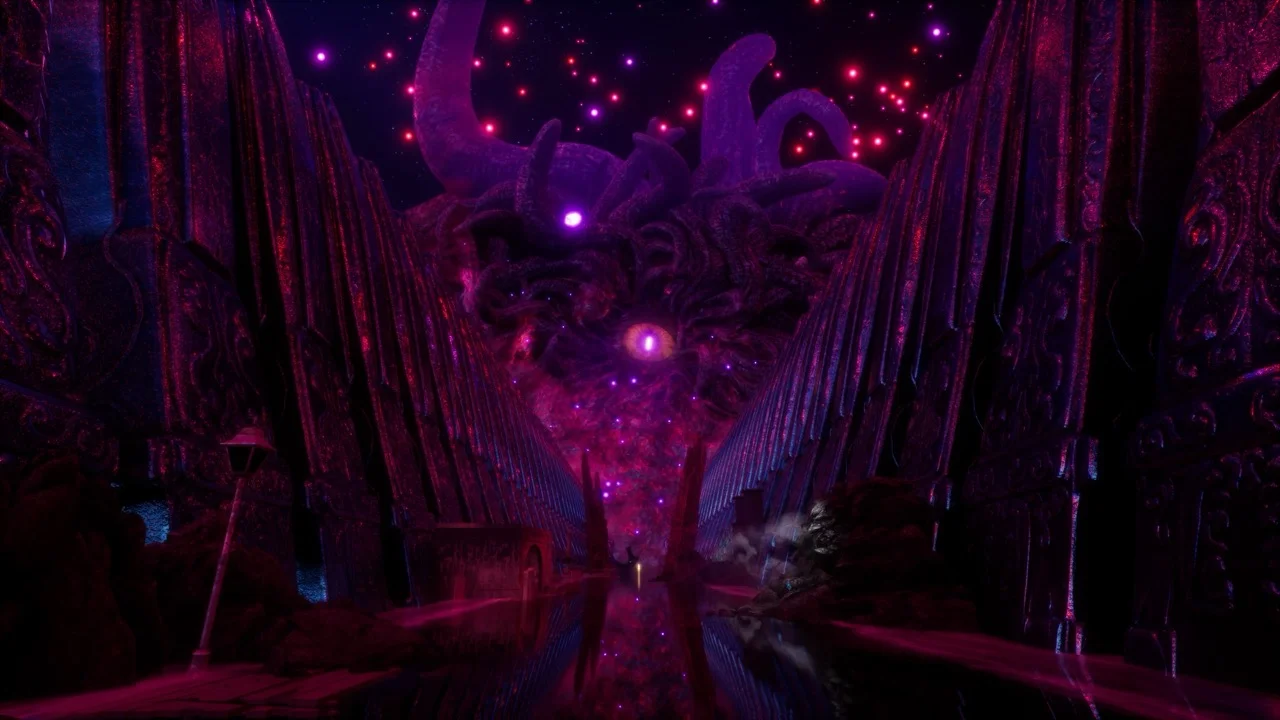
The presentation helps a lot here. Visually, The Occultist looks very good. Environment detail is excellent, and many locations feel truly lived in, or abandoned in ways that still suggest recent human presence. Lighting is especially strong. Some scenes are genuinely gorgeous in a dark and unsettling way, with fog, shadows, and practical lights shaping the mood instead of just making things hard to see.
Audio is also solid overall. Ambient sound design does a good job of making every building feel uneasy, and key story moments get enough weight. Voice acting is generally strong too. Alan is voiced by Doug Cockle, known by many players as Geralt’s voice actor. The performance quality is good, but I will admit it took me out of the experience at times because the voice is so recognizable. He sounds great, but not always like this specific character.
Where things clearly fall short on PS5 is technical performance. Frame rate drops are frequent enough to notice across many areas, not just isolated moments. I also saw some tearing, and motion blur felt too aggressive in motion. None of this made the game unplayable for me, but it definitely affected immersion in a game that relies heavily on mood and pacing.
It is frustrating because so much of the design is built around atmosphere and precision. When performance dips hit during tense exploration or puzzle-heavy sequences, it pulls you out of that mental state where the game works best. The core experience is still strong, but this version needs optimization to fully match its creative ambitions.
Even with those issues, I came away really positive on The Occultist. The mystery is compelling, the setting is memorable, and the pendulum-based systems are thoughtful and well integrated. Most puzzles are satisfying, exploration feels purposeful, and the game respects the player enough to let them struggle, think, and solve things without constant interruption.
If you enjoy first-person psychological horror with detective-style puzzle design, there is a lot to like here. Just go in knowing this is not a combat game, and on PS5 the frame pacing can get rough. For me, the strengths still outweigh the technical problems. The Occultist feels like a game with a clear identity and a lot of confidence in what it wants to be, and that is why it lands at an 8 out of 10.