Emotionless: The Last Ticket is confusing, atmospheric, and visually striking, but held back on PS5 by rough performance and a short runtime
I finished Emotionless: The Last Ticket with the same feeling I had through most of the playthrough, I was confused, but also weirdly impressed. It is one of those games where I cannot confidently tell you exactly what happened, especially by the end, but I can absolutely tell you I somehow enjoyed being inside it. You play as a son returning to an abandoned amusement park tied to his missing father, and from there the game drops you into liminal spaces, surreal set pieces, and unsettling transitions.
The story, at least for me, is more about mood than clarity. I understood the basic objective, find answers about your father, but the game keeps moving through strange environments without giving you a clean narrative thread to hold onto. Sometimes that ambiguity works, because it makes every area feel unpredictable. Other times it feels like the game is throwing imagery at you without enough context.
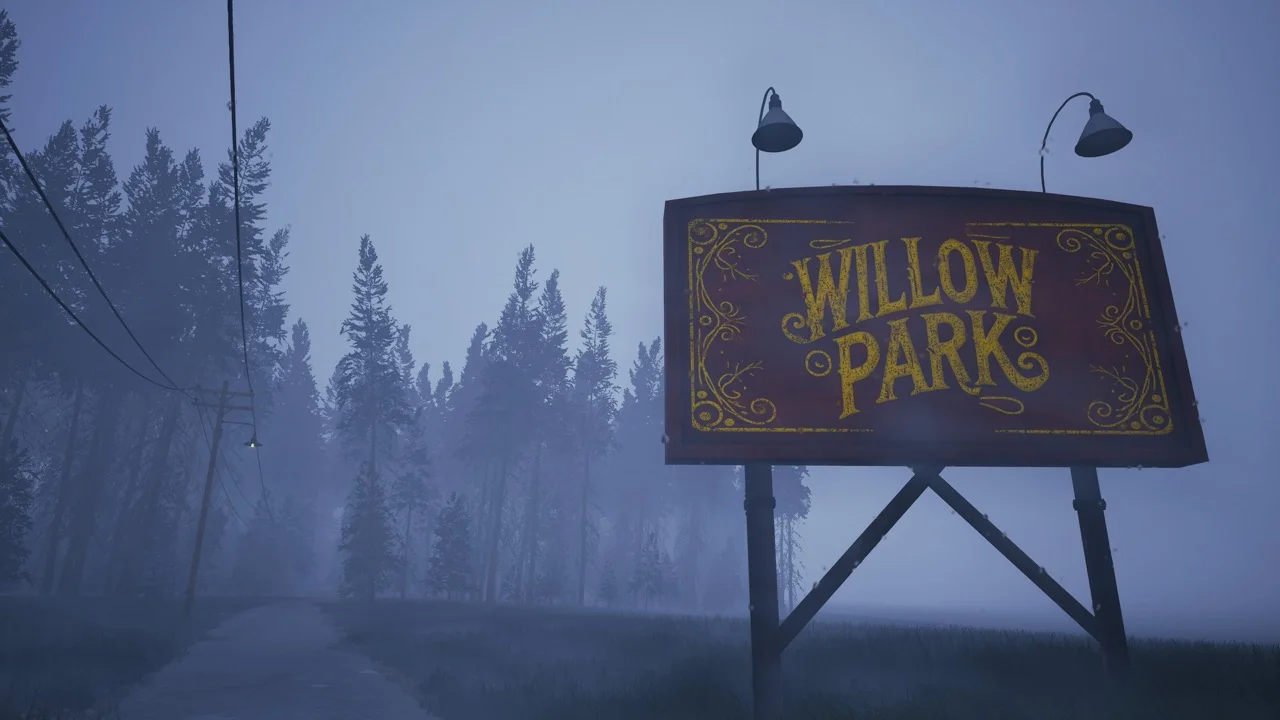
That said, the game knows exactly how to build anticipation. It is sold as psychological horror, and that label makes sense, but not in the usual way people expect. There are no jump scares, no combat panic, no monsters sprinting at your face every five minutes. Instead, it leans hard into atmosphere. You walk through an empty theme park with rides still operating, hear footsteps that should not be there, catch tiny visual details at the edge of your screen, and second guess whether what you just saw was intentional or your own brain filling in the gaps.
Some of the strongest moments come from simple ideas executed well. You move through narrow tunnels while lights flicker as you walk. You hear distant machinery humming. You hear radio chatter that sounds like old WW2 wartime transmissions. At another moment you'll catch a pair of glowing eyes in peripheral view that vanish the moment you turn to look. Nothing directly attacks you, but your nerves stay tight because the game keeps hinting that something is close, then refuses to confirm it.
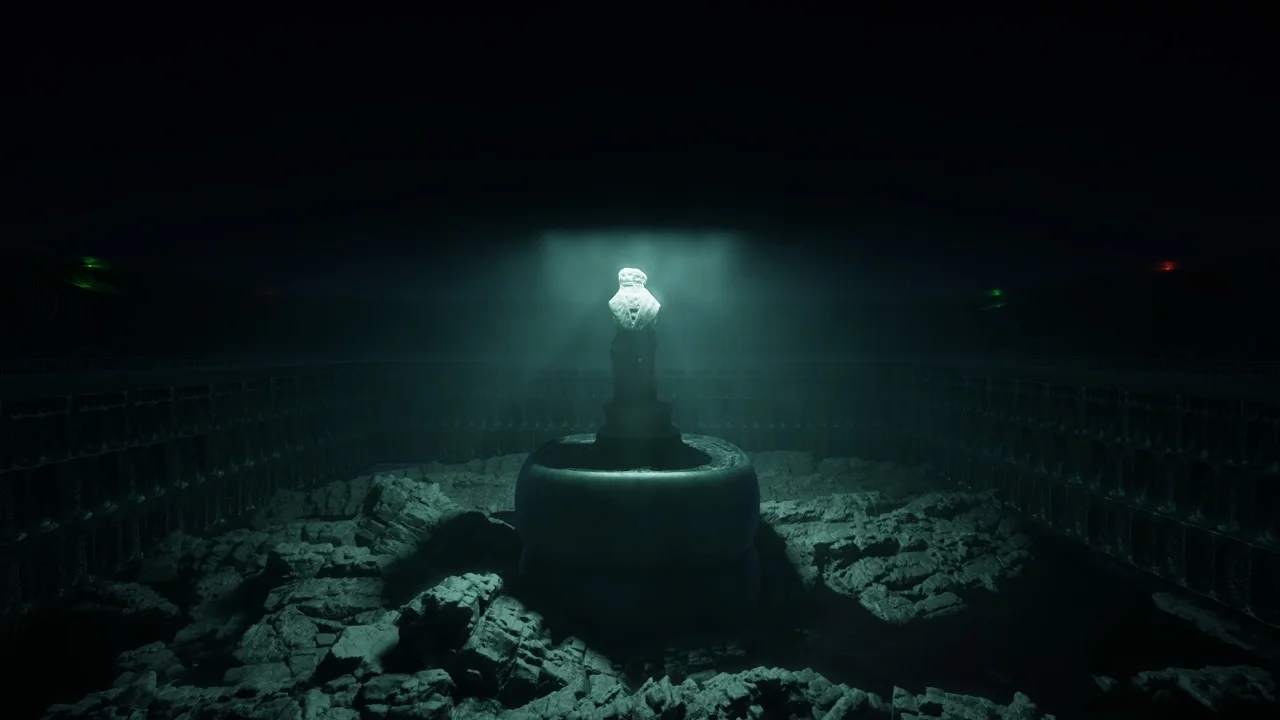
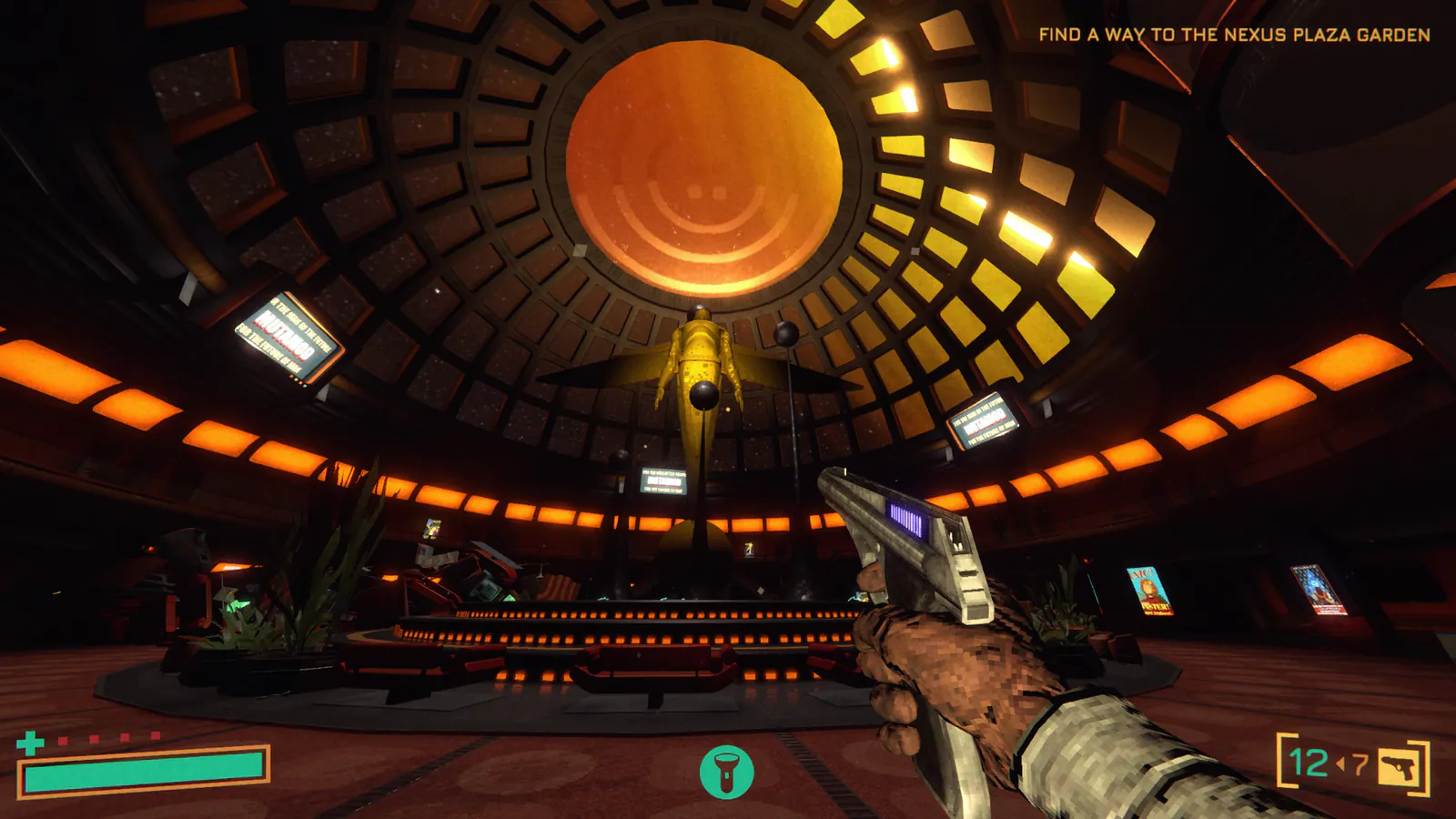
The environment design is where Emotionless genuinely shines. The abandoned park alone is a great setting, but the game does not stop there. You ride roller coasters while massive tentacles push through sky and ground. There are sequences with giant architecture and deep vertical spaces that tap into megalophobia in a very effective way, not in a cheap shock way, in a slow, uneasy way that makes scale itself feel threatening.
Later sections go even further into cosmic horror imagery, with spaces that look like ancient alien ruins crossed with biomechanical nightmare art. It is excessive, confusing, and honestly kind of brilliant from a visual creativity standpoint. Even when the narrative logic breaks down, the visual storytelling keeps pulling you forward.
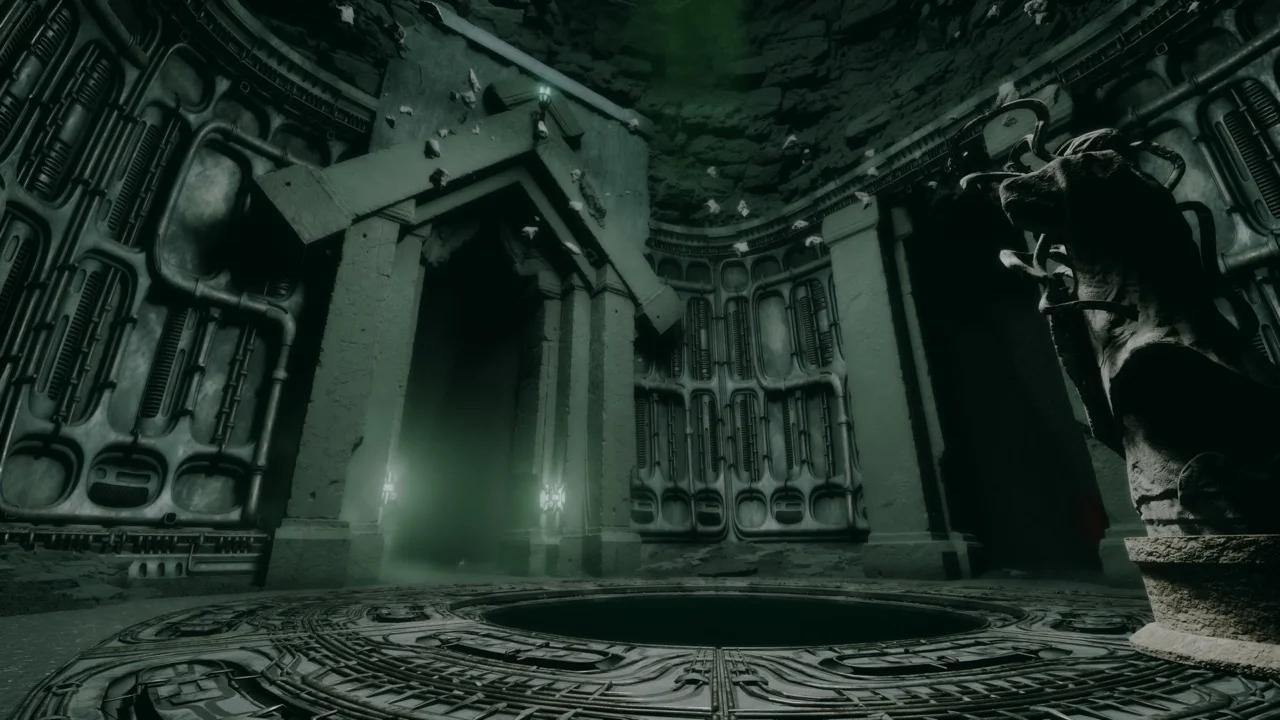
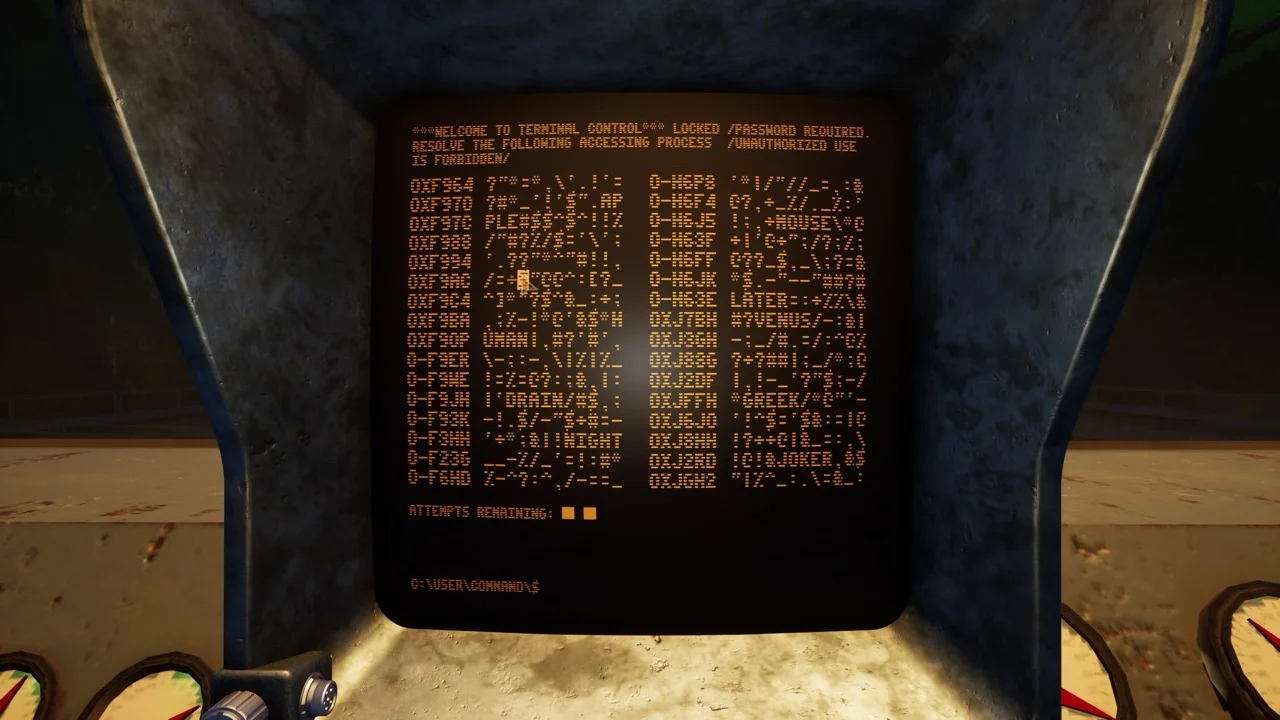
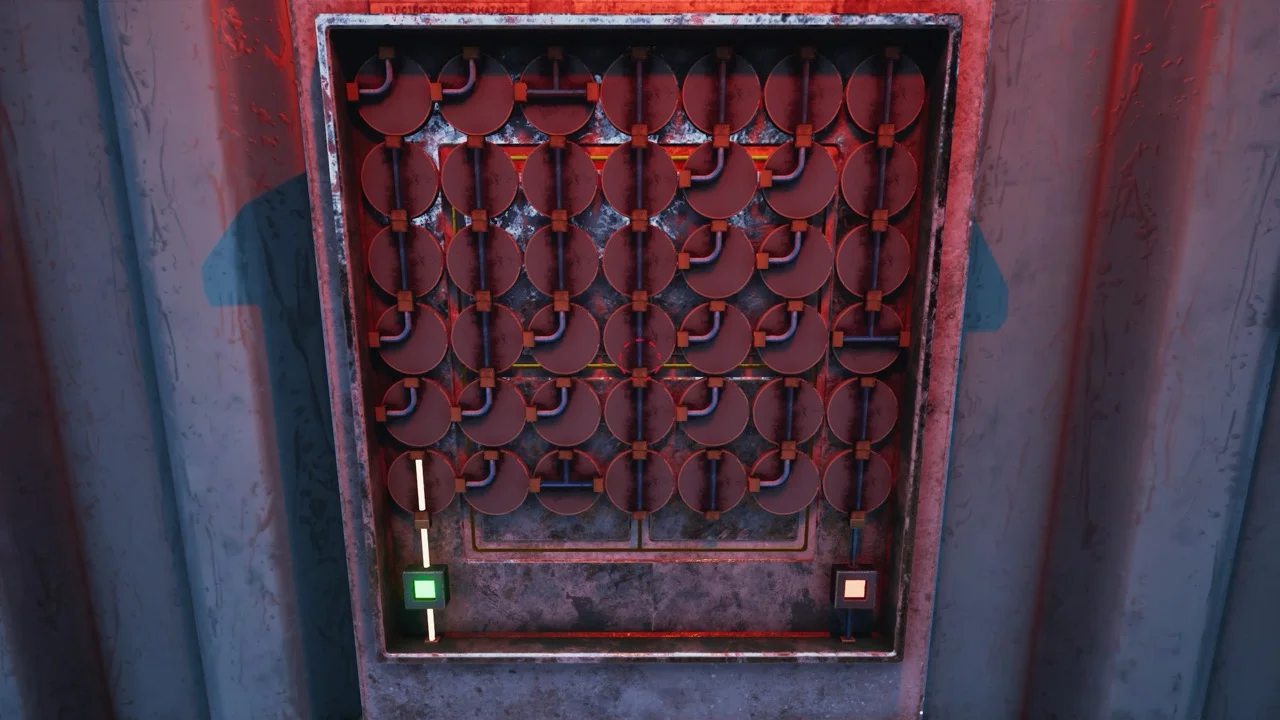
Gameplay is intentionally simple. There are no combat systems and no skill trees. You explore, interact, solve straightforward puzzles, and try to progress through spaces that are sometimes deliberately disorienting. There is very little handholding, no clear waypoint trail, and often no obvious direction beyond your own curiosity.
For some players, that will be frustrating. For me, it mostly worked because it fits the game’s identity. It wants you to feel uncertain, like you are moving through a place that is not stable. The puzzles are not difficult to block progress for long, and that is probably the right call. If you go in expecting deep mechanical systems, this is not that kind of game.
Where things really break down on PS5 is performance. This is the biggest issue and the one that affects the recommendation most. Frame rate feels wildly inconsistent, like there was no proper target locked in. Large parts of the game feel around 30fps or below, then suddenly a short segment runs close to 60fps, then drops again.
The visual quality itself can be gorgeous, with strong lighting and photoreal textures in several areas, but the technical instability constantly reminds you that this version needed more optimization. It is not an unplayable disaster, but it is rough enough that I cannot ignore it.
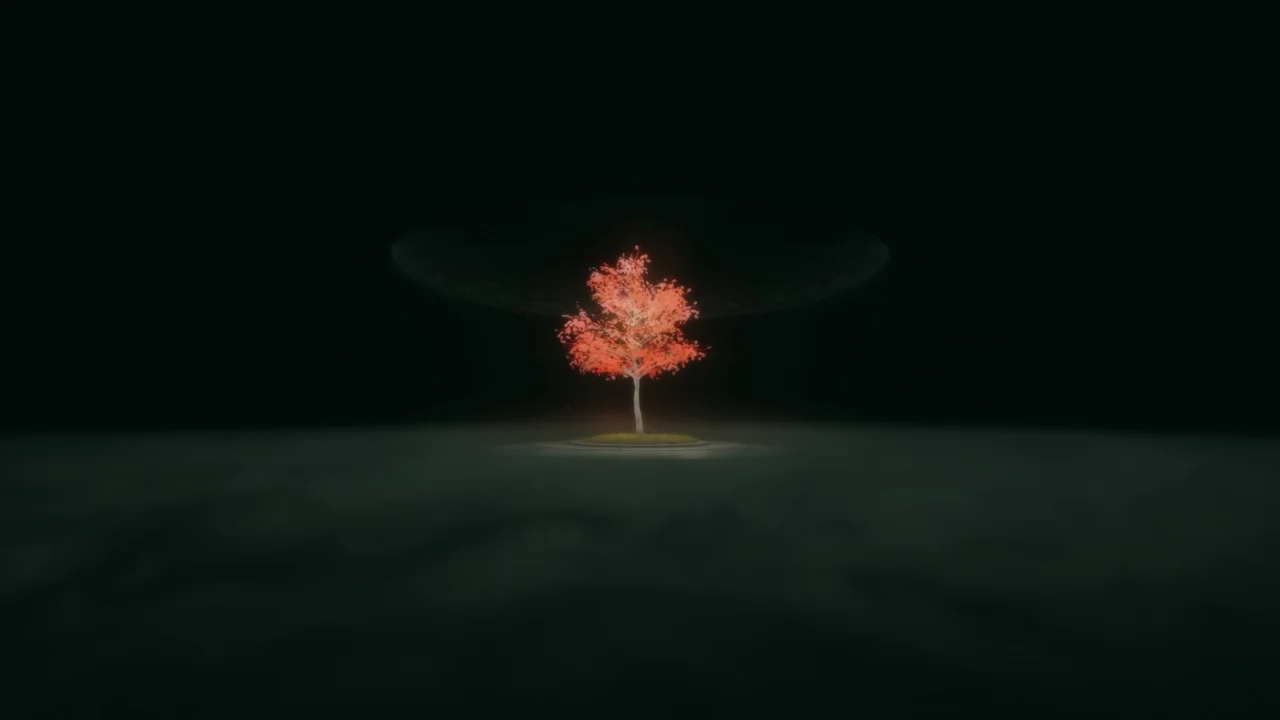
Audio does a lot of heavy lifting and deserves credit. The soundscape is excellent at creating low-level dread, from metallic groans and distant mechanical noise to unnatural echoes and discordant footsteps. The game often uses silence just as well as sound, letting empty space breathe before dropping in one small cue that changes the whole mood. That sustained tension is one of the game’s best achievements.
I also kept thinking this would be incredible in VR. Walking these spaces in full immersion would probably be mind blowing, especially the scale-heavy sections and ride sequences. Of course, if the current performance profile is anything to go by, a VR version would need serious technical work to run well, but conceptually it feels like a perfect match for this kind of environmental horror design.
At under two hours, Emotionless: The Last Ticket is short, and that brevity works both for and against it. On one hand, it does not overstay its welcome, and the concentrated atmosphere stays effective. On the other hand, the story and themes do not have enough time to fully land, which adds to that feeling of "wait, that is it?" by the ending.
So, is it easy to recommend? Honestly, not really. It is a hard sell if you care a lot about performance consistency, deeper gameplay systems, or clear narrative payoff. But if you are in the mood for something short, strange, visually ambitious, and built around pure atmosphere, this is still worth checking out. I did not always understand it, but I felt it the whole time, and that counts for a lot in this genre. Thanks for reading!