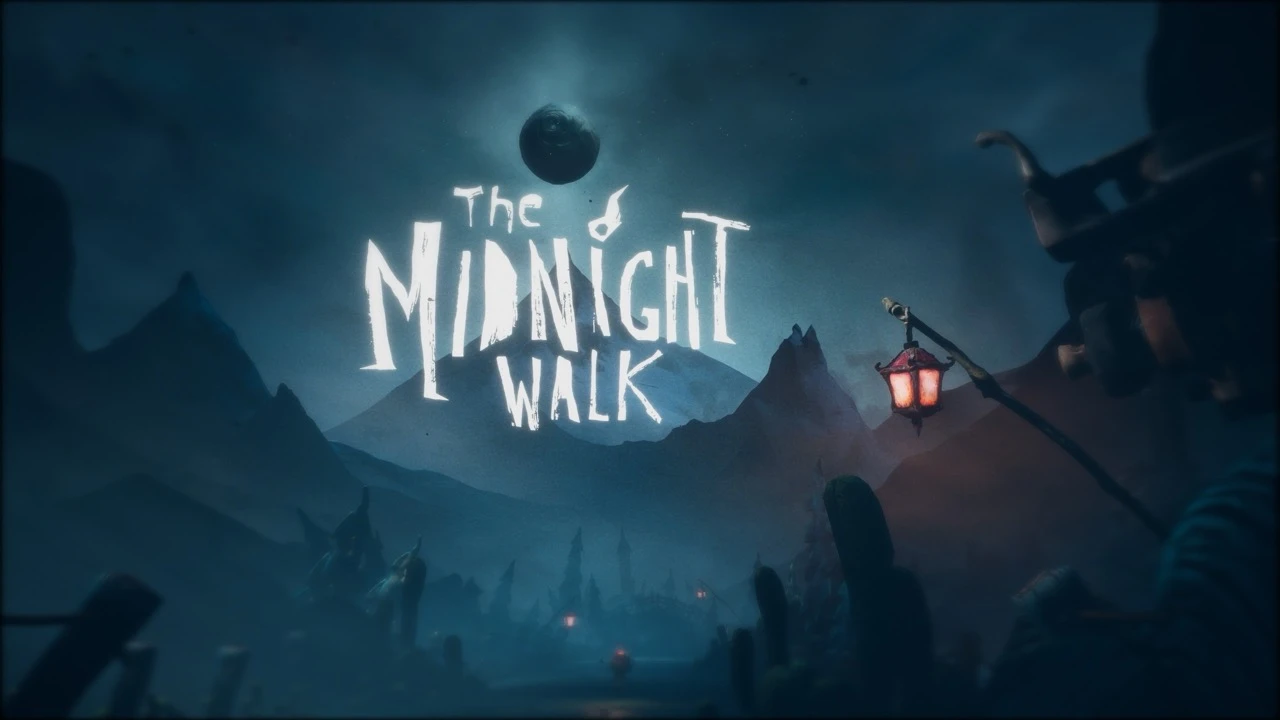
The Midnight Walk is a gorgeous, creepy, weirdly heartfelt journey through darkness, clay, fire, and some truly unforgettable characters
The Midnight Walk is one of those games where the first impression does a lot of heavy lifting, and I mean that in the best way possible. It looks unlike almost anything else out there. The entire thing has this handmade claymation quality that immediately gives the world texture, personality, and a slightly wrong feeling, like a forgotten stop-motion fairy tale dug out of a haunted attic.
I would not really call it a walking simulator, even though walk is literally in the title. It is closer to a narrative adventure with walking sim energy, simple puzzles, light stealth, a few escape sequences, and a strong focus on atmosphere. If you come in expecting deep systems or constant mechanical variety, this is not that game. But if you want a short, strange, visually unique experience that actually has something to say, The Midnight Walk absolutely delivers.
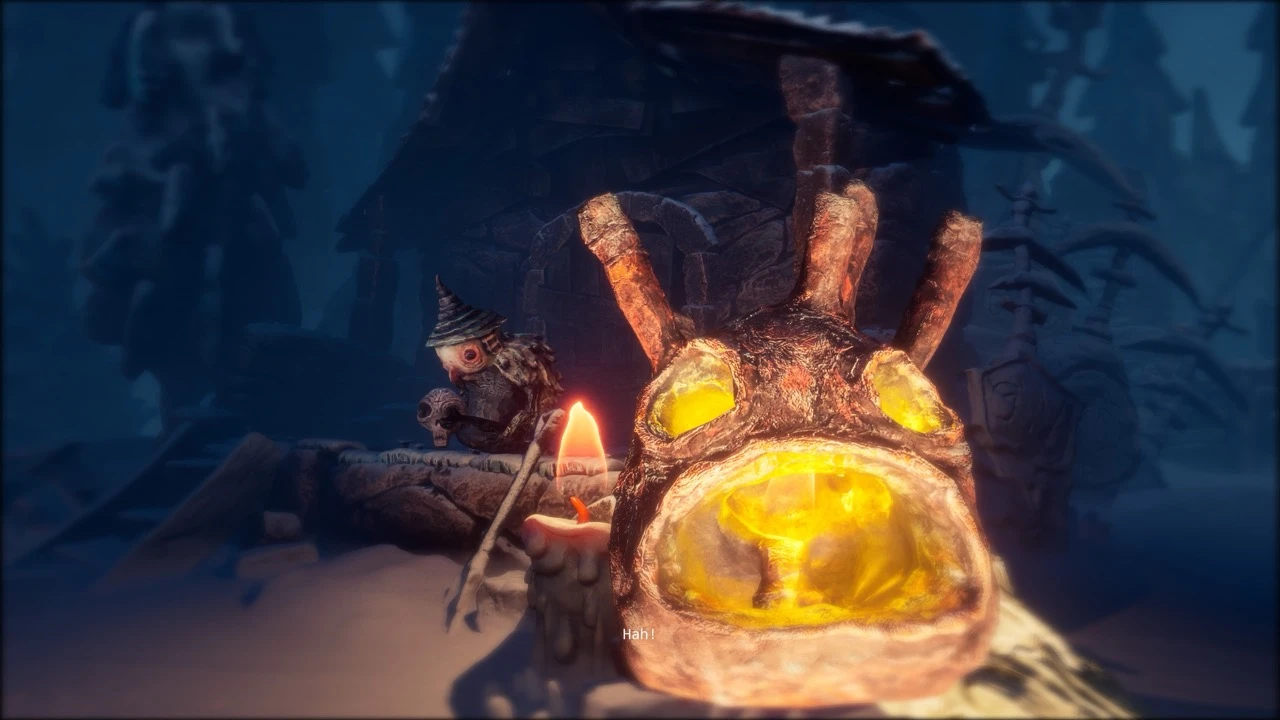
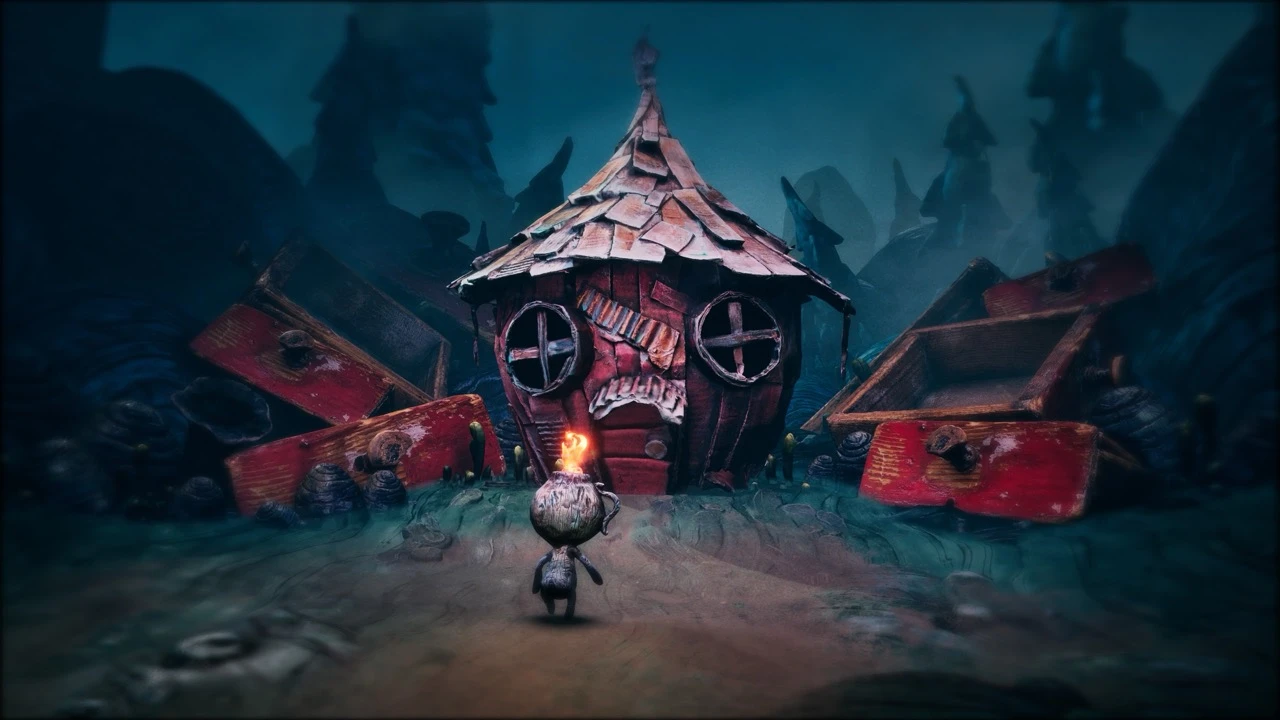
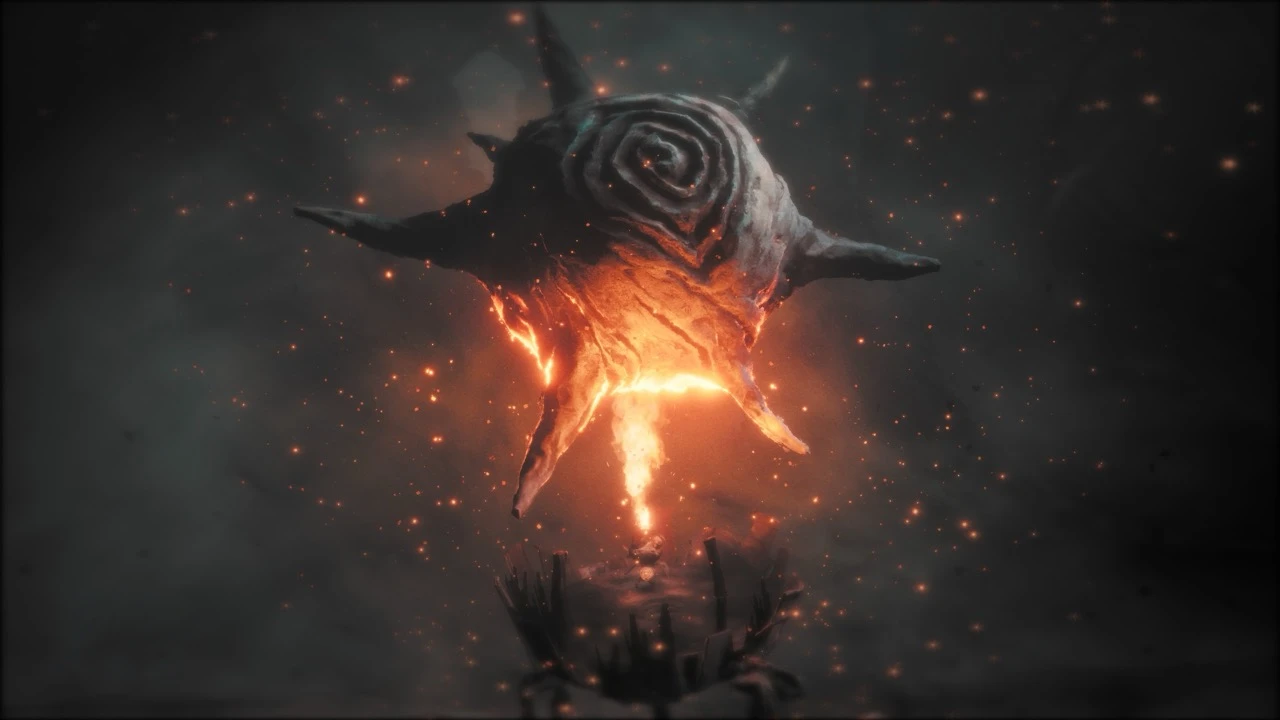
You play as The Burnt One, a creepy little figure pulled into a journey across a world swallowed by darkness. Early on you meet Potboy, who is basically a pot on fire with a face, arms, and legs. He becomes your companion, your light source, your puzzle tool, and honestly one of the reasons the whole thing works. Together, you take the Midnight Walk and try to bring light back to the world by burning the moon. Because sure, that is apparently the plan.
That setup sounds ridiculous when you describe it plainly, but the game commits to its own fairy tale logic so confidently that it works. The tone sits somewhere between Tim Burton and Double Fine, like a love child of those two creative worlds. It is creepy, whimsical, sad, funny, grotesque, and oddly warm all at once.
Structurally, the game is split into tales. Each zone has its own biome, mood, puzzle ideas, and set of strange characters. One tale might ask you to collect bones and rebuild a skeleton so a ghost can finally appear and find peace. Another has you lighting the heart of a giant creature called The Craftsman, one of the beings responsible for shaping this world, so it can remember what it has lost. On the surface these stories are weird and a little silly, but underneath that they deal with grief, memory, fear, regret, and the way people carry darkness with them.
The narrator helps a lot. The Midnight Walk has that storybook delivery where every line feels like it has been pulled from some old, twisted bedtime tale. It makes the world feel more coherent than it probably should, especially when the actual events are so bizarre. The ending also lands better than I expected. The message behind why you are taking this walk, what darkness means, and what it means to carry light through it is genuinely lovely.
Gameplay is simple. Potboy can shoot fire from his head to light candles, open doors, activate mechanisms, or distract enemies so you can sneak past. You can also light matches yourself, and later you get a match-gun that lets you shoot matches from a distance. That little tool adds some convenience and gives the later puzzles more room to breathe, but this never becomes a complex puzzle game. Most interactions are clear, quick, and designed to keep the journey moving.
There are hide-and-seek sequences too, usually built around weird scary enemies that patrol spaces while you look for a route forward. These moments are not difficult, but they create enough tension to stop the game from becoming a passive stroll. The enemies fit the world perfectly, often looking like something that crawled out of a children's book after the children stopped reading it.
You also get Housy, which is exactly what it sounds like, a house with legs. You can enter it and look through collectibles and audio snails you have found across the journey. I love that this game has something called audio snails and does not feel the need to apologize for it. That is the charm of The Midnight Walk. It keeps throwing odd little ideas at you, and most of them fit because the whole world runs on dream logic anyway.
The weakest part is that the gameplay does not have much variety, and when the game tries to lean harder into one specific mechanic, it becomes obvious that the flat-screen experience is not always ideal. There are moments where you close your eyes and listen for audio cues to find a key, track a moving character, or understand where you need to go. Conceptually, that is cool. In practice, playing on PS5 without headphones, it did not really work for me.
I can see exactly why that mechanic exists. This feels like something built with VR and 3D audio in mind. With a PS VR2 headset, having the world surround you while you listen for tiny directional cues probably makes the mechanic much more natural. Unfortunately, I did not play The Midnight Walk in VR because I do not have a PS VR2 headset, and that genuinely pains me. This world in VR must be something special.
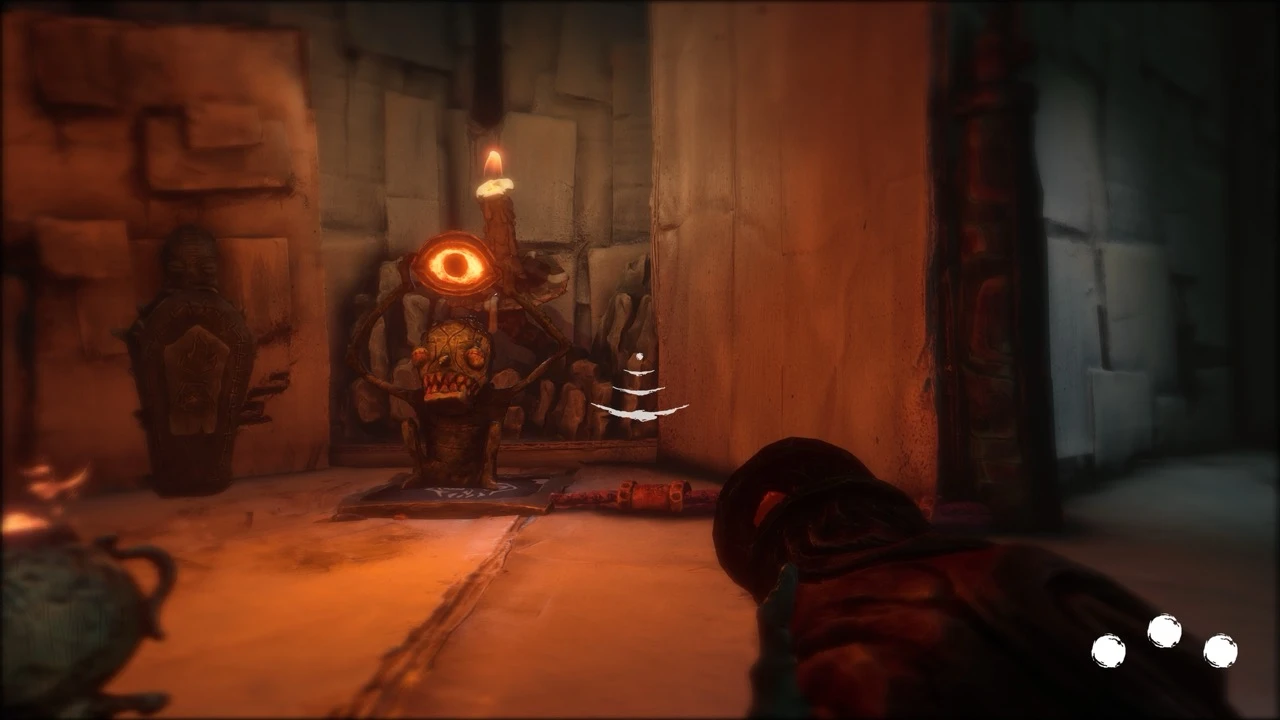
That said, the flat-screen version still works. The visual direction is strong enough to carry the journey by itself. Every scene feels composed. Every creature looks handmade. The lighting does a fantastic job of selling the contrast between danger and safety, darkness and warmth, despair and hope. Even when the actual interaction is basic, I wanted to keep moving just to see what the next area looked like.
The audio is strong too, outside of my issue with the listening mechanic. The narrator gives the game a lot of identity, the sound effects are tactile and strange, and the music knows when to be eerie and when to soften. The whole presentation feels shaped around mood, not spectacle.
The Midnight Walk is also smart about length. It is short enough that the simple mechanics do not overstay their welcome. If this were twice as long, the lack of mechanical depth would become a much bigger problem. At its current length, it feels focused. You get a handful of memorable tales, some lovely imagery, a few tense moments, and then it leaves before the magic starts to thin out.
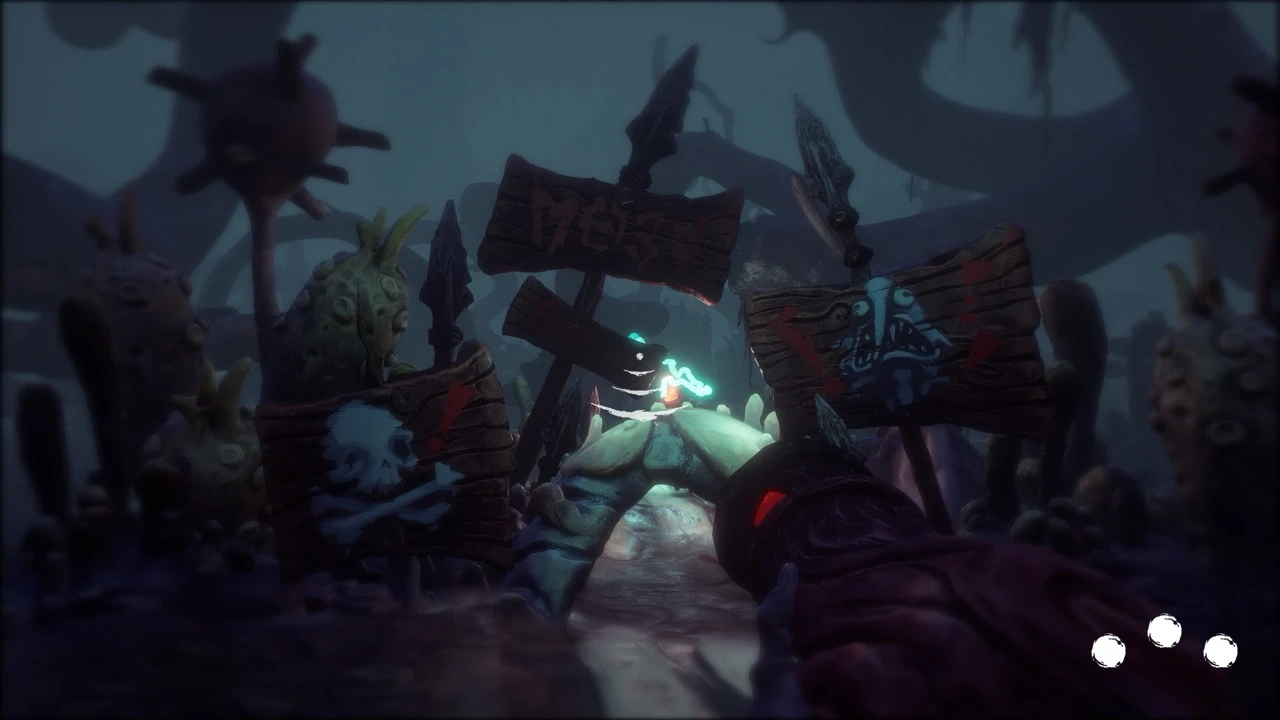
I can imagine some players bouncing off it because there is not much challenge here. The puzzles are easy, the stealth is forgiving, and the interaction layer is mostly there to support the narrative rather than stand on its own. But I do not think that is a flaw in the usual sense. The Midnight Walk knows what it wants to be. It wants to be an atmospheric, handcrafted, slightly creepy storybook adventure about carrying light through darkness.
For me, that was enough. The Midnight Walk is stunning, strange, heartfelt, and visually unforgettable. Its mechanics are simple, and one audio-focused idea did not land for me without the right setup, but the journey itself stuck with me. It is the kind of game that reminds you how much art direction matters, and how powerful a short, focused experience can be when it has a clear identity.
Thanks for reading!
See where The Midnight Walk ranks among the best PS5 games of 2026.
If you enjoyed this one, read our Arma Reforger PS5 review and Icarus: Console Edition review next.