The Caribou Trail is a short, moving World War I story that understands friendship can survive even in the ugliest places
The Caribou Trail is a walking simulator set during the Gallipoli campaign of World War I, but it is not interested in turning the conflict into a power fantasy. There are no kill streaks, huge battle arenas, or heroic charges where one soldier somehow defeats an entire army. This is a much smaller and more personal story about ordinary men trying to hold onto their humanity while everything around them falls apart.
You play as Fisher, a fisherman from Newfoundland who travels to war with his friends expecting adventure and stories to bring home. What they find at Gallipoli is mud, hunger, fear, heartbreak, and the constant possibility that the person joking beside them might not be there tomorrow. The game follows these men from the landings through life in the trenches, focusing less on military victory and more on what it takes to endure.
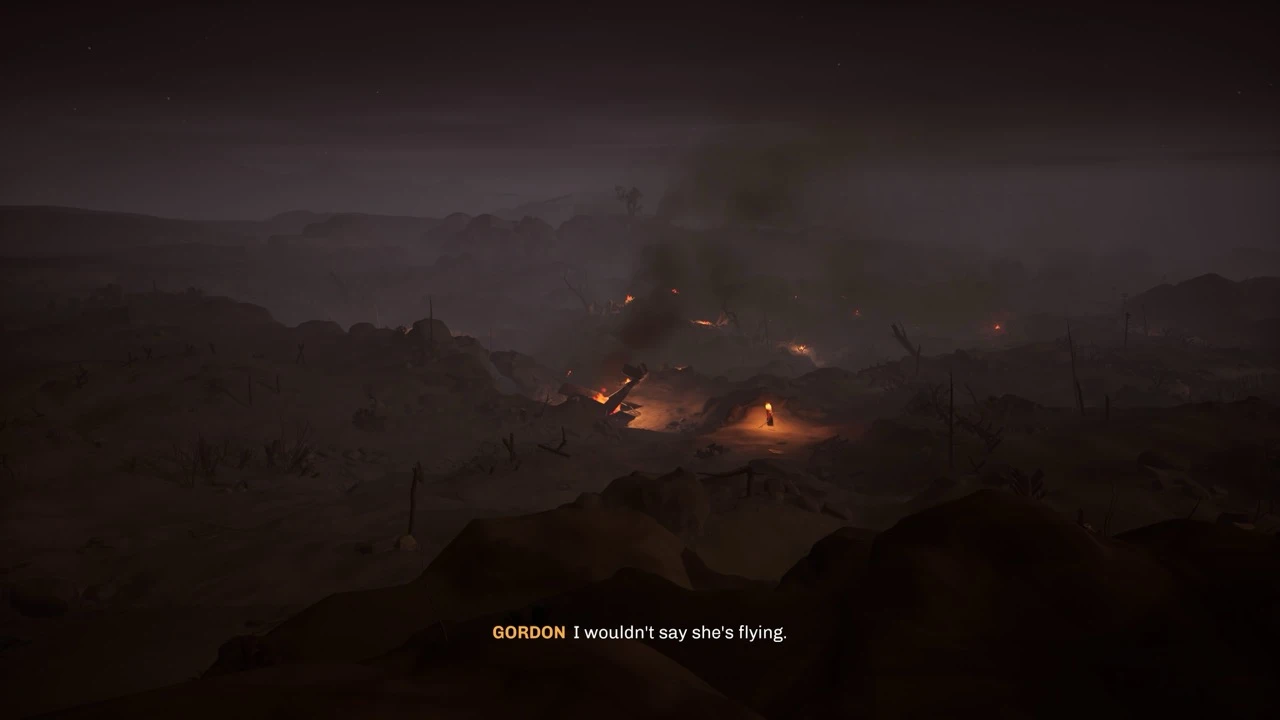
The story is easily the main reason to play The Caribou Trail. Its characters are well written and beautifully voice acted, with conversations that make them feel like people rather than pieces in a history lesson. They tease each other, complain about food, tell stories, and crack jokes at moments when laughter feels almost inappropriate. That humor never weakens the seriousness of the setting. It shows how people use levity to make unbearable situations just a little easier.
That balance between warmth and horror is where the game hits hardest. You retrieve dog tags, move through damaged trenches, and watch grief change the people around you. Then a quiet conversation or ridiculous joke reminds you that these soldiers still have lives and personalities beyond the uniform.
I became invested in the group quickly, and that connection gives the later chapters real weight. A brief exchange around a fire can tell you plenty about a character, while a small change in someone's tone shows how badly the war is wearing them down. Do not be surprised if your eyes tear up by the end.
Mechanically, however, The Caribou Trail is extremely light. Most of your time is spent walking through trenches, following instructions, speaking with other soldiers, and triggering the next part of the story. There is no conventional combat system, even when the situation becomes dangerous. That might sound strange for a World War I game, but this simply is not that type of experience. Its goal is to place you beside these men, not turn you into an unstoppable soldier.
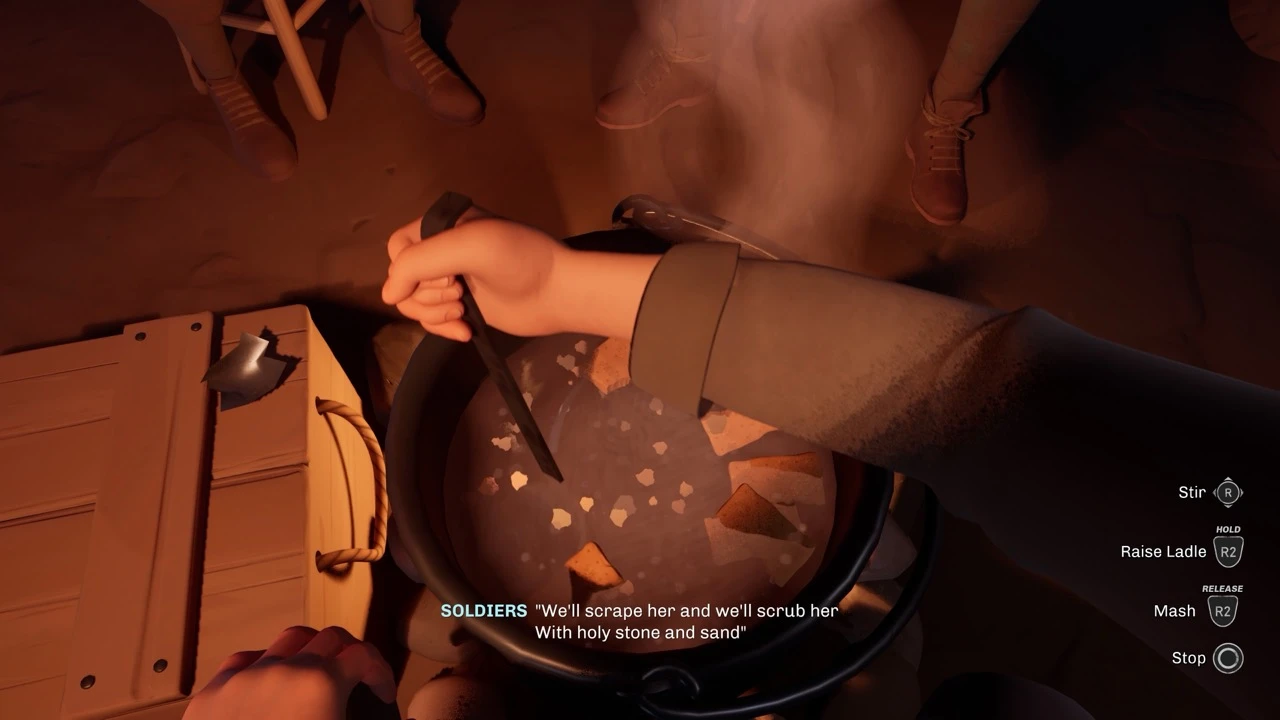
The more involved sequences use simple button prompts and quick time-style interactions. You might cut through barbed wire, shovel a ditch, or prepare soup while listening to the people nearby. These actions give your hands something to do during conversations and help sell the boring routines of trench life. Unfortunately, a few of them continue for longer than they should. Cooking soup makes sense as a grounded character moment, but repeating the same input eventually becomes busywork.
Navigation can feel awkward because the trenches are cramped and visually similar. There were moments when I had to search for the right person or path before the next scene would begin. There is not much freedom to explore either. This is a carefully directed journey, and leaving its intended route quickly exposes how narrow it really is.
Thankfully, the game is short enough that these limitations never completely drag it down. You can reach the credits in roughly three to four hours, making it easy to finish across two or three sittings. That compact runtime suits the simple mechanics, although I would have happily spent a little longer with these characters if it meant giving some events more room to breathe.
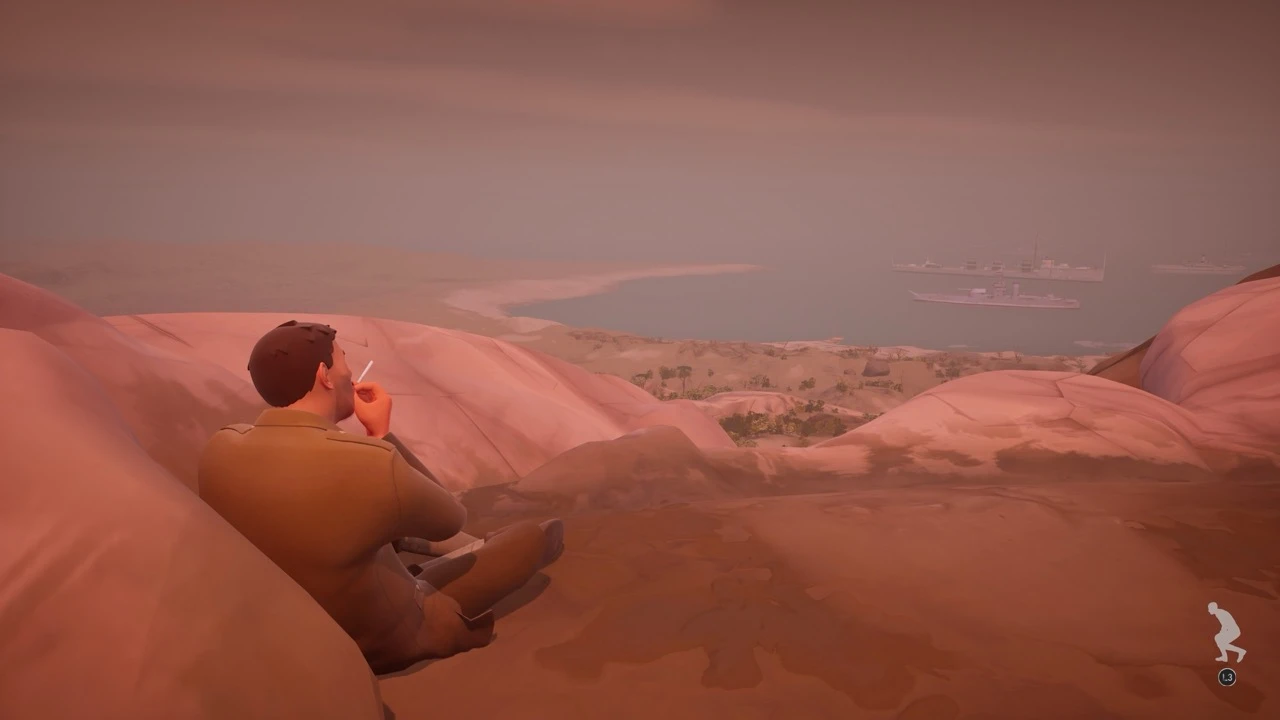
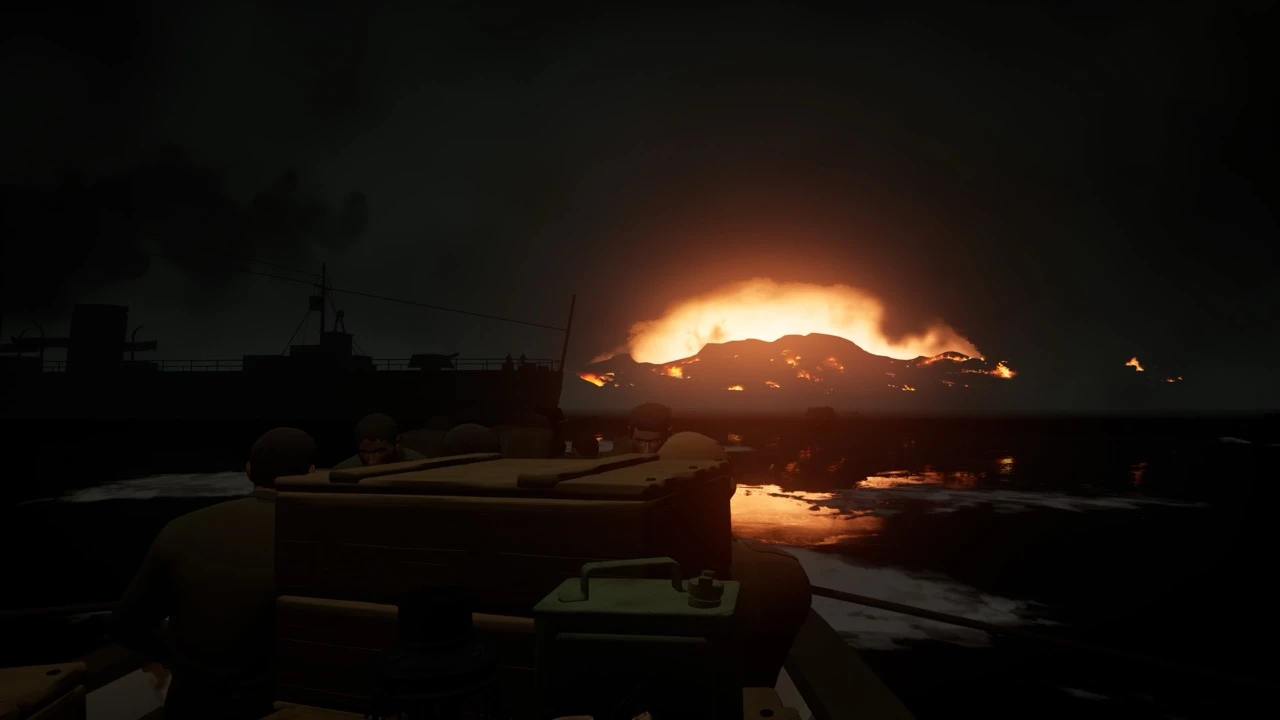
Visually, I really like how The Caribou Trail looks. Its stylized, medium-poly art direction reminded me of Firewatch, with a slight Fortnite-like quality to some shapes and character models. The mood could not be more different. Warm campfires, muddy trenches, harsh skies, and distant battlefields create a striking sense of place without chasing realism.
The stylization helps depict terrible events without becoming needlessly graphic. Color and lighting shift between the strange beauty of a quiet evening and the oppressive ugliness of the battlefield. Alongside the performances and sound design, it gives the journey a memorable identity.
The Caribou Trail will not work for anyone expecting Battlefield, Call of Duty, or even a mechanically rich adventure game. Its interactions are basic, its path is linear, and some repetitive prompts last too long. But if you enjoy focused narrative games, it tells a powerful story about friendship, pain, and the small pieces of humanity people cling to when the world has gone mad. I enjoyed my time with it, and its final moments stayed with me long after the credits rolled. Thanks for reading!
If you enjoyed this one, read our Icarus: Console Edition review, Arma Reforger PS5 review, Crysis Remastered Trilogy PS5 review and Battlefield 6 review next.