Resident Evil Requiem is one of Capcom’s best modern Resident Evil games, and one of the strongest horror-action packages on PS5
Capcom has been on a ridiculous streak with Resident Evil, and Requiem keeps that run going in a big way. This is a phenomenal game. Not in a hype-cycle, launch-week way, in a real way, the kind where you finish it and immediately start another run because you are not done with it yet.
The big reason it works so well is structure. Requiem is basically two flavors of horror in one campaign. Half of it is full survival horror, tense movement, tight resources, puzzle solving, panic decisions in dark corridors. The other half is action horror, heavier combat, bigger spaces, more enemies, and pure release after all that built-up fear. Instead of clashing, those two sides feed each other.
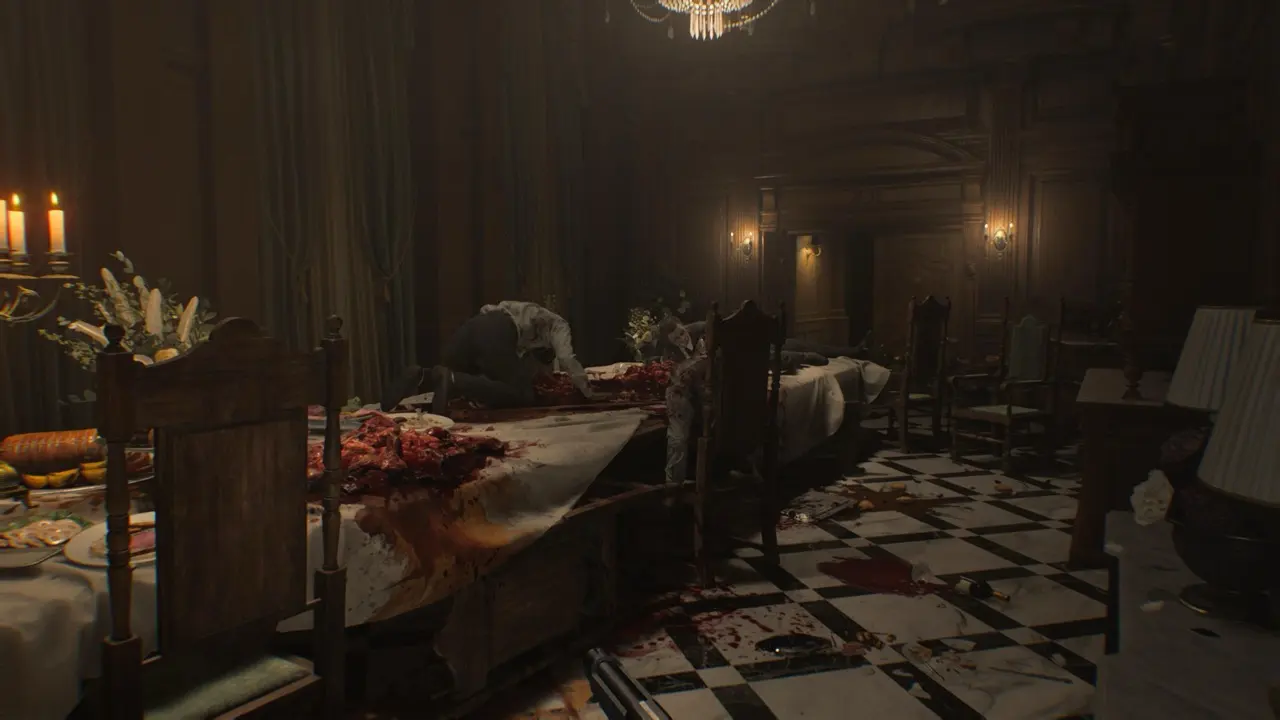
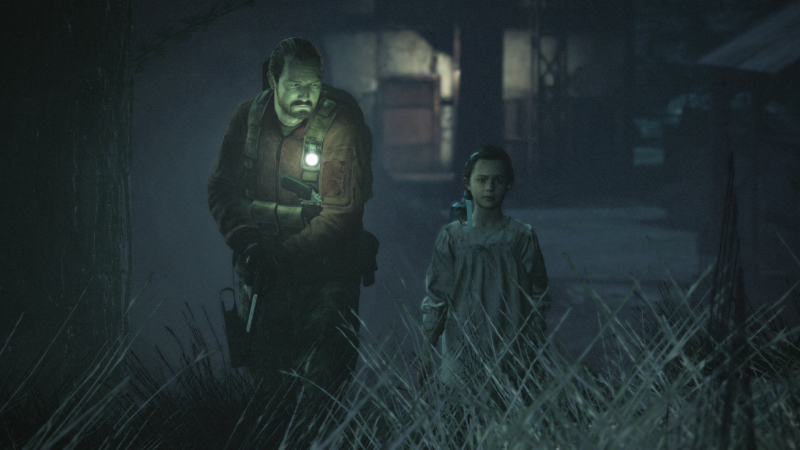
Story-wise, it takes place decades after Resident Evil 2 and introduces Grace Ashcroft, an FBI analyst pulled into a nightmare she clearly did not sign up for. She is investigating a murder at the same hotel where her mother died eight years earlier, and what starts as a focused case spirals into old Umbrella contamination, shady ex-corporate players, and another city-scale disaster in the making.
Grace is a great new lead because she is not trying to cosplay as a super-soldier. She is smart, observant, and clearly trained, but she is still human in a way that matters. When things go wrong, and they go wrong quickly, her fear feels earned. The script and performance both sell that she is adapting in real time, not magically becoming fearless after one encounter.
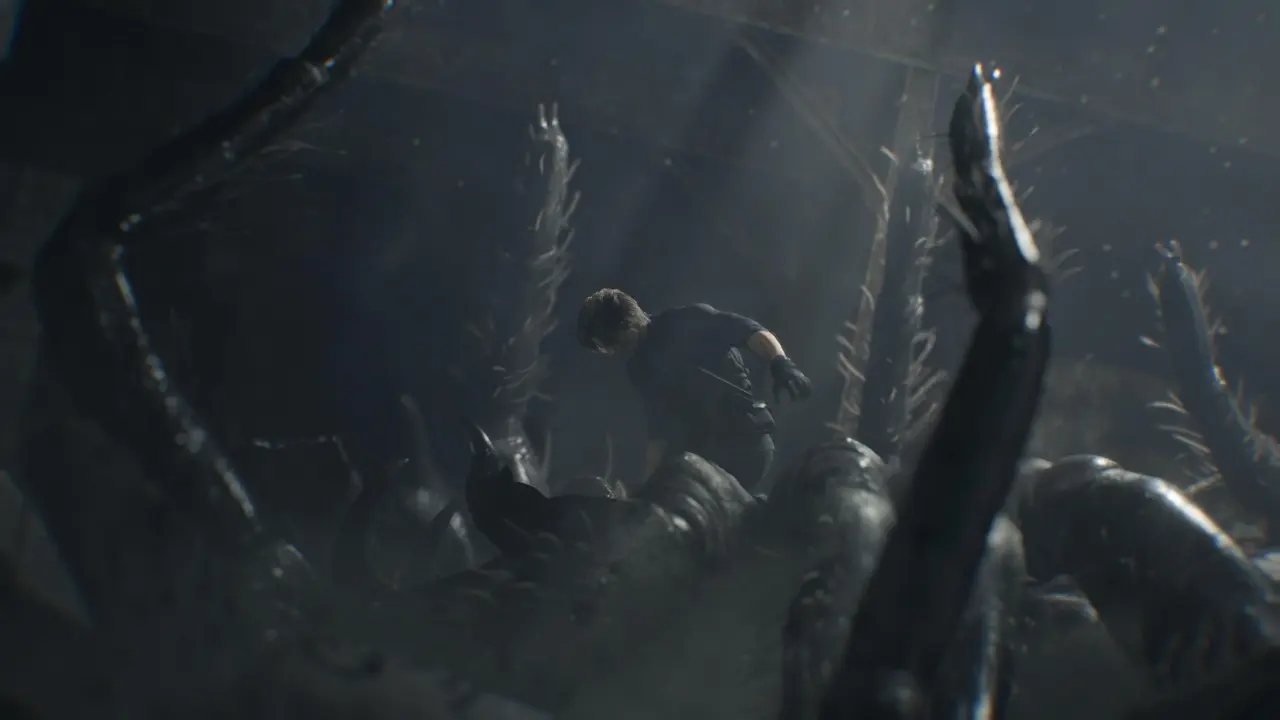
Then the game throws in Leon S. Kennedy and the tone shifts immediately. Leon is older, harder, and operates like a man who has seen this movie too many times to be surprised by it anymore. He tracks Victor, the game’s main threat, and once the outbreak chain reaction starts, Requiem lets Leon become a controlled force of destruction.
That contrast between Grace and Leon is the best storytelling tool in the game. Grace’s chapters tell you what this world does to people. Leon’s chapters tell you what it takes to survive it for decades. They are both in the same crisis, but they process it differently, and that gives the campaign a rhythm that never gets stale.
Grace’s gameplay sections are where Requiem does its scariest work. Capcom even recommends first-person for her chapters, and that advice makes sense. You feel every tight hallway, every blind corner, every sudden sound behind you. Her core loop is classic Resident Evil design at its best, explore, collect key items, manage inventory, solve layered environmental puzzles, and only pick fights you can afford.
The game constantly pressures you without making the pressure feel fake. You are never drowning forever, but you are rarely comfortable for long. You might get two minutes to breathe, then a stalker enemy appears and resets your entire plan. You might clear one room with clean ammo usage, then burn through your reserve because one bad angle turns into a scramble. That push and pull is relentless in the best way.
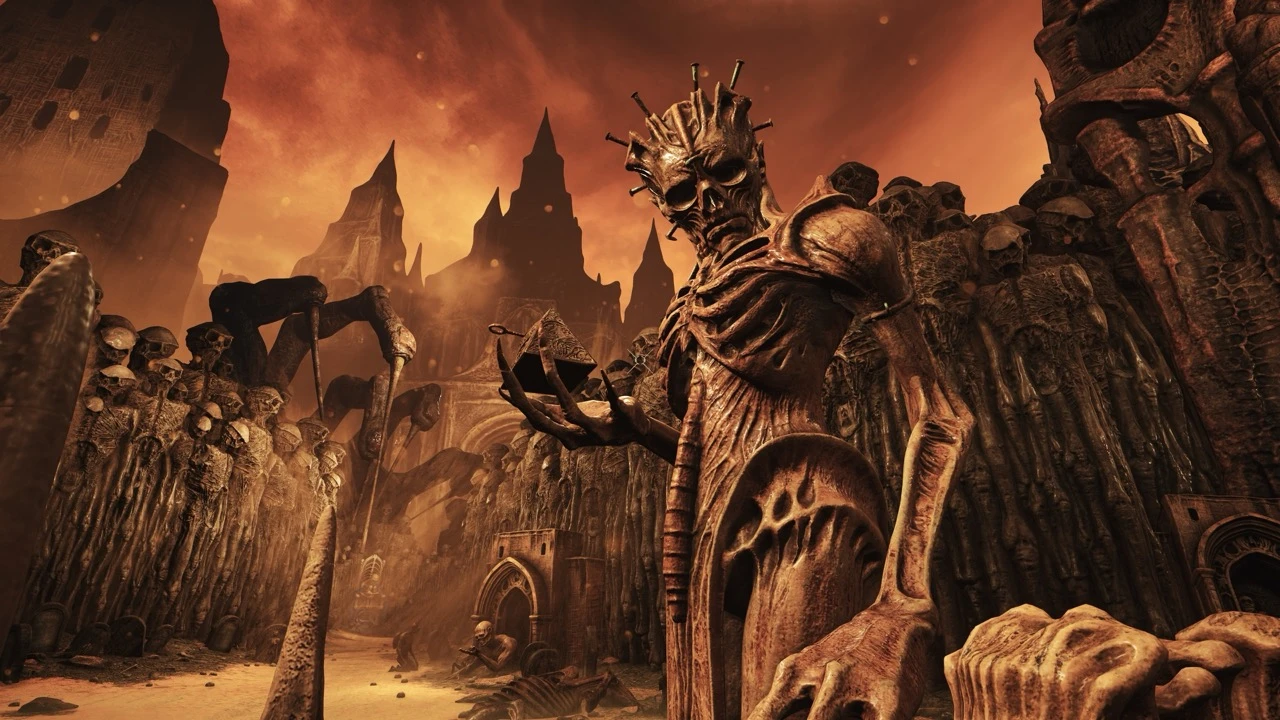
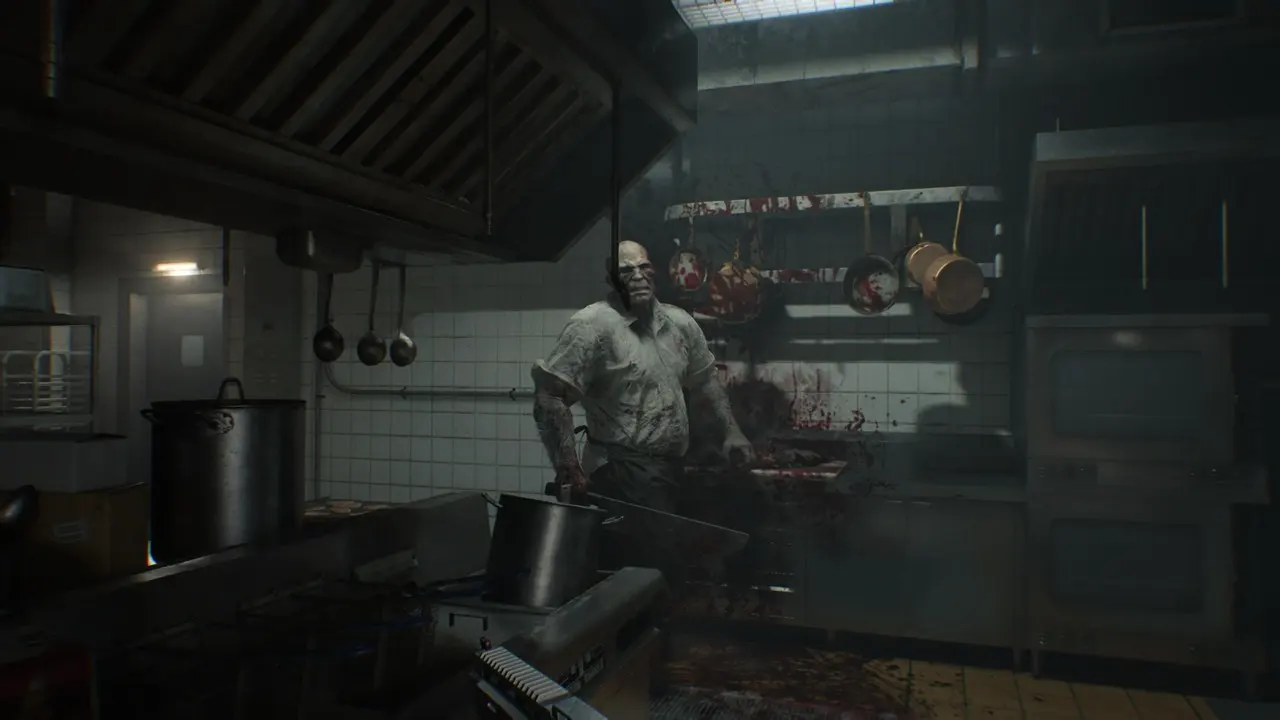
The creature design helps a lot. The Girl, a towering pursuer in certain areas, creates some of the best cat-and-mouse sequences in the game. The larger bloated brute enemy adds a different type of threat, less stalking, more immediate space denial and panic movement. There is also a knife-wielding chef variant that turns safe-feeling paths into sudden sprint routes. None of this feels random, enemy placement is deliberate and usually tied to how the level wants you to move.
Resource economy is another major win. Requiem understands that survival horror needs scarcity, but it also needs fairness. Grace spends most of her time with limited ammo, small healing stock, and tight inventory capacity, but crafting is tuned well enough that smart play gets rewarded. The infected blood extraction system is a great addition, brutal, very Resident Evil, and mechanically useful without being overcomplicated.
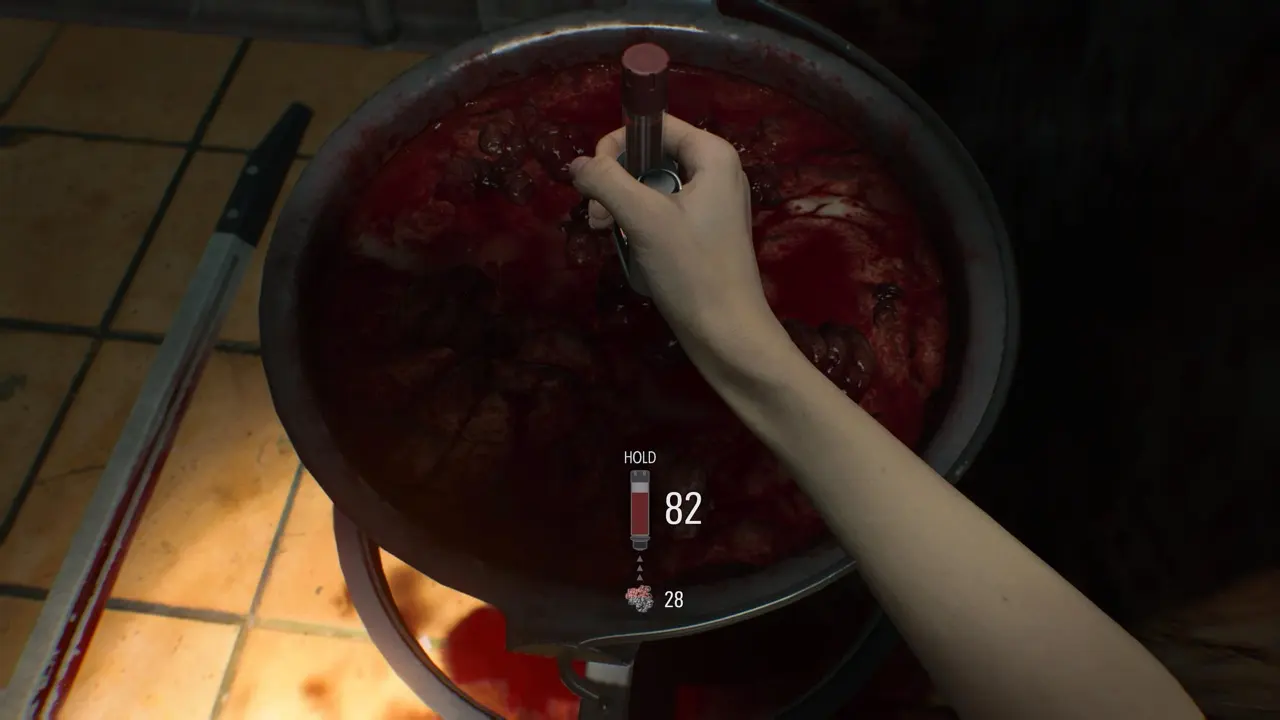
You can pull infected material from bodies and use it in crafting chains for ammo and other tools, which means exploration and combat are linked in a meaningful way. If you engage carefully, you can stabilize your economy. If you panic-spend every bullet, the game lets you survive, but makes you earn your comeback through routing and risk management.
There is also a new consumable that can basically explode enemies turning them into red mist. It is gross, effective, and incredibly satisfying.
Leon’s chapters are the payoff for all of that tension. If Grace is survival horror, Leon is action horror done with style. His combat kit is deep enough to feel expressive without becoming messy. Firearms hit hard, melee follow-ups are brutal, and the new hatchet system is easily and upgrade to RE4 Remake's knife system.
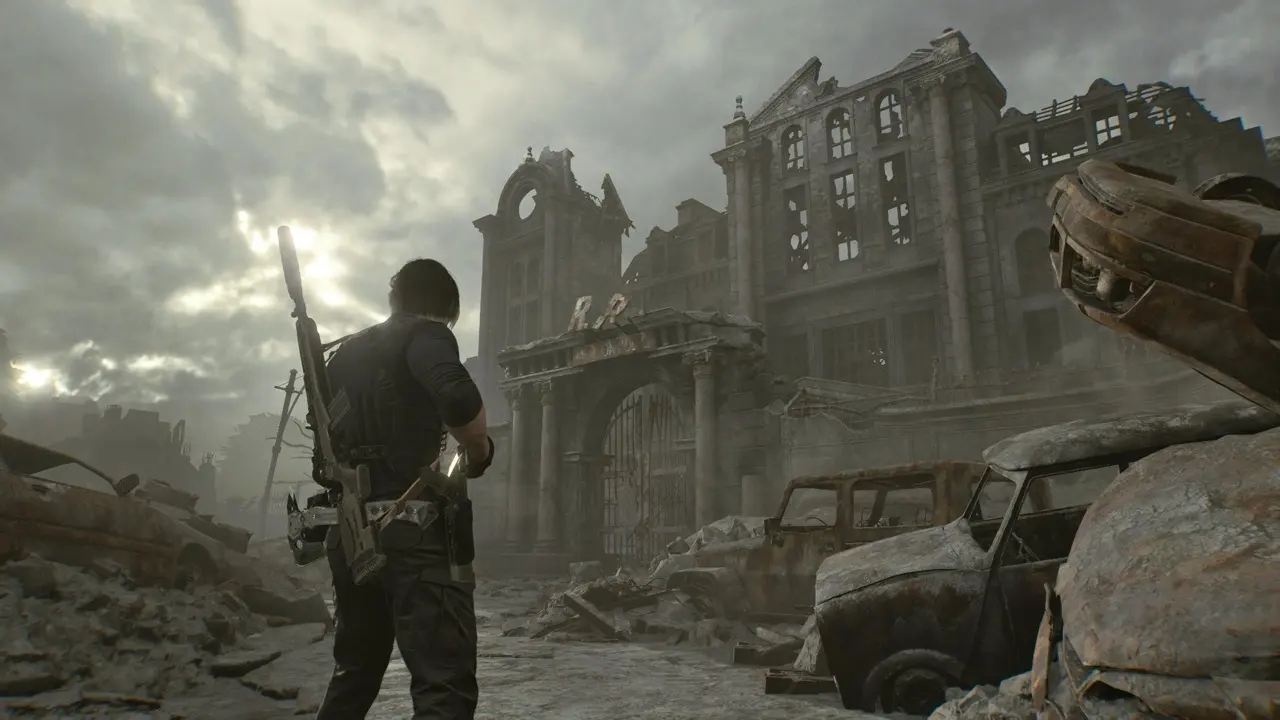
You can parry incoming attacks with the hatchet, chain into finishers, and use a grindstone mid-fight to restore durability. That one detail sounds small, but it changes encounter flow. Instead of retreating every time melee pressure spikes, you can stand your ground and turn defense into momentum. It makes Leon feel veteran-level without making him invincible. Before we go any further, if any of the Capcom devs are reading this, can we get a "Henry Cavill Mission Impossible" style punch reload for the eventual RE5 Remake... pretty please?
Back to Leon, his arsenal is loaded, pistols, rifles, shotguns, precision options, plus Requiem, his heavy hand-cannon weapon that hits like absurd anti-zombie artillery. Lined enemies can drop in a single blast. Add in roundhouse kicks, environment bashes, occasional chainsaw chaos, and Leon’s sections become tactical carnage with real mechanical texture.
This is where Requiem nails pacing. The game knows fear gets stronger when you cannot dominate, but release feels better when you finally can. It alternates those states with discipline. You survive as Grace, then purge as Leon. You tense up, then exhale through action. It sounds simple, but very few games handle this rhythm as cleanly as Requiem does.
Having said that, one minor gripe I have is with how a feature that was advertised heavily doesn't quite land as well as I'd hoped. The “fresh zombies retain behavioral traces from their former lives” concept, that was all the rage online before release, is interesting and occasionally visible, a cleaner muttering while scrubbing, a hospital worker repeating old habits, a patient reacting to sound patterns, but it rarely evolves into major systemic gameplay. It is more flavor than foundational mechanic, especially beyond the hospital phase.
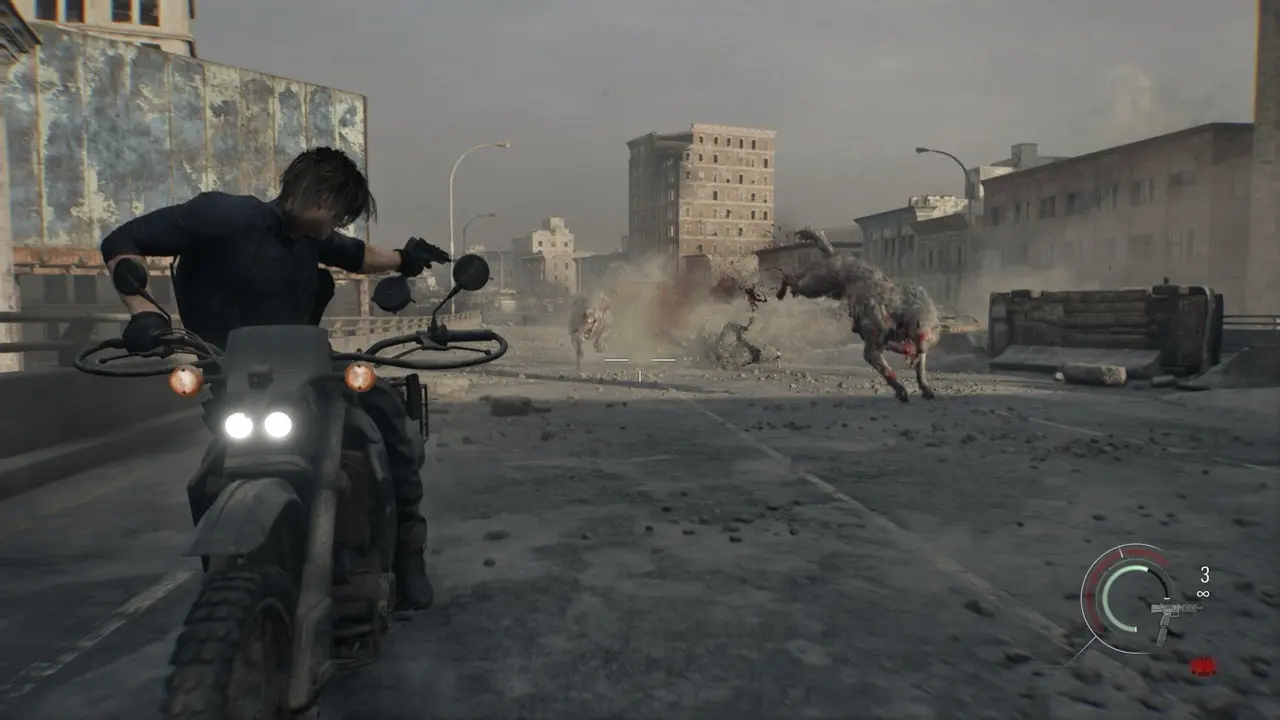
That said, the game does not suffer much because the baseline enemy sandbox is still strong. Headshots, spacing, knockbacks, stagger timing, route planning, it all works. Resident Evil has spent decades refining this style of combat, and Requiem benefits from that legacy while adding enough new tools to feel fresh.
Level progression also leans into classic series DNA, haunted institutional spaces, descending infrastructure, hidden industrial sections, deeper labs under deeper labs, and eventually the return to a ruined Raccoon City. That escalation could feel repetitive in weaker hands, but here it feels ceremonial, like the game is honoring the series template while executing it at modern production quality.
The back half in Raccoon City is especially strong. The city is sealed, decayed, and still full of scars from what happened decades earlier. Traversal opens up, including rooftop paths, underground routes, and shattered interior spaces that constantly loop verticality into combat. There is a giant spider encounter, more grotesque late-game enemy variants, and one full-throttle bike sequence across broken highways that is pure blockbuster energy without losing control.
When Leon reaches RPD again, the game lands one of its best emotional beats. The voice work there is excellent, regret, anger, resolve, all in the same delivery. Requiem does not just use nostalgia as a backdrop, it uses it as character weight. Leon is not visiting old places for fan service points, he is confronting unfinished history while physically breaking down.
The campaign then shifts perspective again, offering another look at Umbrella’s experiments and broadening the scope of what happened beneath the city. Some plot turns are intentionally pulpy as this is still Resident Evil, but the emotional spine holds because the central characters stay grounded.
Technically, the PS5 version is excellent. Performance is stable, with a near-locked feel through most of the campaign, including heavy combat stretches. Load times are short, transitions are clean, and checkpointing is smart enough to reduce friction without killing tension.
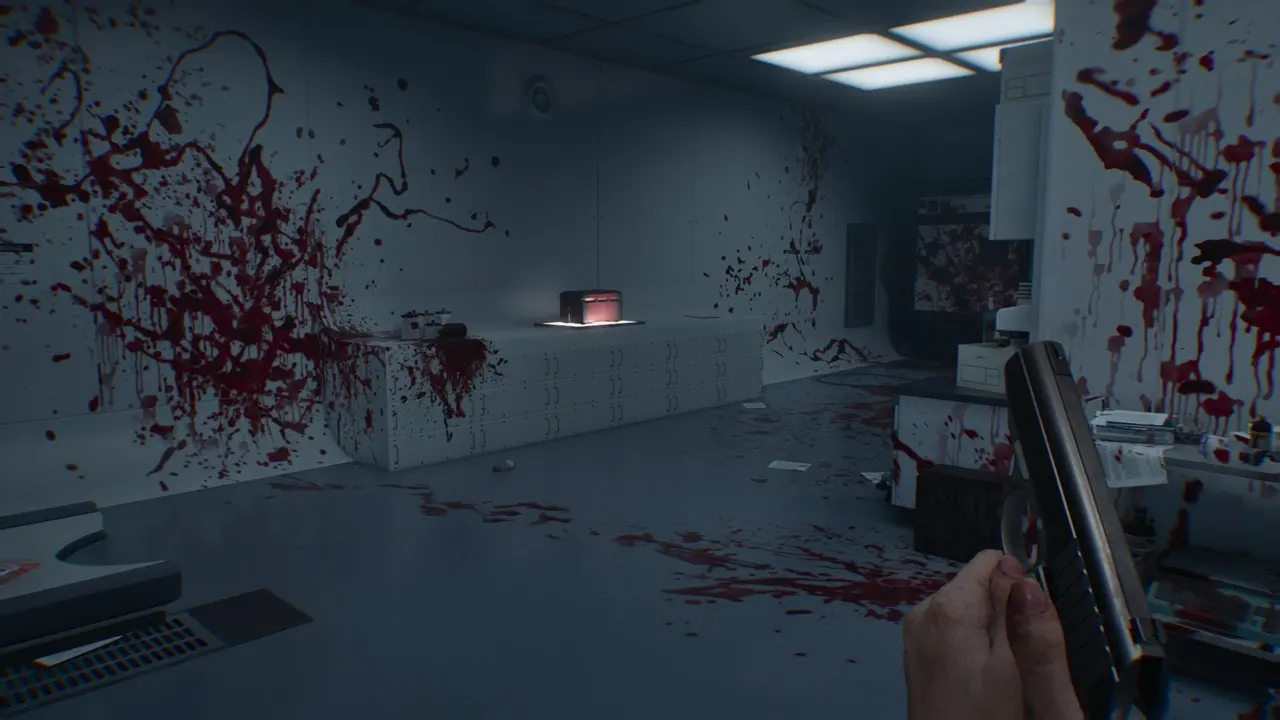
Visually, this is one of the best-looking horror games on the platform. Lighting carries a huge share of the atmosphere, flickering lights, hard shadows in constrained spaces, sterile fluorescence in medical corridors, and high-contrast exterior ruin shots in Raccoon City that look incredible on HDR displays. Material detail is strong across blood, wet surfaces, debris, and creature textures.
Animation quality is absurdly good in small ways that add up. Leon’s reload work is detailed and characterful, like how he holds his flashlight inbetween his shoulder and neck while reloading weapons, or the one-handed recovery shots after being grabbed, or the smart weapon posture shifts during close-quarters pressure. Grace’s movement sells vulnerability differently, especially in third-person segments where her panic motion and stumble states communicate stress without feeling overtly scripted, even though those are clearly scripted moments.

Audio design is equally sharp. Positional cues matter, creature audio is readable without becoming predictable, and ambient layering keeps dread active. Voice acting is excellent across the board. Grace sounds like someone learning how to survive in real time. Leon sounds like someone who survived too much already. Their performances carry both the fear and the swagger. Hats off to Leon's actor, where as I was watching so some of the later cutscenes, hearing his delivery and watching his performance, I was heavily reminded of the last moments in No Time To Die and Blade Runner 2049, you know the stairs scene, beautiful execution.
Replay value is huge. Requiem is built for multiple runs, route optimization, challenge conditions, higher difficulties, faster clear times, and pure sandbox experimentation once you unlock the cool weapons or stuff like Infinite Ammo. It is the kind of game where first run is survival, second run is mastery, and third run is expression.

And that is probably the strongest compliment I can give it. Resident Evil Requiem is not just a great one-and-done campaign. It is a complete horror-action system that stays interesting after credits. It understands why survival horror works, why action horror feels good, and how to connect both without diluting either one.
Capcom has delivered another outstanding Resident Evil. Requiem is tense, stylish, mechanically sharp, emotionally grounded where it needs to be, and wildly entertaining when it decides to go loud. If you love this series, this is essential. If you never played a Resident Evil game, especially since the whole remakes started, while you will still enjoy the shit out of this one, you will miss a lot of nods to the history of the series. Still, this is a great reminder of why Resident Evil still owns this lane. Thanks for reading!
See where Resident Evil Requiem ranks among the best PS5 games of 2026.