NODE: The Last Favor of the Antarii is an interesting 2.5D puzzle platformer with a great setting, but on ROG Xbox Ally X it never fully clicked for me
NODE: The Last Favor of the Antarii is one of those games where I respect the idea more than I enjoyed the full experience. It has a strong premise, a distinctive control hook, and a great brutalist Soviet-era art style, but after finishing it on my ROG Xbox Ally X, I came away thinking it was just OK.
The setup is immediately intriguing. A nuclear disaster has happened somewhere in Russia, inside a massive Cold War facility where the radiation is too high for humans or even normal drones to survive. The solution is NODE, a small robot originally designed to roam around Mars, now sent into this abandoned industrial nightmare to investigate what happened and stop things from getting worse.
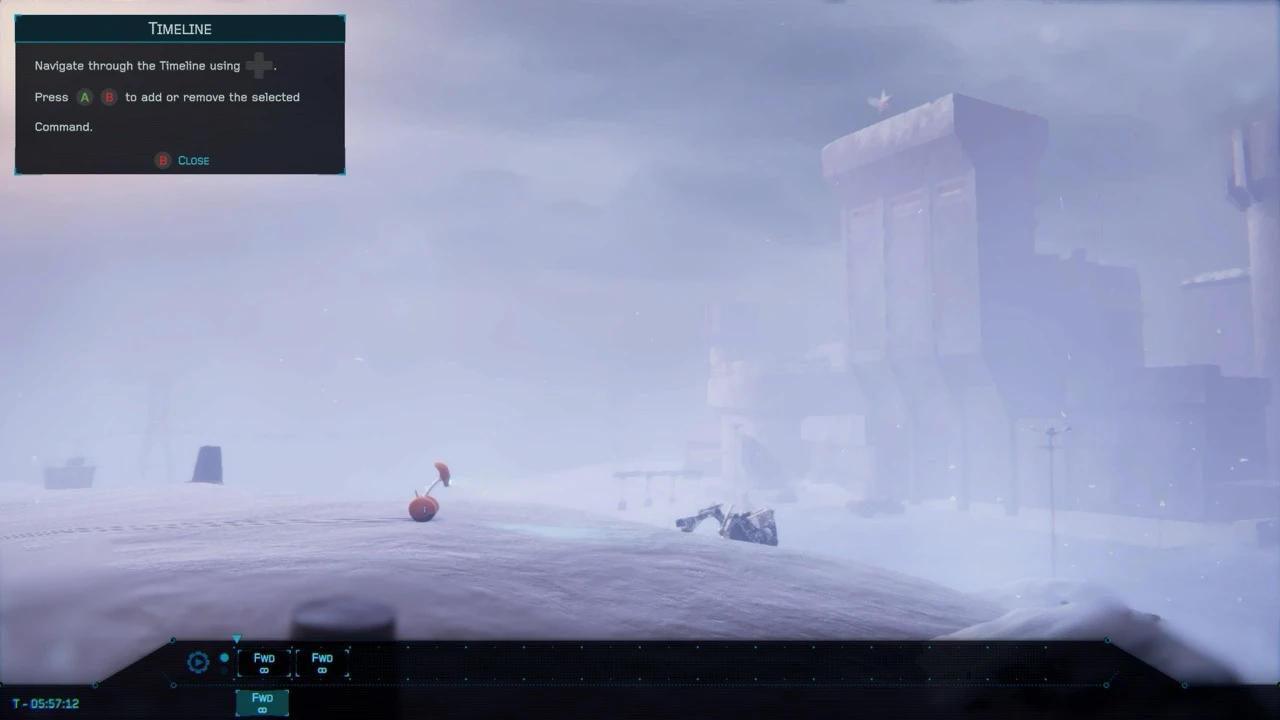
The original way to play NODE is not like a normal platformer. Instead of controlling the robot directly, you program actions across a timeline. You might queue a turn, drive forward for a few seconds, jump, drive a little more, then execute the sequence and watch NODE carry it out automatically. It is platforming through planning, timing, and trial and error.
That is a cool idea, and I can see why it will click with some players. The map lets you study obstacles, plan your route, then adjust each command after watching what goes wrong. When it works, it feels like solving a little engineering problem. For me though, it never really vibed. I like being in direct control when I play a platformer, and the timeline system turns the actual run into a hands-off sequence.
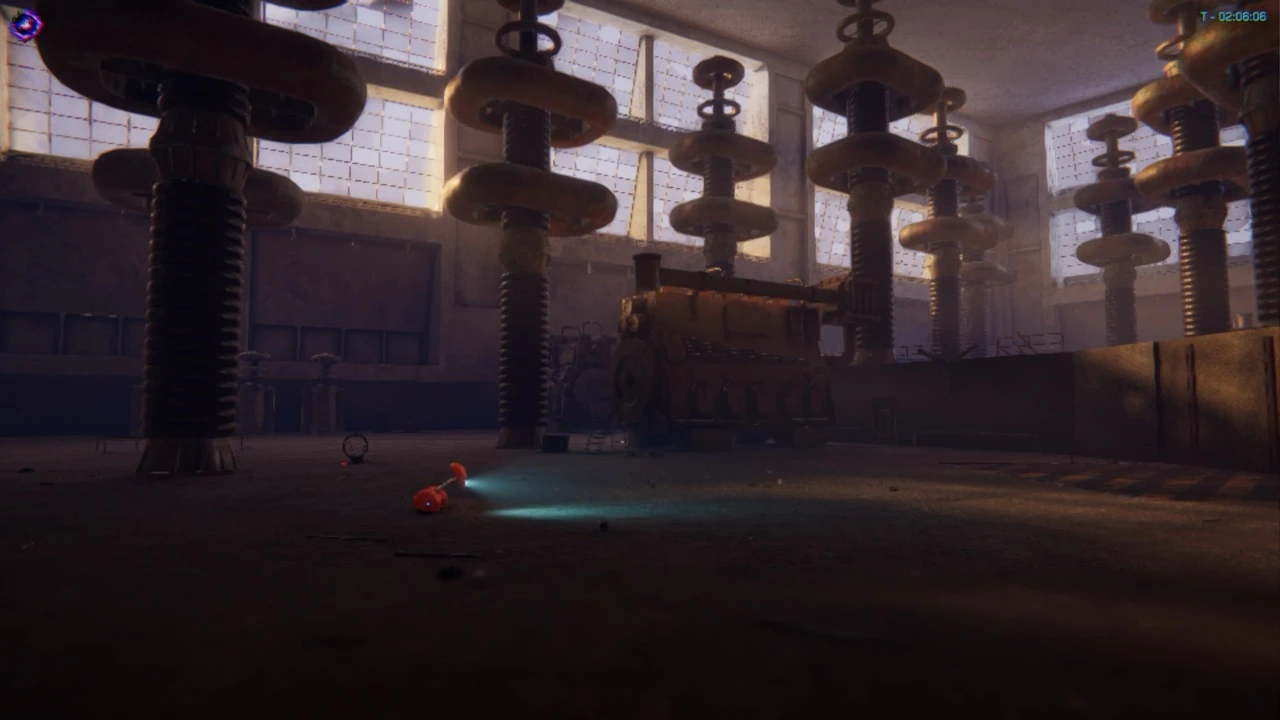
The good news is that NODE recently received a major update that added a traditional real-time Platformer Mode, and that is how I finished the game. In this mode, you drive, jump, switch lanes, and react normally instead of programming everything ahead of time. It makes the game much easier to approach if the timeline system does not land for you.
Even then, the controls still hold it back. NODE is a wheeled robot in a 2.5D world, meaning you move along two lanes, one slightly in the foreground and one slightly in the background. On paper, that adds depth. In practice, turning around, changing lanes, and lining up jumps often felt slightly off. I constantly felt like I was fighting the robot rather than smoothly controlling it.
That matters because the game asks for precision. You climb around giant cooling towers, weave through industrial machinery, avoid hazards, and later deal with security tanks that laser you if they spot you. Around the middle of the game, NODE gets a time-stopping ability, which helps with platforming and dodging those tanks. It is one of the better additions because it gives you room to think.
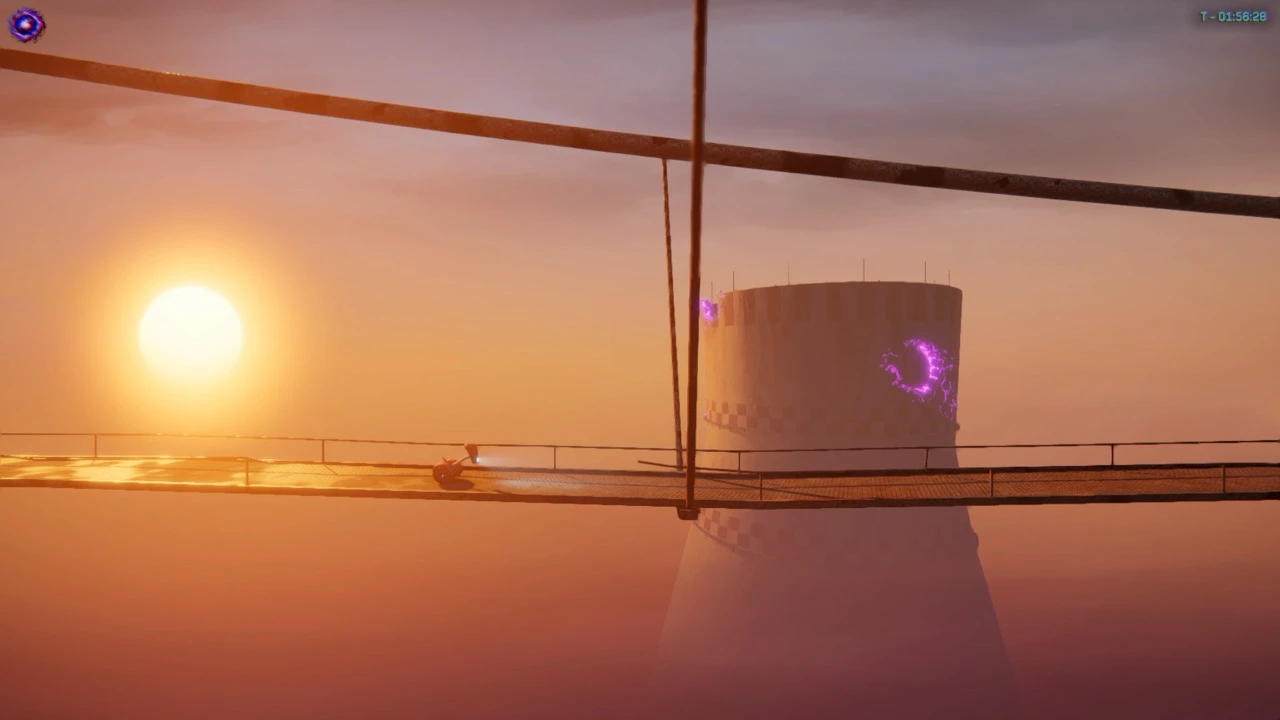
The facility itself is the highlight. The brutalist architecture, enormous concrete structures, cooling towers, dark corridors, and cold industrial machinery give NODE a strong identity. It captures that eerie feeling of exploring a place built for scale, secrecy, and disaster. Even when the gameplay frustrated me, I wanted to see what the next section looked like.
The problem is that the real-time mode loses some useful support. For some reason, the map is not available there, so you are left to explore on your own, poke around different paths, and figure out the layout through trial and error. That is strange because the map is one of the most helpful tools in the original mode.
I also ran into several progression issues. Sometimes a door would not open, or a platform would not descend fully, which meant I could not continue. Reloading earlier saves fixed these problems, but it happened enough to be annoying. In a short game that took me around two and a half hours to finish, having to reload stood out.
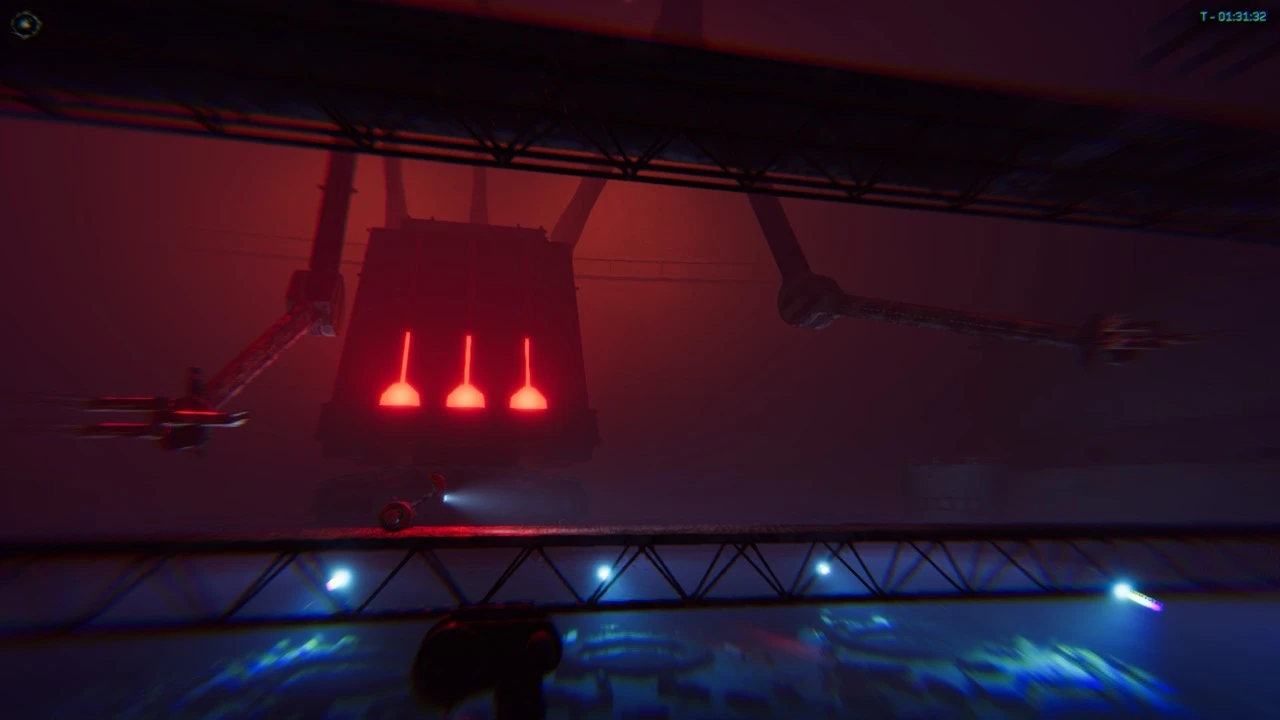
Performance on the ROG Xbox Ally X was fine overall, and the game is a good handheld fit in terms of session length. The problem is less about how it runs and more about how it feels. Platformer Mode makes NODE more accessible, but it also exposes the awkward movement. Timeline Mode is more unique, but it asks for a kind of patience I did not have much fun giving it.
NODE: The Last Favor of the Antarii is not a bad game. It has a clever core idea, a cool setting, and some striking visual moments inside its nuclear facility. But between the stiff real-time controls, missing map support in Platformer Mode, and a few softlock-style bugs, it never rose above being decent for me. If the timeline concept sounds exciting, you may get more out of it than I did. If you are coming for a smooth 2.5D platformer, temper your expectations. Thanks for reading!