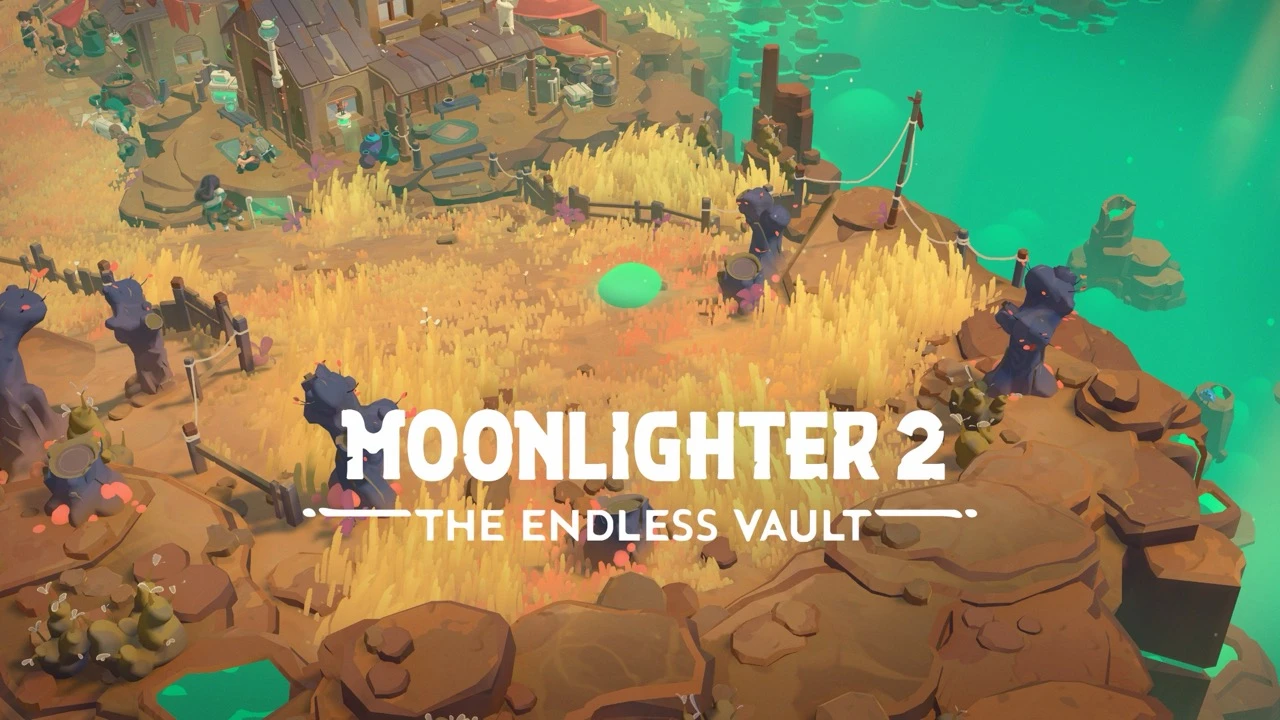
Moonlighter 2: The Endless Vault keeps the brilliant dungeon crawling and shopkeeping loop intact, while the new 3D style and roguelite structure make it feel fresh all over again
I have a real soft spot for the first Moonlighter. I reviewed it back in 2018, which is a terrifying sentence to write because man, I am old, and I really loved how cleanly it mixed two ideas that should not have worked as well together as they did. You went into dungeons, fought monsters, grabbed every strange relic you could fit in your bag, then came back home and sold all of that junk in your shop.
Moonlighter 2: The Endless Vault understands exactly why that worked. The sequel does not tear up the formula. You still teleport into a world, fight through rooms, collect relics and artifacts, return to the shop, place your loot on pedestals, guess a price, watch shoppers react, then spend the money on upgrades before doing it all again. That loop was the main reason I loved the original, and it is still the heart of the sequel.
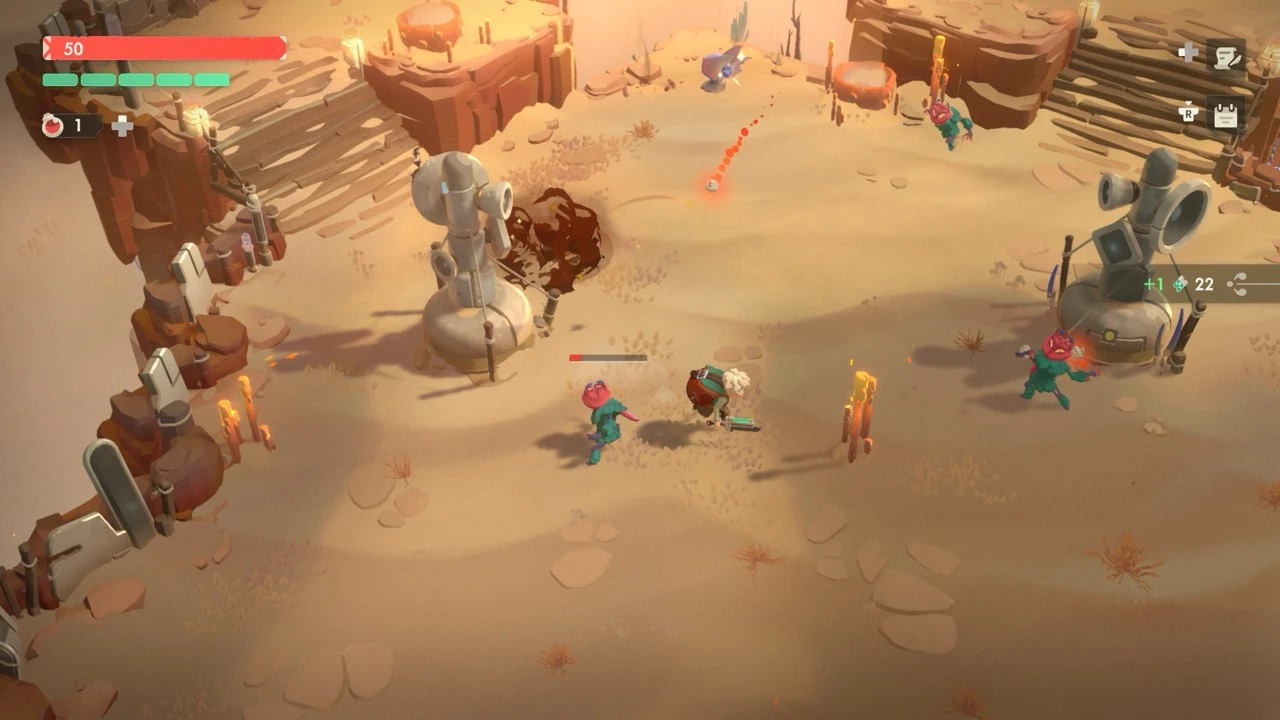
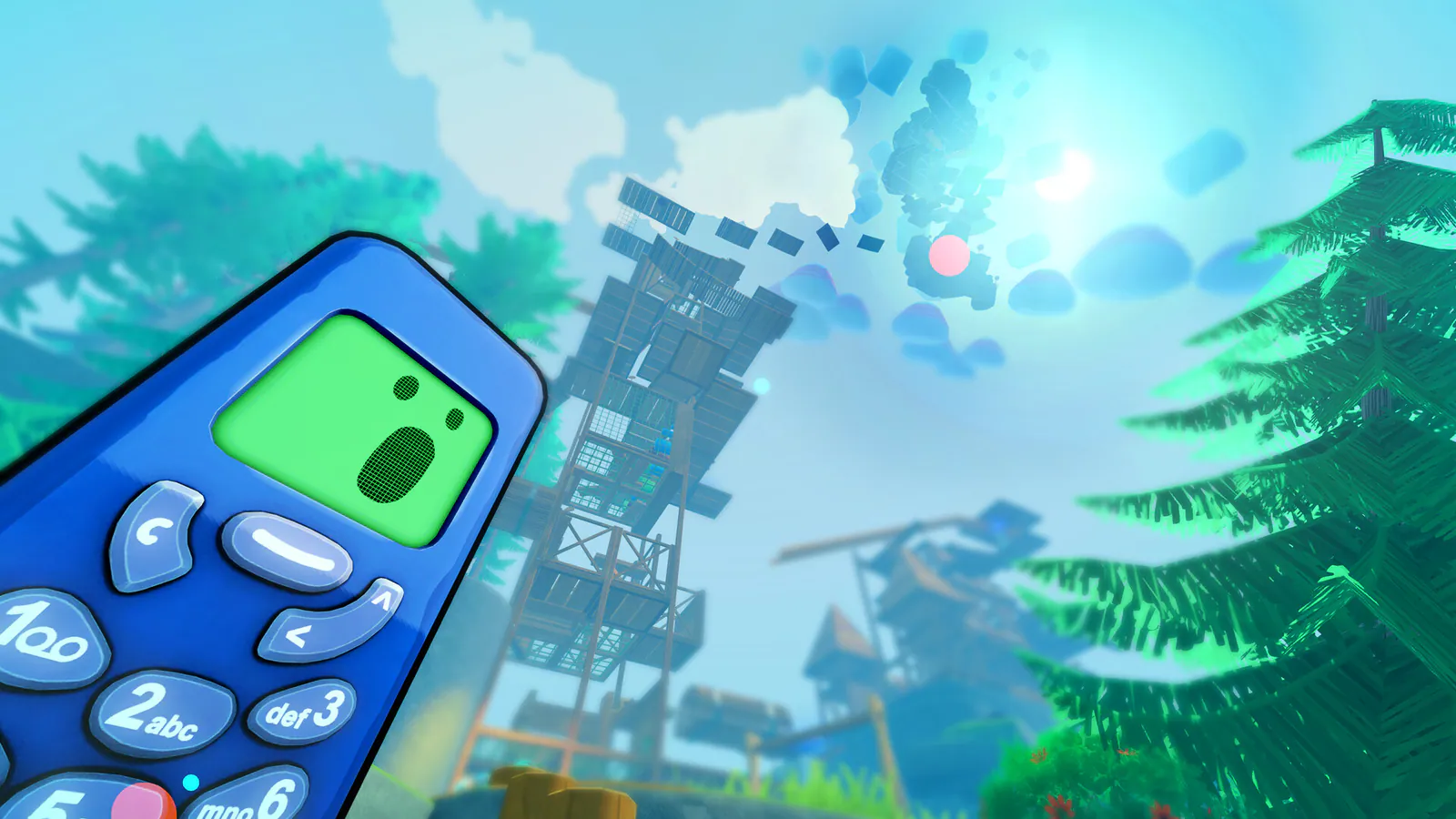
The most obvious change is the presentation. The first game had that lovely 2D pixel art look, with a bit of old school Zelda energy in how it framed its world and combat. Moonlighter 2 jumps into 3D, with a bright, rounded, almost Pixar-like art style. I can see why some people might miss the old look, because it had a very specific charm, but I ended up really liking this new direction too. It is vibrant, bubbly, readable, and full of color.
More importantly, it feels good to play. Movement is responsive, dodge rolling is snappy, and attacks have a nice rhythm to them. This is not a complicated action game, but it has enough weight and speed to make clearing rooms satisfying. This time you also have multiple weapon types, including small swords, large swords, a big broom, and gauntlets. Each one changes your range, timing, and approach enough to matter. My only real wish here is that the game let you switch weapons during a run. Being locked into one is fine for build identity, but sometimes I just wanted more variety without starting over.
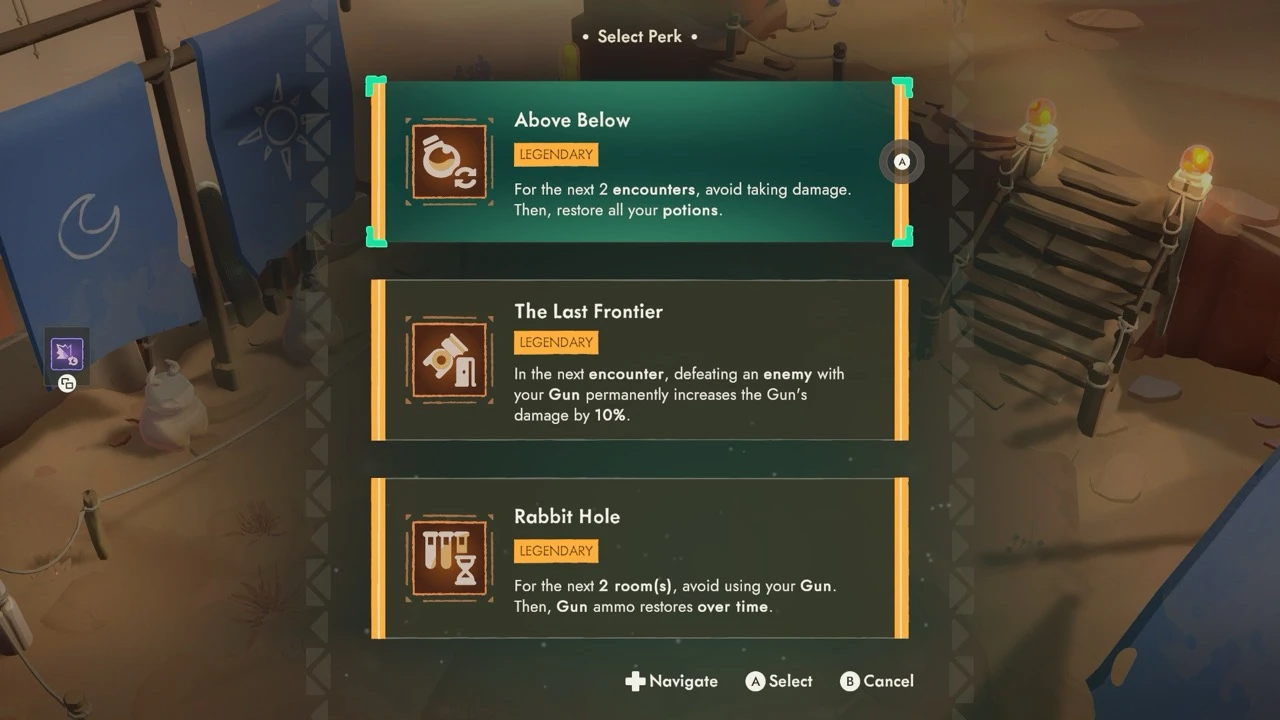
Runs are structured more like a modern roguelite now. After clearing a room, you choose your next path, pick up temporary upgrades, and slowly shape your current attempt. These buffs are not just tiny stat nudges either. Some of them meaningfully change how hard you hit, how safe you feel, or how quickly you can clear a room.
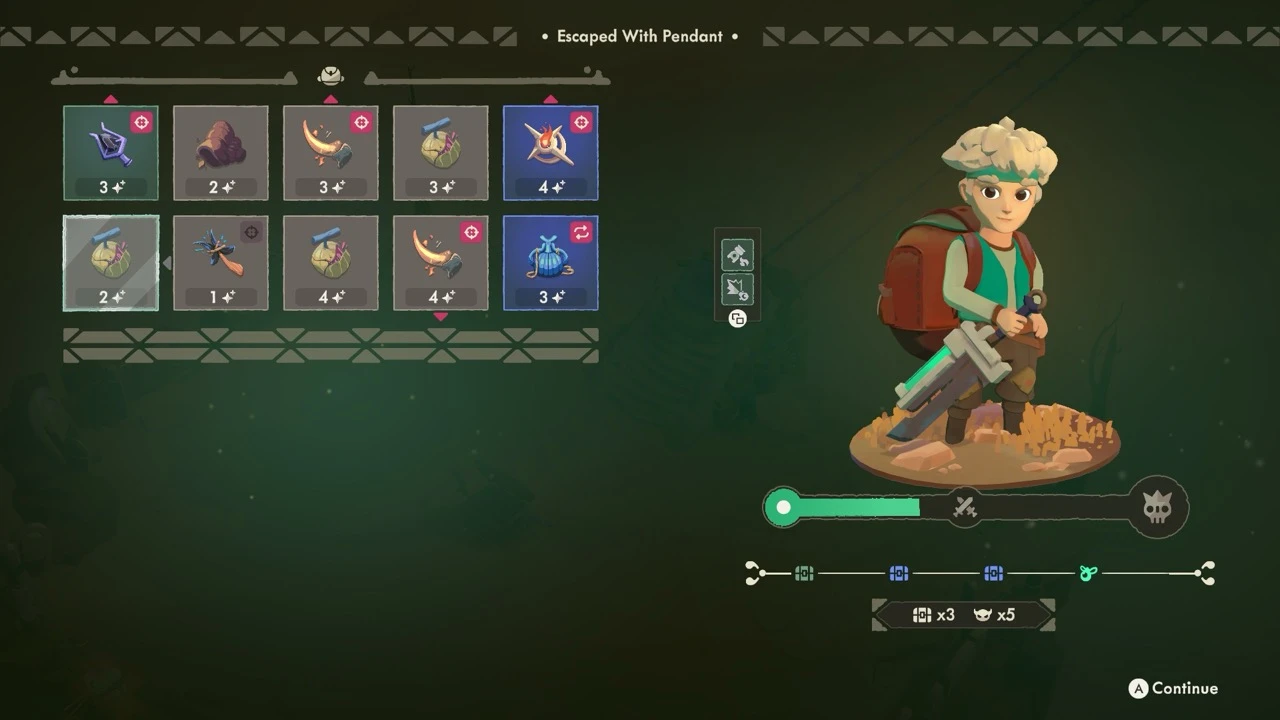
The relic system is where Moonlighter 2 gets properly clever. Chests contain all sorts of items, and some of them affect nearby relics in specific ways. One might boost something next to it. Another might destroy, burn, charge, or alter another item depending on where you place it. You are constantly arranging your backpack, thinking about what to keep, what to sacrifice, and how to squeeze the most value out of a messy pile of weird objects.
There is also a generous extraction system. You can leave at any time and keep what you found, which makes the game feel less punishing than many roguelites. If you are low on health and carrying a backpack full of valuable stuff, you can just cash out. Or you can push deeper, finish the run, kill the boss, and walk away with higher quality relics. That choice is simple, but it works because greed is very persuasive in this game.
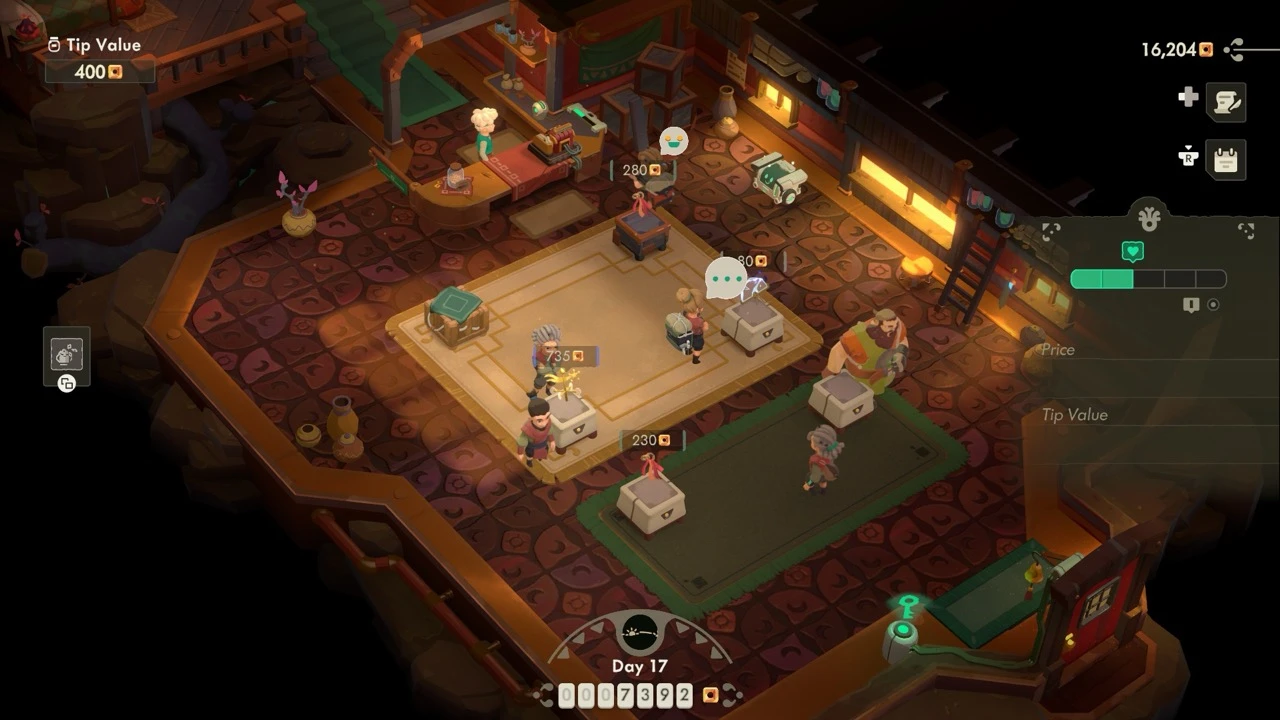
Back at the shop, the pace changes completely. You place relics on pedestals, set their prices based on your gut feeling, open the doors, and watch customers inspect your precious trash. Their reactions are shown through simple emoji-style responses, which makes pricing easy to understand without drowning you in menus. I liked this guessing-game pricing system in the first game too, and it still has that same small thrill of finding the sweet spot.
The shop side is still simpler than the dungeon side, but it is a crucial part of the loop. Selling items earns coins, and coins feed the meta progression. You can improve your health, increase attack power, upgrade flask effects, unlock new bonuses, and generally make future runs smoother. Even a failed run can push you forward.
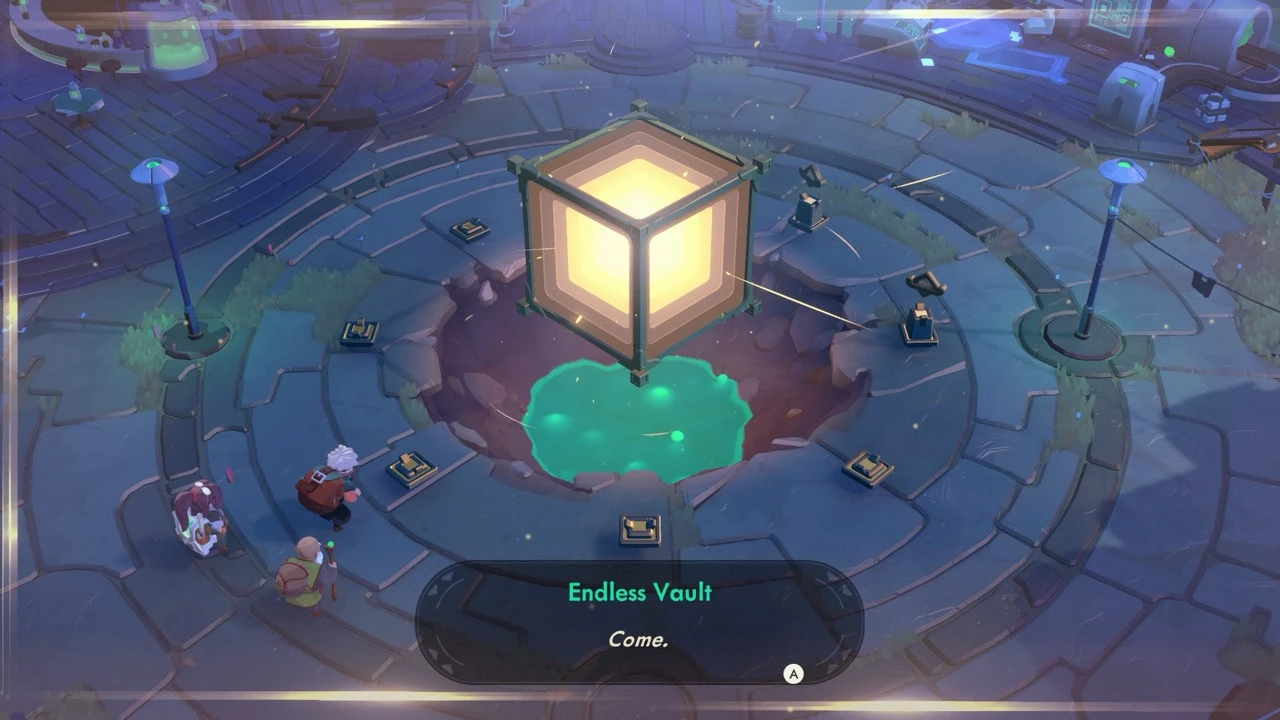
There is a story here too, built around a magical cube that asks you to reach different sales milestones and rewards you with new objects and unlocks. It is not the main reason I kept playing, but it gives the progression a clean structure. Since the game is still in early access, I do not think the full ending is there yet. What is already here, though, is polished enough that it rarely feels like a thin early access sample.
Playing on the ROG Xbox Ally X was a great fit. Moonlighter 2 feels like exactly the kind of game I want on a powerful handheld PC. Short runs work well in portable sessions, the shop sections are relaxed enough for couch play, and performance was excellent. I was usually seeing around 70 frames per second or more, and the game felt smooth throughout my time with it.
There are still areas I want to see grow. I want more weapon flexibility. I want the shop side to gain a little more depth over time. I want more biomes, more relic interactions, more bosses, and a stronger sense of where the story is heading. But that is the nice thing about this particular early access release. My complaints are mostly me wanting more of what is already good.
Moonlighter 2: The Endless Vault is already a fantastic sequel. It keeps the dungeon during the day, shopkeeping at night rhythm that made the original so memorable, then wraps it in faster combat, stronger roguelite structure, cleverer loot management, and a bright new visual style.
If you liked the first Moonlighter, this is an easy recommendation even in early access. If you never played the original but enjoy cozy roguelites with satisfying progression and a smart economy loop, this is absolutely worth watching. I went in hoping the sequel would still have that same addictive spark, and after several runs, several shop days, and many questionable pricing decisions, yeah, it definitely does. Thanks for reading!
If you enjoyed this one, read our Arma Reforger PS5 review, One Piece: World Seeker review, God of War Ascension review and Call of Duty Vanguard review next.