Iron Rebellion on Quest 3 delivers one of the most tactile and satisfying mech cockpits in VR, with weighty combat, deep systems, and multiplayer that is surprisingly active
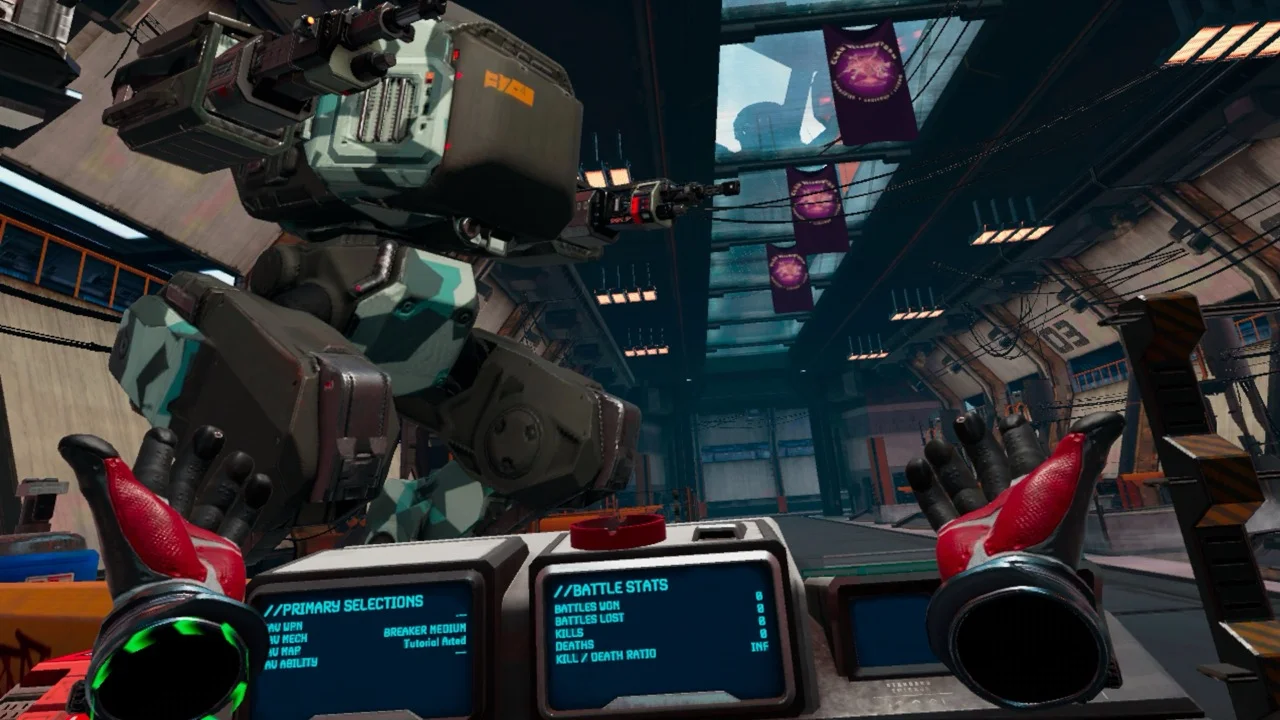
Iron Rebellion is one of those VR games that makes a strong first impression, then asks you to stay patient long enough to understand it. You jump in expecting immediate mech chaos, and it does have that, but before any of it clicks, you need to learn the cockpit like an actual pilot.
My first real session was honestly funny in hindsight. I got into the tutorial bot match, sat in this dark cockpit for what felt like forever, and had no idea why my mech was not powering on. The game was literally showing me what to do through small cockpit displays and voice prompts, but my brain just was not processing it. I was seconds away from restarting, maybe even quitting, convinced something was broken. Then I noticed a tiny green light on a switch in front of me. I reached out, flipped it, another light turned on, then another, and one more after that. The cockpit lit up, systems came alive, and suddenly everything made sense.
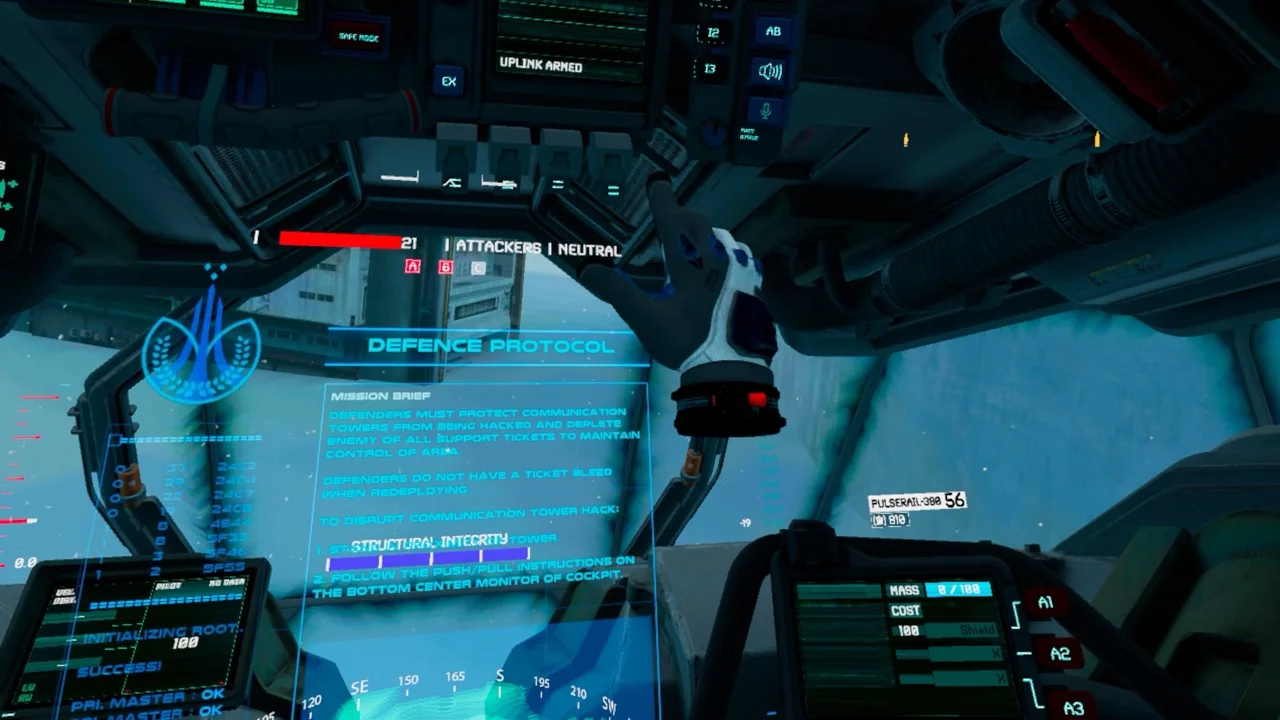
That moment says a lot about what Iron Rebellion is trying to be. This is not a basic “point and shoot while moving with a stick” mech game. It is built around physical interaction inside the cockpit. Left hand on the control handle, right hand on the aiming handle, toggles and switches for key systems, levers for utility actions, side panels for loadout options and all of it asks you to use your hands and attention. Once I leaned into that instead of fighting it, the game became excellent.
After I stopped brute forcing and actually watched the tutorial prompts, the deeper systems opened up fast. I learned how to grab health canisters by pulling the lever between my legs, how to repair damaged parts by switching to safe mode and deploying drones, and finally understood why only one weapon was firing when I had accidentally changed weapon selection. I also started tapping the floating info prompts around the cockpit and paying attention to the short clips and voice guidance, and each of those tiny lessons made the game click more.
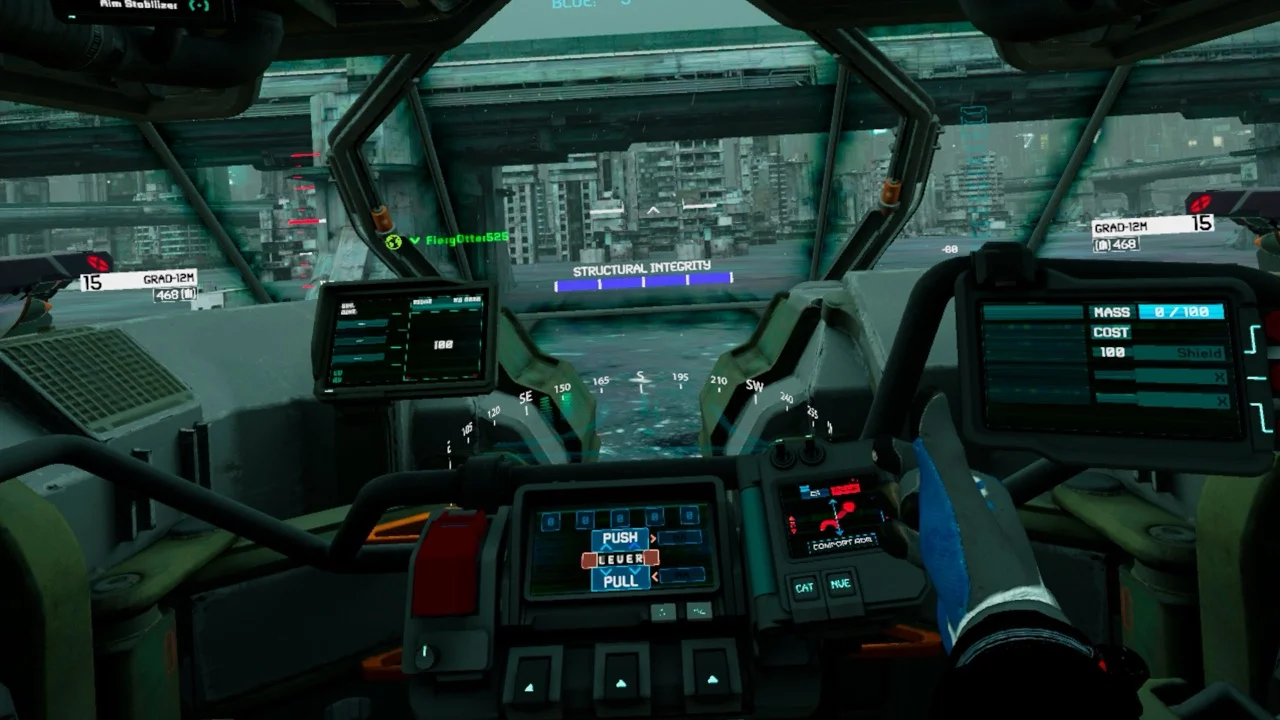
Even the ability usage has physical flavor. You do not just tap a face button to cast something. You select your ability on a side display first, then physically push what looks like a floppy disk style activator in the cockpit to execute it. It sounds like a small gimmick, but it is not. These interactions make your mech feel like a machine you operate, not a skin you wear.
Once you get into an actual fight, that cockpit work pays off immediately. The mechs have real weight. Movement is not floaty, weapon fire has punch, and shots shake the cockpit and that sells impact without becoming uncomfortable. You cannot just stand in the open spraying bullets and hope to survive. Positioning matters, timing matters, and mobility tools like dash or the jetpack are tactical resources, not panic buttons you can spam forever. Stay exposed too long and you get deleted.
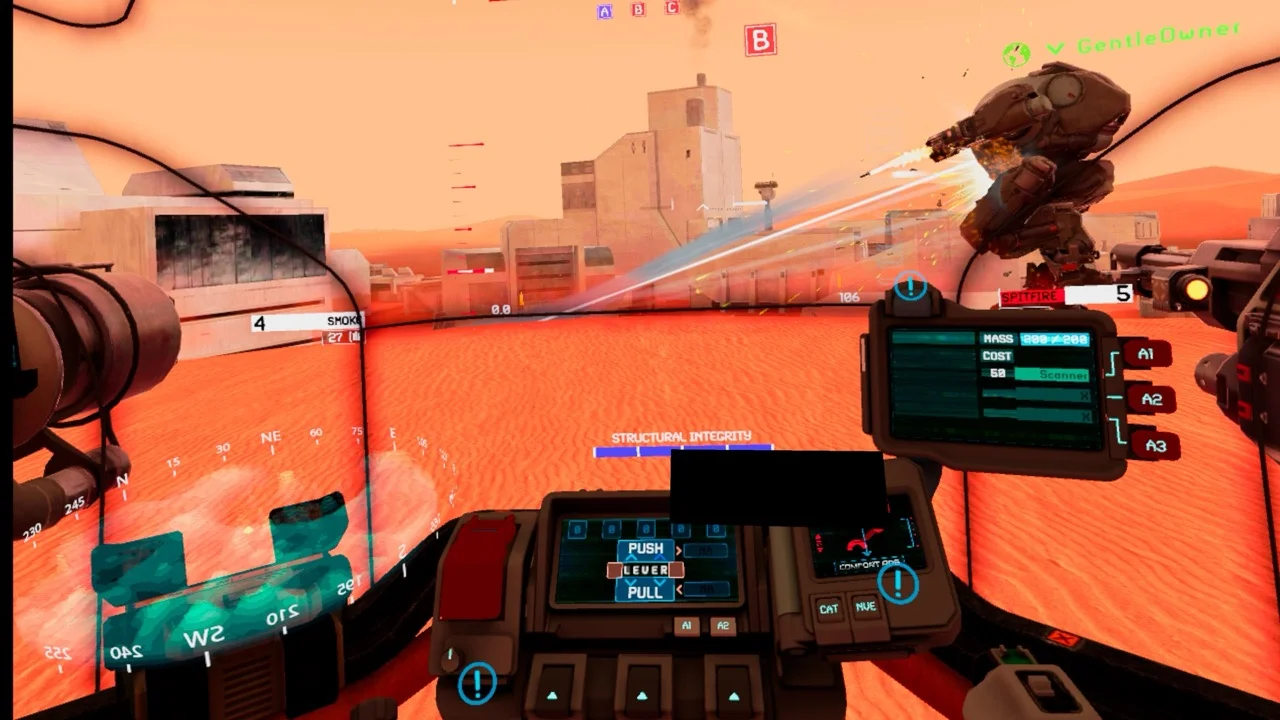
My first battle against AI bots made that very clear. I got destroyed quickly, which reset my expectations. Iron Rebellion sits closer to a mech simulator mindset than to a lightweight arcade mech shooter. It rewards players who learn maps, choose engagements, and manage systems under pressure. It also rewards patience, using cover, and knowing when to retreat for repairs instead of tunneling for one more kill.
The multiplayer side also surprised me. I expected dead lobbies, especially on a random weekday evening, but I found active matches and people were actually talking. If there were empty slots, bots filled in and kept match flow intact. Even better, the general vibe was good. I did not run into the usual chaos of nonstop yelling or VR-kid noise, you know what I mean, people were trying to play, call targets, and enjoy the matches.
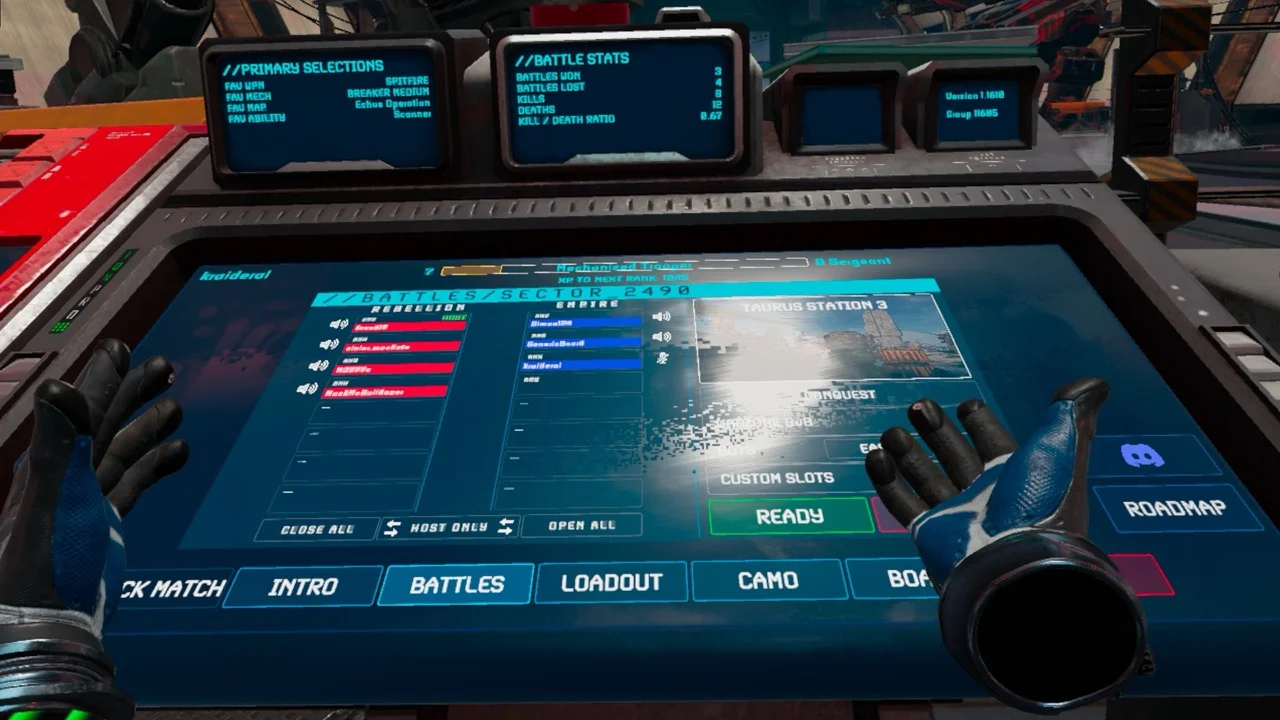
Right now Iron Rebellion focuses on competitive modes like team deathmatch, control, and free for all variants. There is no full narrative campaign in the current live setup, and that is important to know before buying. If you need a story-heavy solo package on day one, this is not that. But there is still a clear world identity in the maps, mech design language, and faction flavored battlefield tone. You feel like you are inside a larger war machine universe, even if most storytelling currently comes through atmosphere and match context rather than cutscenes.
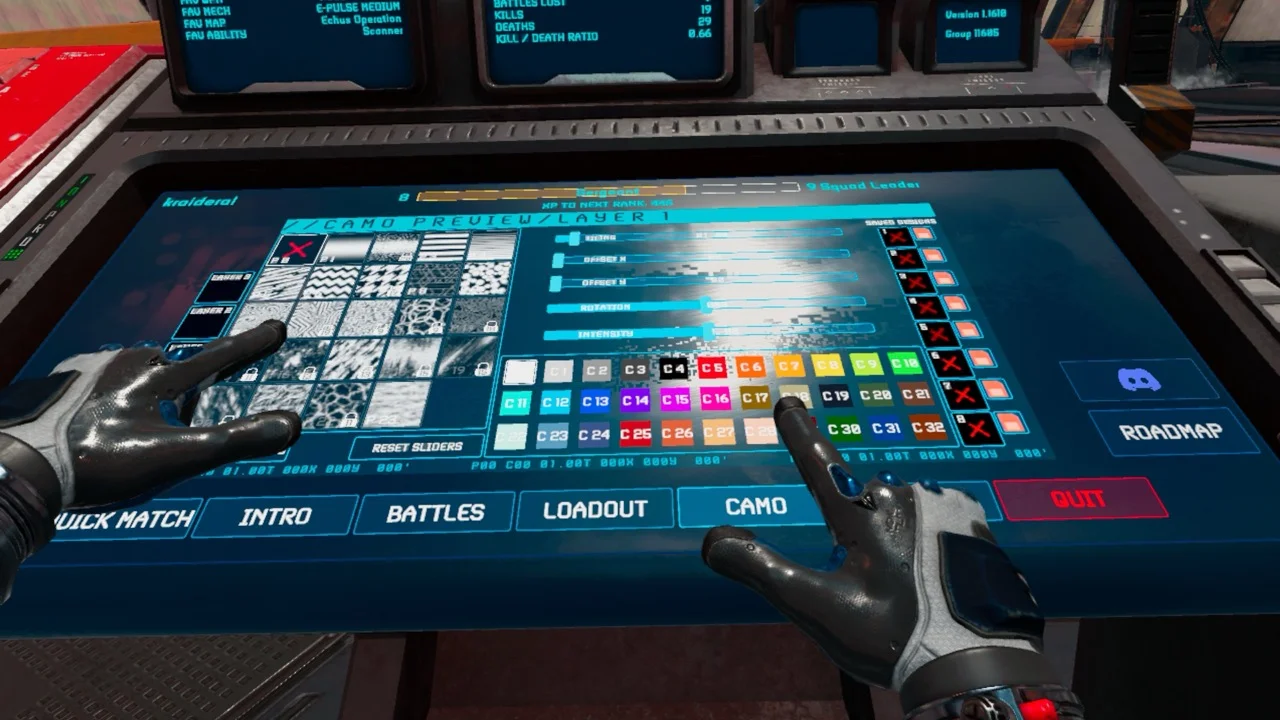
The good news is that progression gives the multiplayer loop real structure. The more you play, the more options you unlock, new weapons, augments, mech frames, and build flexibility that changes how you approach each match. Weapons can be mounted per arm and swapped during matches in ways that let you adapt to what the enemy team is doing. Augments work like perks and can improve survivability, reload behavior, or resource pressure depending on your style.
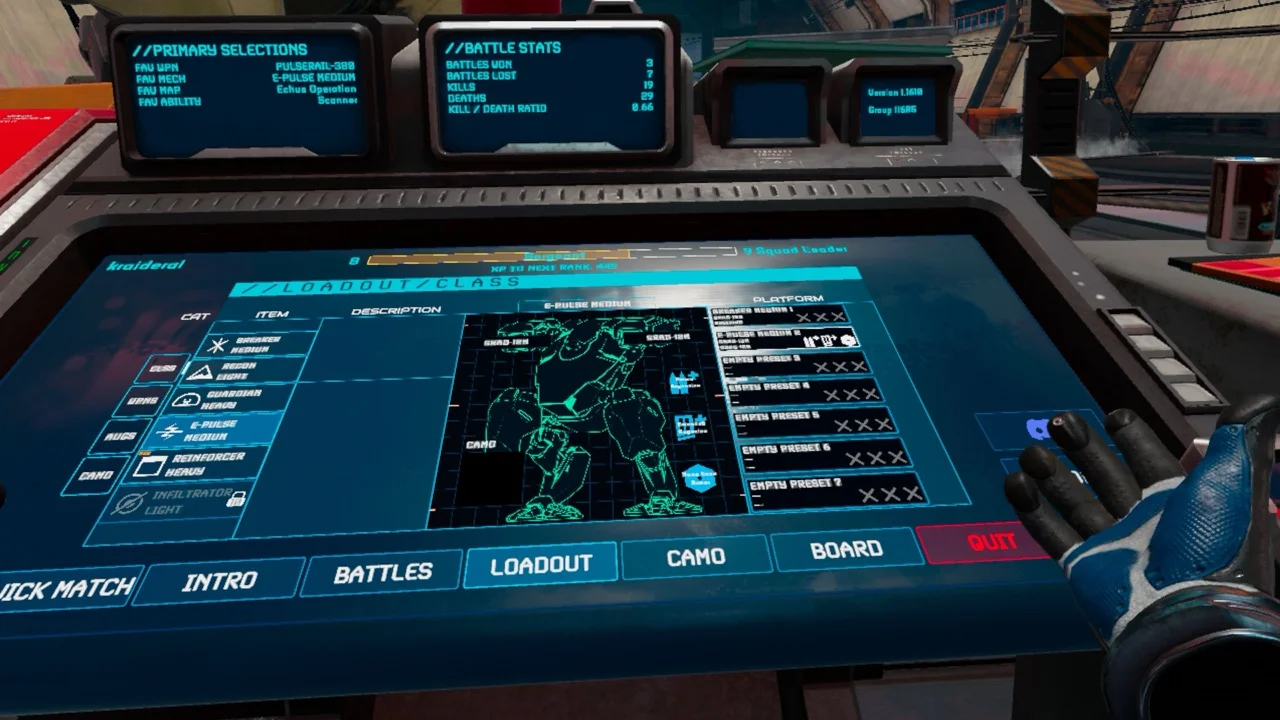
The mech roster is also meaningful, not just cosmetic padding. Lighter frames like Recon and Infiltrator are mobile and aggressive for flank routes and scouting. Heavier options move slower but bring durability and utility, with shields and support abilities that can lock down choke points. The more matches I played, the more I realized these chassis are built for specific battlefield roles, and team composition can genuinely swing the result when players commit to those roles.
Most of the matches still devolve into pure chaos, everyone dashing forward and unloading rockets everywhere, everything all at once, and honestly that can be very fun in itself. But the stronger matches are the ones where people actually coordinated. One player drops scans, another puts down a dome shield and someone else uses the info to collapse from a flank, and suddenly the cockpit 3D tactical map becomes a real team tool instead of decoration. Those rounds are where Iron Rebellion feels special, because you stop feeling like isolated players chasing kills and start feeling like an actual mech squad.
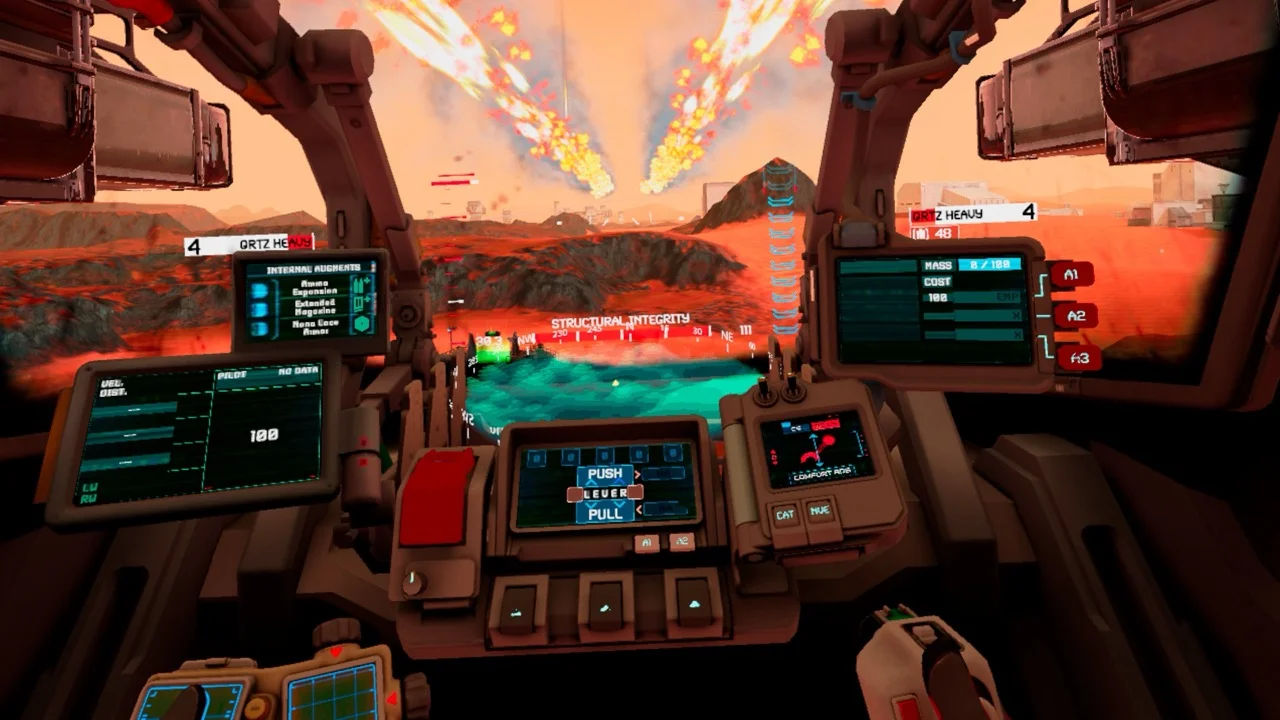
A detail I really appreciate is how cockpit layouts differ between mechs. Controls are similar enough to be readable, but different enough that you need to retrain muscle memory when switching frames. That could annoy some players, but for me it adds authenticity. You are not just changing stats, you are learning another machine.
On Quest 3 specifically, the presentation lands well. The visual style gave me strong old-school Hawken vibes, industrial maps, rusted complexes, city combat spaces, junkyard tones, heavy metal silhouettes. It wants grit, sparks, smoke, and loud machinery, and that works.
Performance has been solid in my sessions, with good clarity inside the cockpit and enough stability to keep firefights readable. Audio does a lot of heavy lifting too, guns sound dangerous, impacts feel violent, and cockpit feedback helps you read what is happening without staring at every panel.
As for story expectations going forward, there is a bigger single-player and co-op PvE direction planned, with a wider interstellar war framing where factions fight over worlds. That could be a huge addition for players who love the current mechanics but want more narrative structure and mission-based play beyond competitive PvP. I cannot score future content today, but based on how strong the foundations already are, I am genuinely excited about where this could go.
Iron Rebellion is not a casual pick-up-and-win power fantasy, and that is exactly why I like it. It asks you to learn, pay attention, and operate your mech with intent. The tactile cockpit design is excellent, combat has weight and consequences, progression adds meaningful depth, and the online community has been more active and more pleasant than expected. It will not be for everyone, especially players who only want a single-player campaign right now, but if you enjoy mech sims and team-based VR combat with real systems, this is easy to recommend.
Iron Rebellion on Quest 3 is one of the coolest mech experiences in VR right now, and after the learning curve clicks, it is hard to put down. Thanks for reading!