WRATH: Aeon of Ruin VR on Meta Quest 3 delivers fantastic shooting and smooth performance, but the flawed level design, awkward checkpoint system, and weak progression make it hard to fully recommend
WRATH: Aeon of Ruin VR is one of those releases where I was impressed and disappointed at the same time, sometimes within the same 10-minute stretch. As a VR port, this is genuinely great work. Team Beef clearly understands what makes first-person shooters feel good in a headset. Movement is buttery smooth, aiming feels responsive, and the combat loop is satisfying from the first encounter to the last.
But once that first technical wow factor settles, you start noticing the bigger issue: WRATH itself was never a great boomer shooter to begin with. It has flashes of style and some strong combat beats, but underneath that, the structure is dated in the least fun way. In VR, the highs are higher because the action is so tactile, yet the lows are still there and maybe even more noticeable.
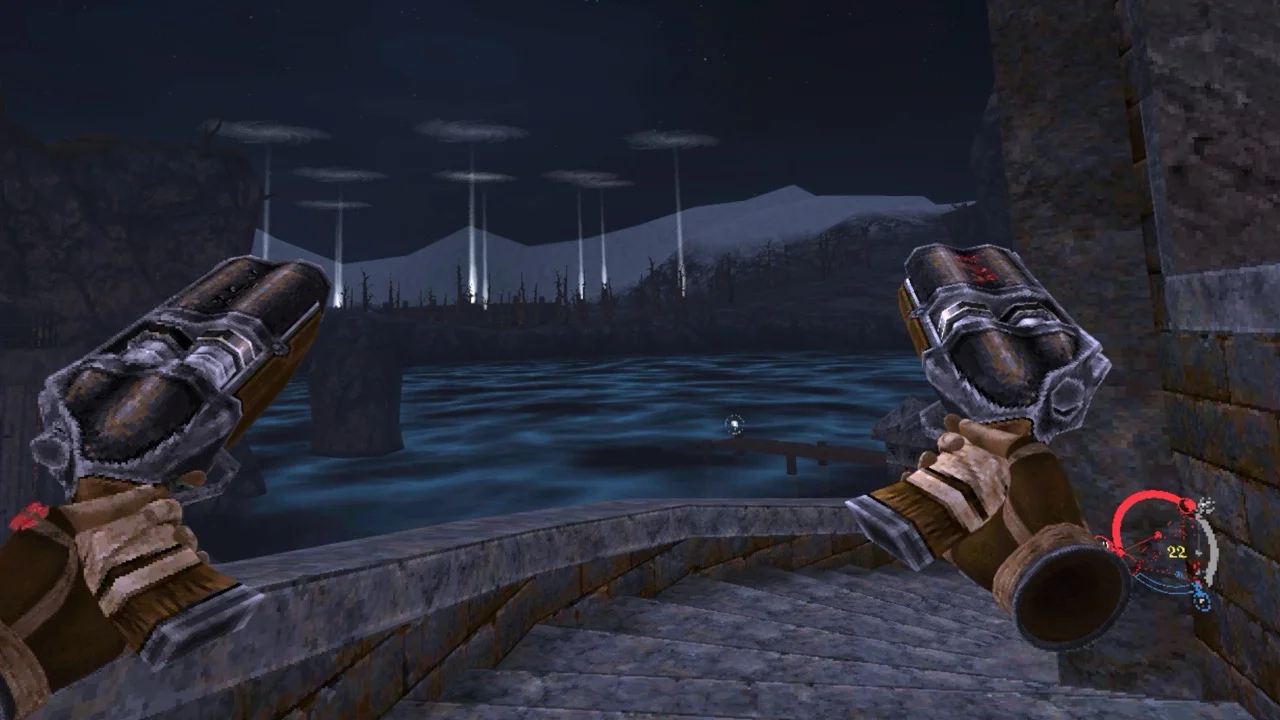
Let me start with the good stuff, because there is a lot of it. Running around arenas, sliding through pressure points, dashing forward with blade knives, then immediately snapping into gunplay feels fantastic. You can tell this was built by people who care about comfort and responsiveness. I did not get performance drops, stutter, or weird frame pacing issues during my run. On Quest 3, it stays smooth even when fights get chaotic.
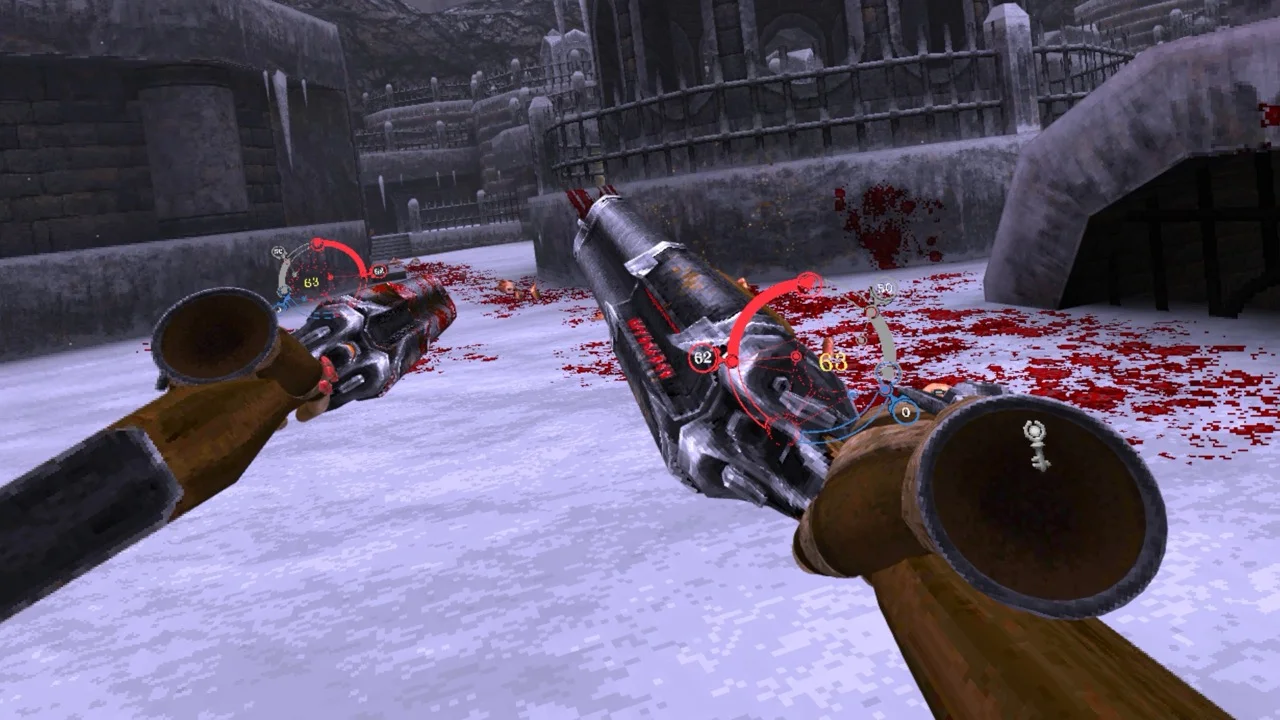
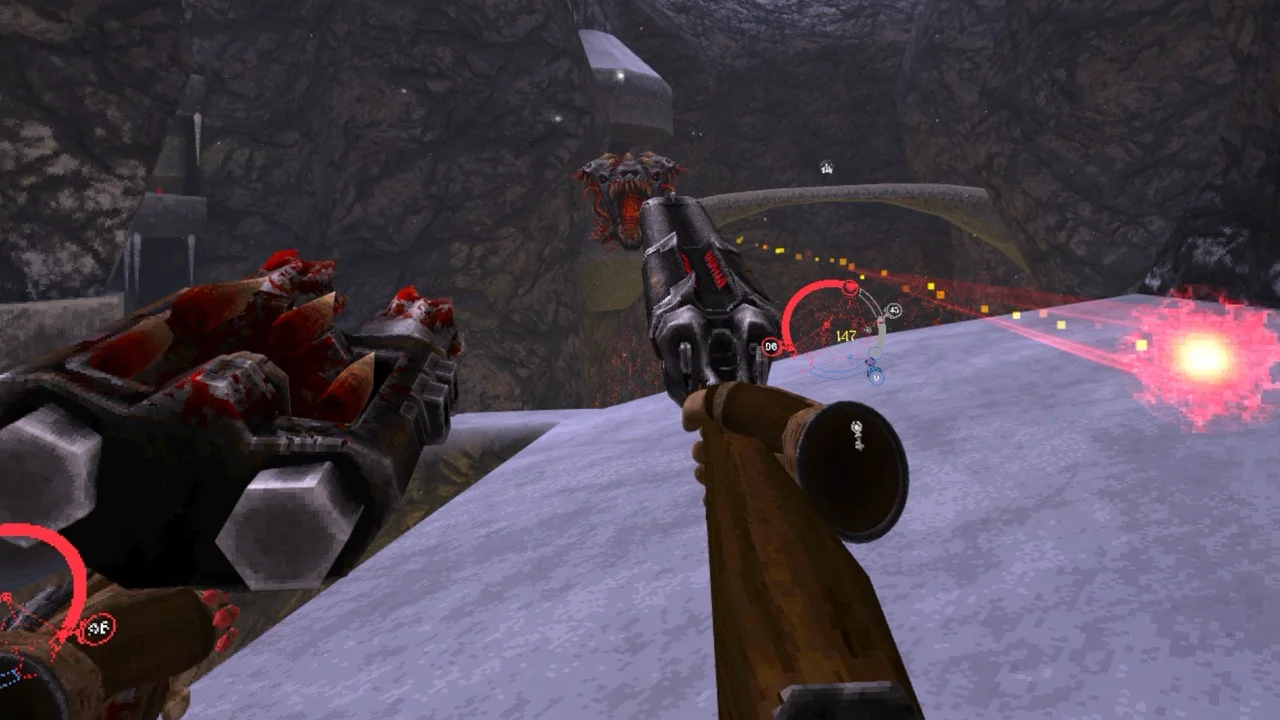
That smoothness matters a lot in a fast shooter. You are constantly repositioning, strafing, checking corners, and pushing into close-range fights. The game holds up, and that gives every encounter a strong rhythm. When you dual-wield double-barreled shotguns and start deleting demons at point-blank range, it feels incredible. This is exactly the kind of over-the-top violence VR can elevate when the controls are this tight.
The slow-motion ability is another highlight. Closing distance on an enemy group, triggering slow-mo, and blowing them apart into chunks with both barrels is pure power fantasy. That never really gets old. If your main goal is to jump in and blast demons with aggressive movement and stylish gun handling, this game delivers hard.
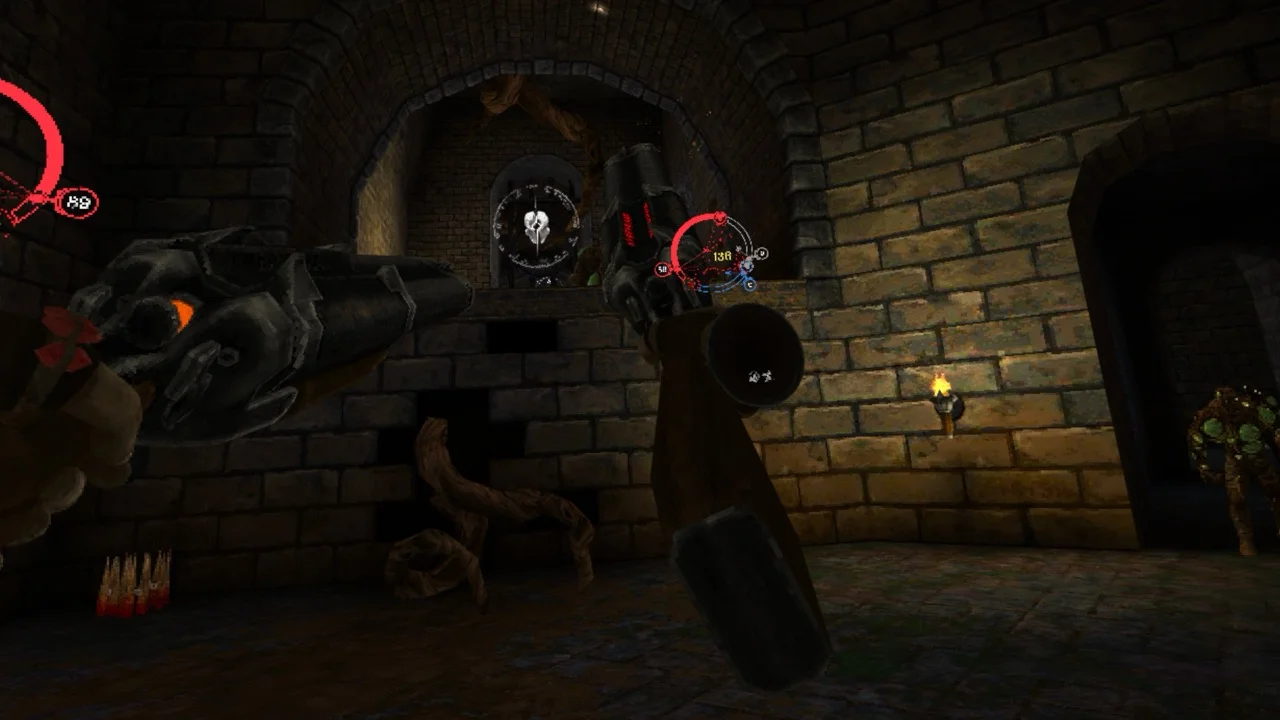
The problem is what happens between those combat highs. Story-wise, this is very thin stuff. You are basically a warrior sent to destroy demonic enemies. For boomer shooters, that is not automatically a problem. I do not need deep lore in this genre. The issue is that the game does not compensate with strong level flow, and that is where it keeps tripping over itself.
Most levels are built around old-school key hunts through corridors and large spaces that often look too similar to each other. You are searching for color-coded keys, flipping switches, and trying to remember where that one locked door was 15 minutes ago. Sometimes that old-school maze design can be fun. Here, it regularly turns into wandering around confused, especially when environments repeat visual motifs without enough landmarks.
There is a golden path assist line meant to help navigation, which sounds great in theory. In practice, it is awkward. Instead of appearing clearly from your current location the way like Dead Space did it, the dashed line appears where the intended route is in the world. In large or vertical maps, that can mean the guide is so far from you that it is hard to even spot. The feature exists, but it does not consistently solve the real problem.
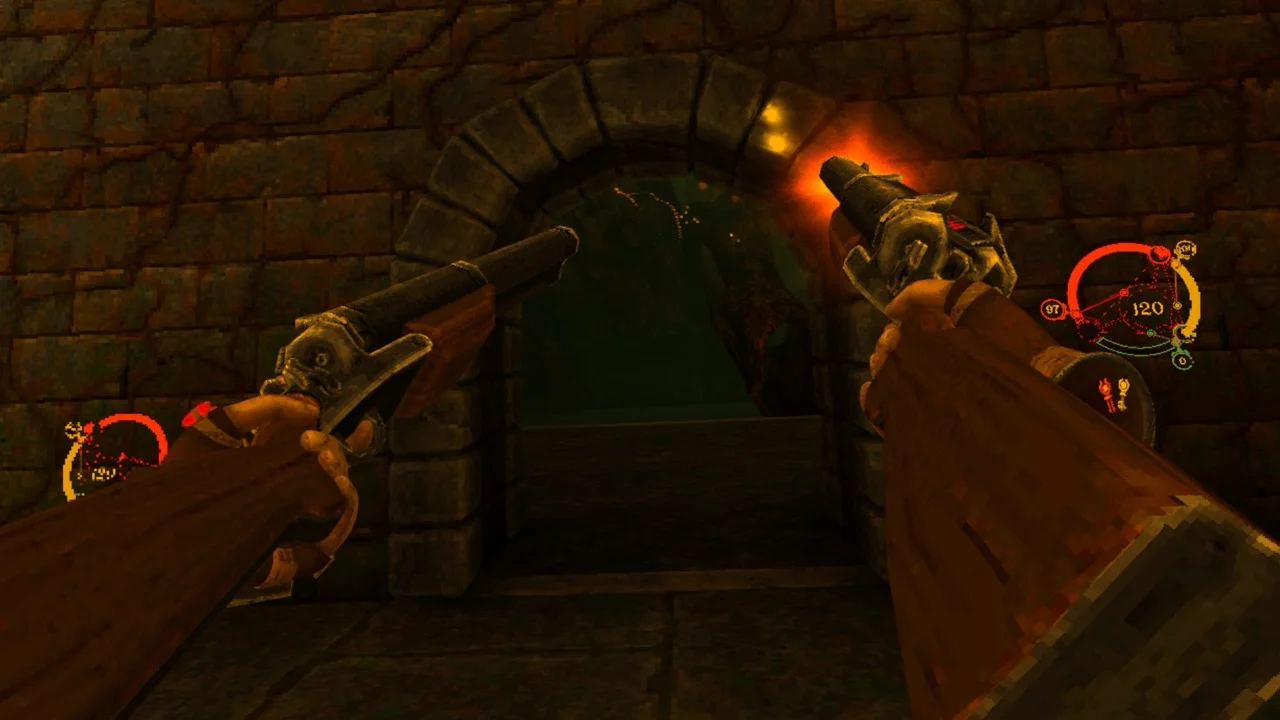
Then there is the checkpoint system, and this is probably my least favorite part of the whole experience. WRATH uses Soul Tethers, consumable items that let you place a checkpoint wherever you want. On paper, that sounds flexible and strategic. In reality, it can feel punishing and messy.
When a shooter feels this good, you naturally play fast. You rush into fights, chain movement, and stay in the flow. In that mindset, you forget to manually place a tether. Then you die and suddenly realize you have to redo a huge chunk, restart the level, or load an older checkpoint from a different stage if you pick the wrong option in the journal. It is a system that constantly asks you to slow down and micromanage saves in a genre built on speed and momentum.
You can eventually learn to work around it, but it never feels elegant. Good friction creates tension. This friction just interrupts the fun.
Audio design is another strange miss. A boomer shooter lives and dies on energy. You expect heavy, driving tracks pushing you through combat. Here, many stretches feel almost silent, with only faint ambient sound and occasional effects. It gives the game a weirdly empty vibe at times.
The guns still feel good to fire, enemies still explode nicely, and the atmosphere can be oppressive in the right way, but the missing musical punch hurts pacing. Big fights should feel like a surge. Too often they feel flatter than they should.
Progression between levels is also oddly handled. You move through a hub with multiple portals, and it is not always clear which route you should prioritize. That kind of freedom can be cool, but in WRATH it clashes with weapon acquisition. Important guns are found in specific levels, so tackling content in a different order can leave you under-equipped for encounters that feel tuned around tools you may not have yet.
This is where the game confuses choice with clarity. You have options, sure, but the overall structure does not always support them well.
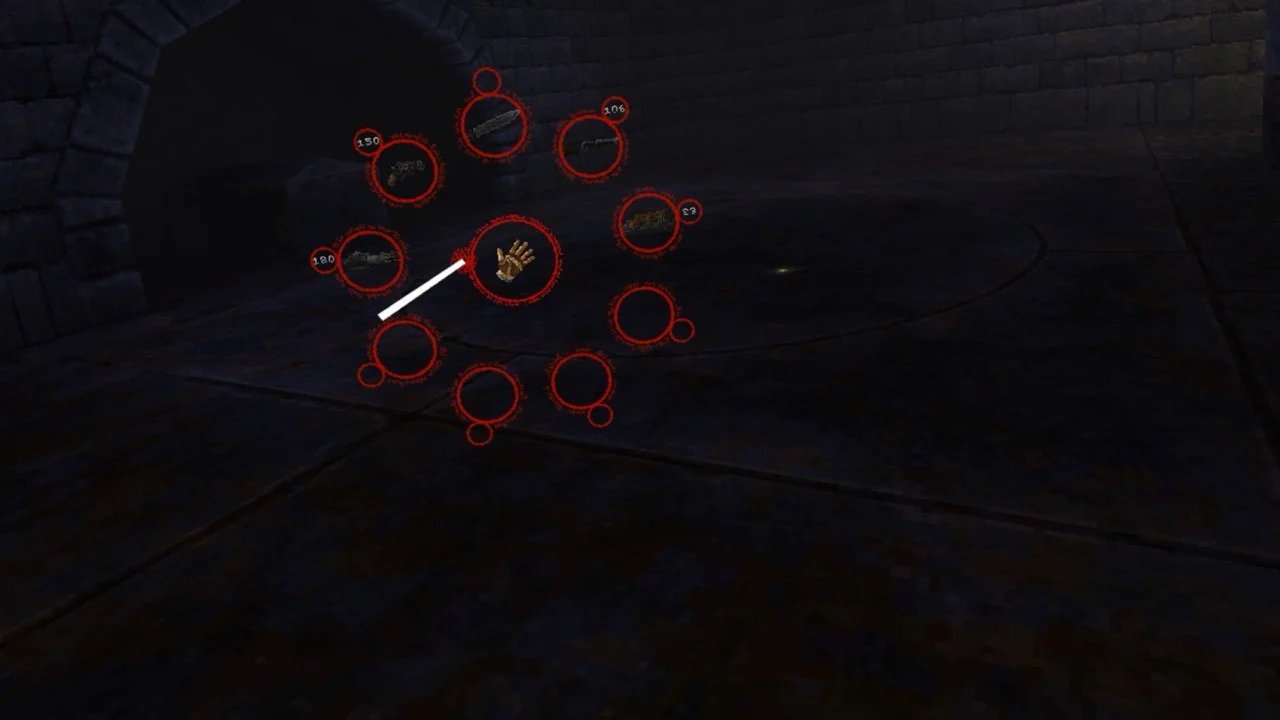
Weapon switching on Quest 3 is another pain point. You press the analog stick to open a radial menu and select what you want. It works, but in the middle of fast combat it feels slower than ideal. I constantly found myself being overly careful with stick clicks because it never felt as fluid as the rest of the interaction model and I also fear of breaking them cause they are so tiny.
In a perfect VR implementation, I would love a more physical solution, something like bringing your hands toward your chest to spawn weapon slots, then grabbing what you need instantly and continuing fire without breaking tempo. Instead, switching weapons as it is right now will momentarily take you out of that combat trance.
General VR interaction is also limited outside combat. Yes, there are switches and level objects, but most interactions are simple button prompts rather than tactile manipulation. Weapons are effectively glued to your hands, and you lose some of the physical playfulness that makes VR worlds feel alive. For a game that nails locomotion and shooting so well, this lighter interaction layer feels like a missed opportunity.
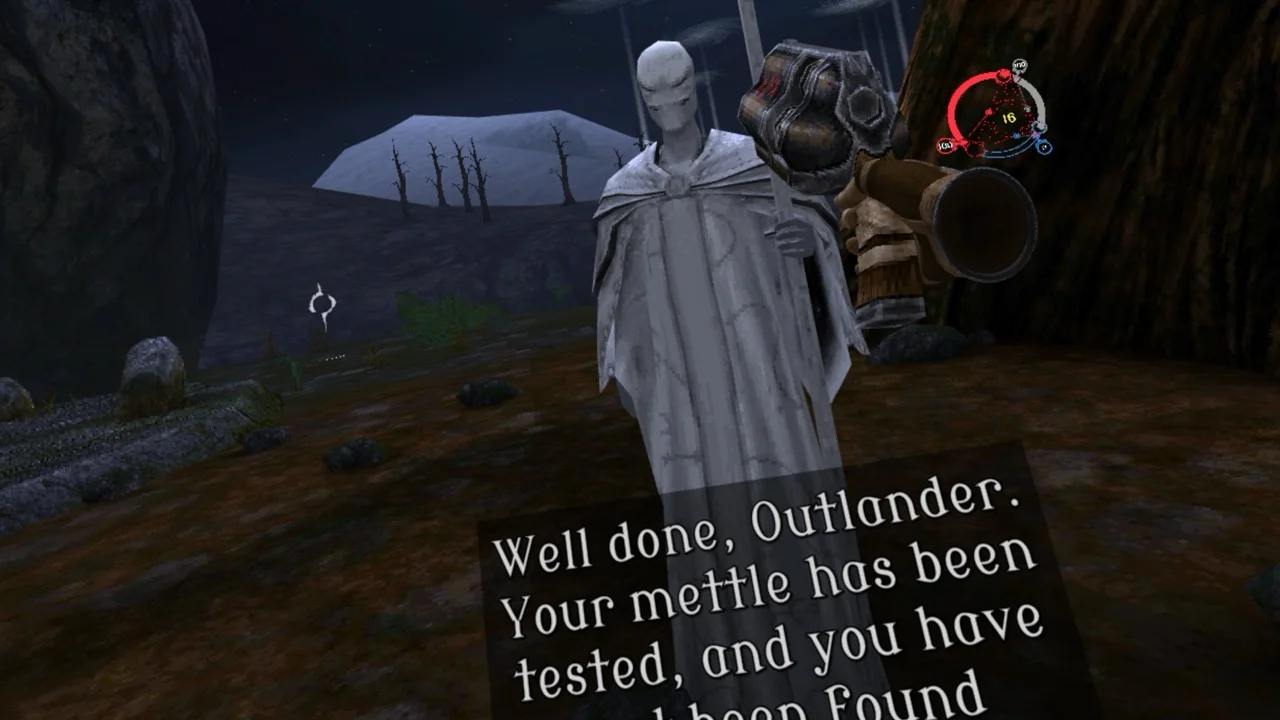
I ended more frustrated than satisfied. Team Beef kinda nailed most of the VR conversion where it counts for comfort and raw combat feel, but that polish cannot hide how flawed the core game design is.
The level flow is repetitive and confusing, checkpoint management kills momentum, progression is awkward, and the interaction design outside shooting feels thin. So yes, blasting demons with dual shotguns is fun, but everything around that loop drags the experience down.
For me, this is not a game I can fully recommend unless you are specifically curious about this VR port and can tolerate a lot of design friction. As a technical port, it is great. As an actual game, it is simply not good. Thanks for reading!