Hail to the Rainbow is a bleak, atmospheric adventure that rewards patience, even when its puzzles leave you completely lost
A few years ago, I played In Rays of the Light, a small atmospheric adventure from developer Sergey Noskov. It was rough in places, but I really enjoyed it. Even with its limited scope, you could tell that the person behind it knew how to build a world and make you want to understand what happened there. Hail to the Rainbow takes that same talent and applies it to a much bigger, stranger, and more ambitious experience. I liked it even more.
You play as Ignat, a young man living alone in a post-apocalyptic Russia after a devastating military conflict. His parents are gone, the world outside is dangerous, and whatever normal life he has managed to build is disrupted by a mysterious email. What follows is a first-person adventure through a broken world full of secrets, strange technology, hostile machines, and memories that give you a glimpse into Ignat's past.
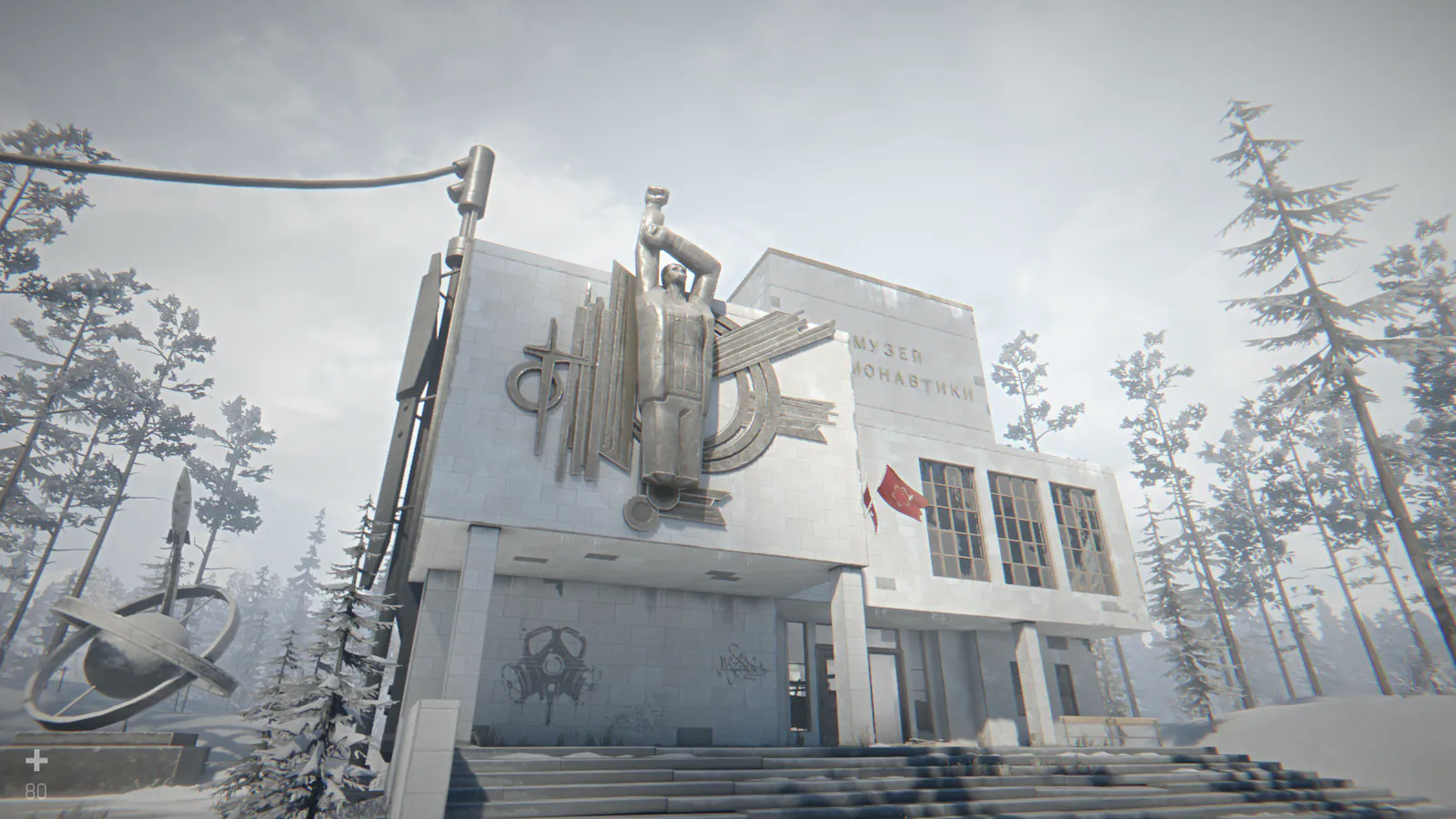
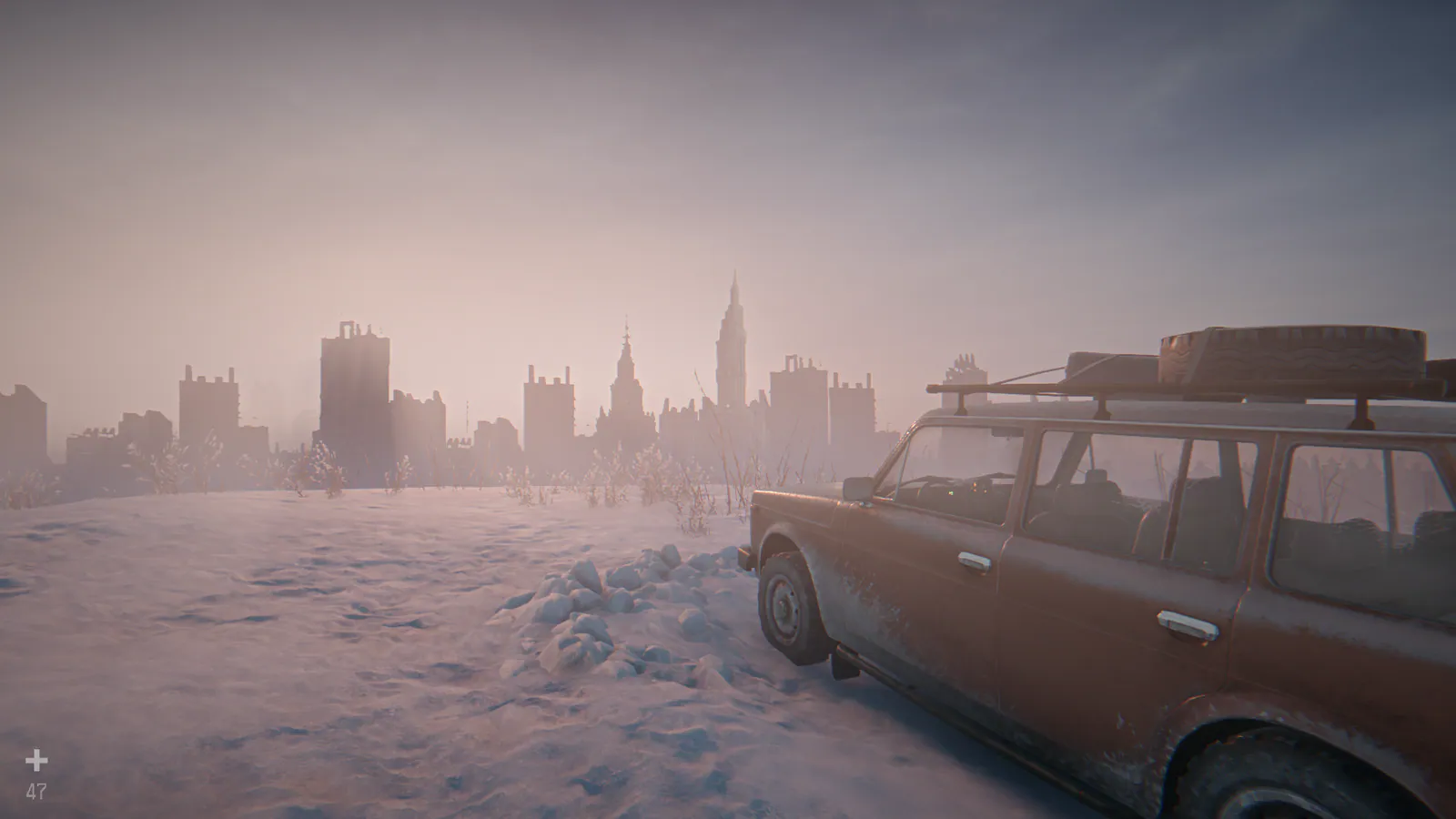
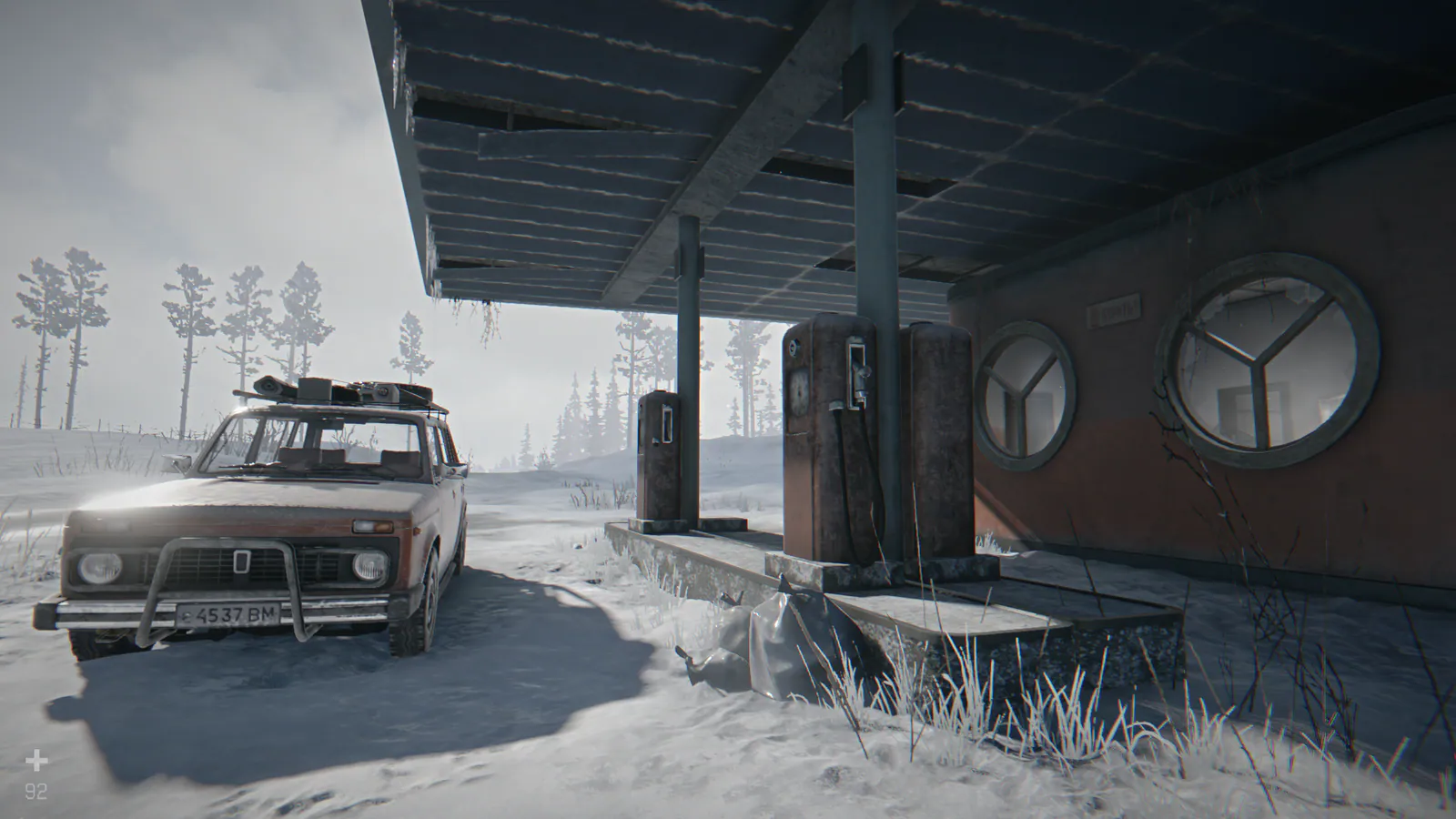
The story gives you a reason to keep moving, but it is the world itself that really got its hooks into me. There is this constant sense of dread hanging over everything. Snow covers deserted streets, enormous brutalist buildings loom over you, and the remnants of a Soviet-inspired retro-futuristic society sit rusting in the cold. It feels bleak and lonely, but also fascinating. I wanted to look around every new area, even when I was pretty sure something unpleasant was waiting for me.
The art direction is fantastic. The chunky machinery, old electronics, industrial interiors, and decaying architecture all come together to create a world that feels specific rather than just another generic apocalypse. It reminded me a little of KVARK in its love for Eastern Bloc industrial design, although Hail to the Rainbow is a slower, more exploratory adventure. There is a distinct personality to its environments, and that personality carries through the entire journey.
It is even more impressive knowing that this is largely the work of one developer. Noskov had help with parts of the production, but the scope and detail on display here are still kind of crazy for a mostly solo project. The game looks really good, and it consistently creates the feeling that you are wandering through the remains of a place that once had a life of its own.
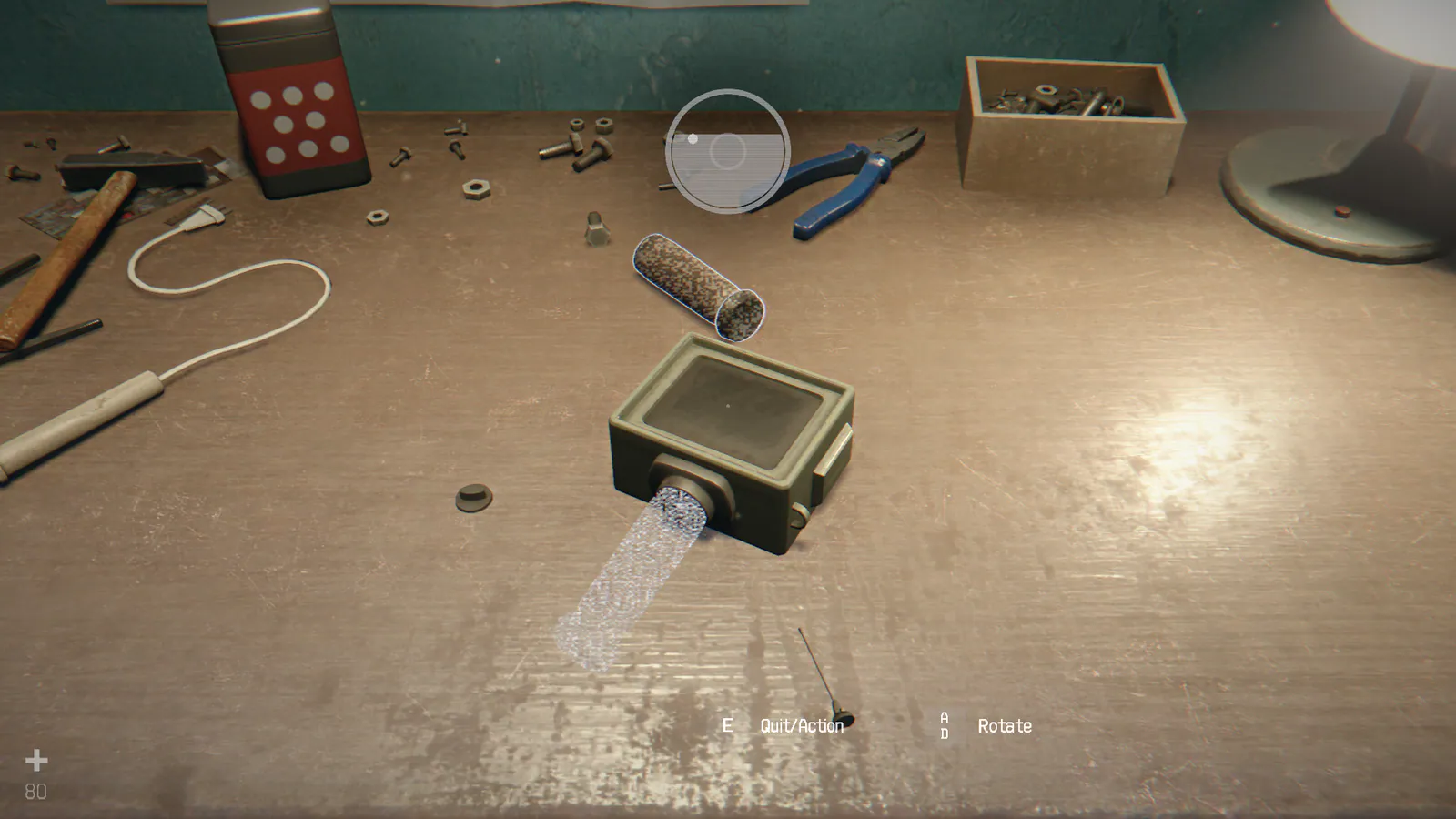
The gameplay is slow and methodical. You move through different environments, investigate your surroundings, collect objects, solve puzzles, and deal with whatever dangers stand between you and the next area. It has a level-based feel: you arrive somewhere, work through a series of smaller problems, and eventually find a way to continue. There is enough variety in what you are doing that it never felt like I was just walking from one story beat to another.
The puzzles are a big part of that. They often ask you to pay attention to the environment and think about how the objects you find might fit together. When everything clicks, it feels great. You are not simply following a glowing marker to a highlighted switch and pressing a button. You are actually figuring out how to make your way through a place, and that fits the grounded, abandoned world beautifully.
The downside is that the game can be a little too hands-off. There are no waypoints pointing you toward the next step, and interactable objects do not have a distinct highlight to help them stand out. Sometimes the challenge is not understanding a puzzle so much as realizing that the object you need can be used in the first place.
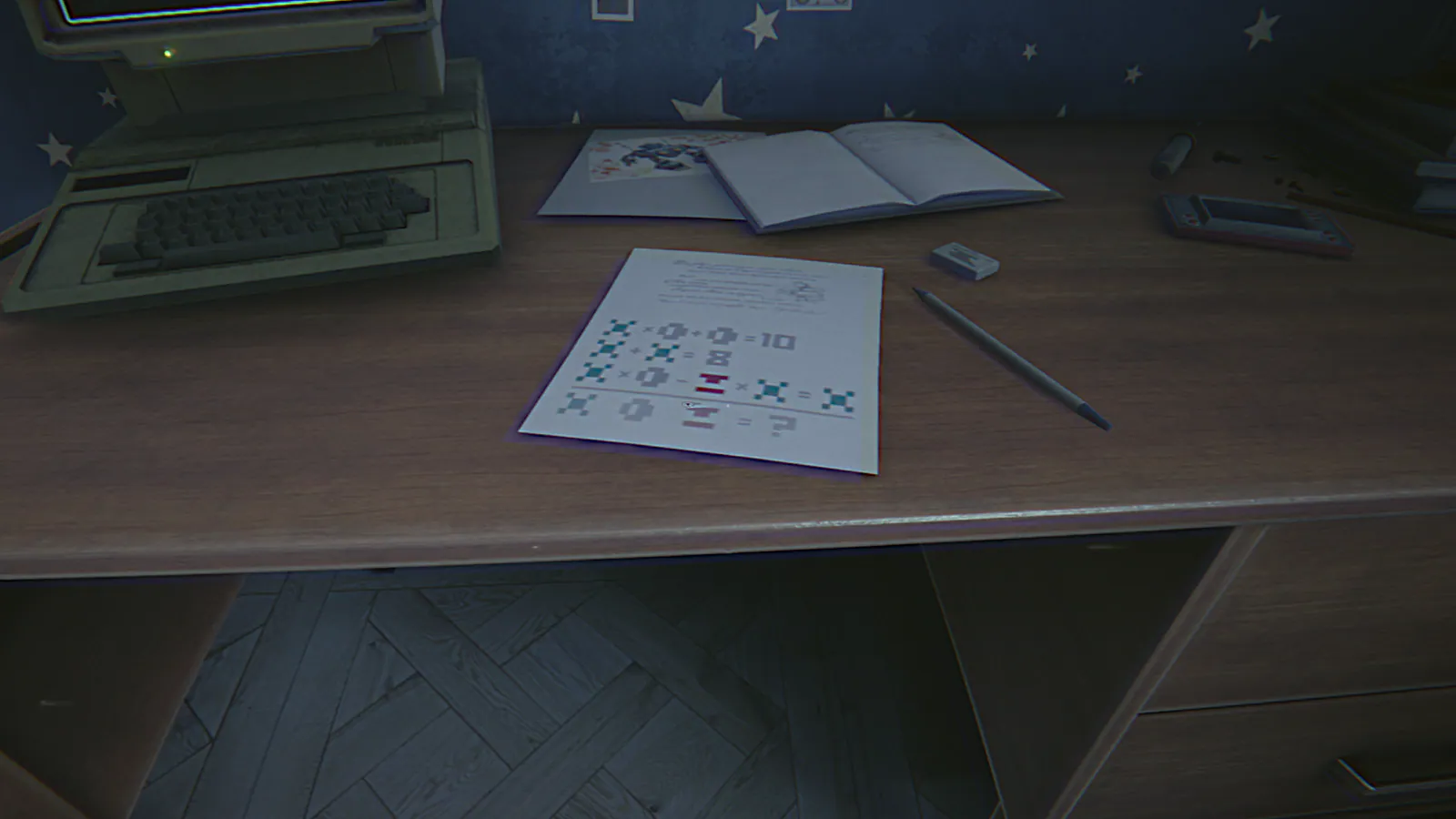
You might spend ages running around like a headless chicken before realizing that a metal block you picked up twenty minutes ago can be slotted into something to open a door. That kind of discovery can be satisfying, but it can also bring the pacing to a halt when you have already checked an area several times. I do not need the game to solve everything for me, but a little more guidance, or a clearer indication of what can be interacted with, would have made those moments less frustrating.
One of the more interesting additions is the car. You get to drive through parts of this ruined world, and it is not just a case of holding the accelerator and watching the scenery pass by. It has a manual transmission, and rough terrain requires some attention to how you drive. Drop into a lower gear when the situation calls for it and you can push through sections that would otherwise give you trouble. It is a small detail, but it makes the journey feel more involved and gives the world a different sense of scale.
Combat is simple, but it does the job. You start with a wrench-like melee weapon and eventually get your hands on a selection of guns. The robot enemies are not particularly smart, and this is not a shooter that is going to impress you with complicated tactics or elaborate combat systems. Still, a group of machines can put you under pressure, and the encounters add a welcome edge to exploring places that already feel unsafe.
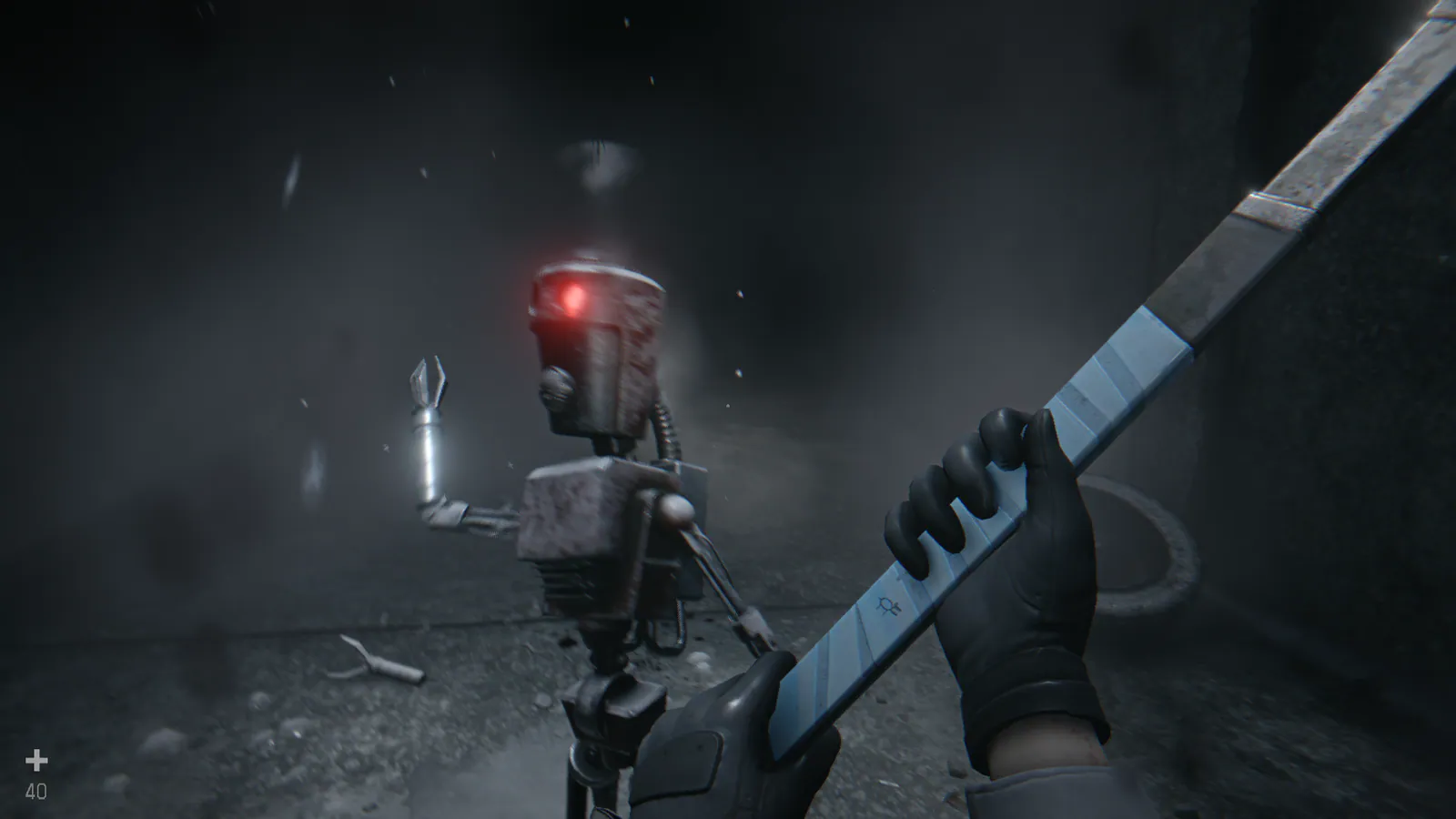
I liked that the action never completely takes over. Fighting is another part of surviving and moving through this world, alongside solving problems and examining your surroundings. If you are after a fast-paced shooter, the deliberate movement and straightforward enemies might leave you wanting more. For me, they fit the overall rhythm, even if the combat is less memorable than the atmosphere and puzzle design.
I played on PC using the ROG Xbox Ally X, and performance was excellent. The game never dropped below 60fps during my time with it, which is especially nice considering how good its environments look. Exploring those snowy streets and oppressive interiors on a handheld felt great, and I never had to fight the performance to stay immersed.
It is also an Xbox Play Anywhere title, which is a really nice bonus. A qualifying digital purchase through Xbox lets you play on supported Xbox consoles and Windows PCs, with cloud saves available to carry your progress across devices. For someone who likes moving between a handheld and a console, that flexibility makes an already appealing game even easier to recommend.
Hail to the Rainbow is not always easy to love when you are stuck searching for an obscure interaction, and its combat is more functional than exceptional. But its cold, unsettling world is one I genuinely enjoyed spending time in. The puzzles make you think, the driving adds an unexpected layer to the journey, and the atmosphere ties it all together. If you enjoy taking your time in a strange, beautifully realized post-apocalyptic world, this one is well worth a look.
Thanks for reading!