Forefront is basically Battlefield VR on Quest 3, and even with some rough edges, that is an incredible thing to finally say
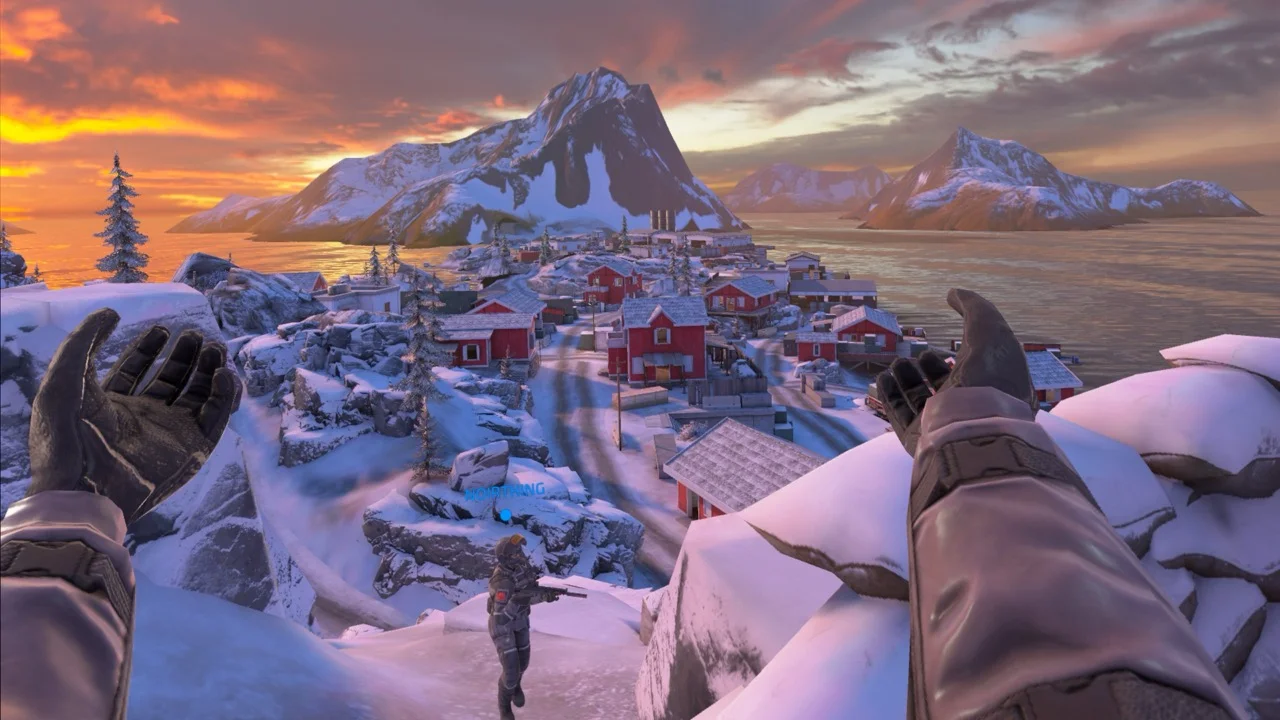
Forefront is one of those VR games where the shorthand is almost too obvious, but also completely accurate. This is Battlefield VR. Large maps, 32 player matches, four classes, conquest-style objective play, rush-style pushes, tanks, LAVs, ATVs, jeeps, helicopters, destructible buildings, gadgets, perks, chaos everywhere. That is the pitch, and the wild thing is that it actually works.
I do not mean that in the usual "this is pretty good for Quest" way either. Forefront runs on Meta Quest 3 hardware while doing things that should feel unreasonable for a standalone headset to handle. There are tanks rolling through streets and flattening houses, helicopters circling overhead, RPG trails cutting across the sky, teammates yelling in proximity chat, and a bunch of people sprinting between objectives while everything around them is exploding. It is messy, loud, and ridiculous in exactly the right way.
The best moments are the ones that feel unscripted. An Apache and a Minibird are fighting above you while ground troops try to lock on. A tank pushes through a village and suddenly the building you were using as cover is gone. You are tearing down a road on an ATV, jump off at the last second, and detonate the C4 you strapped to it so the whole thing becomes a rolling bomb. Battlefield has always had its "only in Battlefield" moments, and Forefront deserves its own version of that phrase. Only in Forefront moments need to become a thing.
The class structure helps ground that chaos. Assault, Medic, Engineer and Recon each have a clear role, and their gadgets and perks push you toward different play styles without overcomplicating the match flow. If you want to stay in the fight and keep pressure on objectives, Assault makes sense. If you want to keep the squad alive, Medic has a real job. Engineer is vital because vehicles are everywhere, and Recon gives you the long-range option for picking people off and watching movement across these big maps.
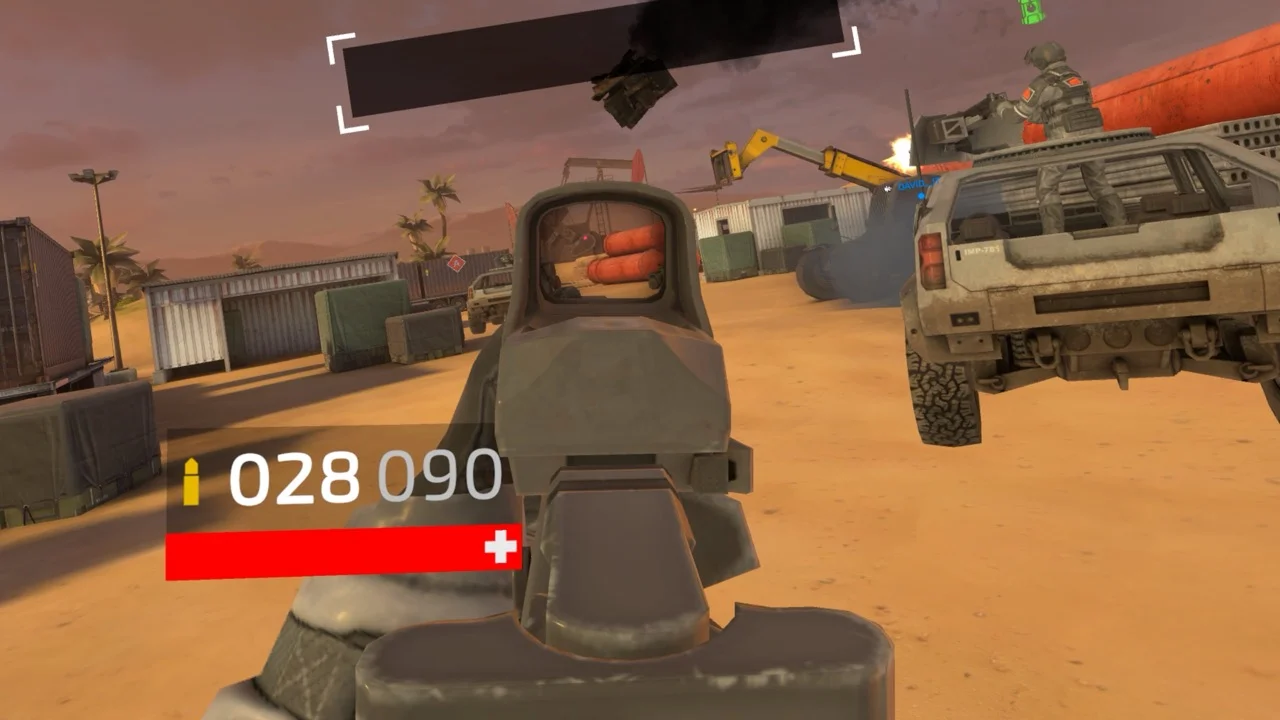
Shooting feels great, especially once you start unlocking attachments. A basic rifle can feel a little loose at first, but throw on a grip, optic, or laser and the whole thing tightens up nicely. Forefront understands that VR shooting needs feedback, readability, and physical rhythm. Aiming down sights, tracking targets, snapping between cover, and reloading under pressure all feel good enough that I kept wanting one more match.
Progression also works because it is simple. You play, get kills, earn XP, level up, unlock new weapons, then unlock attachments for those weapons. It is not trying to bury the shooter under layers of currencies and fake complexity. The reward loop is clean, and because the core shooting is already strong, chasing the next grip or optic feels worthwhile.
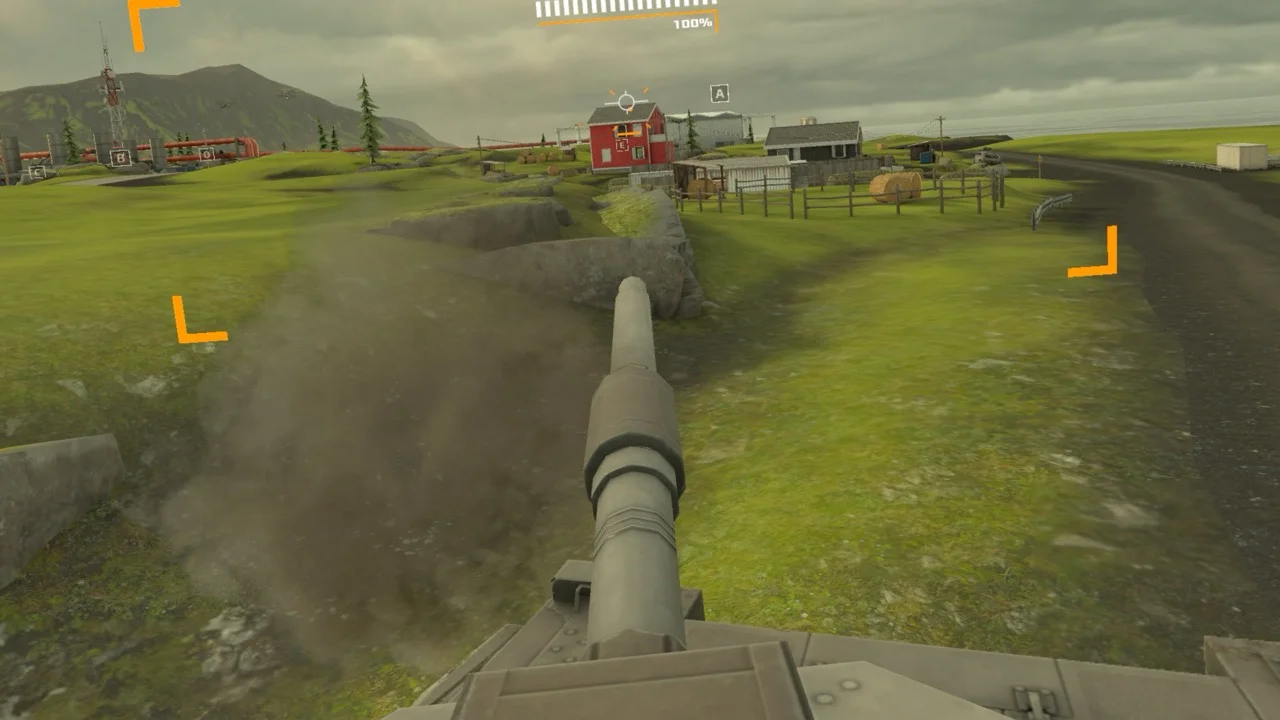
Vehicles are another huge part of why Forefront feels special. Tanks are powerful, ATVs and jeeps are fast and useful, and the helicopters are surprisingly easy to fly. You can use the analog sticks, or you can grab the in-game flight sticks that were added with the 1.0 update. That small touch makes flying feel much more natural in VR, and when a good pilot is circling the map, the whole match changes around them.
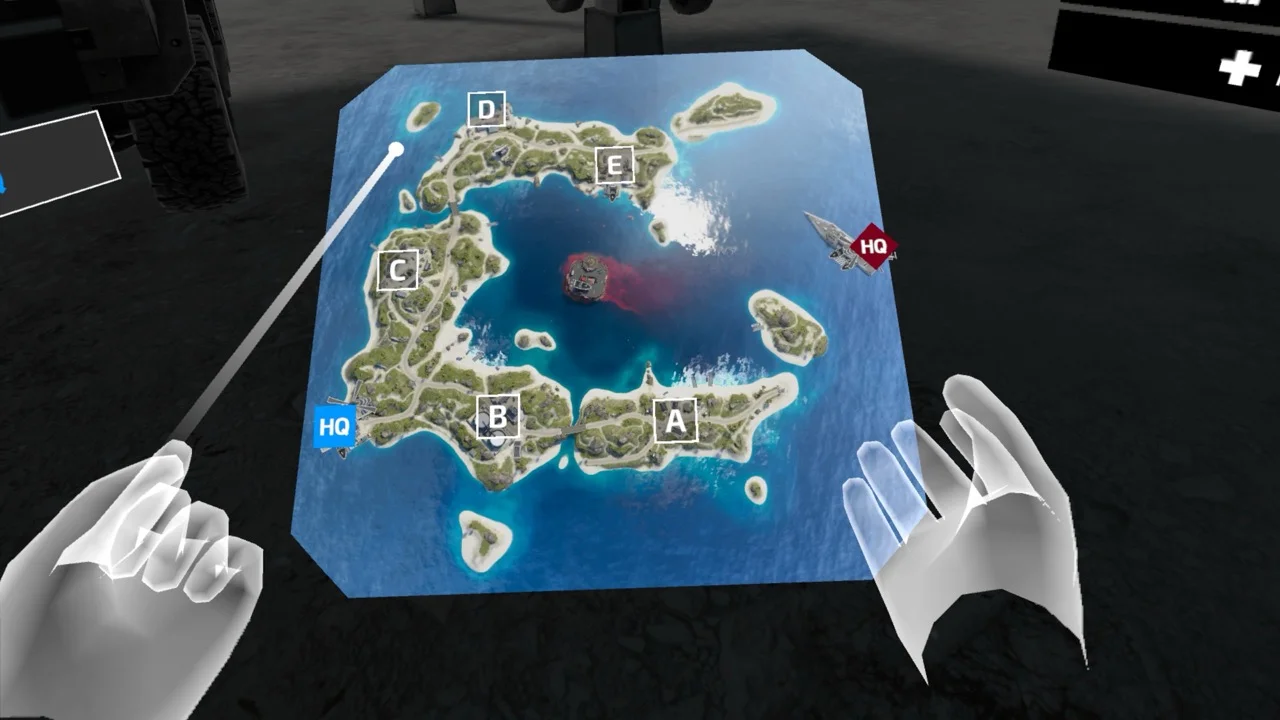
That is also where some of the balance problems start. Vehicles respawn too quickly right now. Blow up a tank, LAV, or helicopter and it feels like another one is back in the fight almost immediately. That constant vehicle presence keeps the match exciting, but it also means infantry rarely gets a moment to breathe. The helicopter balance is the biggest issue. On some maps, especially the island map, an Apache and a Minibird can basically lock down the spawn point and make the other team miserable.
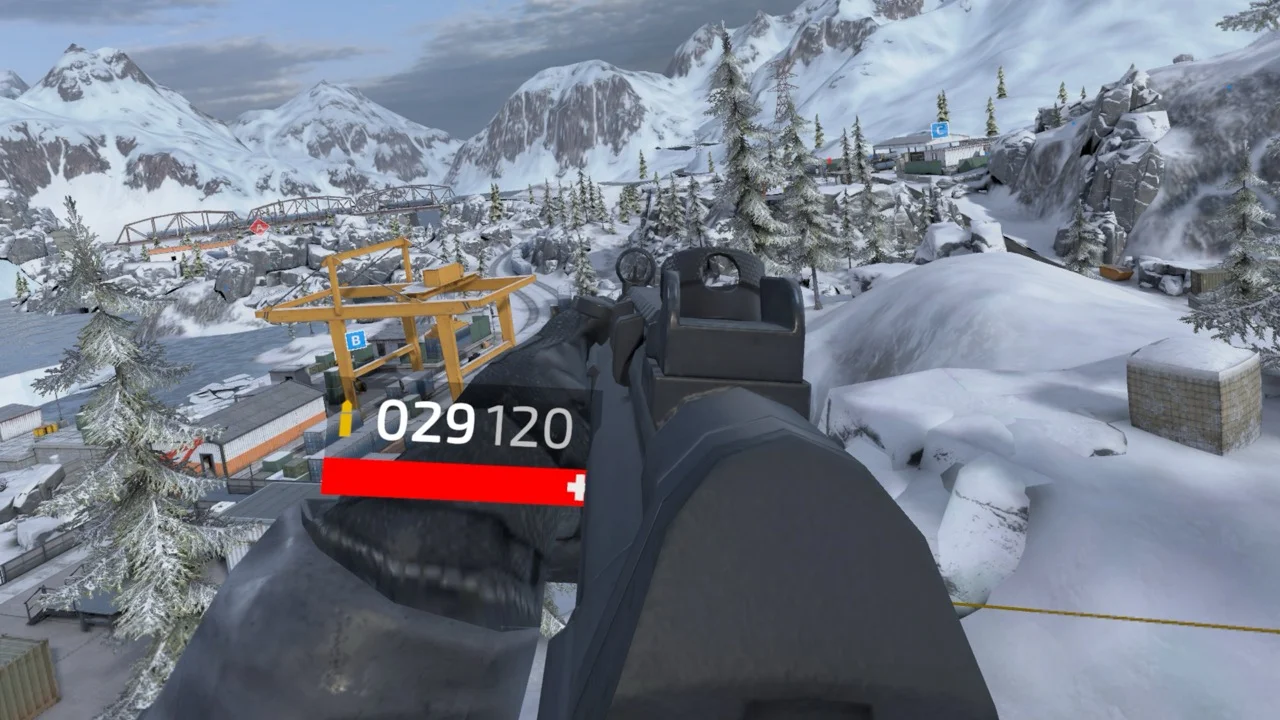
The counters exist, but they do not feel tuned enough yet. You can try to hit helicopters with an RPG, or use the lock-on launcher and hope the pilot does not have flares ready. The problem is that flare cooldowns feel too generous. By the time you reload and lock on again, the pilot often has another set ready. Maybe this improves when more players stop messing around with the newest toys like the drone and actually focus anti-air, but right now helicopters can dominate too easily.
There are also some VR interaction choices that feel more limiting than they should. You can only hold one weapon or item at a time. If your assault rifle runs dry and you want to keep it in your off-hand while grabbing your pistol, you cannot. That sounds small on paper, but in VR it feels off because your body expects to solve that situation naturally. Letting players juggle a primary and secondary physically would make close fights feel much better.
Grenades and C4 are awkward too. Grenades use the left hand for aiming while throwing with the right, which never felt intuitive to me. C4 is even stranger because you detach it and throw it with the left hand. These interactions are not game breaking, but they are exactly the sort of little friction points that stand out more in VR than they would in a flat shooter.
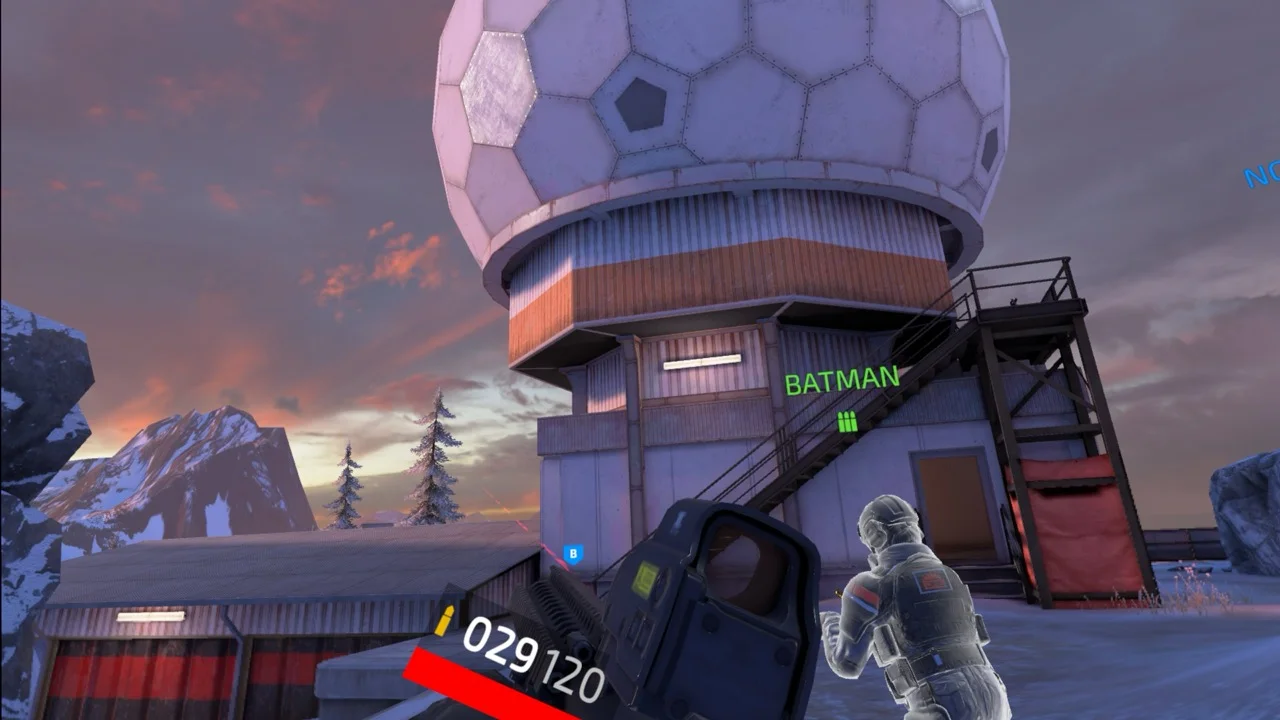
The bigger competitive issue is awareness. Forefront currently gives you very little situational information. There is no proper minimap, no compass, and no useful way to quickly read what is happening around you beyond what you can physically see. That works for immersion, but not always for a shooter this chaotic. A tablet or wrist-mounted tactical map could fit VR perfectly, giving you objective information, teammate positions, and maybe spotted enemy dots without turning the interface into a flat HUD.
Sound needs work too. Footsteps are basically missing, and that hurts close-range fights. If you are holding an objective, you often have no idea whether an enemy is sprinting around the corner until they are already in front of you. A lot of encounters come down to who visually catches who first, and that does not feel great in a competitive shooter. Proximity voice chat is awesome and adds a lot to the battlefield feeling, but I also wish the game showed who was talking in-world. Opening the scoreboard just to figure out whether a voice is friendly or enemy breaks the flow.
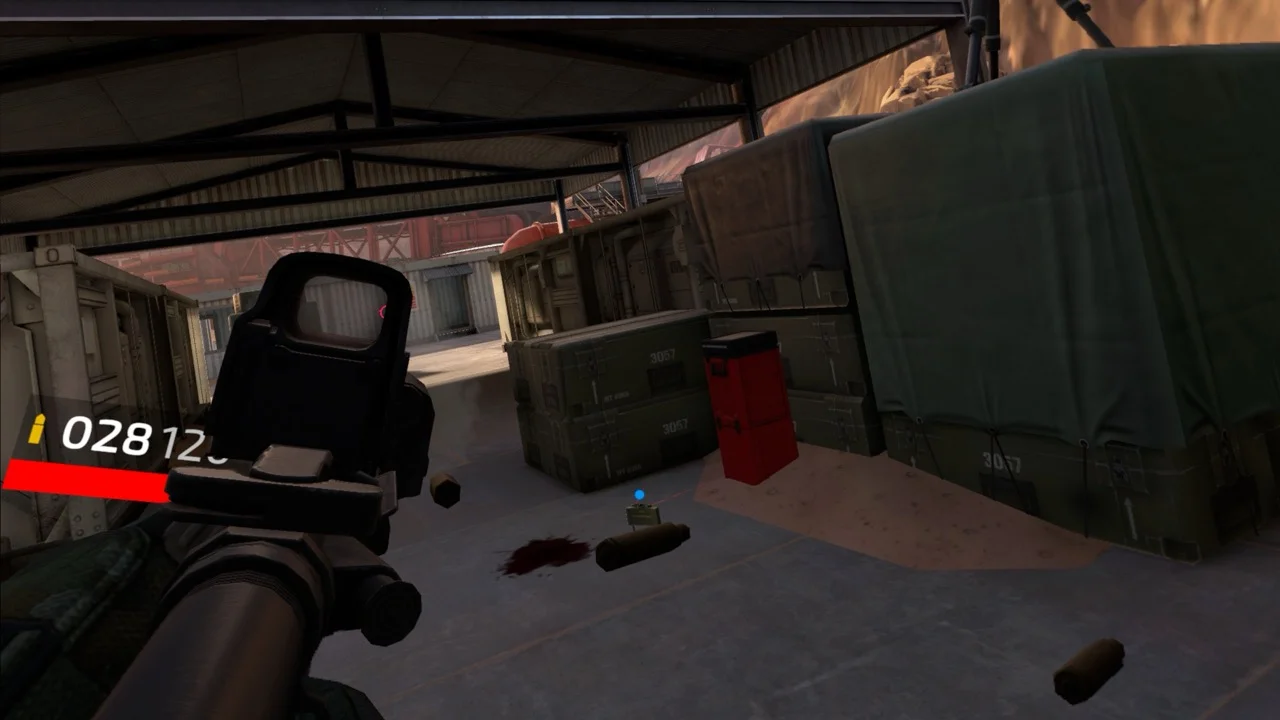
Forefront is also buggy in the way big multiplayer VR games often are at launch. I ran into invisible players, character models that did not disappear after death, muzzle flashes stuck in the world, and guns that seemed to be firing full auto visually and audibly even when I was not actually shooting. None of this ruined the game for me, but it does make the 1.0 release feel like a foundation that still needs polish.
And that is really the story of Forefront right now. The foundation is so good that the problems become more frustrating because you can see how close it is to being something truly special. The match scale works. The shooting works. The classes work. The vehicles work. The destruction works. The Quest 3 performance is honestly kind of crazy considering what is happening on screen. It is already an 8 or 8.5 level of fun, and that is before the rough edges get sanded down.
If the developers tighten vehicle cooldowns, rebalance helicopter counters, improve audio awareness, add better tactical information, clean up the hand interactions, and squash the launch bugs, Forefront could become the best shooter experience in VR. Not just one of the best multiplayer shooters on Quest. The best VR shooter, period.
Right now, it is already easy to recommend if you want large-scale VR multiplayer and you have any affection for Battlefield-style chaos. It is rough, yes, but it is also bold, playable, exciting, and weirdly impressive every time the match turns into complete nonsense around you. Forefront gets the hard part right. Now it just needs the polish to match its ambition. Thanks for reading!
If you enjoyed this one, read our VAIL review and Galaxy Kart VR review next.