Ready or Not is a brutally authentic tense, methodical, and unforgettable tactical shooter that turns every doorway into a threat and every decision into a life-or-death gamble
There are shooters that make you feel powerful, and then there are shooters that make you feel afraid. Ready or Not firmly belongs in the second category, and that is exactly why it is so special. This is not a game about spectacle, heroic set pieces, or scripted explosions. It is about pressure, uncertainty, and the constant awareness that one bad decision can end everything in a split second.
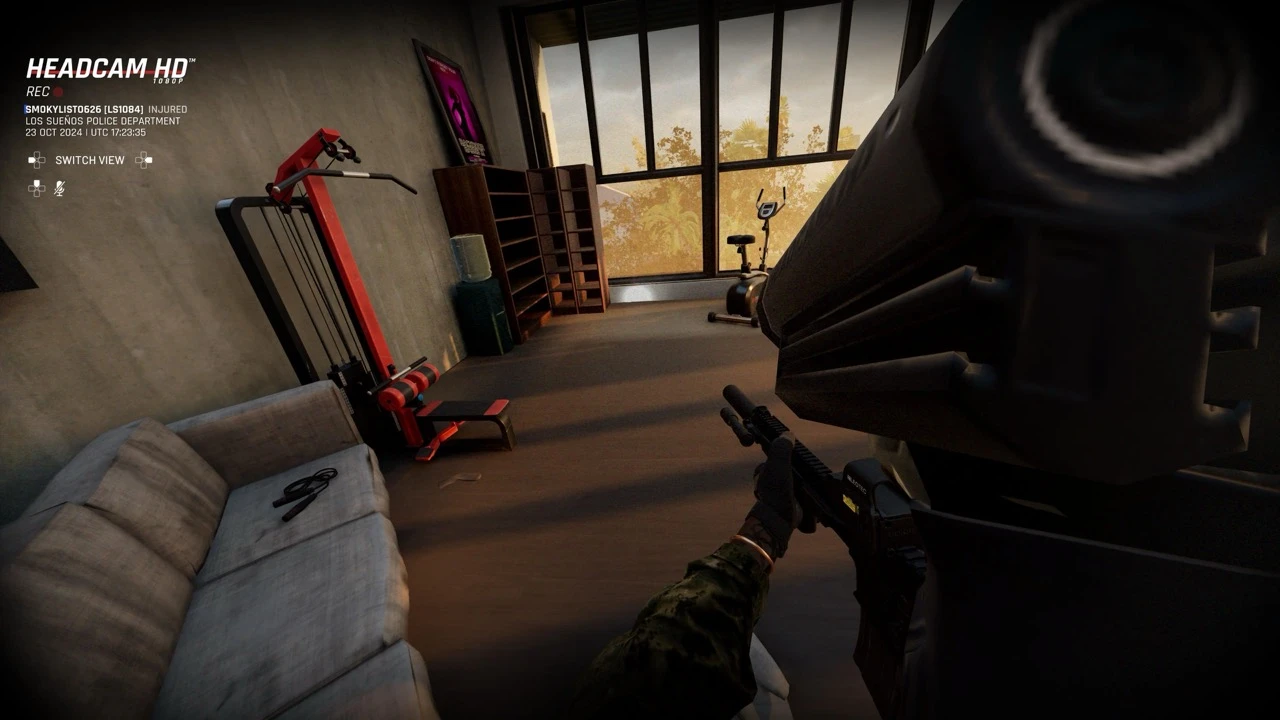
I adore this game. I am the kind of player who loves playing Call of Duty campaigns on Veteran difficulty, not for bragging rights but because it forces discipline. You slow down, you take cover, you clear corners, you fire in controlled bursts instead of spraying bullets. Ready or Not takes that mindset and pushes it far beyond anything I have experienced on PS5. It strips away power fantasy and replaces it with something far more intense, responsibility.
There is no traditional overarching narrative here. You are not following a single villain, there are no cinematic interludes explaining motivations. Instead, each mission tells its own self-contained story, and it does so almost entirely through environment and context.
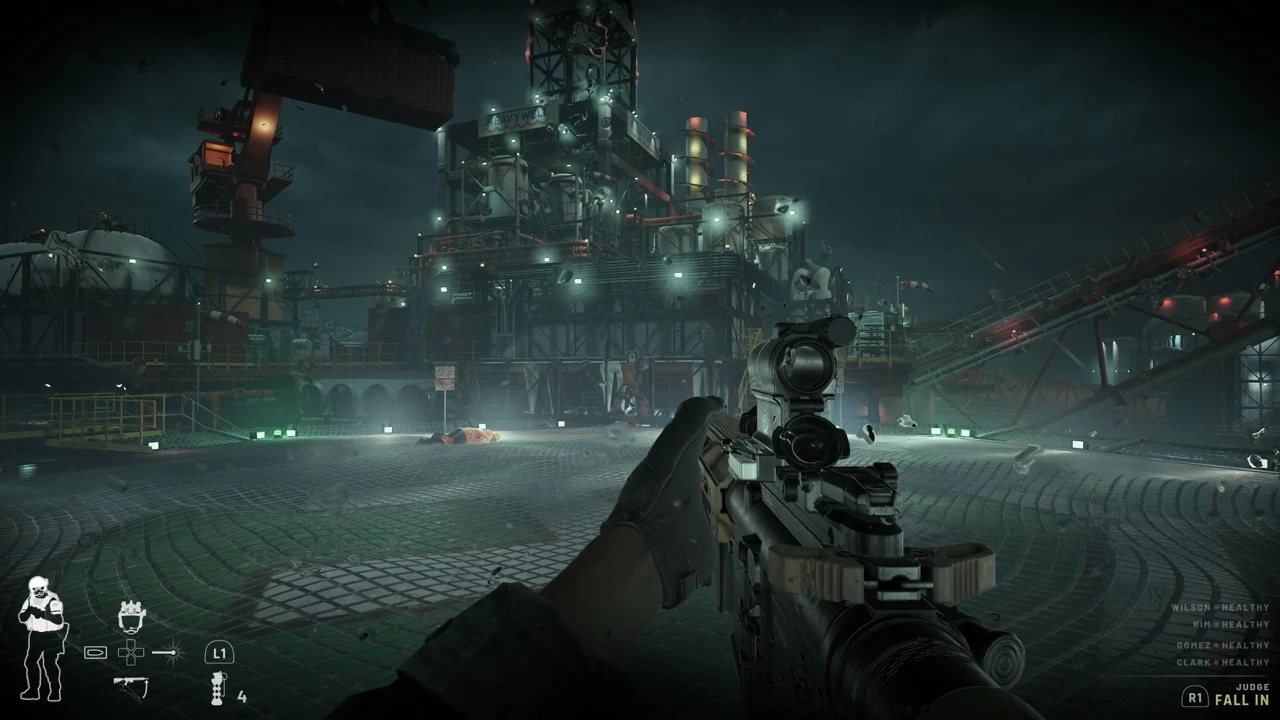
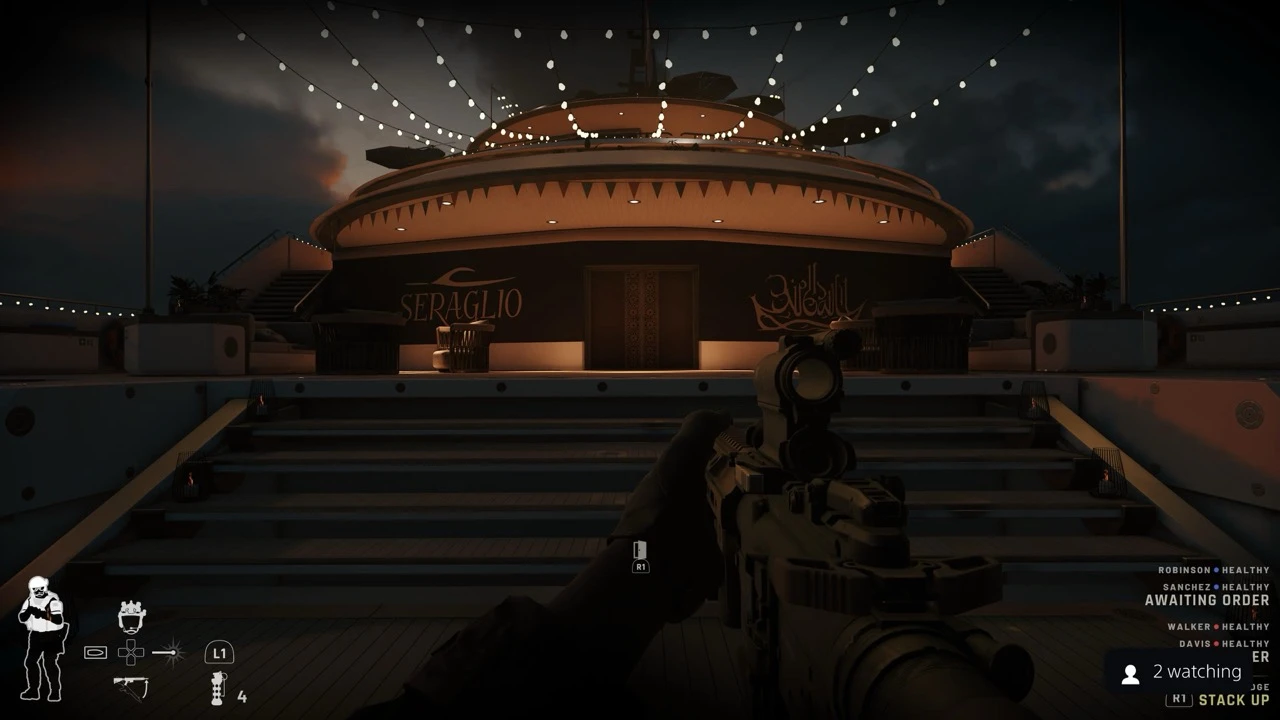
Every location feels like a crime scene frozen in time. You start a mission with a briefing, clear objectives, and very little information beyond what law enforcement would realistically have. From there, the story unfolds as you move through the space. A luxury yacht slowly reveals itself as a sex trafficking operation. A massive oil rig turns into a horrifying live-streamed execution site. A cultist compound exposes abuse, imprisonment, and radical belief systems. A postal warehouse quietly hints at large-scale gun smuggling once you start piecing together what you see.
What makes this approach so effective is restraint. The game never stops to explain things to you. You notice details because you are paying attention, because you are moving slowly, because your survival depends on awareness. Documents, room layouts, improvised living spaces, locked doors, hidden areas, all of it feels intentional. These are not videogame levels, they feel like real places where terrible things happened.
That “show, don’t tell” philosophy is carried through every mission, and it gives the game a grounded, almost uncomfortable sense of authenticity.
At its core, Ready or Not is a methodical, unforgiving tactical shooter. Even on Standard difficulty, mistakes are punished immediately. On Hard, especially when playing solo, the game feels borderline impossible, and I say that as a compliment.
There is no running and gunning here. You move slowly, deliberately. You lean around corners, crouch through doorways, check angles, and think twice before every breach. Kick in the wrong door and you might eat a shotgun blast to the face. Rush up a staircase without checking above and you are dead before you can react. Open a door carelessly and you might trigger a booby trap that ends the mission instantly.
The fear this creates is real. Genuinely real. I have played plenty of horror games that rely on scripted scares, loud noises, or grotesque imagery. Ready or Not is scarier than most of them because the danger is systemic. You never know what is waiting on the other side of a door. An armed suspect, a panicked civilian, a knife-wielding attacker sprinting at you, or a tripwire attached to a grenade. Every corner is a question mark.
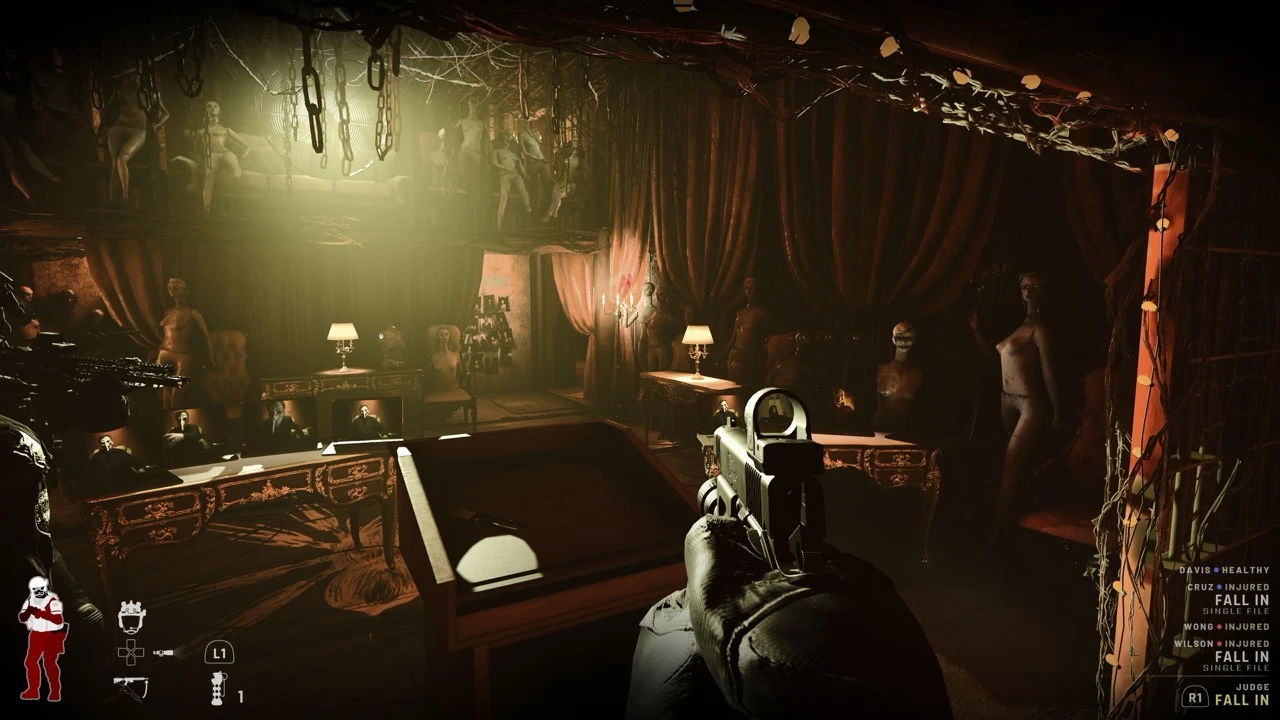
Gunfights are fast and brutal. Enemies go down in a few shots, sometimes just one well-placed round. Headshots matter. Suppression matters. Positioning matters. If you treat it like a standard shooter, the game will chew you up and spit you out.
What elevates it even further is the non-lethal side of combat. Suspects can be wounded, disarmed, blinded, or overwhelmed into surrendering. Flashbangs, pepper spray, tasers, and non-lethal launchers are not gimmicks, they are essential tools. That moral and mechanical tension is always present.
I played the entire game solo. Not because the game pushes you that way, but because I did not want to jump into matchmaking with random players, at least not on my first run. What surprised me most was just how good the AI teammates are.
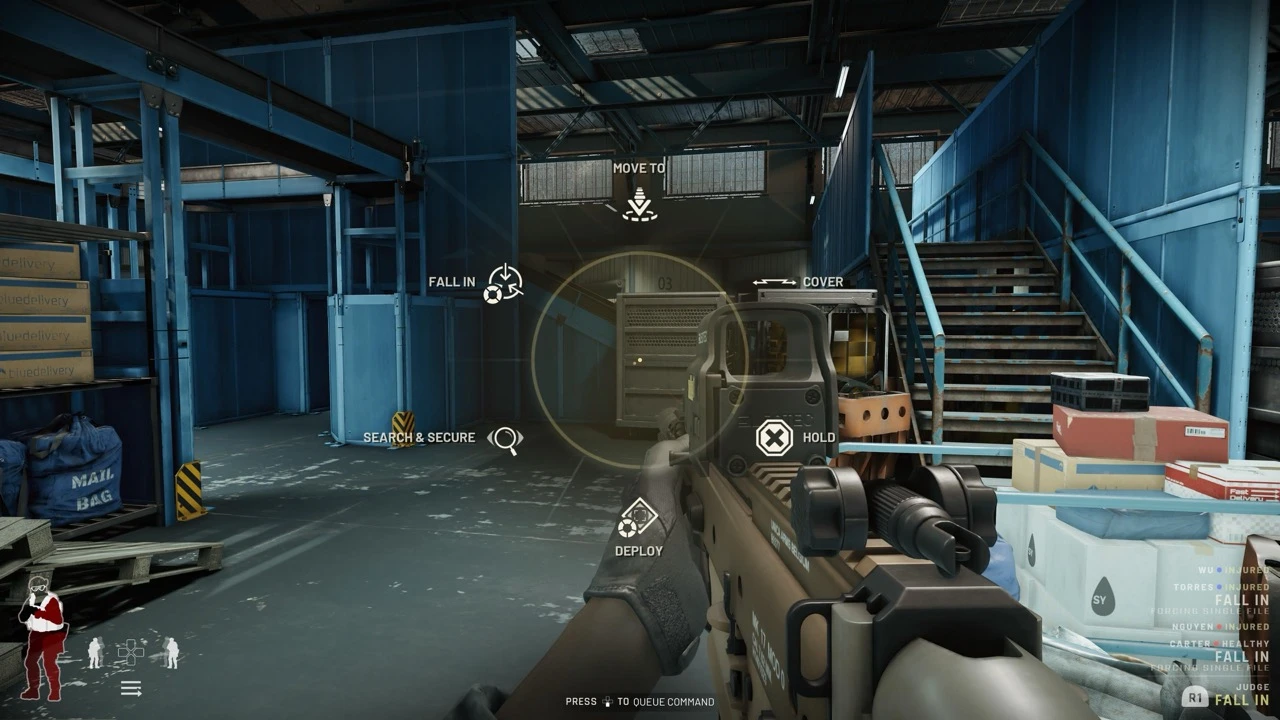
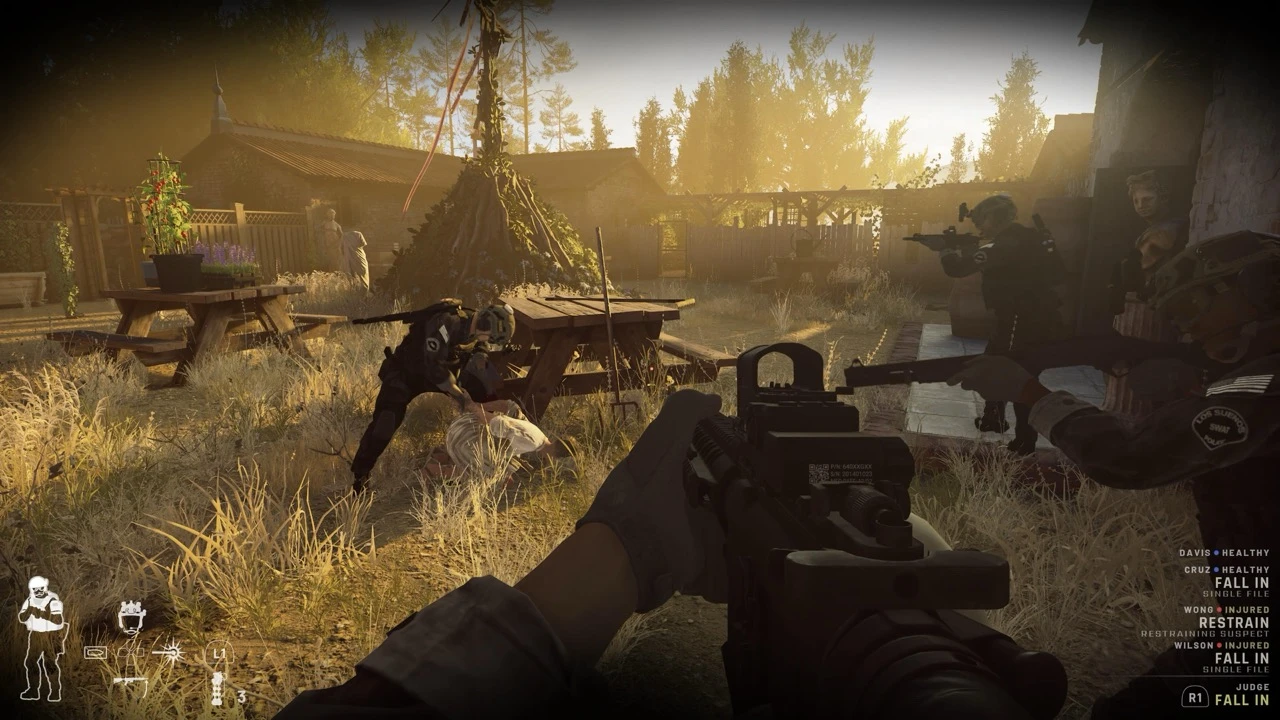
You have near-total control over your squad through a clean and intuitive radial command system. You can order them to stack up on doors, clear rooms, breach with a shotgun, lockpick silently, place explosive charges, or throw flashbangs before entry. You can tell them where to position themselves, who covers which angle, and when to move.
What makes this impressive is not just the commands themselves, but how the AI executes them. They move with purpose. One or two operators will cover your back while the rest prepare to breach. They communicate constantly, calling out contacts, reporting civilians, and reacting dynamically to threats. In firefights, they are deadly accurate and reliable.
That said, they are not invincible. If you push too aggressively or get surrounded by multiple shooters, they can and will go down. When that happens, you feel it immediately. Losing a teammate changes the entire flow of a mission. Angles are left uncovered, pressure increases, and the margin for error disappears.
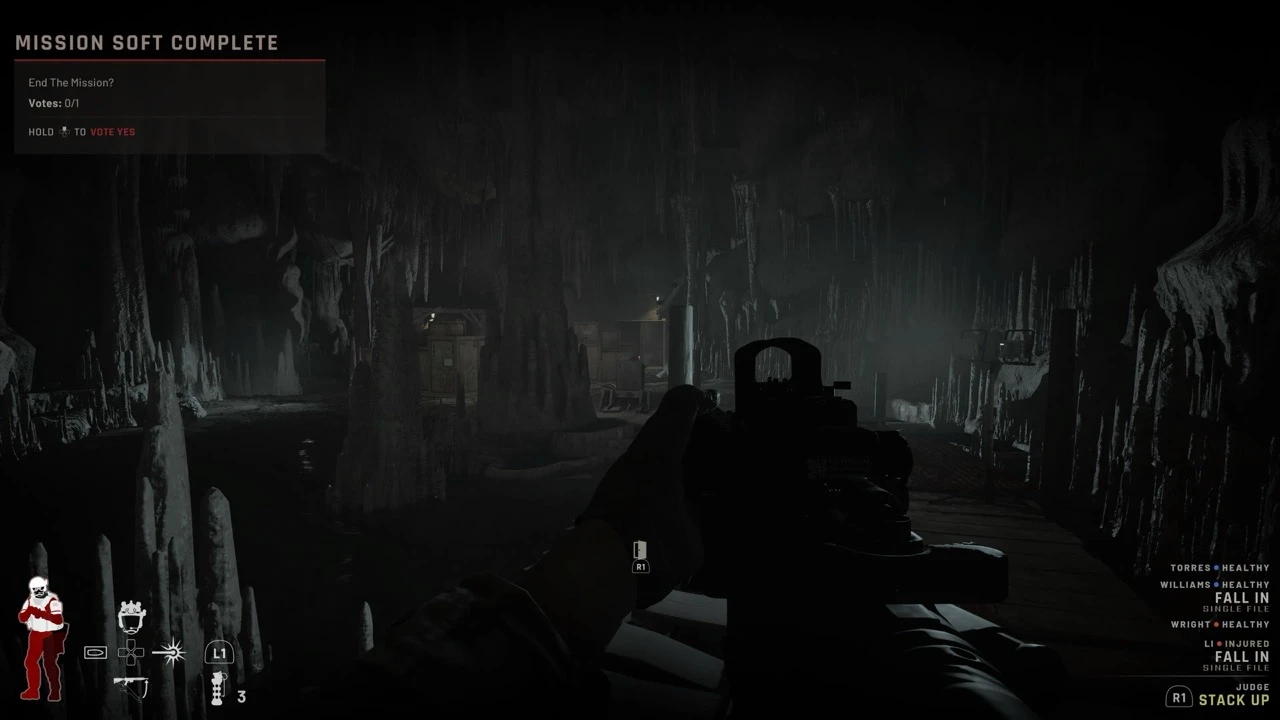
Between missions, the game tracks your team’s mental state. Operators can become stressed, anxious, or shaken based on how previous missions went. Bringing a stressed operator into the next mission affects their performance. You can rotate them out, manage your roster, or hire new operators if someone dies.
There is also a light progression system where operators unlock skills over time. To be honest, these upgrades never felt particularly impactful, and losing an operator does not come with heavy long-term penalties since replacements are easy to hire. Mechanically, the system could have been deeper. Emotionally though, it still works. You feel bad when someone dies, even if the game systems recover quickly.
One of the most striking realizations while playing Ready or Not is just how large real places actually are. The game refuses to funnel you down a “golden path” the way most shooters do.
Take the hospital level. This is not a short sequence through a few corridors. It is a full, multi-story hospital with countless rooms, wards, stairwells, and hidden corners. You have to clear everything. Every room matters because suspects and civilians can spawn anywhere, and their positions change with each run.
The same philosophy applies to smaller locations too. A fast food restaurant is not just the dining area and kitchen. There are bathrooms, storage rooms, staff areas, offices upstairs, and back corridors. A nightclub is not just a dance floor, but a maze of hallways, VIP areas, staircases, and hidden spaces that make navigation genuinely disorienting.
This level of detail forces you to think spatially. You are not memorizing enemy placements, you are learning the layout of a real space and adapting to it. It is exhausting in the best possible way.
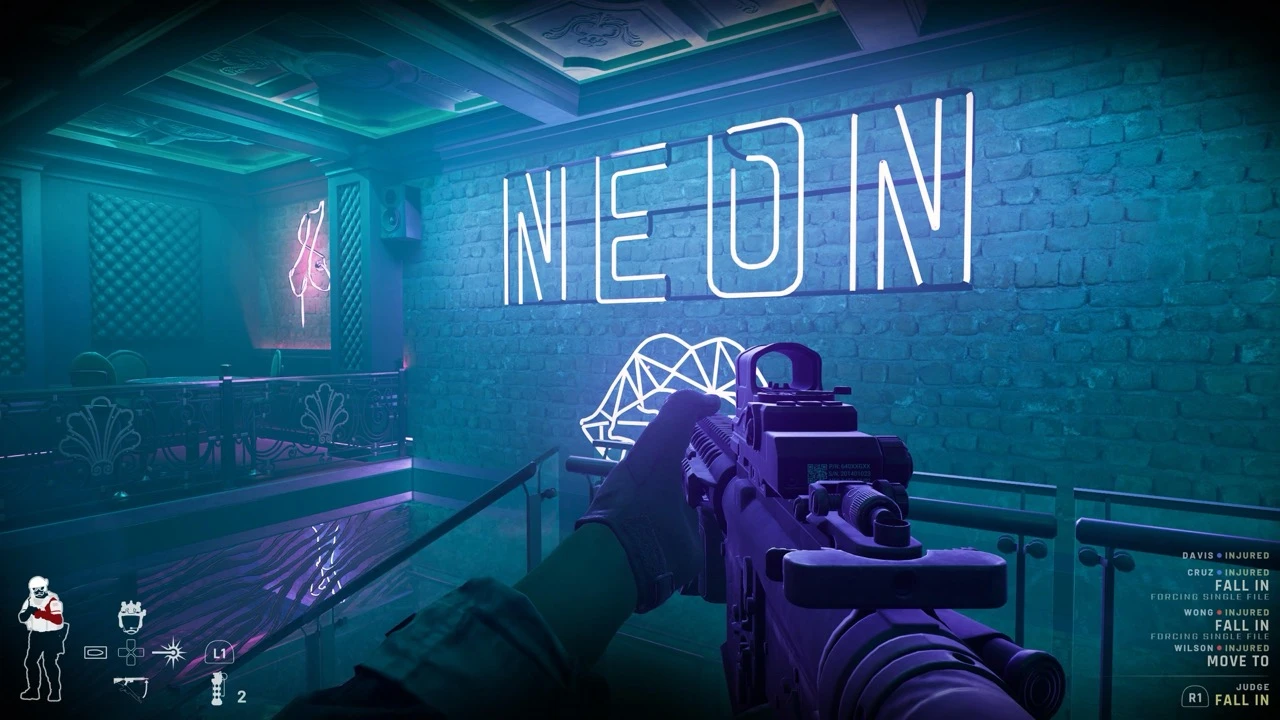
The Neon Club mission deserves special mention. It is loud, chaotic, confusing, and deeply unsettling. Music thunders through the building, gunshots echo unpredictably, and the maze-like structure makes it incredibly difficult to track threats. It might be my favorite level in the game, not just for its design, but for how powerfully it depicts the horror of a mass shooting scenario without sensationalizing it.
Mechanically, the shooting feels perfect. Weapons have weight. Recoil is believable. Firing in single shots or controlled bursts is not just viable, it is often necessary. There is no bullet sponge design here, both you and your enemies are fragile.
The sound design is phenomenal. Gunshots crack and echo realistically through corridors and open spaces. Suppressed weapons still sound threatening. Flashbangs disorient you just as much as they disorient enemies. After a firefight, there is often a moment of eerie silence that feels earned.
Playing with a headset is almost mandatory. Audio cues matter constantly. Footsteps, voices, doors opening somewhere nearby, all of it feeds into your decision-making.
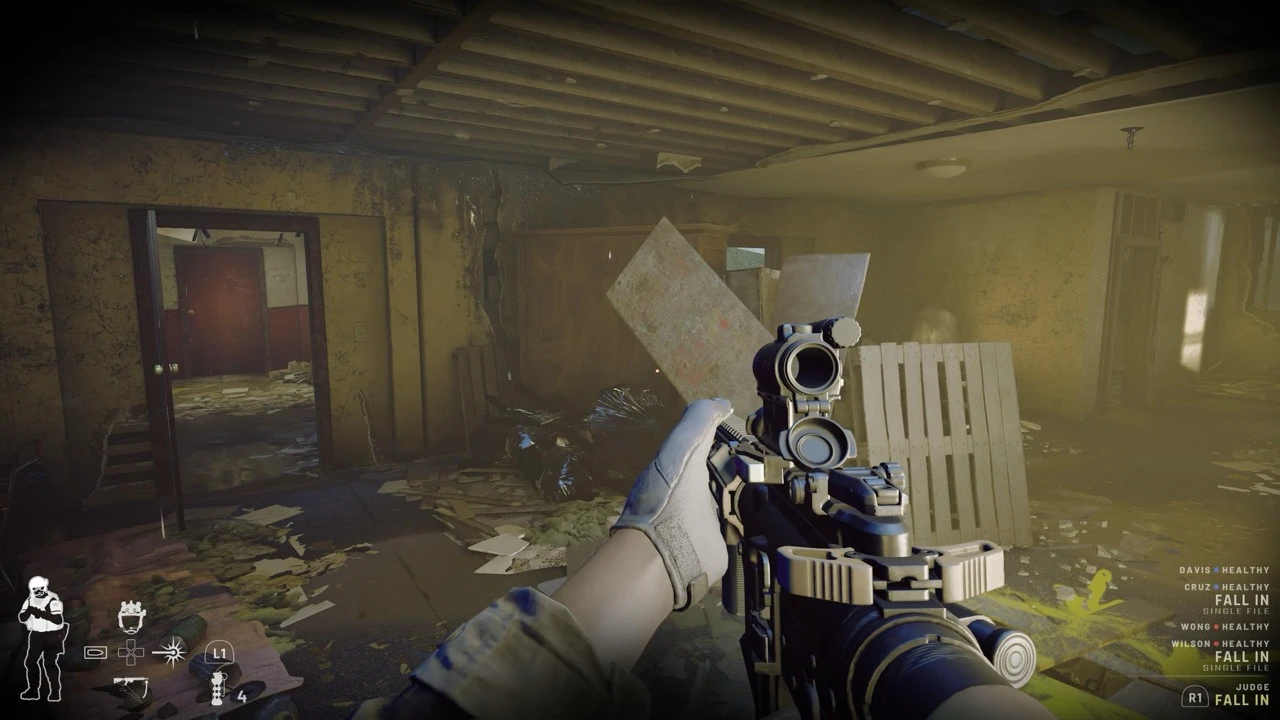
I streamed my entire playthrough on Standard difficulty and attempted Hard multiple times. I did not complete a single mission on Hard, and I loved every second of trying. This is a game that does not bend to you. It demands patience, discipline, and respect for its systems.
Ready or Not is not for everyone. If you want fast action, power fantasy, and constant stimulation, this is not it. But if you love tactical shooters, if you enjoy being scared by uncertainty rather than cheap tricks, and if you appreciate games that trust the player to slow down and think, this is something truly special.
I have never experienced anything like this on PS5. Ready or Not is a masterpiece. Go buy it. Thanks for reading!
See where Ready or Not ranks among the best PS5 games of 2026.
If you enjoyed this one, read our Beholder: Conductor review and Crysis Remastered Trilogy PS5 review next.