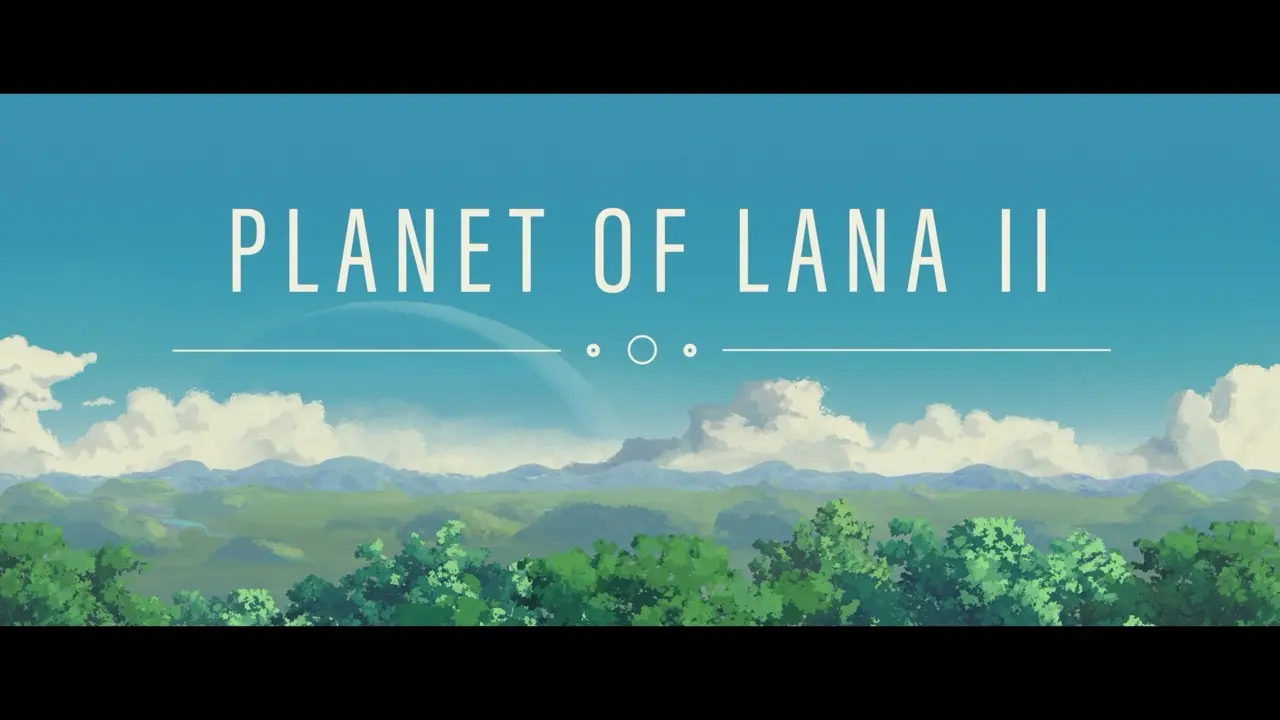
Planet of Lana 2 is still one of the prettiest puzzle-platformers around, but the story never fully lands even when the moment-to-moment play does
I still remember my first time with Planet of Lana, and what stuck with me was mostly the look of it. The landscapes were incredible, the movement looked like a painting in motion, and that mechanical spider chase sequence burned itself into my memory. What did not stick was the story. Not because it was bad, but because it was told in such a minimal way that once the credits rolled, a lot of the details just faded. I remembered the feeling, I did not remember the specifics.
Planet of Lana 2: Children of the Leaf follows that exact same design philosophy, just bigger and more polished. It is still a side-scrolling cinematic puzzle-platformer where you guide Lana and Mui through gorgeous environments while solving environmental puzzles and staying one step ahead of danger. If you liked the first game for its atmosphere, this sequel gives you more of it. If you wanted a more explicit story with stronger character setup and payoff, this sequel still keeps things at a distance.
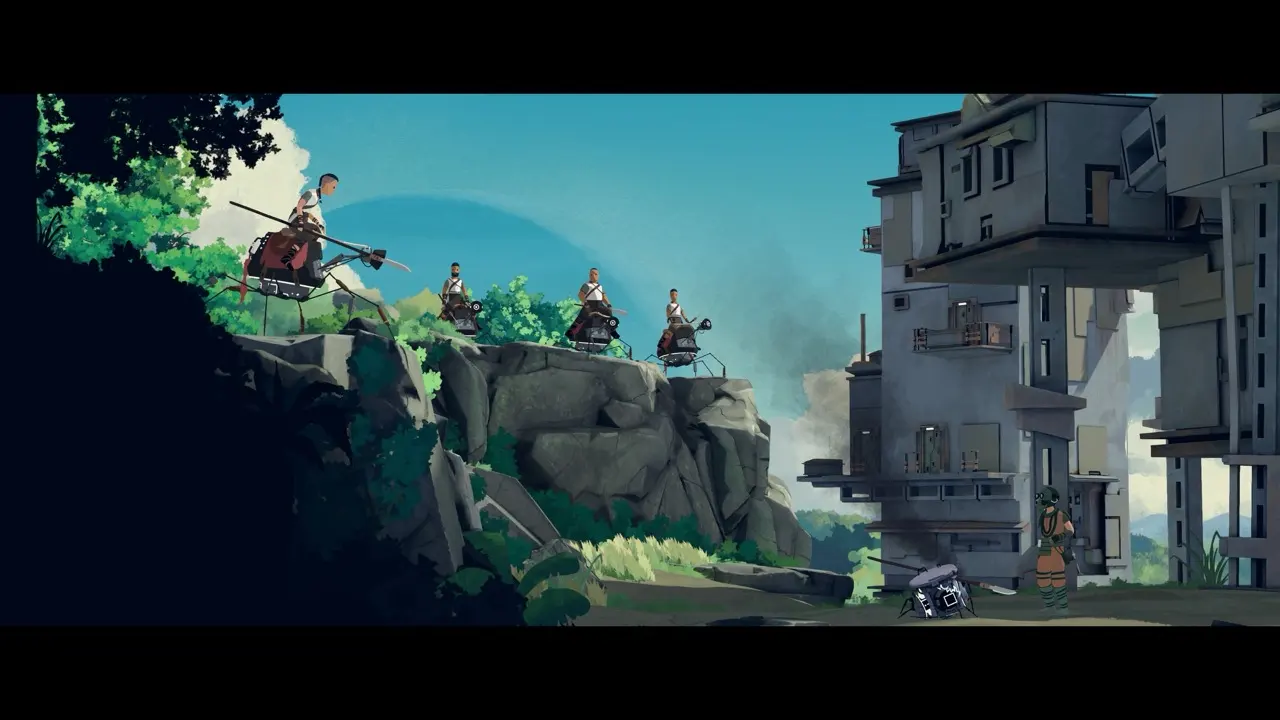
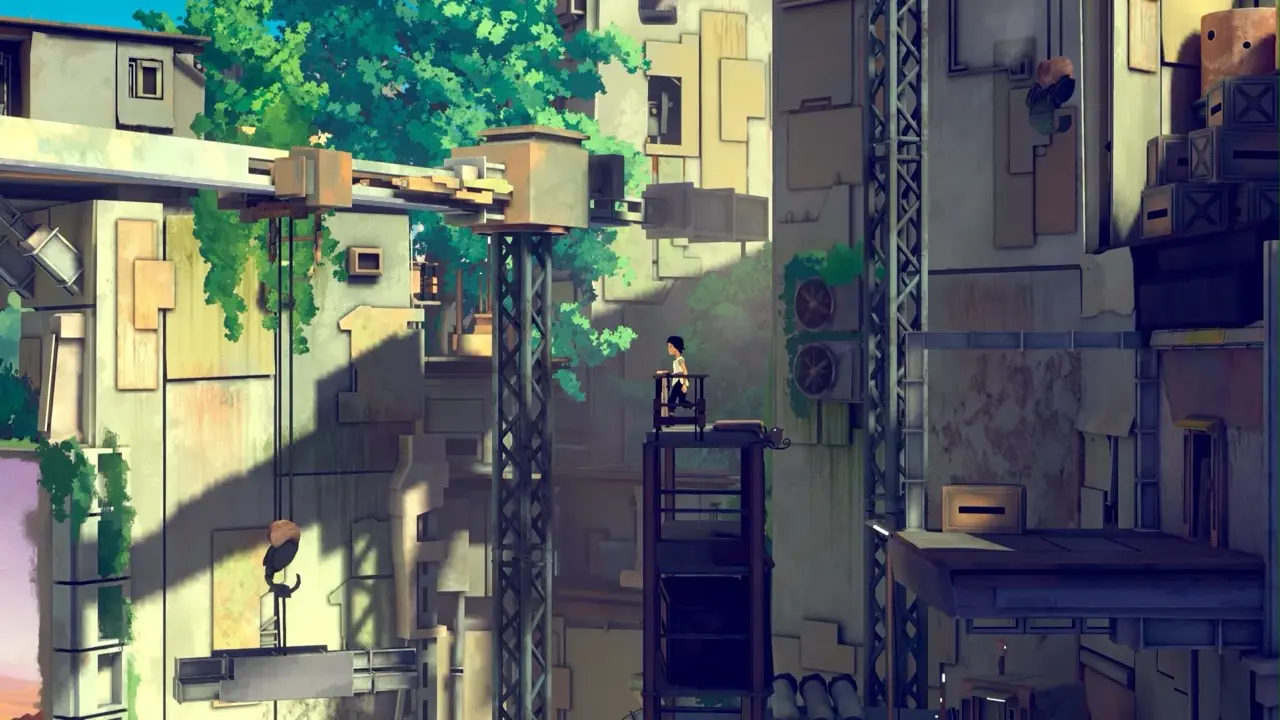
The world design is easily the game’s biggest win. The original already had strong art direction, but this one pushes variety much harder. You move through snowy mountains, lush forests, abandoned industrial zones, and massive city spaces that feel both ancient and futuristic. Every biome has a clear visual identity, and transitions between them are paced well enough that the adventure keeps feeling fresh over its runtime.
On a technical level, PS5 is a great place to play it. Performance is stable, load transitions are fast, and the overall image quality really helps the painterly style shine. Lighting looks better than before, environmental detail density is higher, and character animation has more nuance. Lana in particular feels more alive through subtle movement changes, like how she shifts her weight during traversal or reacts to nearby hazards. It is one of those sequels where art and animation teams clearly leveled up.
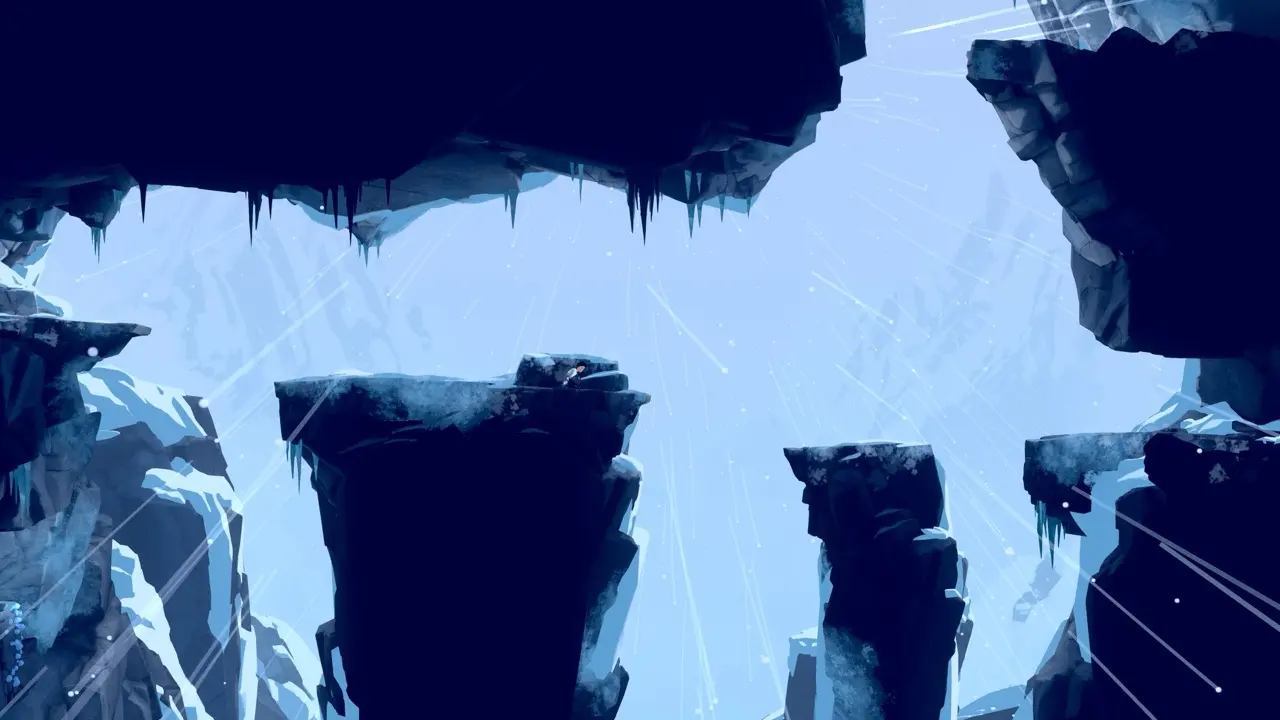
Gameplay at a high level is familiar, run, climb, sneak, solve puzzles, repeat. The core loop still relies on observation, timing, and cooperation with Mui rather than combat. There is no major combat system here, and honestly that still fits the tone. The game is more about getting through dangerous spaces with clever use of mechanics than about fighting your way through.
Where the sequel improves things is in movement and companion control. Lana has an expanded moveset this time, with wall jumps, run-slides, and more fluid traversal chains that make platforming feel less stiff. The difference is not revolutionary, but it matters in practice. Levels are built to take advantage of these upgrades, so navigation feels faster and a little more expressive than the first game.
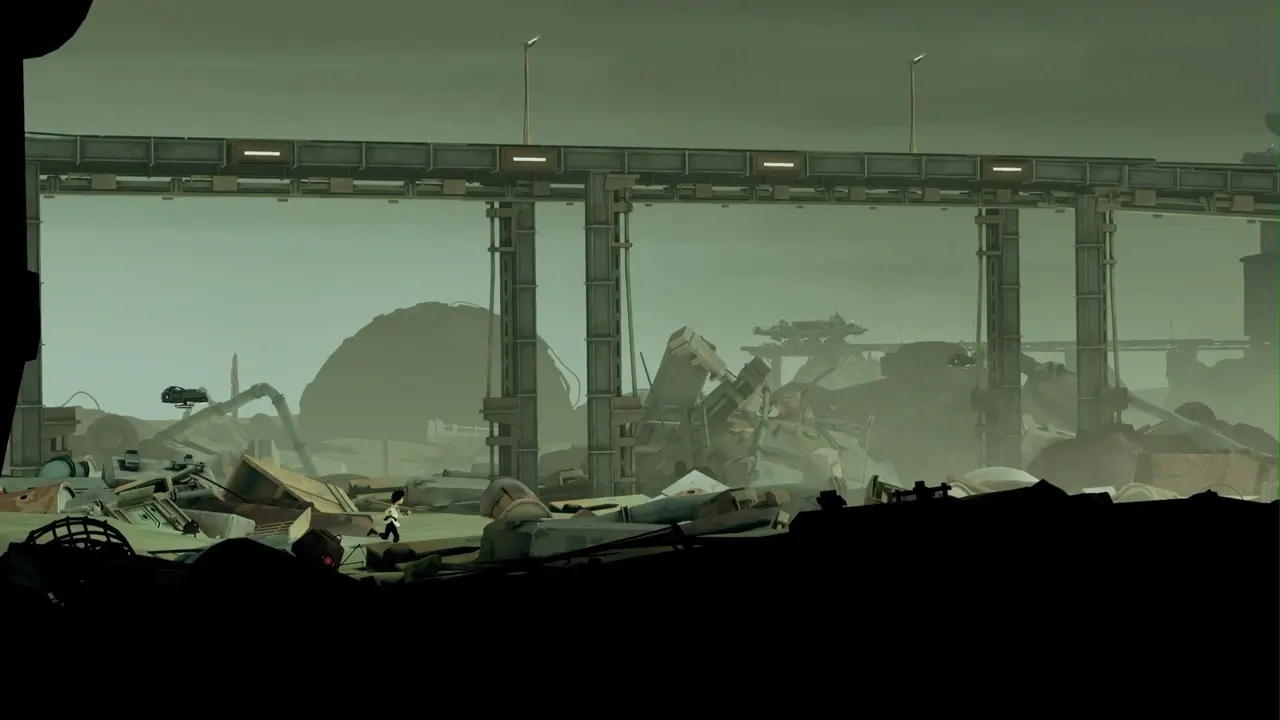
The biggest gameplay change is Mui. You can now direct Mui more precisely and use it as a fully integrated problem-solving partner rather than just a contextual helper. Mui can disable generators with an EMP-like ability, access spaces Lana cannot reach, and interact with systems that open up puzzle paths. This makes puzzle design more layered, because the game asks you to think about two characters operating in tandem instead of just one.
The coolest part is how Mui can connect with other creatures and systems in the world. Some sequences let you control a fish-like creature that releases a blinding cloud to protect Lana during underwater traversal. Others involve fluffy rolling creatures that stick to surfaces and leave a flammable trail you can ignite to clear obstacles. There are also moments where you leap Mui onto flying drones, disable them, then have Lana hack and remotely use them. These are simple ideas on paper, but the game combines them in ways that keep puzzles interesting without becoming exhausting.
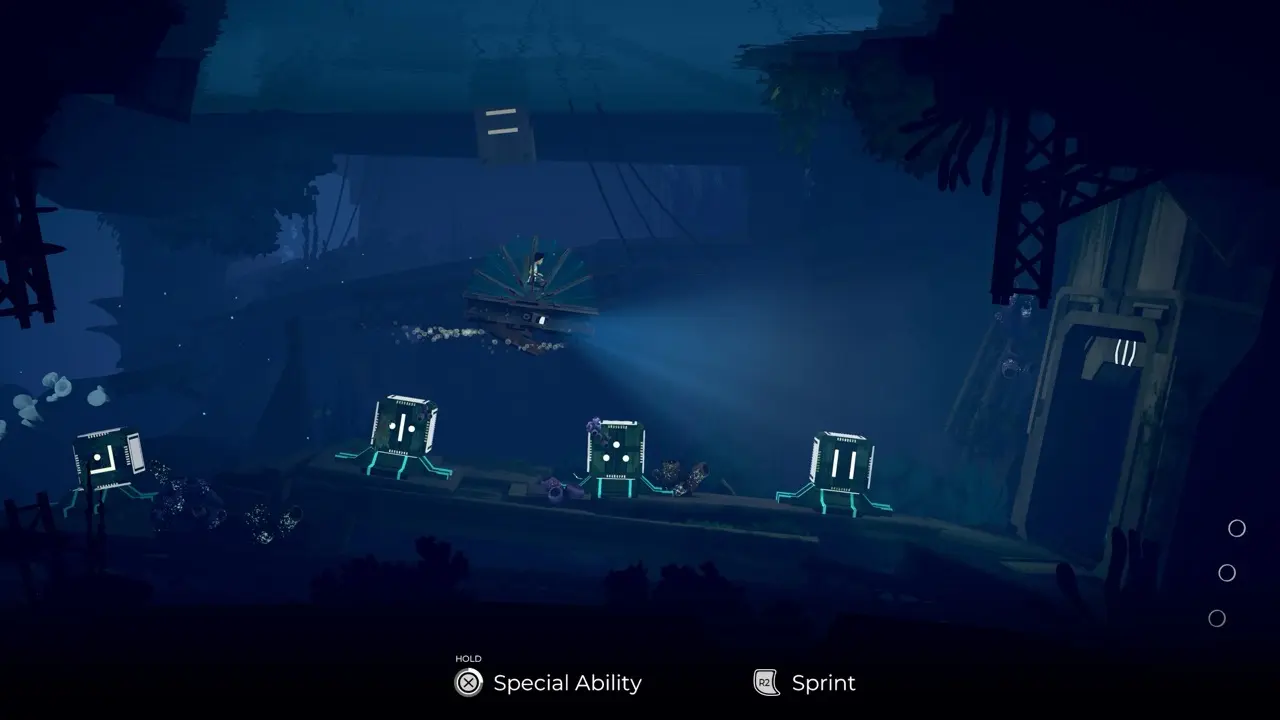
Enemy encounters still focus on evasion and brief disruption. Mechanical spiders return, and while there is no direct combat, you can temporarily disable them and sprint through openings. It works well for tension, especially when a sequence stacks movement, timing, and companion commands under pressure. There is also a boss fight that looks cool and breaks pacing at the right time, though mechanically it remains straightforward.
That said, the game generally stays on the approachable side in terms of challenge. Puzzles are smarter than before, but they rarely become truly difficult. If you are used to harder puzzle-platformers, you might solve most scenarios quickly. For this series, that feels intentional, the focus is flow and momentum, not prolonged friction. Whether that is a positive depends on what you want. I enjoyed the rhythm, even if I wanted one or two late-game puzzle spikes that really forced deeper thinking.
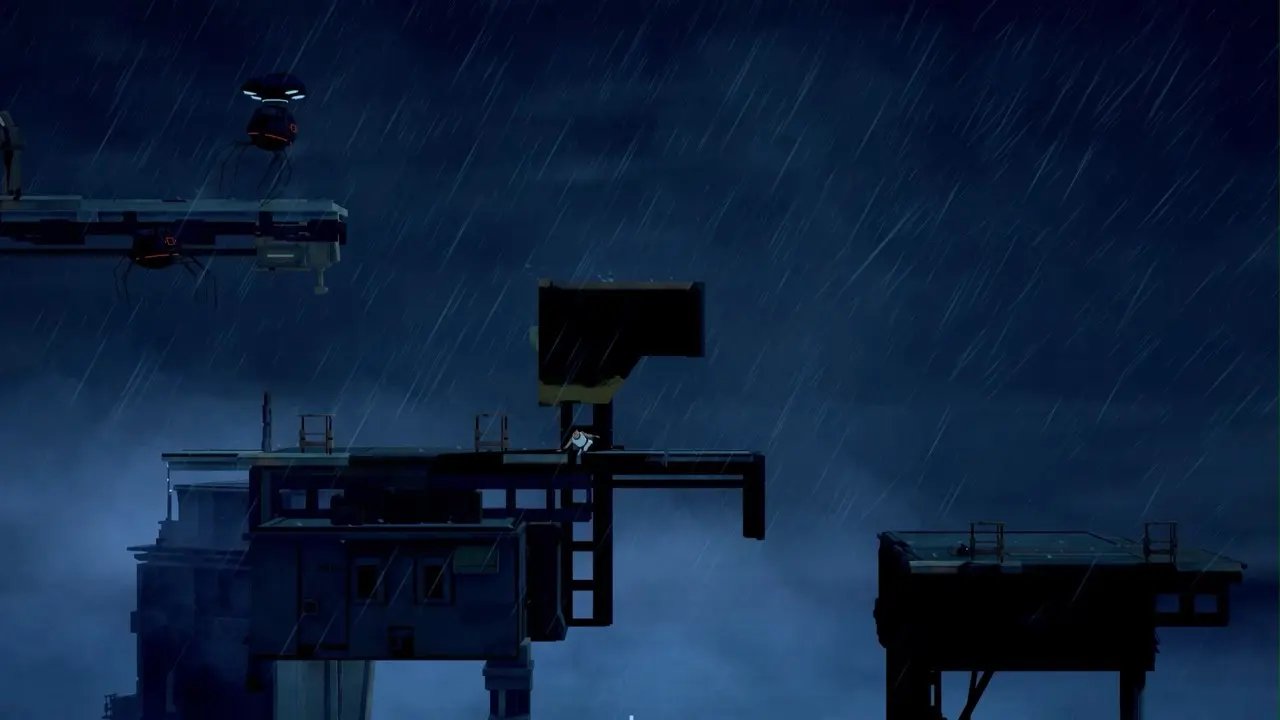
Story is where I still feel mixed, and this is the same issue I had with the first game. Planet of Lana 2 expands the world and shows you more places, more factions, and more hints about how this planet got to this point. You visit another tribal village, larger city spaces, and enemy-controlled facilities that add context to the broader conflict. The game definitely has lore and ambition.
The problem is emotional connection. The storytelling stays mostly wordless and symbolic, which I respect artistically, but it keeps you at arm’s length from the characters. You can infer what is happening and why it matters, but the game rarely gives enough direct character grounding to make dramatic moments truly hit. When certain events happen, including a major loss, I understood what the scene wanted me to feel, but I did not feel much beyond acknowledging it and moving on.
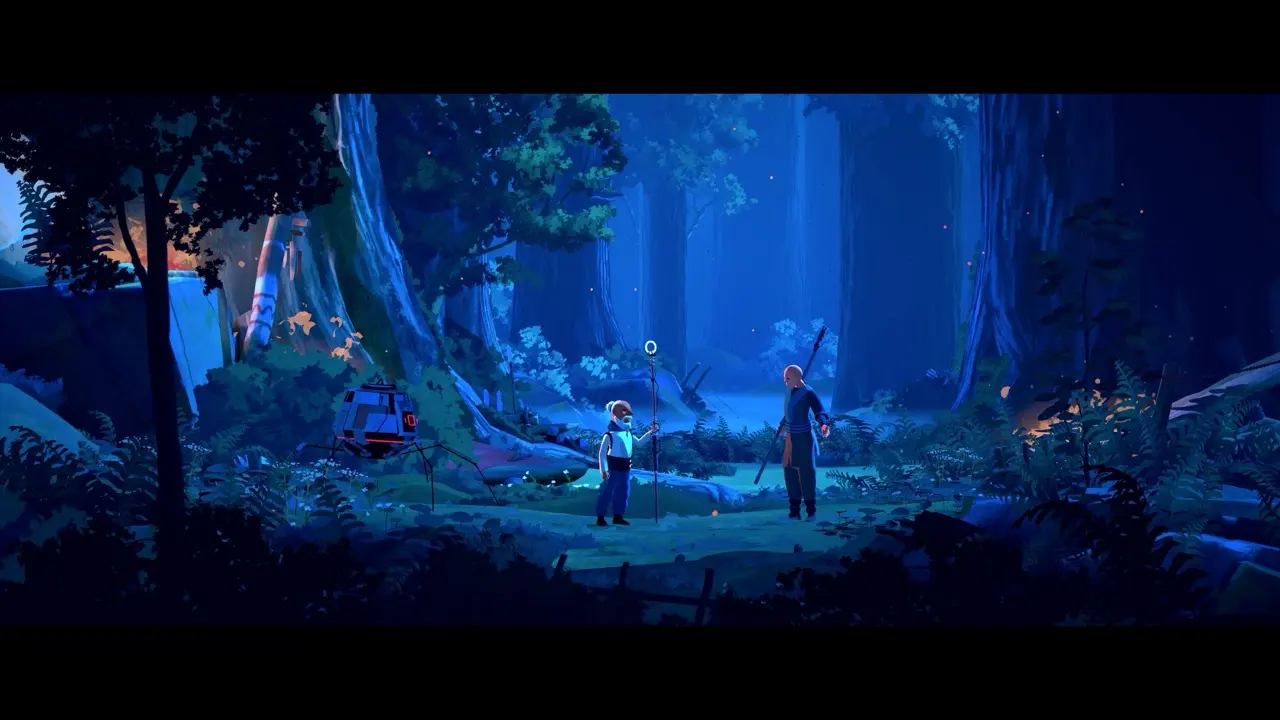
To be clear, this is not because the presentation is weak. Quite the opposite. Cinematic framing is excellent, music is brilliant, and the orchestral score does heavy emotional lifting in quiet scenes and high-pressure chases alike. Some tracks have that wide, adventurous Star Wars-like energy that instantly gives scenes scale. Sound design during stealth and environmental sequences is also very clean, so you always understand what your actions are doing in the space around you.
What holds the narrative back is mostly characterization depth, not style. You spend a lot of time in this world, but not enough time understanding people in it beyond broad archetypes. The game trusts visual storytelling to do everything, and sometimes it works beautifully. Other times it needs just a bit more clarity or relationship-building to make the emotional beats land with full weight.
Still, I do not want that criticism to hide what this sequel gets right. Planet of Lana 2 is an easy game to recommend to players who loved the first one. It is prettier, mechanically tighter, and more varied in terms of locations and companion puzzle ideas. The expanded traversal helps pacing, and the new Mui interactions are genuinely fun. It also remains a very approachable game, which makes it a good pick if you want something thoughtful and atmospheric without heavy mechanical stress.
For me, it lands as a good but not fully transformative sequel. It somewhat expands the best parts of the original, art direction, music, mood, and companion-driven puzzle solving, but it still leaves story impact on the table. I finished it appreciating the craft and enjoying the journey, but not feeling deeply moved by it. If you were fully invested in Lana and Mui from game one, you will likely connect more strongly than I did. If you were mostly there for the atmosphere and puzzles, this delivers exactly that. Thanks for reading!
See where Planet of Lana 2 ranks among the best PS5 games of 2026.