Painkiller is a fast, bloody co-op shooter with excellent gunfeel and movement, held back by a thin story and mission repetition
For the last couple of years Saber Interactive have kinda mastered one thing very well, make killing a lot of things feel incredible. Painkiller is a modern reimagining that leans hard into that goal, and for most of its campaign it absolutely delivers. You sprint into arenas, slide through crowds, blast limbs off with shotguns and rockets, then clean up whatever is left with the spinning blades of the Painkiller itself. It is messy, loud, and very satisfying moment to moment.
This version is built first as a three-player co-op shooter, with nine raids split across three chapters. Each chapter has three missions or raids and ends with a boss fight. If you do not have friends online, you can still play solo, with or without bots, and it works fine. I played most of it solo, and the game remains fully playable that way, even if its structure clearly favors repeat co-op runs.
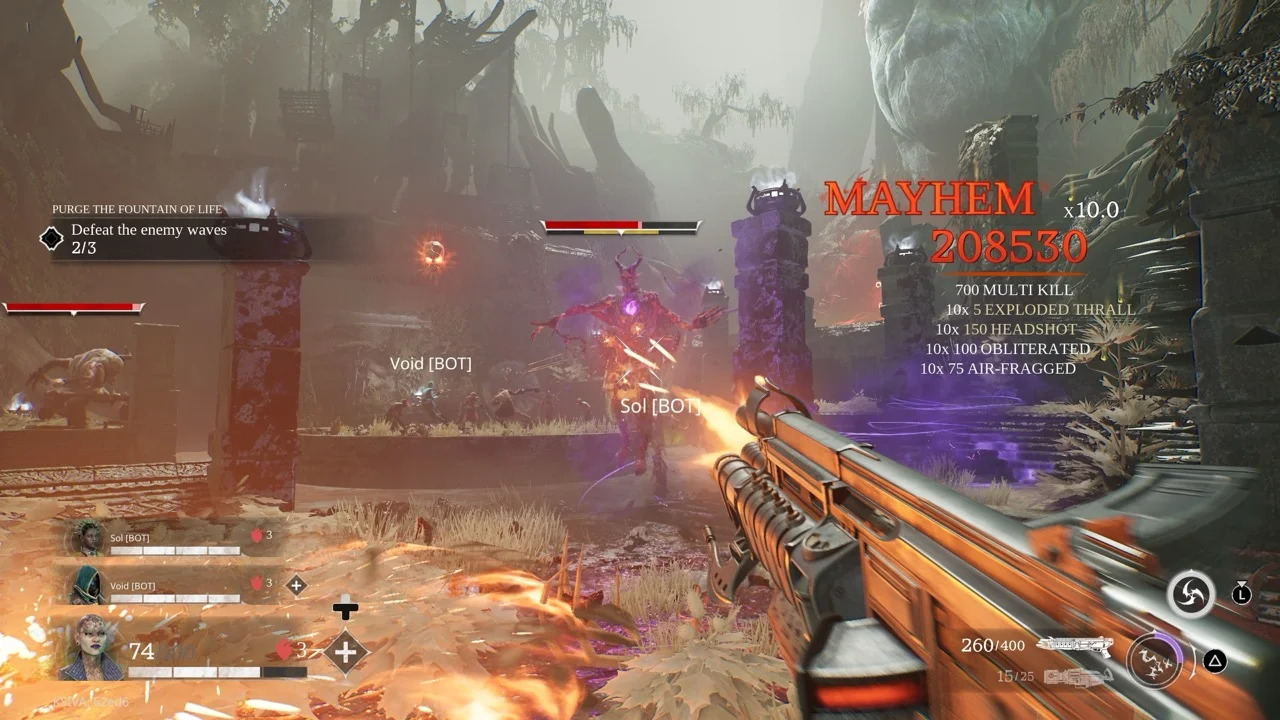
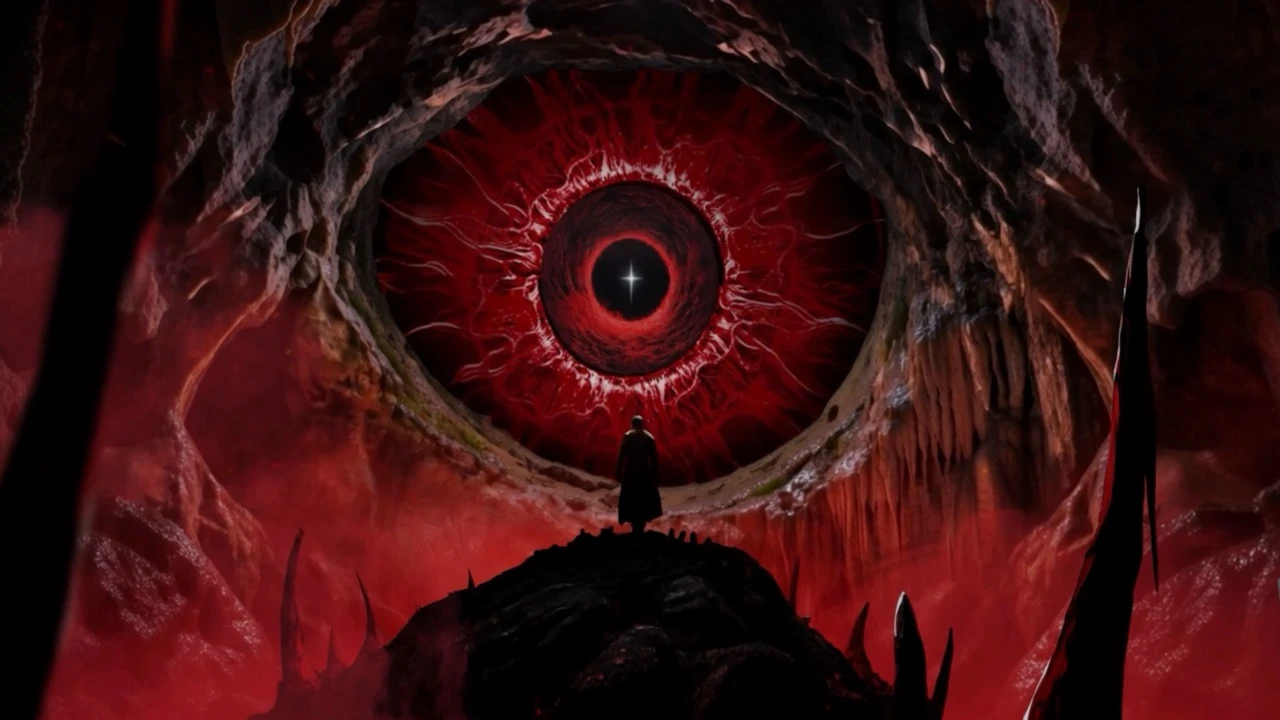
The story exists, but Painkiller does not pretend it is the reason you are here. You are in Purgatory, you get tasked with stopping Azazel from breaking through and bringing hell to Earth, and that is basically enough setup for what the game wants to do. There are bits of lore, character blurbs, and background details if you want to dig, but the narrative mostly stays out of the way and pushes you back into combat.
That approach can work, and here it mostly does, but the campaign still lacks payoff. By the time I finished all three chapters, I got the feeling of an abrupt stop rather than a real conclusion. It is not a total dealbreaker for this type of shooter, but if you care about narrative closure, do not expect much. The game is strongest when it treats story as an excuse for chaos, not as a destination.
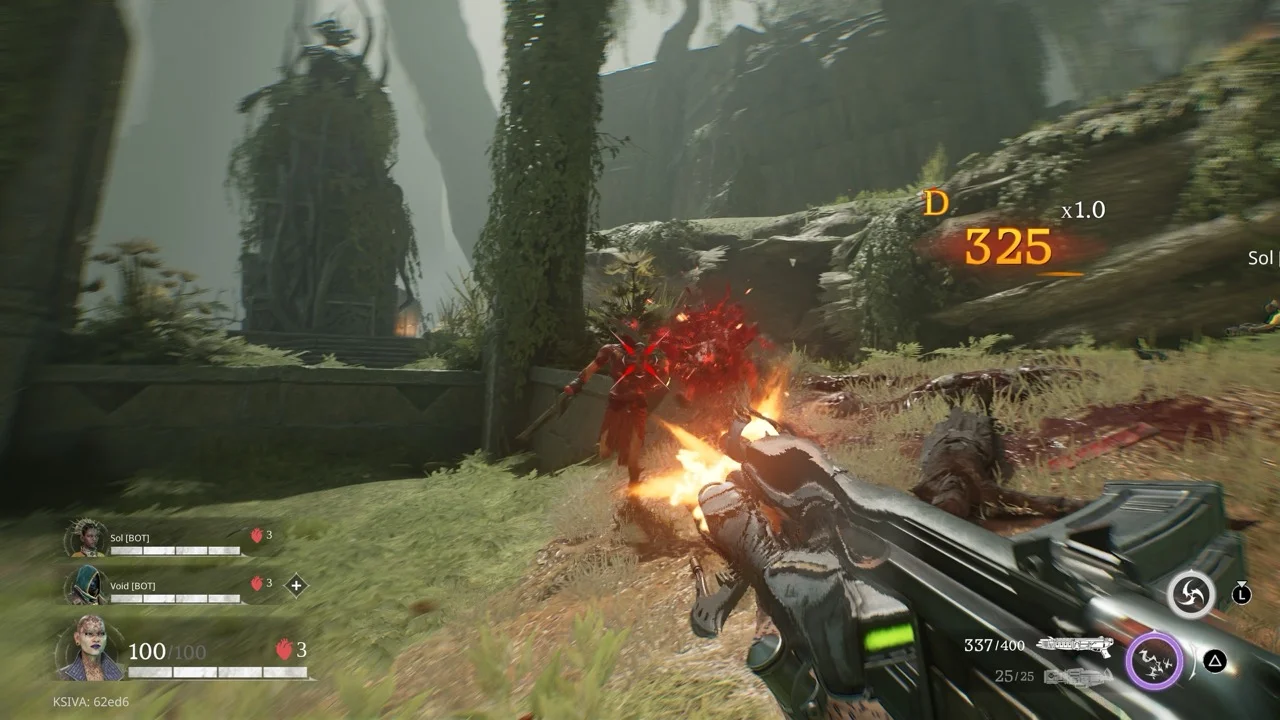
Combat is where Painkiller earns its score. The weapons look great, but more importantly they feel great. The shotgun has weight, the disc launcher tears through mobs in a way that feels almost cruel, and the rocket launcher can erase groups fast when enemies stack up. Every hit carries impact, every kill has chunky feedback, and the blood effects do a lot of work to sell that sense of force.
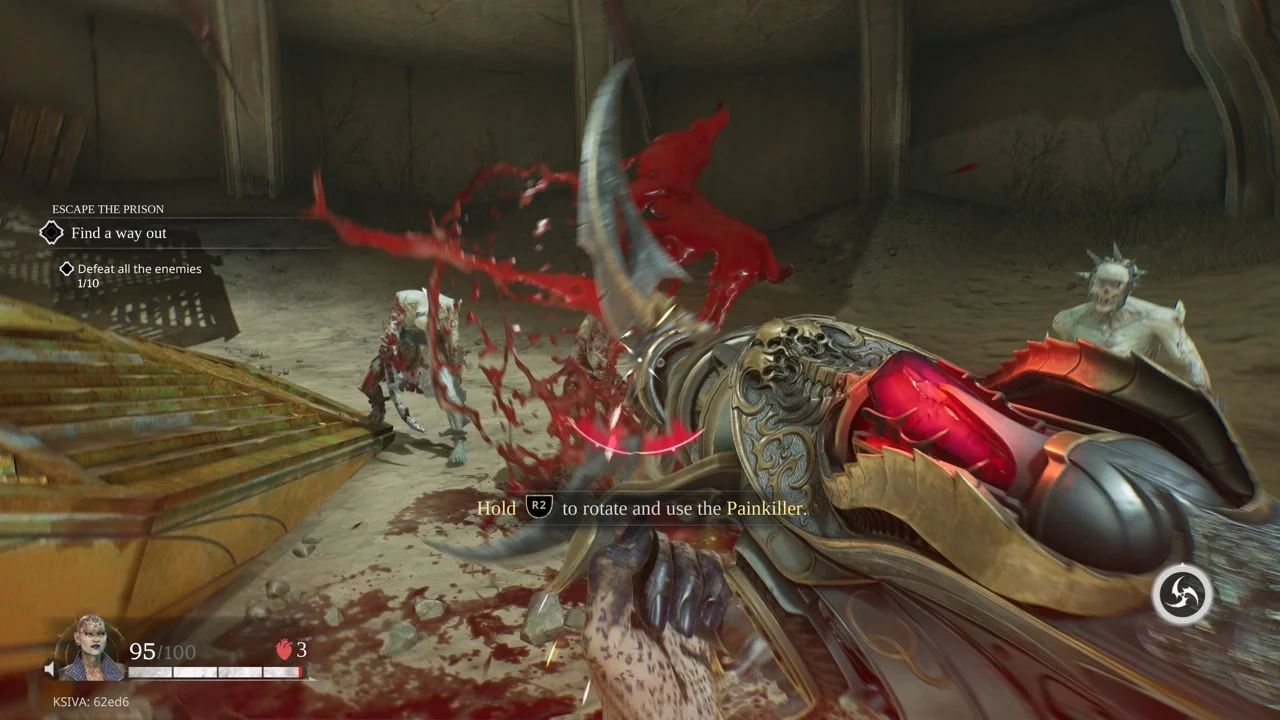
The Painkiller melee weapon is not a gimmick either. It is basically a spinning blade blender, and when ammo runs low it becomes a real part of your rhythm. You chew through weaker enemies, refill your resources, and jump back to guns. That flow between ranged burst and close-range carnage gives fights a nice tempo, and it keeps pressure high without making every encounter feel like a reload simulator.
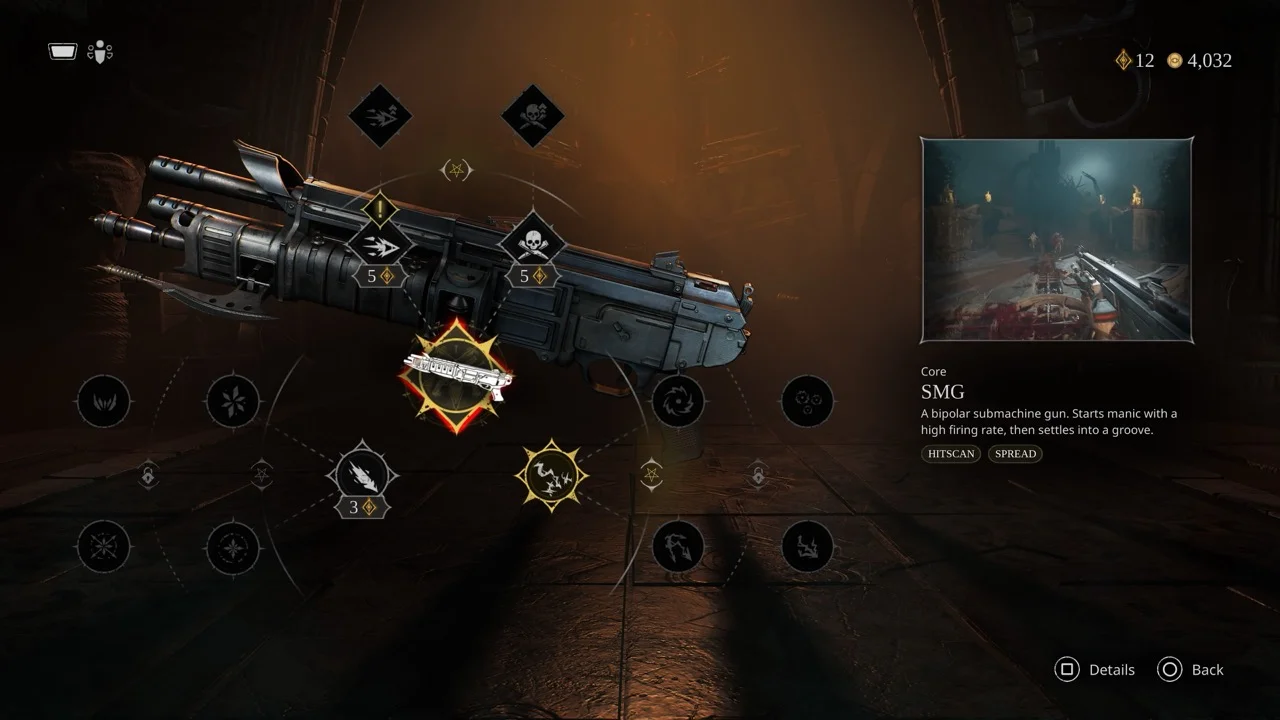
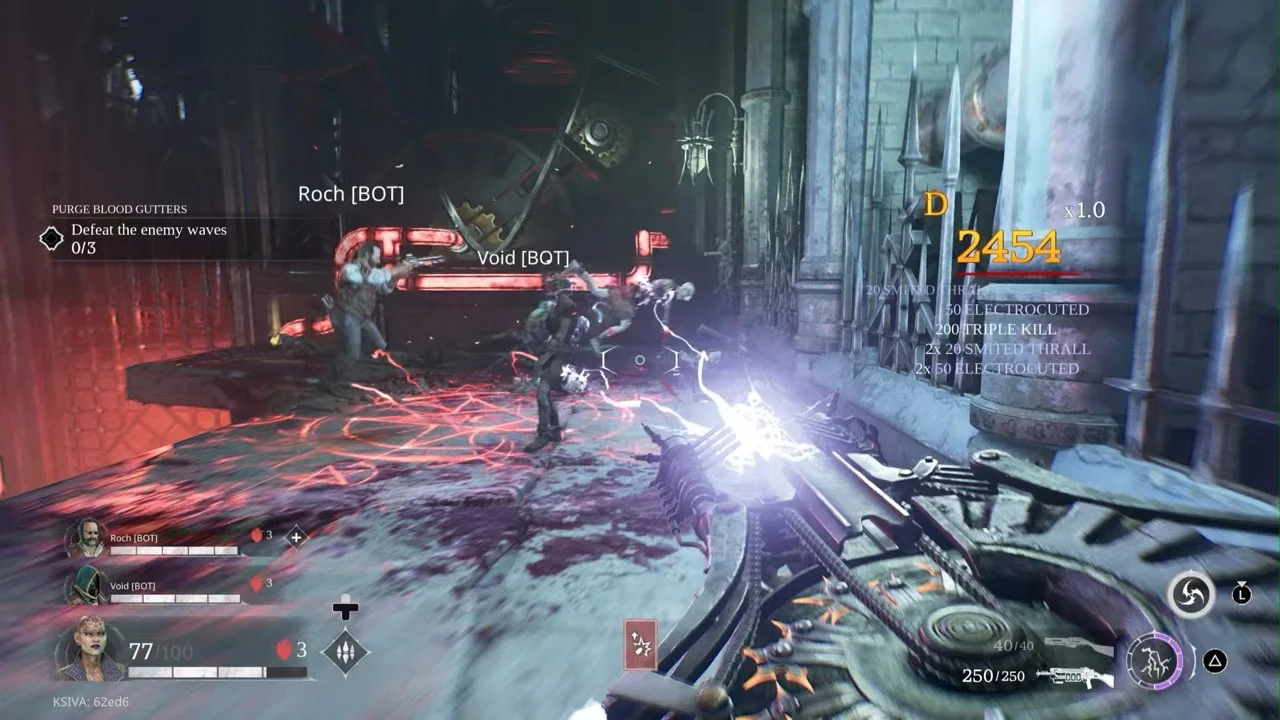
What lifts the gunplay further is the alt-fire and upgrade system. All weapons have meaningful alternate modes that change how they work, not just damage numbers. The rocket launcher can switch from explosive control to a gattling gun that fires freezing bullets, the disc launcher can electrify targets, and the revolver can fire off a heavy explosive shot when you need to basically delete demons. These are practical choices, not filler.
Upgrades are handled in a way I actually like. You unlock parts of weapon progression by playing in specific ways and completing challenges, then spend the currencies you earn in missions to activate the upgrades you want. It gives you a steady reason to experiment with your arsenal and playstyle, and the best part is simple, there is no microtransaction nonsense attached to progression. You play, you earn, you build.
Movement is another big win. The slide is long, fast, and borderline ridiculous in the best way. Catch enemies during a slide and they get launched with ragdoll chaos that never stops being funny. You can also wall jump to reach higher places and use a grappling hook, and once those tools click, traversal feels fluid enough to keep fights mobile. The game wants you moving constantly, and when it works, it feels fantastic.
Mission design stays mostly in the familiar horde-shooter lane. You move through arenas, kill waves, complete simple objective variants, then push on. Some objectives ask you to fill blood containers by killing nearby enemies, others ask you to collect soul vessels and yeet them into soul collectors, and there are occasional holdout style moments. The formula is not deep, but it is readable, fast, and built to keep combat uptime high.
The bosses at the end of each chapter are a nice spike in spectacle. They are not wildly complex mechanically, but they are visually strong, they hit hard enough, and they break the flow in a good way after regular raid pacing. The bigger issue is overall content volume. Three chapters go by quickly, and while Rogue Angel mode exists as a post-campaign option, it reuses a lot of what you have already seen.
Rogue Angel has some solid ideas, but if you are playing solo and mostly finished with the campaign loop, it may not hold you for long. For players with a regular squad, the higher difficulties and repeated runs can stretch the life of the game much further. For solo players, mileage is very dependent on how much repetition you personally enjoy when the core action is strong but mission variety is limited.
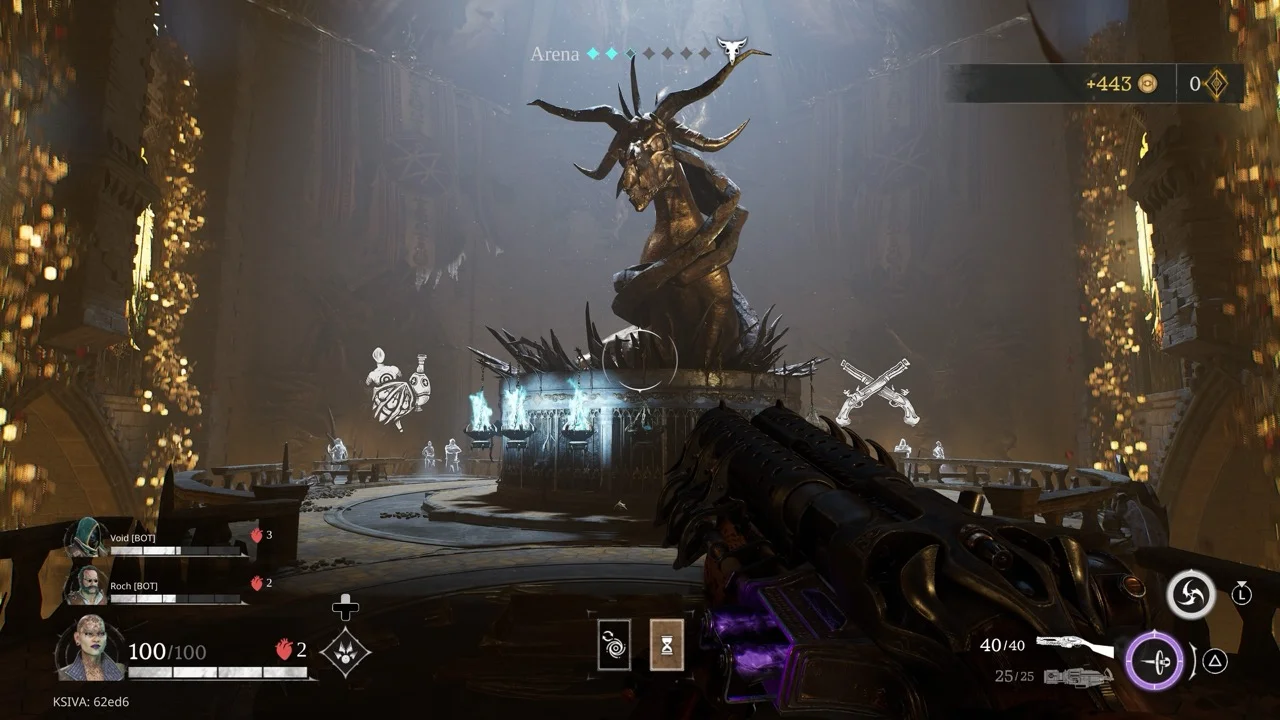
Presentation is generally strong. The gothic architecture, demonic motifs, and oversized arenas give Painkiller a clear identity, even if it is not the most original setting in the genre. It looks good in motion, especially when fights get dense and effects stack across the screen. Audio helps a lot too, guns crack with authority, enemy kills have nasty payoff, and the combat mix pushes exactly the kind of aggressive energy this game needs.
Performance on PS5 is mostly good, but not flawless. Most of the time the framerate holds well enough for a fast shooter, but in very heavy on-screen chaos it can dip and lose some smoothness. It never ruined a run for me, but I noticed it in the busiest moments. If you are sensitive to drops during large enemy floods, it is something to keep in mind.
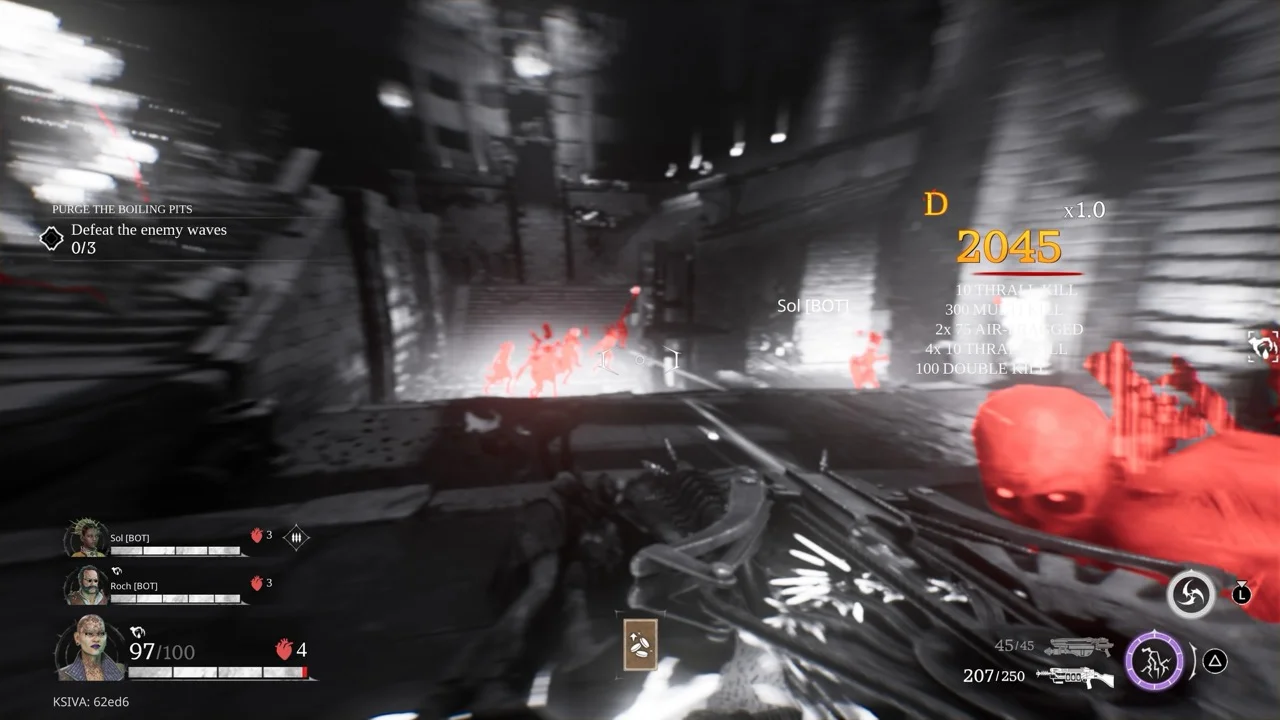
Painkiller is easy to recommend with the right expectations. If you want a story-heavy shooter with deep narrative payoff, this is not that game. If you want a polished demon-grinder where movement is snappy, weapons are fun to master, and every mission gives you excuses to paint the floor red, it delivers. I had a great time with it during the campaign, even when I could see the repetition coming.
The core gameplay is strong enough to carry the package, and there is genuine joy in how this game handles speed, impact, and gore. At the same time, thin storytelling, limited mission variety, and a weak ending keep it from being something I will return to often as a solo player. With friends though, this could easily become someone’s weekly chaos game.