Last Man Sitting has a ridiculous premise and a genuinely fun Swarm loop, but serious progression bugs and weak handheld optimization on ROG Xbox Ally X make it hard to recommend right now
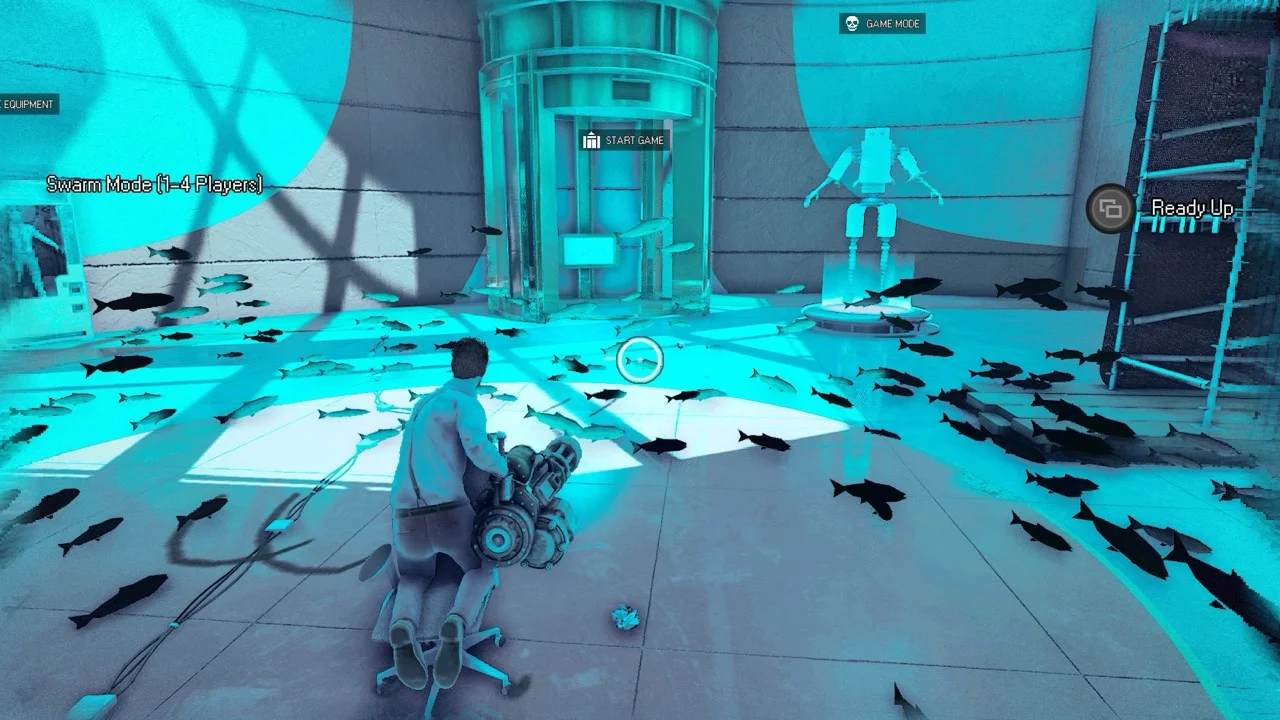
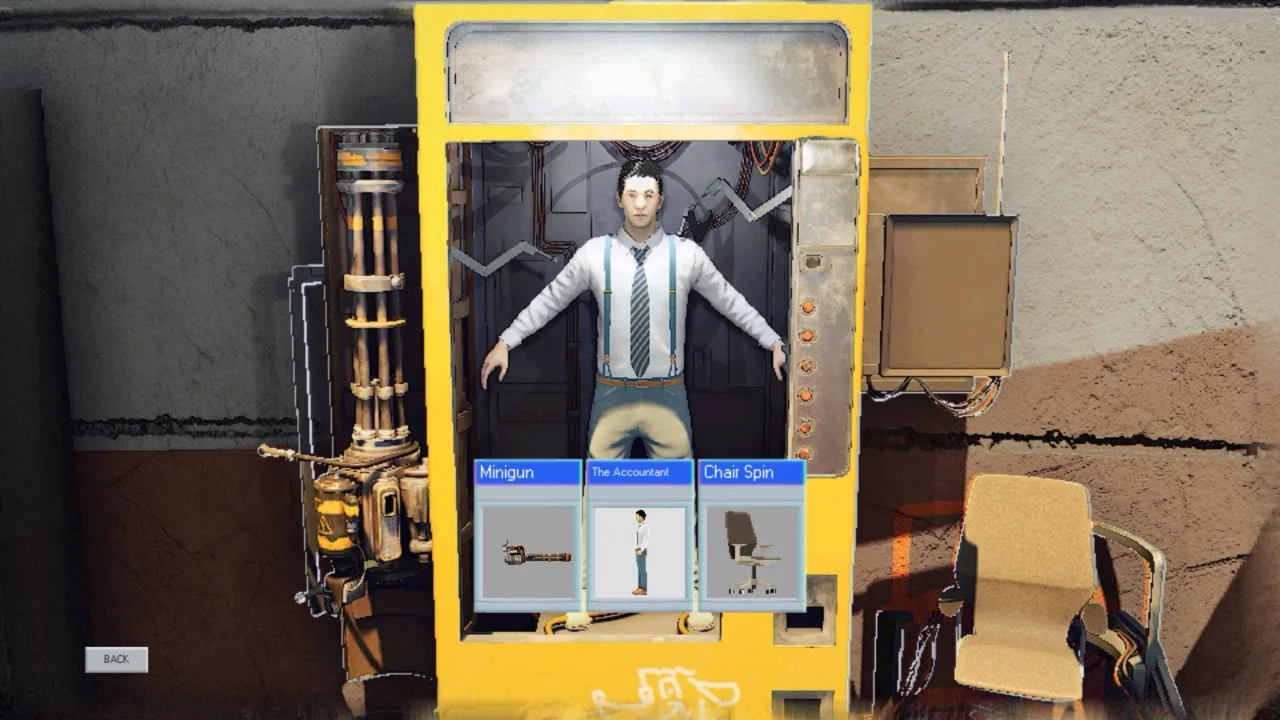
There are games that sound dumb on paper and then totally fall apart once you start playing. Last Man Sitting is not one of those, at least not in terms of core concept. You play as a character riding an office wheeled chair, not running, not jumping around like a normal action hero, just rolling through arenas and blasting waves of robots with absurd weapons. It is silly, and it works better than it should.
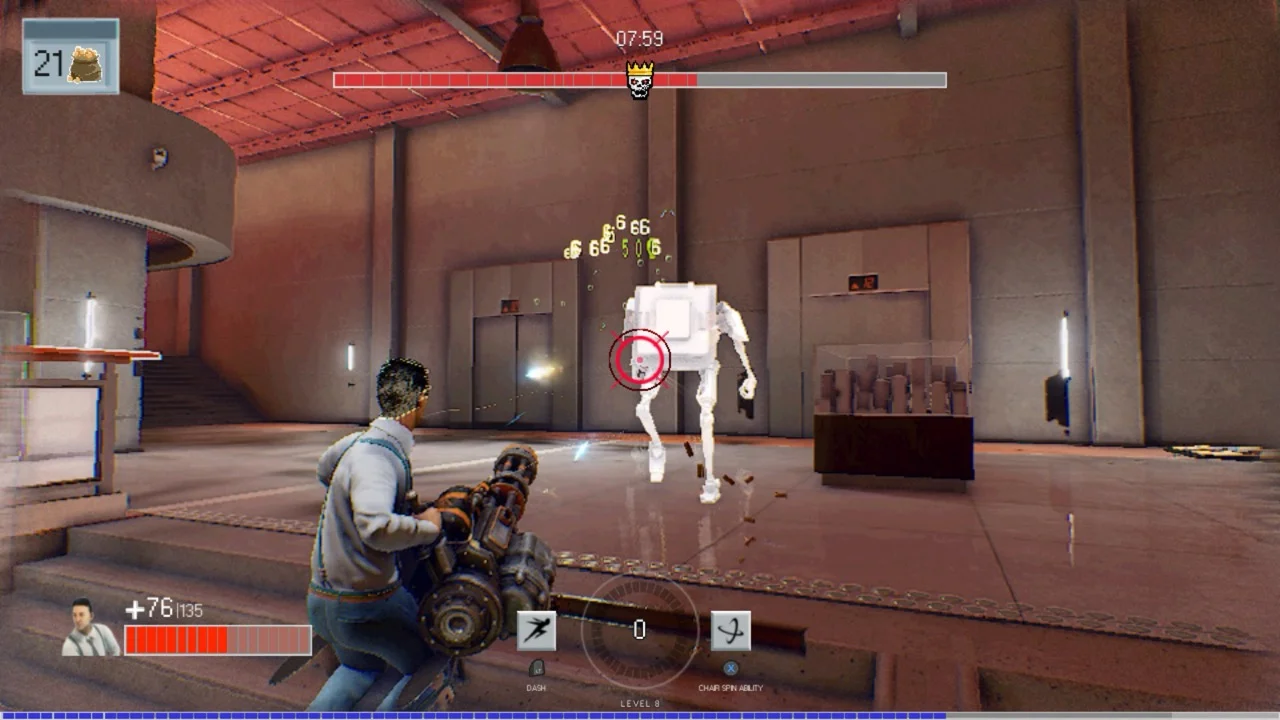
The first hour gives a very clear impression of what the game wants to be. This is a fast arcade style shooter built around constant movement, crowd control, and short-term build decisions. Even before deeper progression systems show up, the basic loop is easy to understand and satisfying to engage with. Move, shoot, survive, collect gems, pick upgrades, repeat.
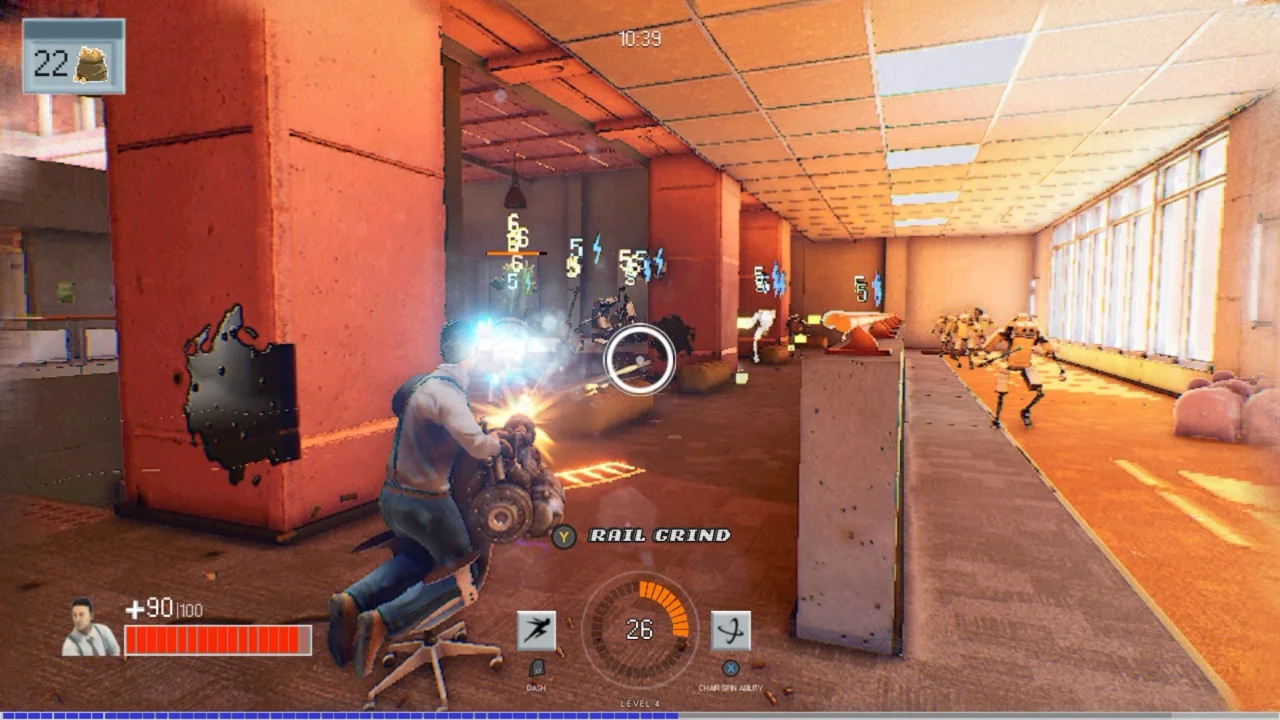
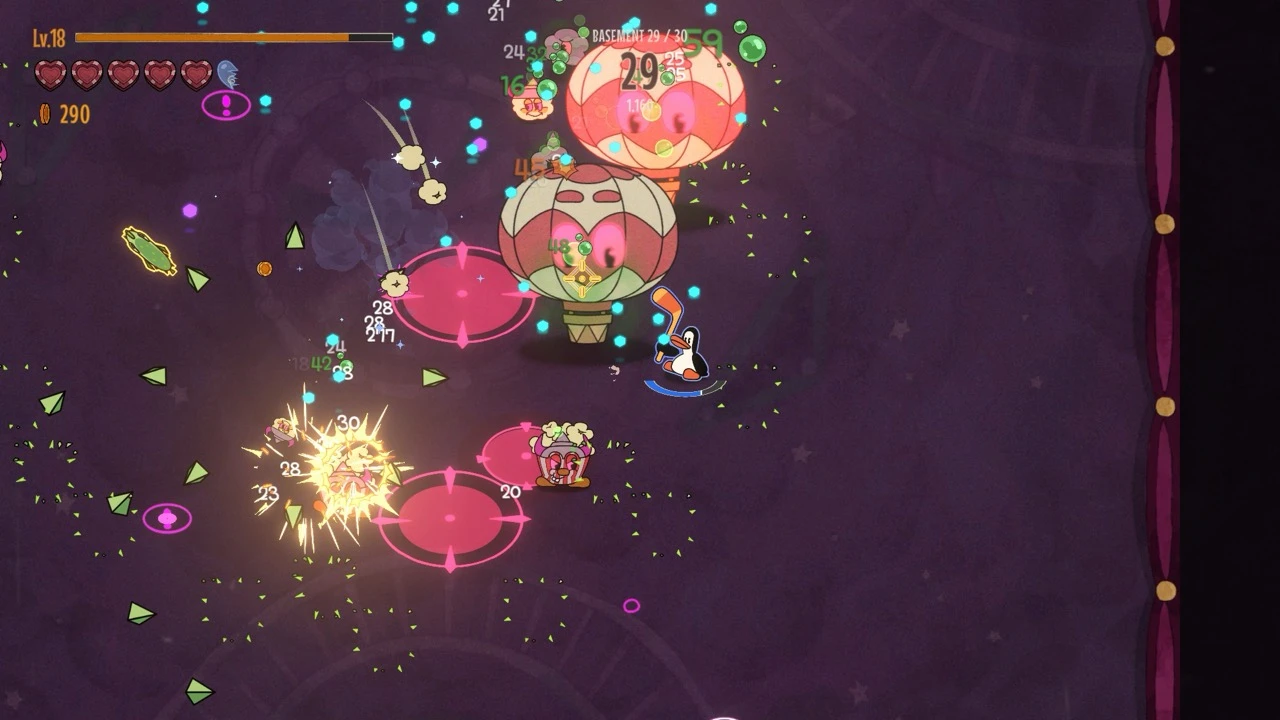
The main mode, Swarm, is where the game clearly puts most of its design energy. It follows the same kind of structure popularized by games like Vampire Survivors, but translated into a more direct, active control style. Enemies flood in from multiple sides, your build grows over time, and every minute asks whether your choices are actually scaling with the chaos around you.
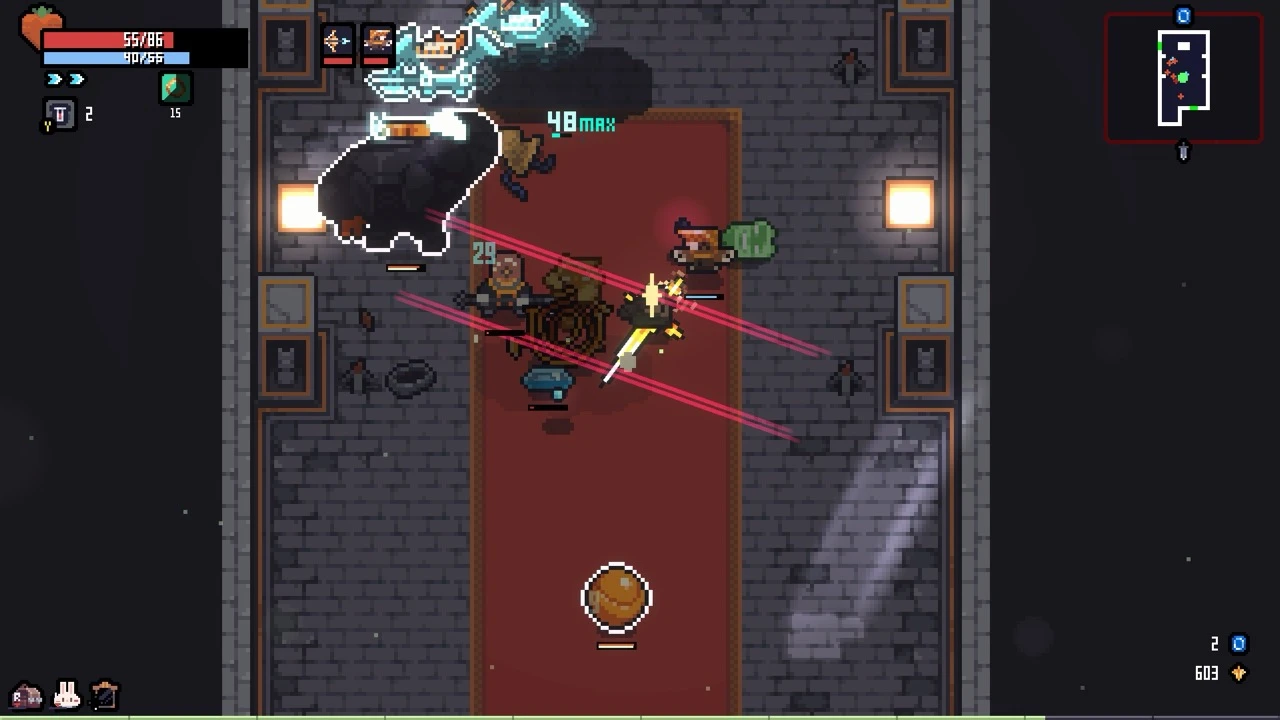
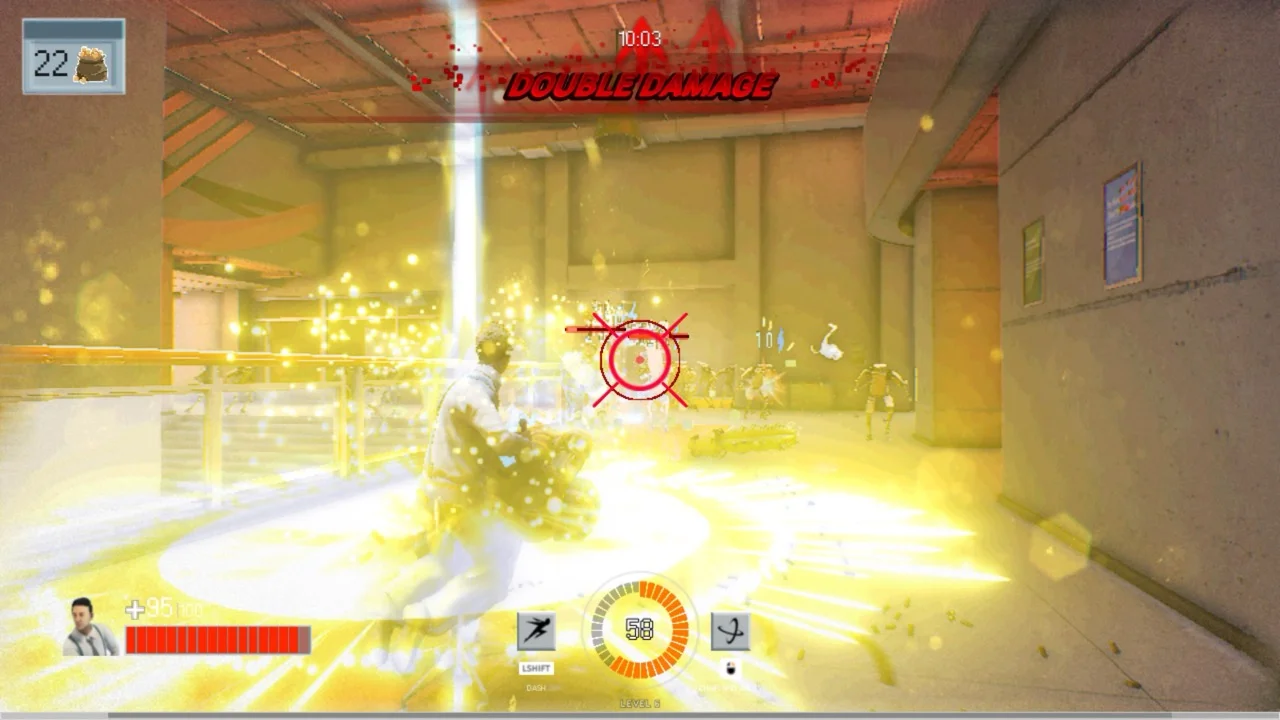
In runs where everything lines up, Last Man Sitting feels surprisingly good. You get that momentum curve where an early weak build gradually transforms into a noisy, screen-filling mess of bullets, explosions, elemental procs, and near misses. The game is at its best when you are barely in control but still somehow surviving because your loadout decisions were smart enough.
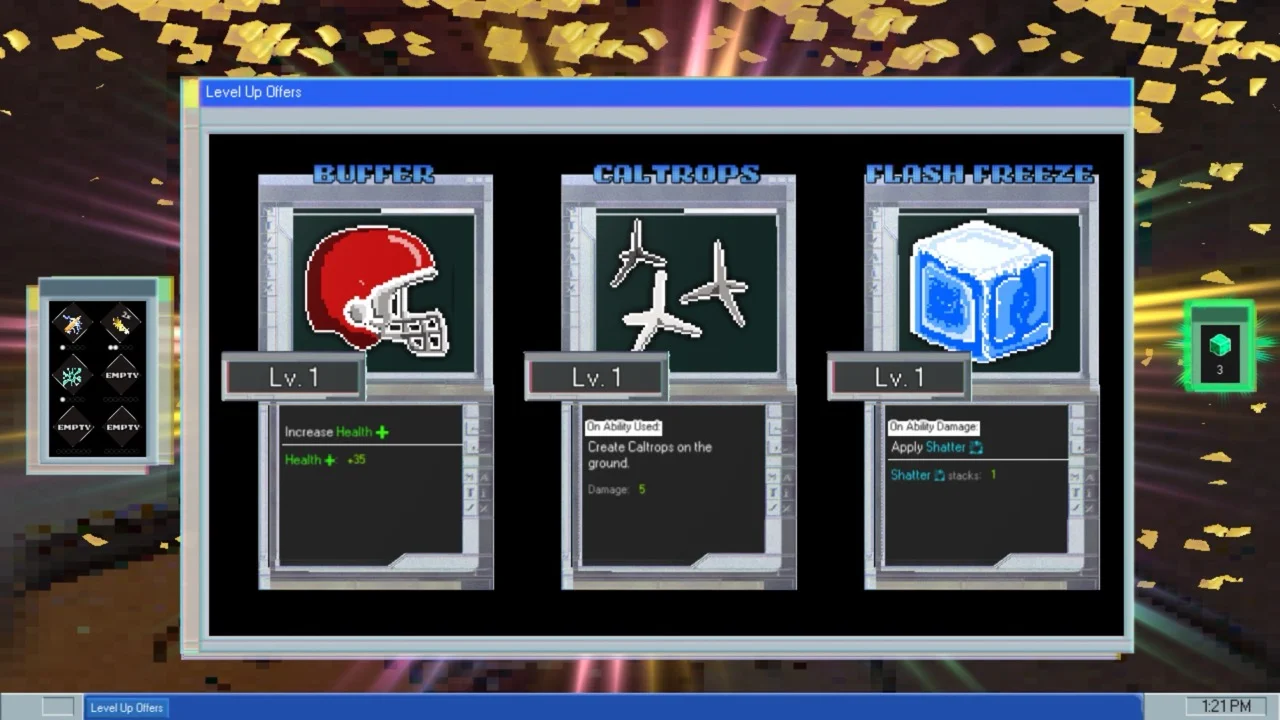
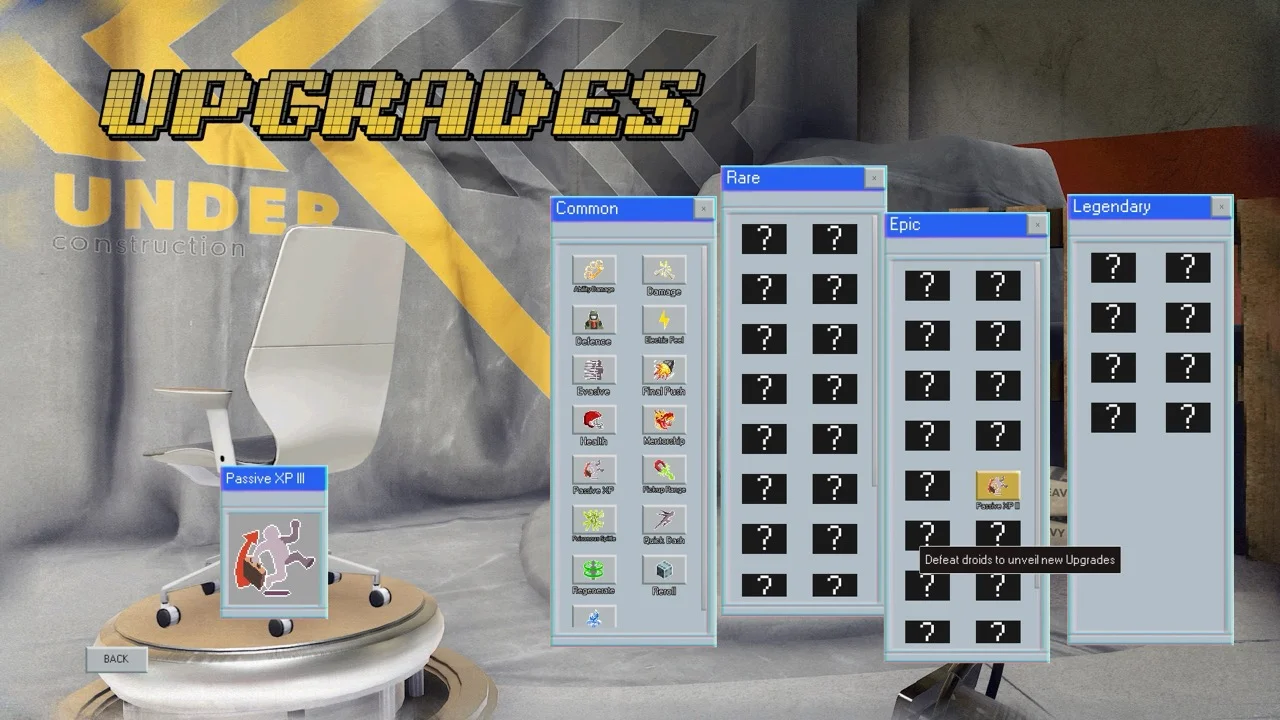
The upgrade system is simple but effective. Every level up gives you three choices, and those choices shape each run in meaningful ways. There are straightforward upgrades like health and damage boosts, then more chaotic effects tied to elemental interactions and projectile behavior. If you like constructing broken builds in roguelites, there is enough variety here to stay interesting for a while.
I also liked the way Quests are mixed into the run structure. These are short objective moments that force you to temporarily shift priorities, hacking a point, surviving a hazard zone, staying in a marked area until a meter fills, things like that. They are not revolutionary, but they add pacing variation so runs do not become pure circle-strafe shooting from start to finish.
The game has a second major mode, PvP, but this is where my experience became limited. During my review window, I could not find active lobbies, so I cannot fairly evaluate balance, netcode quality, matchmaking stability, or long-term replay value for competitive play. On paper, the mode makes sense for this kind of movement and shooting model. In practice, for now, I simply did not get to test it properly.
Unfortunately, the bigger issue is not missing lobbies, it is progression-blocking bugs in Swarm itself, specifically on my ROG Xbox Ally X setup. The first level, which acts like a tutorial, repeatedly hit a state where an upgrade card popped up that looked like a max-level bonus pick, but I could not select it. No button input worked, no touch input worked, and the run could not continue.
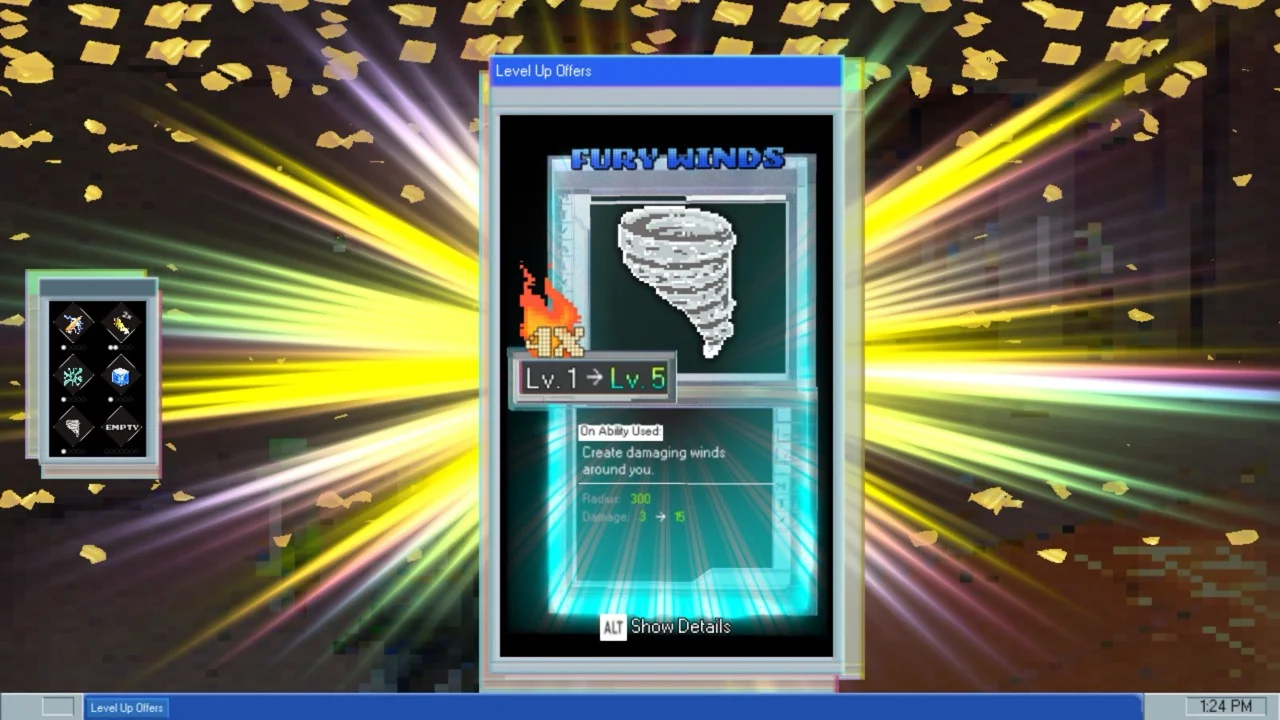
I tried everything obvious. Switching between Gamepad mode and Desktop mode on Ally X, using touchscreen taps on the card directly, re-entering runs, changing settings, nothing consistently fixed it. The bug passed only once, but that attempt ended quickly and still did not let me fully push deeper into the mode in a reliable way.
That matters a lot because it prevents meaningful long-term evaluation of the game’s strongest mode. A roguelite can survive rough balance, small bugs, and uneven pacing early on, but it cannot survive a state where core progression repeatedly gets stuck in the first level. Once that happens, everything else becomes secondary.
I checked community feedback on Steam and saw reports that sounded very similar to what I encountered. So this does not look like one isolated device issue. It feels like a broader problem that needs a proper patch. I am not saying everyone will hit it every run, but it is frequent enough in my case that I cannot ignore it in a review.
Visually, the game sits in the “fine” zone on Ally X. It is not ugly, it is not visually impressive, it is just okay. Character detail and environment readability are serviceable, effects are clear enough during combat, and the art direction supports the arcade tone. But on a small handheld screen, some image quality choices make the presentation look softer and fuzzier than it should.
The single setting that made the biggest visible difference for me was anti-aliasing. Switching AA reduced the fuzzy look around hair edges and some environmental outlines, and overall readability improved. That one tweak helped a lot more than I expected.
Performance, though, still feels undercooked for handheld-focused play. On my Ally X, it ran okay-ish, but changing between Medium and High did not produce the kind of meaningful performance behavior you would expect from a game that is properly optimized across presets. The frame profile felt inconsistent in a way that suggests the bottlenecks are not being cleanly addressed by the available settings.
To be clear, this is not a complete technical disaster where the game is always unplayable. You can play it, and in short stretches it can be fun and responsive enough to show real potential. The problem is consistency. Between progression bugs, unclear settings impact, and uneven handheld performance behavior, it feels like a game that needed more time in the oven.
And that is frustrating because there is a good game trying to break through. The core movement-shooter idea is fresh enough. The Swarm mode framework is proven. The upgrade variety is legitimately entertaining. The quest interruptions are a good touch. Even the over-the-top tone works, because the game commits to its own silliness without apology.
If this was a fully stable release with cleaner optimization, I could see this becoming an easy recommendation for players who enjoy fast roguelite loops and weird concepts. In its current state on Ally X, it is more of a “watch patch notes first” situation.
I probably shouldn't score this cause it's not an in-depth review like I normally do, but I will and I want to get my thoughts out there. Mostly because the foundation is stronger than the current execution. There is fun here, real fun, but too much of the experience is held back by technical roughness that directly interferes with progression and confidence in long sessions.
If you are thinking of buying it right now for PC handheld play, I would wait for updates focused on bug fixes and optimization before jumping in. If those updates land and solve the progression issue, this game could climb fast, because the core loop already has the kind of energy that keeps you saying “just one more run.” Thanks for reading!
If you enjoyed this one, read our Arma Reforger PS5 review, One Piece: World Seeker review, God of War Ascension review and Call of Duty Vanguard review next.