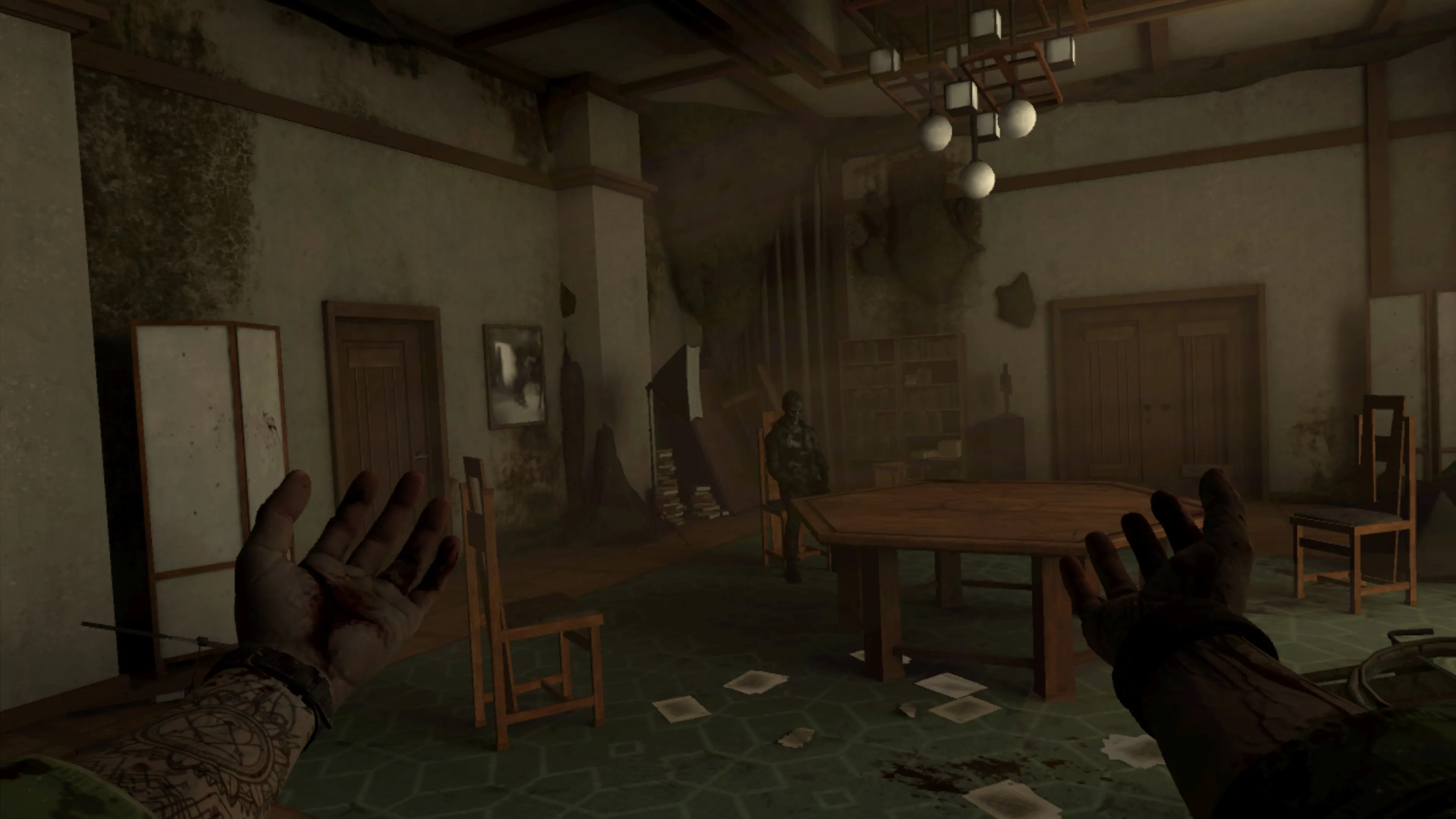
Wraith: The Oblivion - Afterlife is a stylish and atmospheric VR horror experience held back by slow, repetitive gameplay that never matches its strong presentation
Wraith: The Oblivion - Afterlife is one of those VR horror games where the atmosphere is doing all the work. You can feel the team behind it squeezing everything they can out of the Quest hardware, and in terms of visuals and audio design, the result is surprisingly striking. The problem is that once you settle into the actual loop of the game, the experience becomes more of a slow trudge than a tense paranormal investigation. The story has promise, the presentation is great, but the gameplay becomes dull far too quickly.
You play as a photographer who has been murdered under mysterious circumstances. You return as a wraith, stuck between worlds, and the only way forward is to explore a huge Hollywood mansion while piecing together the events that led to your death. It is a cool setup and the introduction sets the tone nicely. The idea of walking through old memories and tracking down the truth behind your murder carries a lot of potential, and at first, it feels like you are stepping into a grounded ghost story.
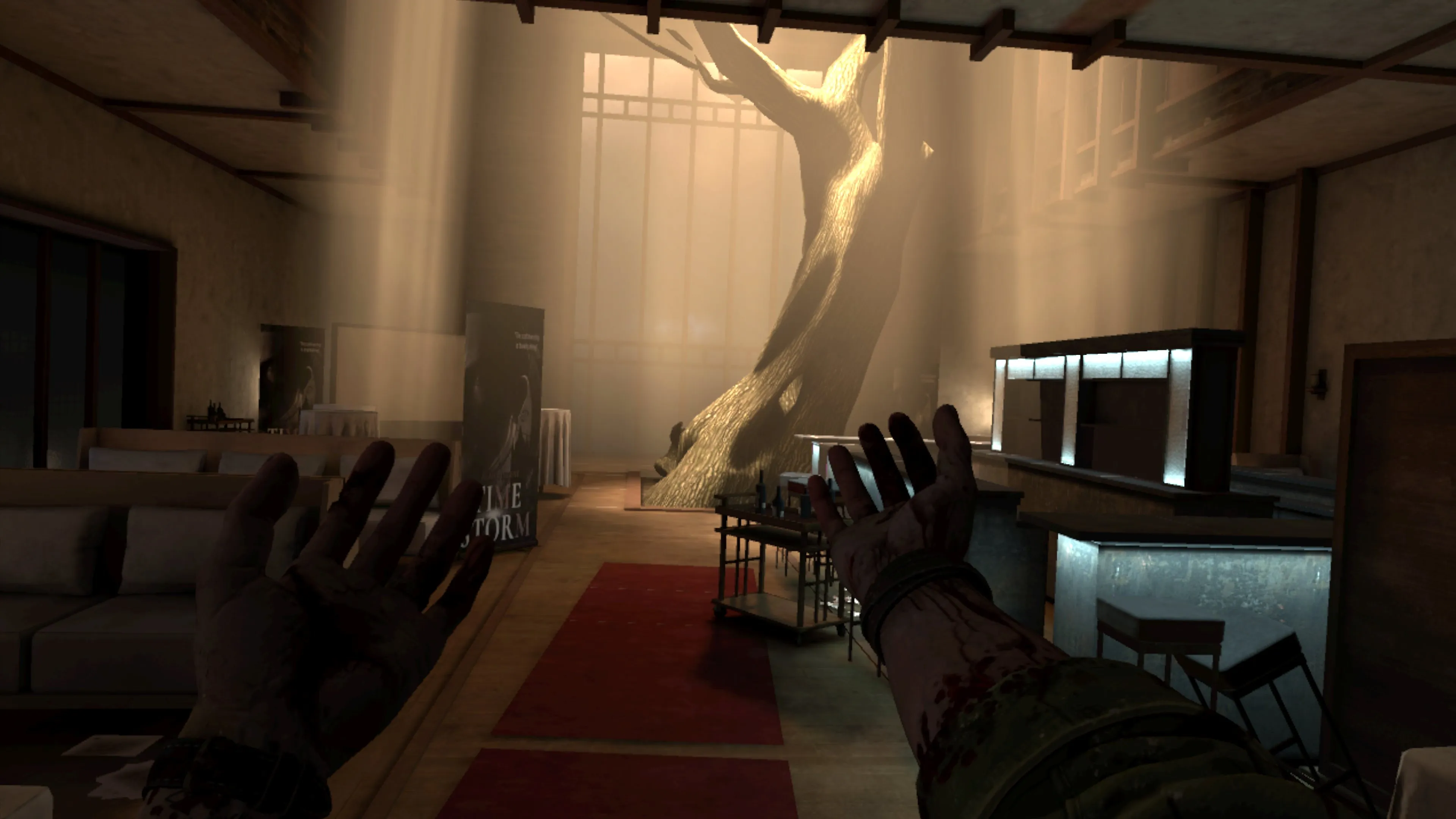
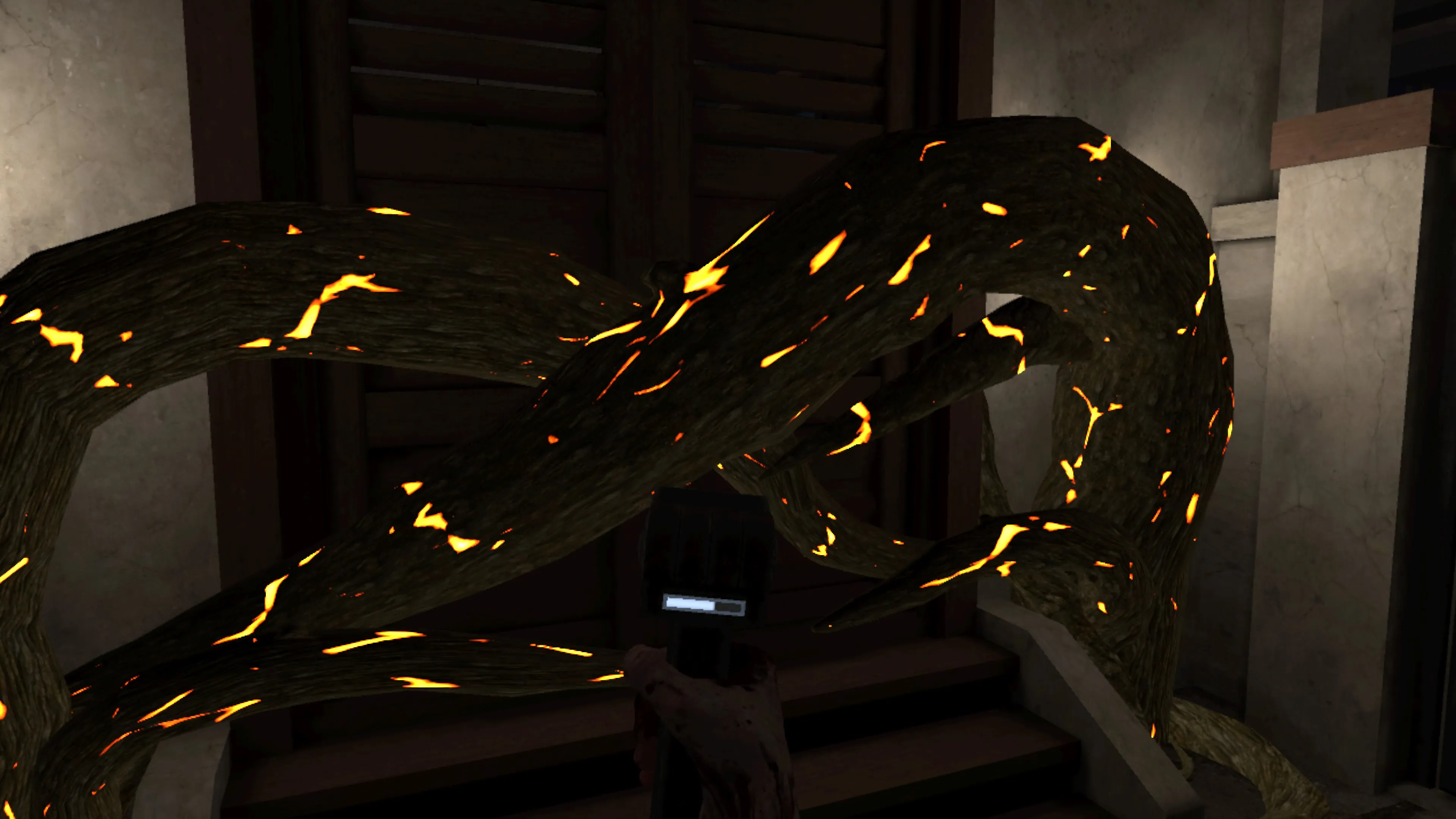
The moment to moment gameplay is where things start to sag. The first hours revolve almost entirely around walking through dimly lit hallways, opening doors, picking up clues, and following whispering trails of ambience. You get a flashlight that burns through strange ghostly vines, which functions more like a key than anything else. It is serviceable but never interesting. The exploration is slow and repetitive, and after a while you start to feel like you are just checking rooms off a list.
Enemy encounters do not help much. Nightmares roam sections of the mansion and you are meant to sneak around them by crouching, hiding, or tossing bottles to distract them. This is the part where the pacing takes a real hit. These encounters feel more annoying than scary because the stealth tools are so basic. You do not have clever systems to learn or powers that change how you engage. You just have to be patient and hope the enemy pathing behaves in your favor. The creatures themselves are creepy enough, but actually dealing with them never feels engaging.
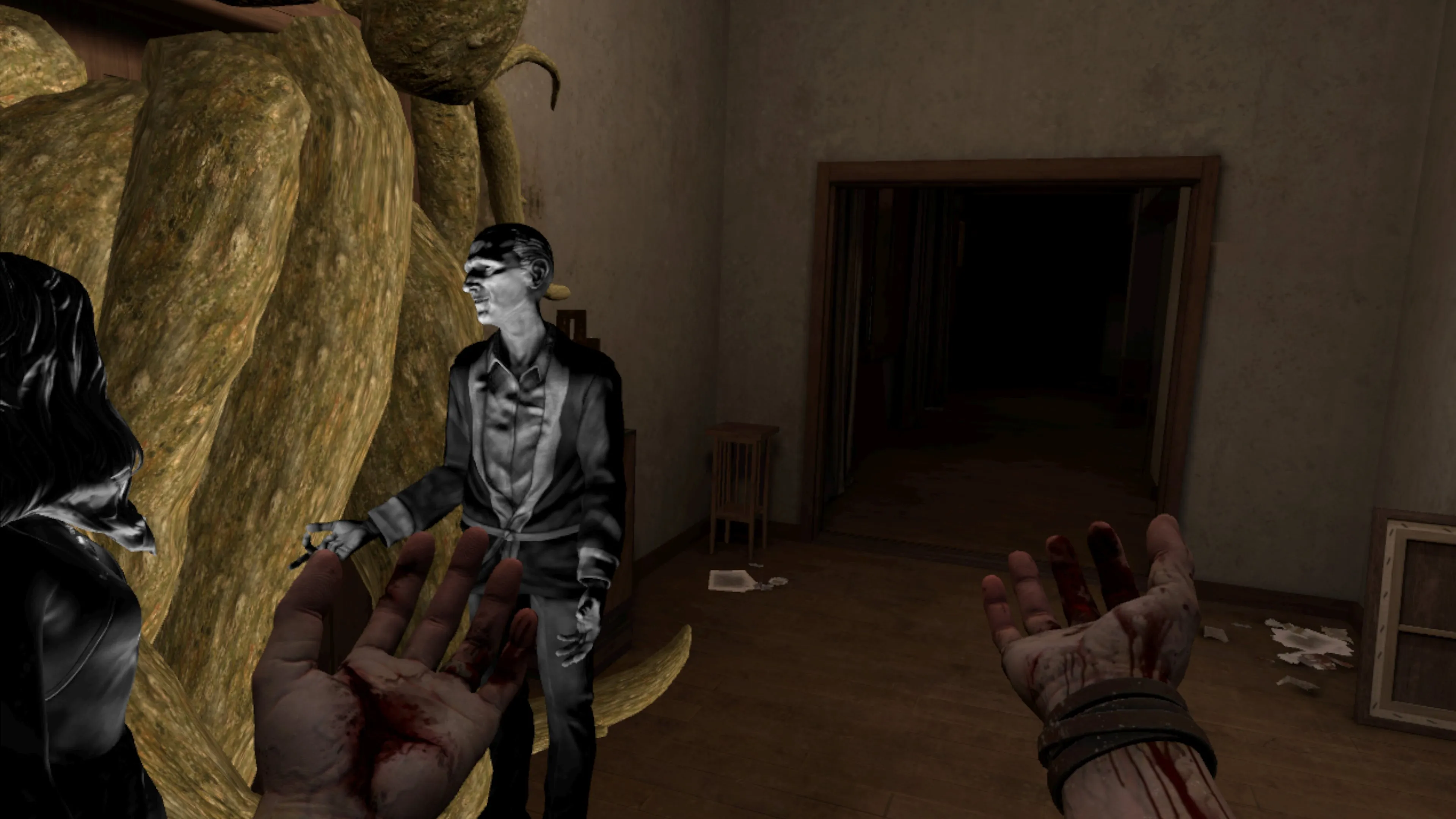
The game hints at additional powers you might unlock later, like sensing past events or manipulating heavier environmental objects, but nothing I saw in my two hours of play felt like it was building toward something exciting. Even imagining later upgrades like moving blocked objects around does not inspire much interest. It sounds functional, not transformative.
All of this is extra frustrating because the presentation is genuinely strong. The art direction leans hard into darkness and the Quest handles it surprisingly well. The shadows are thick, the lighting is moody, and the slight stylization gives everything a surreal but grounded look. The mansion itself has personality. It feels abandoned, quiet, and heavy with the things that happened inside it. Walking through it can be unsettling in a very effective way.
The audio design is easily the highlight of the whole experience. The Quest 3’s spatial audio creates a constant sense of presence around you. Voices drift across the space, sometimes sounding impossibly close, and when you turn your head trying to find where they came from, you are met with empty air. It is subtle in a way that works beautifully. When the game wants to hit you with something sharp or loud, it lands hard. The voice acting also carries a lot of weight and keeps the story from feeling flat.
But atmosphere alone can only carry you so far. Horror games need unpredictability or evolving mechanics to keep tension alive, and Wraith never finds that spark early on. After two hours, I walked away feeling like I had already experienced the best parts of it. The tone, the world, the audio work, the story setup, all of that is solid. The gameplay loop, however, is so uneventful that it makes it difficult to push forward long enough to see where the narrative goes.

If you love slow, moody horror and simply want to exist in a spooky place for a few hours, this might be enough for you. But if you want systems that grow, encounters that push you, or puzzles that feel rewarding, this is not the game. For me, the strong presentation could not outweigh the repetitive and uninspired gameplay, so I cannot recommend Wraith: The Oblivion - Afterlife on Quest 3. Thanks for reading!
If you enjoyed this one, read our Haymaker VR review next.