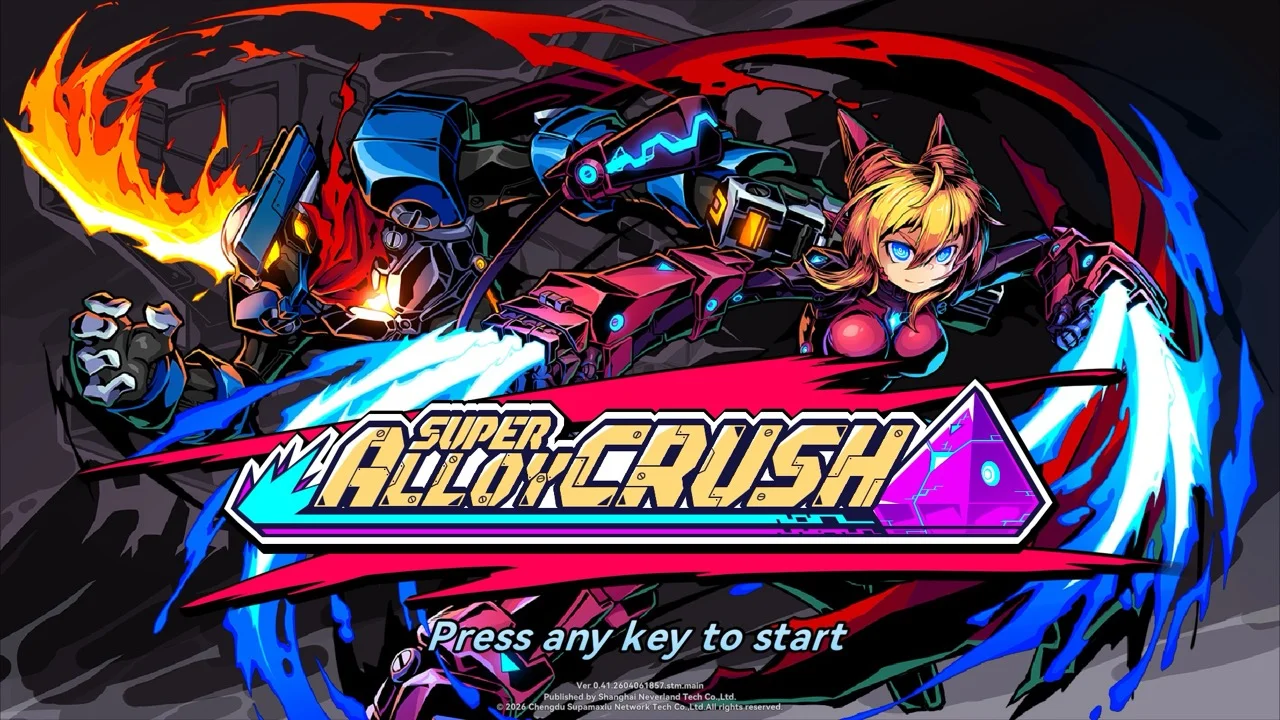
Super Alloy Crush feels like a modern Mega Man game in all the right ways, with tight movement, satisfying combat, and a progression loop that keeps pulling me back in
Super Alloy Crush grabbed me almost immediately. The first few minutes told me exactly what I needed to know: this game understands movement feel. Dashing is fast and snappy, jumping has real control in the air, and attacking flows in a way that makes every encounter feel active instead of stiff. On my ROG Xbox Ally X, it felt responsive from the start, and that responsiveness is the foundation for everything else the game does well.
You play as one of two leads, and they are genuinely different in a way that changes how each run feels. Muu, the cat-girl close-quarters fighter, is built around aggressive claw combos and pressure. She is at her best when you are constantly in motion, chaining hits and staying close enough to keep enemies locked down. Kelly is the ranged option with a blaster that can be charged, and yes, the Mega Man DNA is obvious here in a good way. Landing charged shots while weaving through enemy fire feels great, especially once encounters get more chaotic.
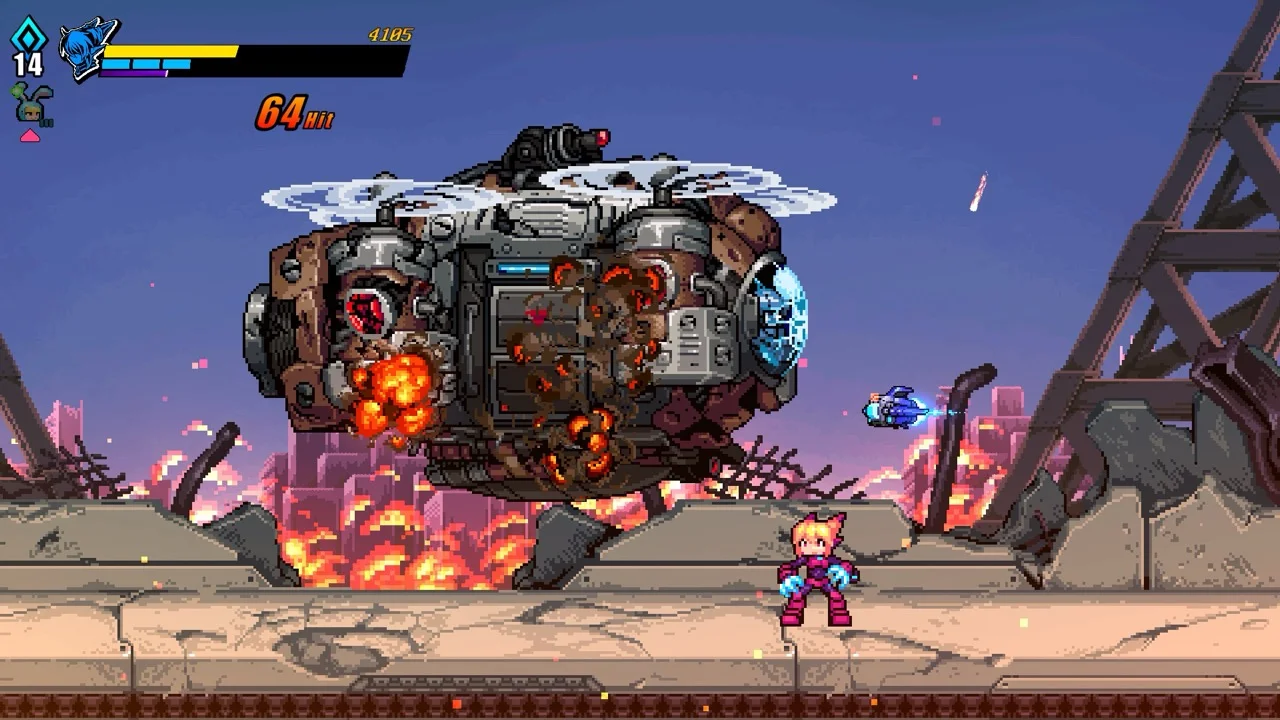
What I appreciate is that neither character feels like a gimmick. They each have their own rhythm, and both are fun once you settle into their strengths. Muu feels explosive and expressive in close combat, while Kelly rewards cleaner spacing and timing. I ended up enjoying both, but for different reasons. Switching between them also helps the game avoid becoming repetitive, since your decision-making changes with each kit.
Level design is another strong point. Stages have a lot of hidden routes, breakable objects, and little detours that reward curiosity with extra coins and resources. That might sound simple, but it makes a big difference to pacing. Instead of sprinting straight to the end, I found myself scanning corners, checking suspicious walls, and poking at side paths because there was almost always something useful tucked away. Those secrets feed directly into progression, so exploration never feels wasted.
The coin economy ties everything together. You are not just spending currency on one flat upgrade path. You can unlock new attacks, add skills, improve your support ship, and open additional chip slots so your build has more room to breathe. That chip system is one of my favorite parts of the game so far. It gives you a lightweight buildcraft layer that is easy to understand but still flexible enough to matter. Small setup changes can noticeably alter your momentum in combat.
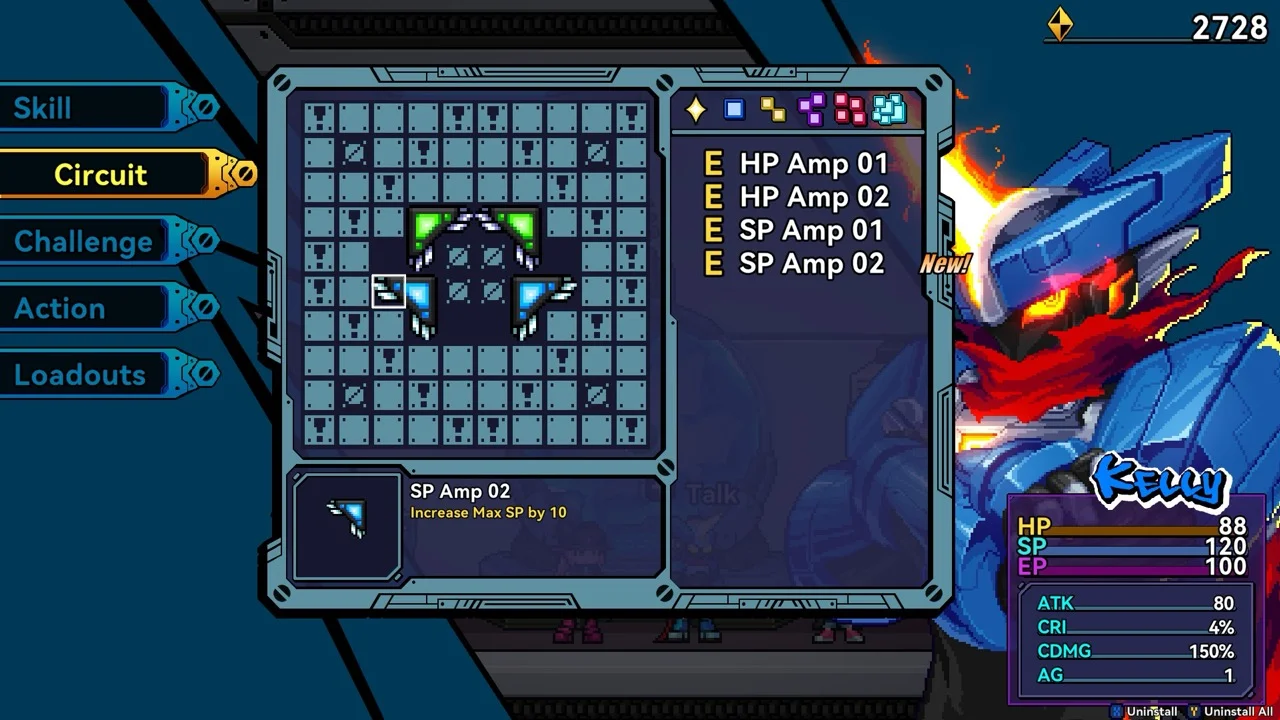
Clear stages, gather resources, return to the hub, tweak your loadout, test a new approach, and jump back in. The structure is straightforward, but the amount of experimentation available already feels strong for an Early Access build. I kept finding new combinations to try, and the game does a good job of making that tinkering feel rewarding instead of busywork.
Boss fights are easily one of the highlights. They are visually distinct, they have clear attack identities, and they demand attention. You cannot sleepwalk through these encounters. You have to learn patterns, respect openings, and actually execute. The game asks for real engagement here, and I like that. Beating a boss feels earned because it is not just about raw stats. Build choices help, but reading attacks and keeping composure matters more.
There is also a separate roguelite mode that adds another reason to stick around. If story progression is not what you want in the moment, that mode gives you a focused run-based alternative and still feeds into the same core strengths: movement, build choices, and combat flow. It is not a throwaway extra. It feels like a meaningful second lane for people who want repeatable challenge sessions.
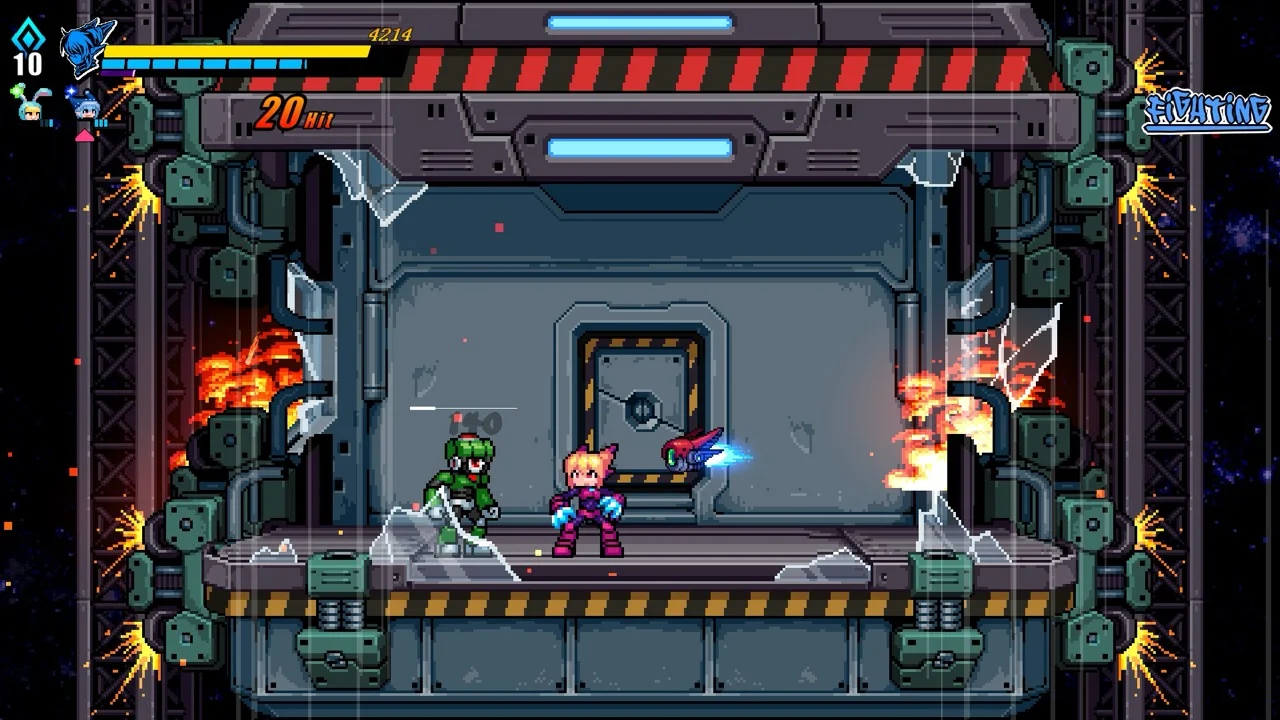
Presentation is solid too. The pixel art is clean and readable even when effects fill the screen, and enemy silhouettes stay clear during busy fights, which keeps the action fair. Sound design supports the pace well, even if some music loops get repetitive in longer sessions.
My biggest criticism right now is balance tuning around some systems and resource flow. Depending on build and character choice, a few options feel easier to scale than others. It never broke the experience for me, but it is noticeable after multiple runs and is exactly the kind of thing Early Access can improve.
Story is present, but for me it sits behind gameplay. The setup around cosmic treasure hunting and rival factions is enough to frame the action, but the real draw is dashing, juggling enemies, and upgrading your loadout. For this kind of game, that is the right priority.
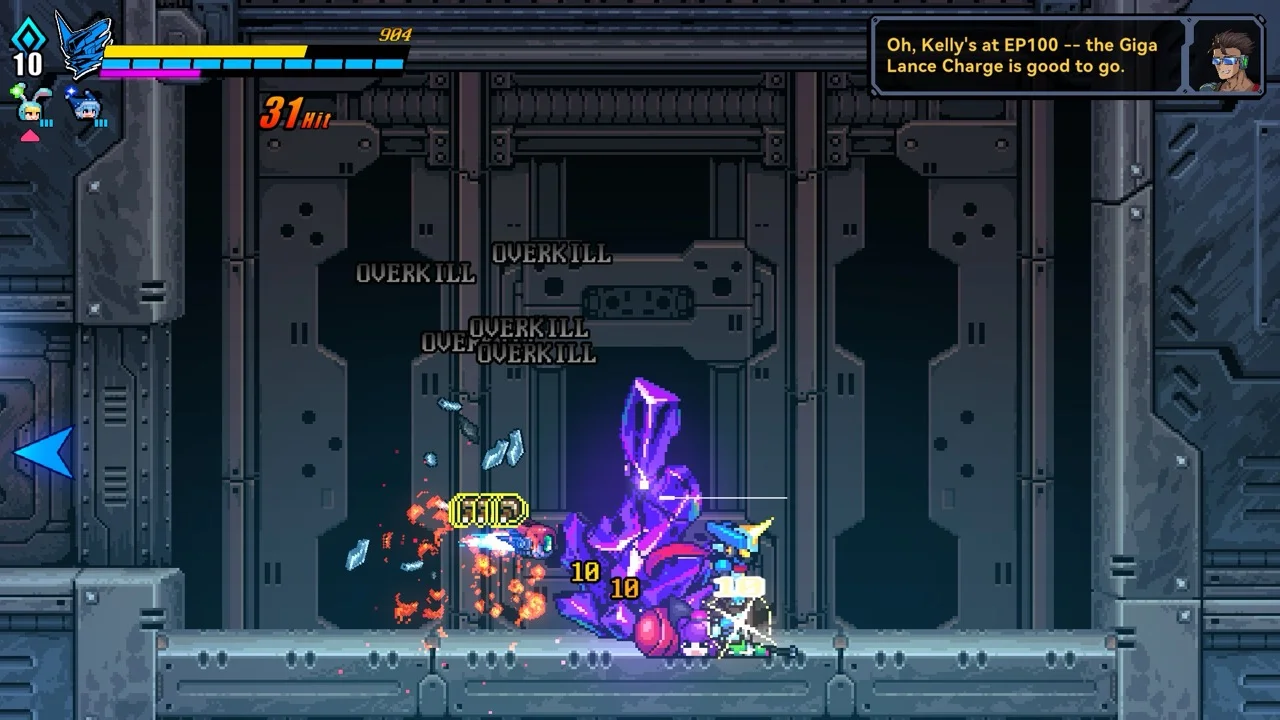
What surprised me most is how complete this already feels. A lot of games hit Early Access with one good idea and thin support around it. Super Alloy Crush already has strong controls, two distinct playable characters, meaningful upgrades, and satisfying boss design. That is a lot of game for this stage.
If you are into fast 2D action, character-specific playstyles, and progression systems with room to experiment, this is easy to recommend right now. It has that rare quality where the core feel is so good that even familiar loops still push you into one more run. Thanks for reading!