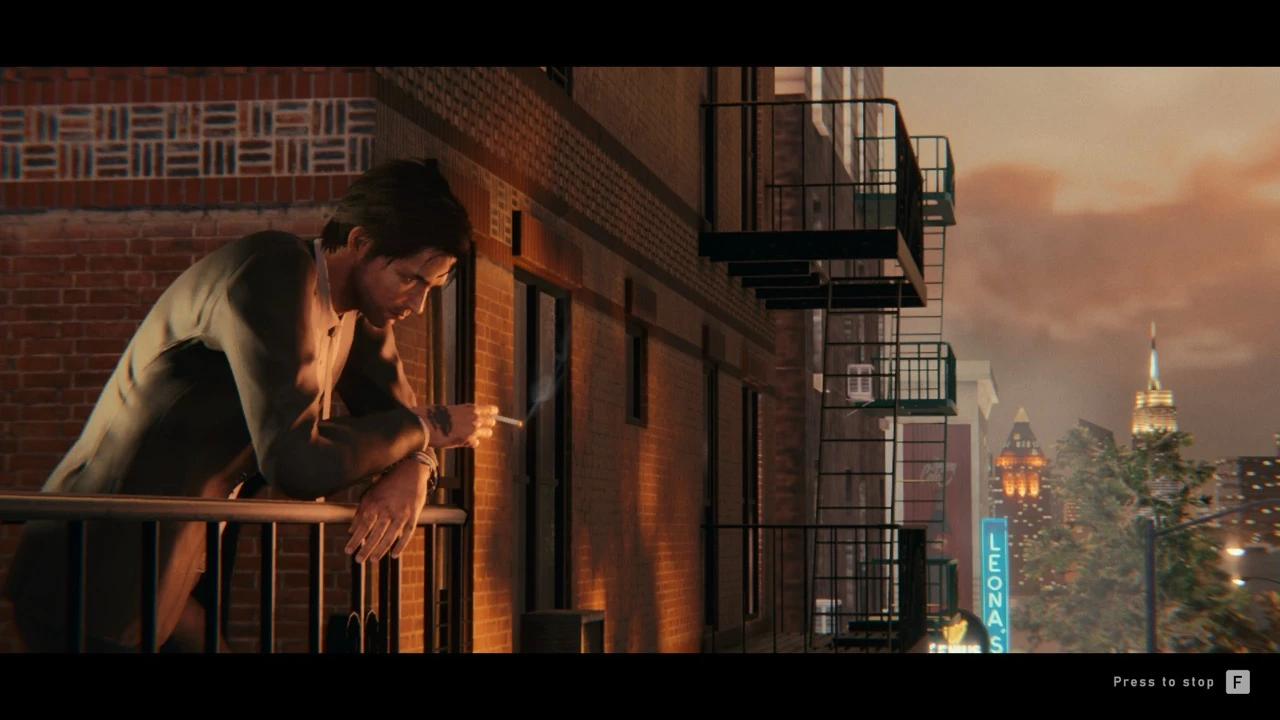
REPLACED is one of the most visually stunning games I have ever played, and beneath all that style is a genuinely human story that hits hard
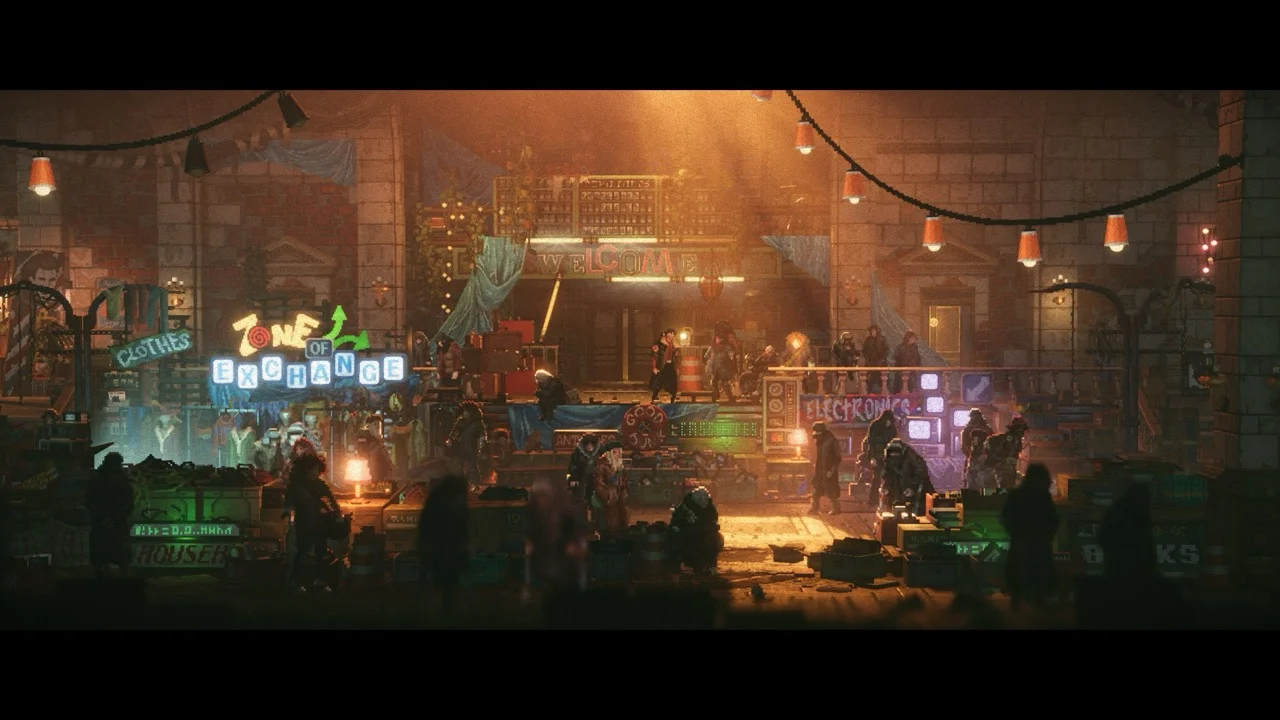
REPLACED is the kind of game that makes you stop every few minutes just to stare at the screen. Almost every random frame can work as wallpaper material. The level of detail in its pixel art, lighting, and composition is absurdly high. Neon reflections, fog, weather, debris, background crowd movement, tiny animations in distant windows, everything feels handcrafted with intent.
Plenty of games look good in still screenshots. REPLACED looks incredible in motion too, and that is where it separates itself from almost everything else in this style.
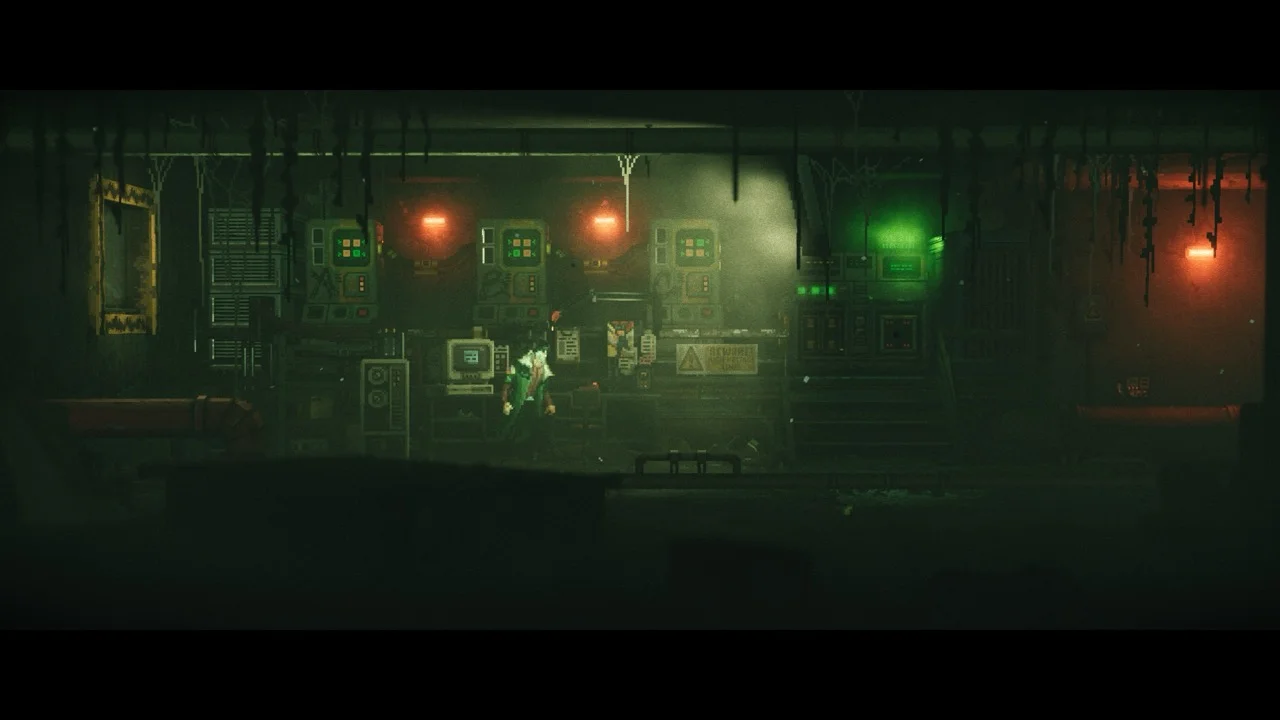
Character animation is just as impressive as the world art. Reach and the rest of the cast move with a fluidity that often feels close to rotoscoped animation. Walk cycles, climbs, takedowns, stumbles after hits, little hand movements during dialogue, it all feels natural and grounded.
That visual quality is not just flashy polish either. It reinforces the tone of the world. REPLACED takes place in an alternate retro-futuristic 1980s America where Phoenix Corporation effectively controls everything. Human life is commodified. Bodies are assets. If you have something valuable, your voice, your eyes, your organs, the system can strip it from you and throw you away. People discarded by that machine become Disposals.
You play as Reach, an AI caught in a tragic transition after a catastrophic incident involving its creator, Warren. What starts as a cold objective quickly becomes a deeply personal journey through Phoenix City and beyond. Reach initially thinks in pure function. Analyze, calculate, survive, complete. But the more time spent with people living under this broken system, the more that machine logic starts to crack.
The character arc is genuinely excellent. Reach is not suddenly transformed by one dramatic speech. The shift happens gradually through interaction, observation, and sacrifice. By the end, the same entity that began as detached and clinical is making emotional choices that cost it physically. There is a late-game line that frames this transformation beautifully, basically saying the most human person in the story was not human at all.
Much of that comes from the supporting cast. Tempest in particular stands out as this stubbornly selfless figure who keeps choosing to protect others no matter the personal cost. Their interactions give the narrative emotional grounding and keep it from becoming just another cyberpunk conspiracy plot.
The Station hub area also helps the story breathe. Running around, talking to people, and doing side quests gives the world texture beyond the main plot beats. These side missions are simple, but they are effective and often reward you with practical upgrades like extra health or additional Med-Stims.
You also gather lore through the Wingman 2, your retro-futuristic walkman-like handheld scanner. Scanning objects and environments opens more of the timeline and fills in details about factions, social collapse, and Phoenix Corporation's reach.
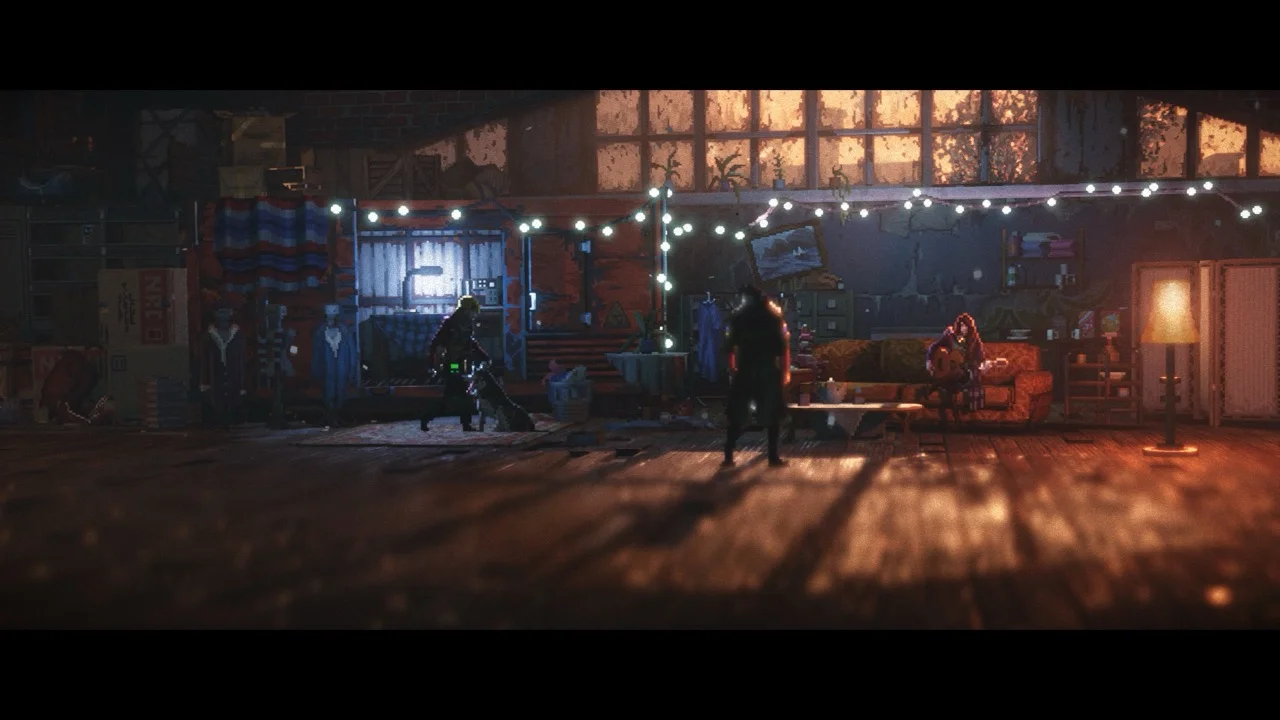
Outside of dialogue and exploration, REPLACED runs on two core gameplay pillars: platforming and combat.
Platforming is very solid throughout. You are climbing ledges, moving through pipes, using your pickaxe to latch onto marked walls, and later chaining more advanced movement with traversal tools like vent-assisted jumps. It is rarely about ultra-fast execution and more about deliberate rhythm.
Combat is where the game gets interesting, and occasionally frustrating. The base system is very Arkham-inspired in the best way. You parry or counter on timing cues, dodge unparryable attacks, and flow between targets with heavy, methodical hits. At first, encounters feel great. The rhythm is clear and each successful chain looks and feels satisfying.
As your toolkit expands, combat opens up nicely. You get the axe for armor-breaking, ranged options tied to charge built from melee combos, plus short windows of high-output fire and an area shockwave attack that can bail you out when surrounded.
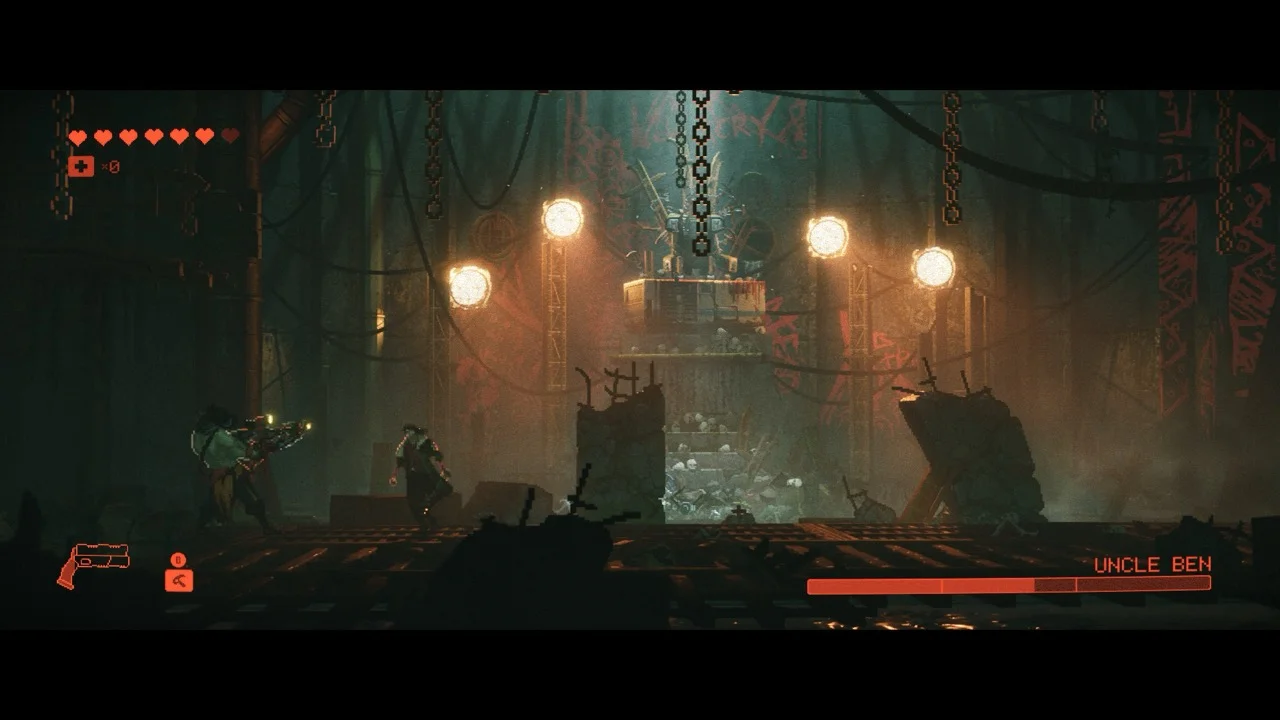
The issue is encounter scaling in later chapters. Enemy variety grows, which is good on paper, but crowd composition can become chaotic. Heavies need repeated armor breaks. Knife assassins demand specific counters. Gun enemies pressure you from range and force deflect timing. All of that layered together in larger groups can overwhelm the methodical pace the combat is built around.
Because the system is deliberately weighty and not hyper-fast, handling multiple high-priority threats at once can shift from tense to exhausting. Some fights feel more like surviving traffic than executing a clean combat plan.
Even so, when REPLACED gives combat enough room to breathe, it is excellent. Landing a perfect sequence, breaking armor at the right moment, countering the assassin, deflecting a shot, then cashing a charged finisher feels incredible.
Audiovisually, the whole package stays consistently strong. The synth-heavy score and ambient soundscape do exactly what this world needs.
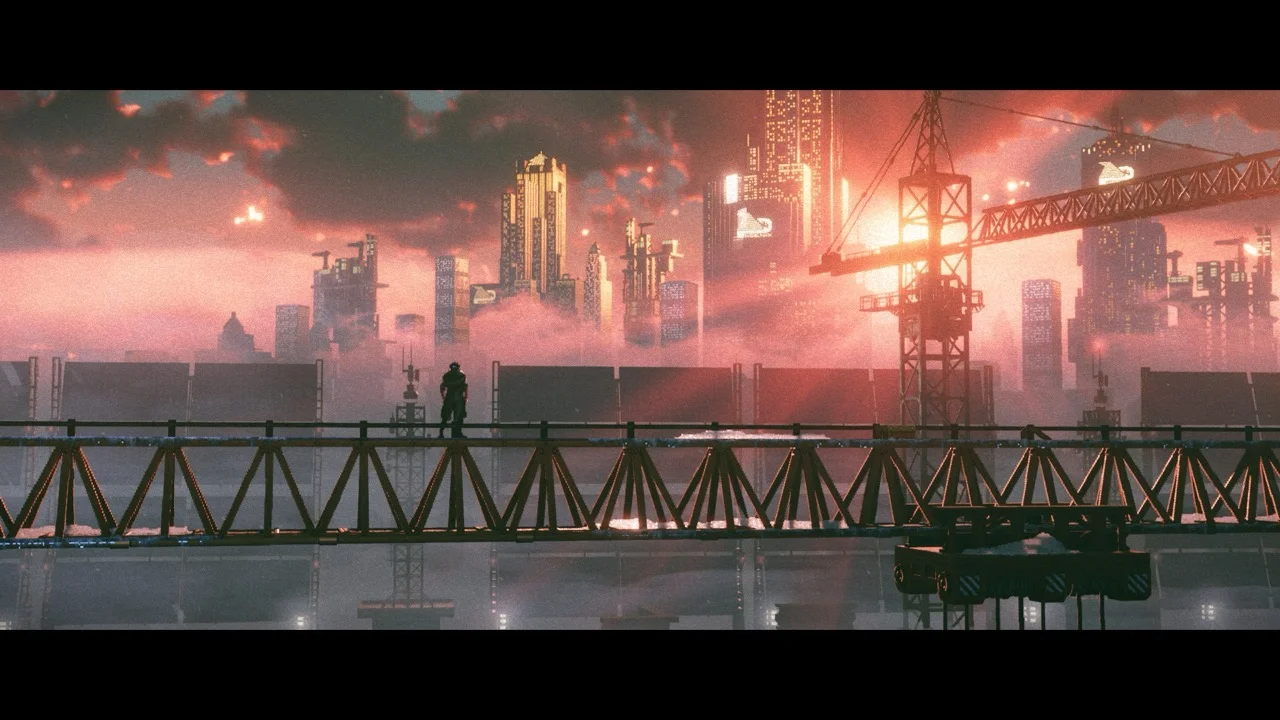
On PC via ROG Xbox Ally X, performance was excellent in my testing. Most of the time I was hovering around 80 fps, and it never dropped below 60 fps in meaningful gameplay sections. For a game this animation-rich and effects-heavy, that is an impressive result on handheld hardware.
I did notice brief stutters or hitches in the opening section, usually split-second dips during transitions. Once I got deeper into the campaign, performance stabilized and stayed smooth for the rest of my playthrough.
Visual clarity on Ally X is also very good. REPLACED's art direction survives the smaller screen incredibly well because silhouettes are clean, contrast is strong, and animation readability remains high even during busy combat.
If you are sensitive to pacing shifts, the main thing to know is that REPLACED prioritizes atmosphere, character, and visual storytelling over mechanical reinvention. Its true strength is how all elements combine into a cohesive cinematic identity.
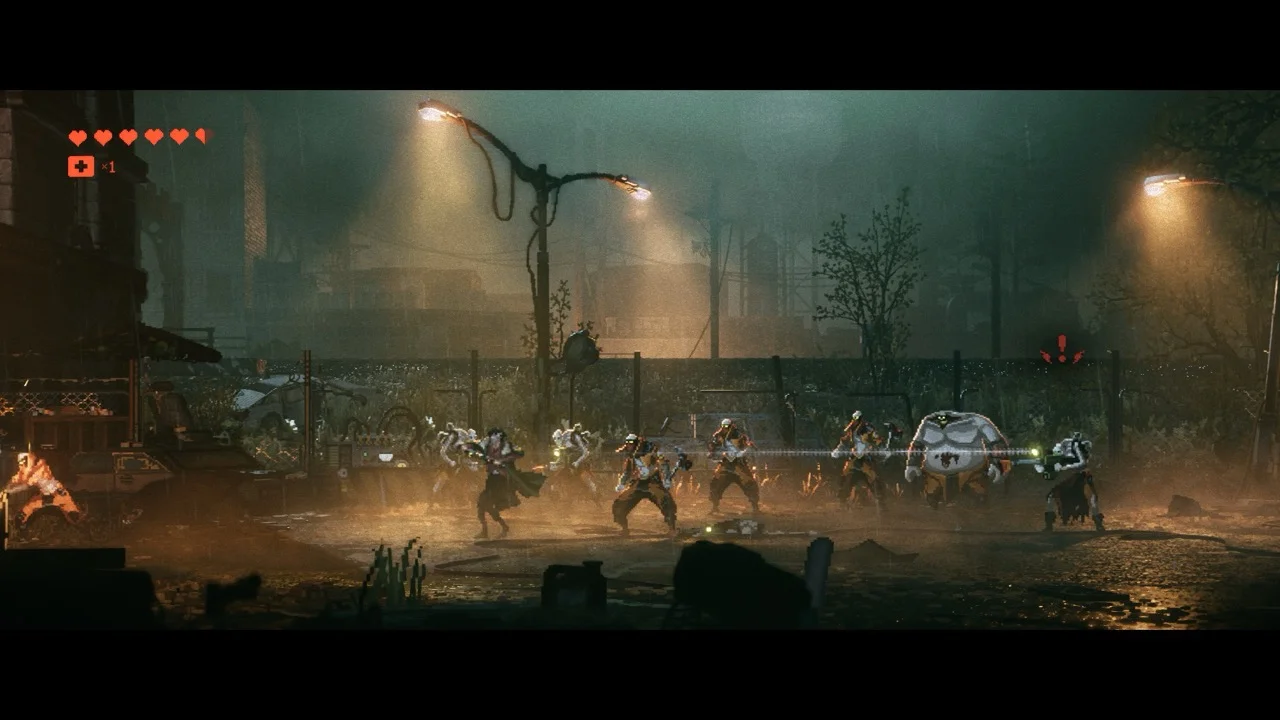
That cohesion is why the game stuck with me. I came in expecting a gorgeous cyberpunk action platformer. I got that, but I also got a story about identity, control, empathy, and sacrifice that earns its emotional beats.
REPLACED is not perfect. It take a while to get going, and late combat encounters can get too crowded for the pace they demand, and those early stutters were noticeable. But those issues never overshadow what Sad Cat Studios pulled off here.
This is a bold, beautiful, and emotionally grounded game with some of the best pixel-art direction I have seen in years. If you care about world-building, strong art direction, and character-driven sci-fi stories, REPLACED is an easy recommendation. Thanks for reading!